
A social media content calendar workflow is a structured system for planning, creating, scheduling, and analyzing your online content. By establishing a standard process, you ensure that every post aligns with your brand objectives while reducing the stress of daily content creation. Teams that follow a clear path from brainstorming to publication consistently report higher output quality and fewer missed deadlines in their social media operations.
Why do you need a standardized workflow?
Operating without a defined workflow often leads to reactive posting, where content is produced in a rush or forgotten entirely. A workflow brings order to the chaos by assigning specific roles and deadlines to every piece of content. When you have a clear plan, you avoid the common pitfalls of repetitive messaging and inconsistent brand voice. It also allows you to prepare for upcoming holidays, product launches, and industry trends weeks in advance, providing a stable foundation for your growth efforts.
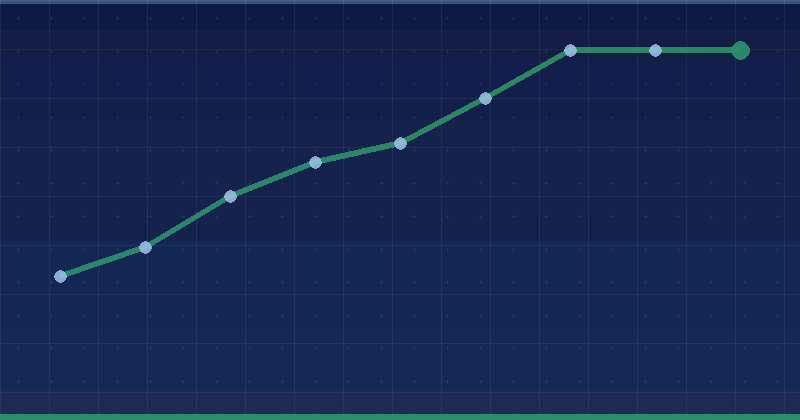
In a typical account, a lack of process results in gaps where the audience hears nothing for days, followed by a flurry of low-quality posts. By contrast, a structured calendar ensures that you maintain a steady cadence. This frequency helps algorithms recognize your activity levels and improves your visibility over time. Consistency is the most important factor in building a loyal follower base, and a workflow is the only way to sustain that consistency over the long term without burning out your content team.
What are the essential phases of content production?
The production cycle should be broken down into manageable segments that move content from an initial idea to a live post. This prevents the tendency to try and do everything at once, which often results in errors or unfinished drafts. You should treat content creation as a factory line where each stage has a specific goal and a designated person responsible for moving it forward. This modular approach allows for easier collaboration and faster turnaround times for your team.
- Ideation: Gathering themes and topics based on current trends or business goals.
- Drafting: Writing captions and selecting visuals while keeping the platform format in mind.
- Review: Checking for tone consistency, spelling errors, and correct link placement.
- Scheduling: Setting the date and time for publication using your chosen management tool.
- Performance Review: Checking metrics to understand what worked and what needs adjustment.
How do you select the right tools for your process?
Choosing the right software is about matching your tool to your team size and complexity. For small businesses, a simple spreadsheet or a shared document might be enough to get started. As you scale, you might need dedicated platforms that offer built-in approval flows and visual previews. Look for features that allow you to see your entire month at a glance, as this visual layout is vital for identifying imbalances in your content mix and ensuring a good variety of post types.
When comparing tools, focus on how they handle collaboration. You need a space where a designer can upload an image, a copywriter can add the text, and a manager can approve the final result. If the tool forces you to send emails back and forth, you are adding unnecessary friction to your workflow. A good tool should centralize all communication related to a specific post, keeping the feedback loop short and clear for everyone involved in the process.
How Alien Road applies content calendar workflows
At Alien Road, we approach the social media workflow by focusing on high-level strategy before touching individual posts. We begin by defining the primary pillars for a client, ensuring that every piece of content serves a clear purpose. For example, in a typical engagement with a retail brand, we map out promotional posts, educational content, and community-building updates in a shared board. This creates a balanced view that prevents the feed from becoming too sales-focused.
We then use a phased approval process for every client account. Our team drafts content two weeks in advance to allow for thorough review and revisions. By the time we reach the scheduling stage, the assets are already polished and aligned with the overall campaign goals. This method removes the pressure of daily posting and allows us to focus on community engagement and response times, which are essential for maintaining a positive brand reputation.
How to handle revisions and team feedback?
Feedback loops are where most workflows break down if they are not managed properly. You should establish a clear policy for how feedback is shared to avoid confusion and endless revision cycles. For instance, require that all comments on a post draft must be actionable, such as requesting a specific change in tone or suggesting a different image. Avoid vague feedback that leaves the creator guessing about what needs to change to meet the requirements.
- Consolidate feedback: Collect all notes from stakeholders at once instead of in a scattered format.
- Version control: Keep track of which draft is the latest to avoid publishing outdated versions.
- Establish deadlines: Set clear dates for when feedback is due to keep the production cycle moving.
- Use templates: Create standard formats for captions and image sizes to speed up the drafting stage.
- Set clear ownership: Designate one person as the final approver for each platform.
How do you measure the success of your workflow?
Success in your workflow is measured by both the efficiency of your internal processes and the performance of your published content. Start by tracking how long it takes to move a post from the idea stage to the live stage. If you notice that drafts are sitting in the review stage for days, you have identified a bottleneck that you need to address. A healthy workflow should result in a predictable output volume that allows your team to work without constant emergency rushes.
On the performance side, look at engagement rates and follower growth to see if your planned content is resonating with your audience. If your workflow includes a regular review session, you can use these metrics to refine your future content plans. For example, if you find that video content consistently performs better on a specific day of the week, adjust your calendar to prioritize video assets for that slot in the upcoming month.
Where to start this week
Begin by auditing your current process to identify exactly where your team spends the most time. Map out the last ten posts you published and note down every step that was taken to get them live. You will likely find at least one stage that caused a delay or a point where communication broke down. Once you identify these weak spots, focus your energy on fixing that single part of the process before attempting to overhaul your entire system.
Next, set up a simple calendar view for the upcoming month and commit to filling it out at least seven days in advance. Do not worry about being perfect; focus on being prepared. Once you have a full week of content planned, you will notice a significant decrease in daily stress. This extra time allows you to respond to comments, monitor industry changes, and improve the quality of your future posts, setting you on a path toward more effective social media management.
Keep reading: Social Media Management · Social Media Marketing