
Using customer data effectively involves organizing raw information into actionable insights that guide your marketing decisions. By examining purchase histories, website behavior, and engagement patterns, you can create specific segments that respond better to your outreach. This practice allows you to move beyond generic messaging and tailor your communication to the unique needs of different buyer personas, ensuring that your resources are focused on the most promising opportunities for long-term growth.
Why is customer data organization essential for growth?
Data serves as the foundation for any successful digital strategy. When you store information in a centralized CRM, you create a single source of truth that avoids fragmented marketing efforts. For example, a Shopify store owner might notice that customers who purchase a specific category of goods tend to return within 30 days. By identifying this pattern, the owner can set up automated email reminders that align with this timeline, rather than sending random messages that may not resonate with the current needs of the audience.

Effective organization also helps prevent wasted ad spend. When you have clean data, you can exclude existing customers from acquisition campaigns, which stops you from paying to show ads to people who have already completed a purchase. This simple adjustment ensures that your advertising budget is directed toward new prospects who have not yet interacted with your brand. Keeping your databases updated and free of duplicate entries is a fundamental step in maintaining the health of your marketing automation tools.
What types of data points should you prioritize?
Not every data point is equally useful for growth. You should focus on metrics that directly impact your conversion rates and customer lifetime value. Start by identifying the primary indicators of high-intent behavior on your website. These often include abandoned cart events, frequent visits to specific product pages, or repeated engagement with your email newsletters. By prioritizing these behaviors, you can build automation flows that trigger relevant messages at the right time.
Key data categories for your strategy
- Demographic information to understand the basic characteristics of your core audience.
- Transactional data, such as purchase frequency and average order value, to identify high-value customer segments.
- Behavioral data including page views, time spent on site, and interaction with specific content pieces.
- Communication history to see which channels and message types drive the highest engagement rates.
How can you segment your audience for better results?
Segmentation allows you to treat different groups of customers according to their specific stage in the buying cycle. Instead of sending one email blast to your entire contact list, you can group users based on their previous actions. For instance, you could create a segment for users who have visited your pricing page three times in the last week but have not yet made a purchase. This group is likely considering a decision and may respond well to a comparison guide or a limited-time offer.
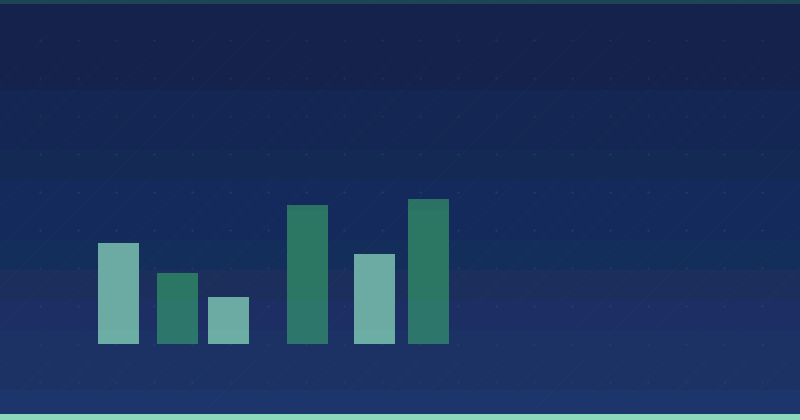
Another effective approach is to segment by purchase recency, frequency, and monetary value, often known as RFM analysis. In a typical account, this method reveals clear differences between your most loyal customers and those who might be at risk of churning. By tailoring your messaging to these distinct groups, you maintain high engagement with your best customers while offering incentives to re-engage those who have been inactive for a longer period of time.
Integrating data into your marketing automation
Automation is the engine that turns your data into growth. Once you have defined your segments, you can set up workflows that run in the background without needing constant manual input. A common pattern in email marketing is the welcome series, which uses initial sign-up data to deliver a sequence of messages designed to educate new subscribers about your brand values and product offerings.
Beyond welcome series, you can use behavioral triggers to automate follow-up communication. If a user clicks on a specific link in an email, your CRM can tag them with a specific interest category. This tag can then be used to enroll them into a dedicated nurture sequence that provides more details on that topic. This level of precision keeps your brand relevant and helps move prospects through the funnel more efficiently than broad-based campaigns.
How to measure the success of your data-driven campaigns?
Measuring success requires a consistent approach to tracking key performance indicators. Start by looking at metrics that define engagement, such as open rates, click-through rates, and conversion rates for specific segments. If a particular segment shows a high interest in a specific product category, try to replicate the messaging style and offer structure in other campaigns to see if the success carries over to different groups.
It is also beneficial to monitor the impact on customer retention. Compare the lifetime value of customers who go through your automated nurture sequences against those who do not. This will provide a clear picture of how your data-driven strategies are contributing to the overall revenue of the business. Be sure to review these reports on a monthly basis to identify trends that might require adjustments to your current marketing approach.
Privacy and data management best practices
Managing customer data requires strict adherence to privacy regulations and ethical standards. Always ensure that you have clear consent before collecting any information, and make it easy for users to opt out or update their preferences. Transparency about how you use their data builds trust, which is a valuable asset for any growing brand. Alien Road recommends conducting regular audits of your data storage practices to confirm that you are complying with current standards.
- Clearly state your data collection policy in your privacy notices.
- Use double opt-in processes to confirm email addresses and user intent.
- Regularly clean your database by removing inactive or invalid contacts.
- Ensure all integrations between your CRM and other tools are secure.
Where to start this week
Begin by auditing the data you currently have available in your primary marketing platform. Identify one specific segment—such as your top 10 percent of customers by spend—and create a tailored communication plan for them. You do not need a complex system to start; even simple manual segmentation based on purchase behavior can yield significant improvements in your engagement rates. Focus on providing value, track the results, and iterate your approach as you gather more information over the coming weeks.
Keep reading: CRM System · Email Marketing