
The TikTok algorithm 2026 evaluates video performance through a multi-stage distribution model that relies heavily on watch completion, replay rates, and immediate engagement signals. Instead of relying primarily on follower counts, the system analyzes visual content, audio tracks, caption keywords, and user behavior to match every newly published video with small, interested audience pools before deciding whether to expand its distribution across the broader platform.
How Does the TikTok Algorithm Distribute Videos?
Content distribution on TikTok operates on a tiered evaluation framework designed to surface relevant content to active users. When a creator or brand uploads a video, the system displays it to an initial seed group consisting of a few hundred accounts. This initial group includes existing channel followers as well as non-followers who frequently watch similar topics or search for related terms within the app.
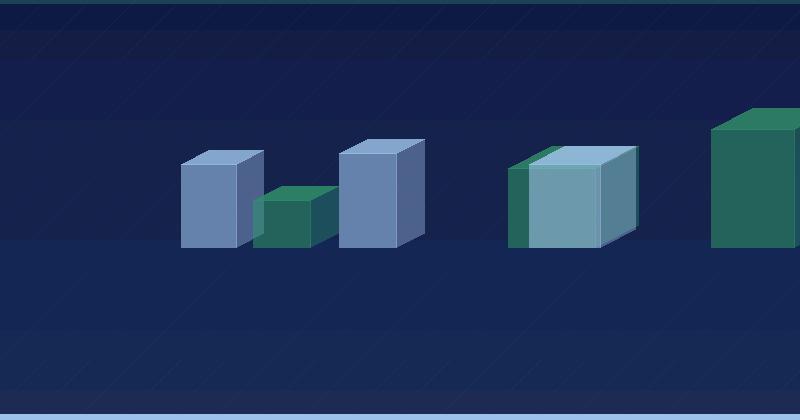
If the seed group demonstrates strong retention and positive interactions, the recommendation engine automatically promotes the clip to a broader tier of accounts. If early performance signals fall below average platform benchmarks, distribution slows down or stops entirely. The algorithm continually checks user reactions at every stage before expanding the video to larger audience tiers.
This structure ensures that smaller channels can reach substantial audiences if their content holds viewer attention, while larger accounts still must maintain strong watch metrics to preserve high visibility across feed recommendations.
What Watch Time Metrics Matter Most in 2026?
Total watch time remains the central signal used by the recommendation system to measure content quality. However, the system evaluates several distinct aspects of watch behavior rather than relying on raw view counts alone.
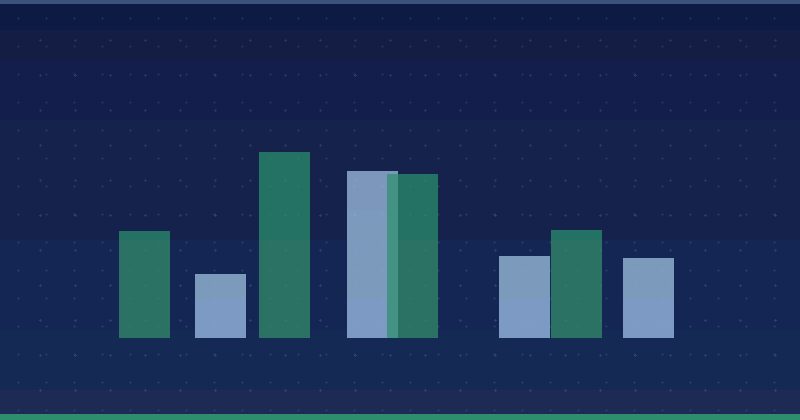
Completion rate measures the percentage of viewers who watch a video from start to finish. For short clips under 15 seconds, maintaining a high completion rate is necessary to trigger wider audience reach. When users leave before the halfway point, the recommendation engine treats the exit as a signal that the content lacked immediate appeal.
Replay rate tracks how often users allow a video to play a second time. Continuous loops serve as an explicit signal that the visual or educational content offered immediate value or entertained the viewer sufficiently to merit another viewing.
Average watch time measures total time spent on a clip. A 60-second video with 30 seconds of average watch time often earns higher distribution priority than an 8-second clip watched for 6 seconds, because total platform time spent increases significantly.
- Completion Rate: Percentage of viewers who watch the entire video without swiping away.
- Replay Rate: Frequency of immediate auto-loops by the same viewer.
- Retention Curve: The exact second where most viewers drop off in the analytics dashboard.
- Direct Engagement: Shares, saves, and comments submitted during or immediately after viewing.
- Search Relevance: Alignment between spoken audio, text overlays, and target search queries.
The Role of Video Information and Search Signals
Search engine optimization inside TikTok plays a growing role in long-term video discovery. The recommendation engine scans spoken speech, text overlays, captions, and automatically generated closed captions to determine precise topic context.
When users search for specific questions in the app search bar, videos containing relevant keywords appear in search results and recommended feeds for weeks or months after posting. This shifts the platform from purely ephemeral content toward long-term search discovery.
A practical approach for e-commerce brands, such as a boutique apparel shop demonstrating winter styling tips, involves pronouncing key phrases clearly in the first three seconds of spoken audio while displaying matching on-screen text.
Why Does Content Testing Start in Small User Clusters?
Initial distribution takes place in localized user clusters to protect the general user experience across the main feed. Exposing unverified videos directly to large audiences risks surfacing irrelevant or low-quality content to general users who may leave the app.
User clusters are structured around shared interest graphs, past viewing history, geographic location, and device language settings. If a video about project management tools performs well among remote workers in a small test group, the algorithm shifts the content into larger business productivity clusters.
When performance metrics decline during expansion into adjacent clusters, the system halts further distribution. This mechanism explains why some videos experience sudden plateaus after an initial surge in view count.
Key Factors That Influence Content Reach
Channel operators must balance several technical and creative factors to sustain steady organic reach over time. Recognizing these variables helps marketing teams diagnose sudden shifts in account performance.
Account authority builds gradually through steady posting schedules and compliance with platform guidelines. While individual videos can gain visibility regardless of channel history, profiles with clean compliance records experience fewer processing delays during upload review phases.
Content consistency reinforces topic indexing. When an account routinely uploads content focused on digital marketing or retail operations, the system establishes a clearer understanding of which audience groups should receive those posts.
- Clear Hook: Capture viewer attention within the first two seconds through visual movement or direct questions.
- Native Text Overlays: Use built-in text tools to highlight focus keywords for algorithmic indexing.
- Clean Audio Quality: Record distinct voiceovers and select contextual background audio.
- Concise Descriptions: Write captions with explicit descriptive terms instead of generic hashtags.
- Call to Save or Share: Remind viewers to bookmark the video for future reference.
Practical Workflow to Align With Algorithm Signals
Modern marketing teams structure their video production around quantitative analytics. Reviewing retention graphs inside TikTok Analytics highlights exact moments where viewer interest declines during video playback.
For example, an online training company analyzing performance data might observe a noticeable drop at second three caused by long title cards. Removing static graphics and starting immediately with actionable advice improves average watch duration across subsequent uploads.
Strategic frameworks at Alien Road emphasize systematic creative testing. Producing three variations of a video opening while keeping the main demonstration identical allows creators to isolate which visual hook retains audience attention most effectively.
Where to Start This Week
Open TikTok Analytics on your professional profile and review retention curves across your last ten published videos. Note the specific timestamp where viewer drop-off spikes and adjust upcoming scripts to present your main message before that moment.
Refine your keyword placement strategy for upcoming video titles and captions. Identify terms your ideal audience enters into the search bar and incorporate those phrases into your spoken audio and on-screen text.
Compare the performance of short 15-second clips against longer educational videos over your next posting cycle to determine which format generates the highest completion rate for your specific niche.
Keep reading: Tiktok Ads · Social Media Marketing