
Ad creative fatigue is a performance decline that occurs when your target audience sees the same visual or video too many times, leading to a drop in engagement. This phenomenon forces platforms like Meta and Google to increase your costs because users are no longer interacting with the content. Recognizing this early allows advertisers to swap assets before the return on ad spend (ROAS) collapses.
How can you identify ad creative fatigue in your account?
In a typical Meta Ads account, you will notice that your Cost Per Click (CPC) begins to climb while your Click-Through Rate (CTR) starts a steady decline. This shift often happens after a campaign has been running for several weeks to the same audience segment. You can find these details by going to the Ads Manager, selecting your campaign, and looking at the Performance and Delivery view. Pay close attention to the Frequency column.
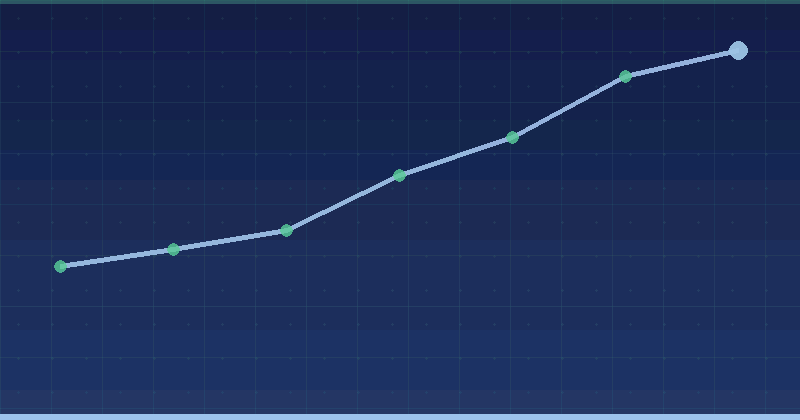
If your frequency is above 3.0 for a cold audience, it means the average person has seen your ad three times. For most brands, this is the point where the novelty wears off. You can also use the Inspect tool at the ad set level to view the First Time Impression Ratio. When this ratio drops significantly, it indicates that you are mostly reaching the same people who have already decided not to click.
On Google Ads, specifically within Performance Max or App campaigns, you should check the asset reporting tab. Google categorizes assets as Low, Good, or Best based on their performance relative to other assets in the same group. When a previously Best asset moves to Low, it is a clear signal that the market has reached a saturation point with that specific image or video.
Key performance indicators to monitor for creative decay
Monitoring the right metrics is essential for catching fatigue before it drains your budget. While ROAS is the ultimate goal, it is a lagging indicator. You need to look at leading indicators that show the audience’s reaction to the visual content itself. In a typical account, these metrics provide the first warning signs.

- Frequency: The average number of times each person has seen your ad.
- Click-Through Rate (CTR): A declining percentage of people clicking after seeing the ad.
- Cost Per Click (CPC): Rising costs as the platform penalizes low engagement.
- Hook Rate: For video ads, the percentage of people who watch the first 3 seconds.
- Hold Rate: The percentage of viewers who stay until the 15-second mark or the end.
A Shopify store spending $500 a day on Meta might see a frequency increase from 1.2 to 2.5 within two weeks. If this is accompanied by a 20% drop in CTR, creative fatigue is almost certainly the cause. By tracking these metrics weekly, you can predict when an ad will stop being profitable and have a replacement ready.
Why does creative fatigue happen so quickly now?
Social media users consume content at a rapid pace, often scrolling through hundreds of posts in a single session. This high volume of consumption means that visual patterns are recognized and ignored faster than in the past. People develop banner blindness, a psychological behavior where the brain automatically filters out information that looks like a repetitive advertisement.
Algorithms also play a part in this speed. Platforms like TikTok and Instagram use machine learning to show your ad to the users most likely to convert first. Once the algorithm has exhausted this initial group of high-intent users, it moves to the next tier. If your creative was specifically tailored to the first group, it might not resonate with the second, causing performance to dip instantly.
Practical strategies for refreshing your ads
You do not always need to produce a brand-new video from scratch to combat fatigue. Often, small adjustments to the existing winning assets can reset the audience’s interest. This approach saves time and allows you to utilize the data you have already gathered about what works.
- Change the hook: Swap the first 3 seconds of your video for a different shot or headline.
- Adjust the color palette: Change the background color of a static image to stand out in the feed.
- Flip the orientation: Try a mirrored version of your winning image to trick the eye.
- Update the headline: Test a question-based headline versus a benefit-based one.
- Modify the format: Turn a winning static image into a simple motion graphic or slideshow.
By making these minor changes, you can often extend the life of a creative concept by several weeks. This is especially useful for smaller teams that do not have the resources to film new content every few days. At Alien Road, we suggest keeping the core message the same but changing the visual delivery.
How often should you rotate your ad creatives?
The frequency of rotation depends on your daily budget and the size of your target audience. A local business targeting a single city will hit fatigue much faster than a national brand targeting millions of people. In a typical account with a medium-sized audience, a common pattern is to introduce two new creative variations every week.
Larger accounts spending thousands of dollars daily may need to test five to ten new assets per week. The goal is not to replace everything at once but to have a continuous cycle of testing. When a new asset performs better than your current average, you increase its budget and pause the oldest, worst-performing ad.
Setting up an automated creative testing workflow
To manage creative fatigue efficiently, you should separate your testing from your scaling. Create a Sandbox campaign dedicated purely to finding new winners. This prevents your main campaigns from fluctuating in performance while you experiment with new visuals.
In this testing campaign, use a lower budget and run 3-5 ads simultaneously. Once an ad reaches a statistically significant number of impressions (usually 2,000 to 5,000 depending on the industry), compare its performance to your current winners. If the new ad has a higher CTR and lower CPC, move it into your main scaling campaign. This systematic approach ensures you always have a ‘bench’ of fresh content ready to go when fatigue hits your main ads.
Where to start this week
Start by auditing your top-spending campaign from the last 30 days. Navigate to the ads level and sort your assets by spend. Look at the weekly trend for CTR and CPC. If you see a clear trend of declining engagement over the last 14 days, you have found fatigue.
Select your three worst-performing ads and pause them today. Replace them with three simple variations of your best-performing ad. For one, change the headline; for the second, change the opening frame; for the third, change the call-to-action button. This small step can often stabilize a declining campaign and improve your ROAS within 48 hours without needing a massive production budget.
Keep reading: Graphic Design · Advertising