The layout of search results (snippet) dictates how potential visitors perceive your brand before they even land on your website. When structured data markup is applied correctly, engines parse specific attributes to render richer results, such as review stars, product prices, or breadcrumb trails. These visual enhancements draw immediate attention in competitive search landscapes where every pixel matters for attracting qualified traffic.
What is the layout of search results (snippet) and why does it matter?
A search snippet serves as the primary bridge between a user query and your web page. Standard text displays often fail to stand out among dozens of competing links on a crowded screen. By supplying machine-readable schema markup, you help crawlers understand context instantly without relying on guesswork. This clarity allows platforms to display enhanced elements that improve user trust and drive higher interaction rates over time.

Consider a standard informational query where two results appear side by side. One displays plain meta description text, while the other includes organized author details, publication dates, and a clear rating summary. Users naturally gravitate toward the structured version because it answers their implicit need for credibility and direct information before they even click the link.
For marketers, mastering the layout of search results (snippet) means transforming static links into interactive entry points. When you provide precise attributes, algorithms can construct visual cards, carousels, or knowledge panels that capture user attention immediately. This operational shift reduces bounce rates because visitors arrive with clearer expectations of the content awaiting them on your landing page.
How does structured data influence search visibility?
Search algorithms rely on structured syntax to categorize content accurately across millions of indexed documents. Without explicit markup, crawlers must interpret unstructured paragraphs to deduce relationships between headings, products, and authorship. Implementing JSON-LD format removes this ambiguity entirely, giving crawlers a direct map of your data entities.
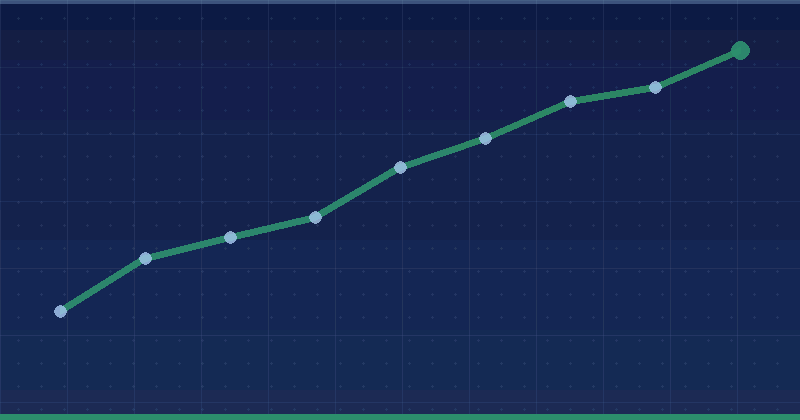
For example, an e-commerce catalog featuring clear pricing, stock availability, and review tags in its JSON-LD script often qualifies for rich snippets that attract high-intent buyers. In a typical account managing thousands of inventory items, adding missing schema properties can recover lost visibility on long-tail queries where rich snippets make the difference between the third position and the top click.
Furthermore, search consoles provide granular data on how these enhanced displays perform compared to standard text. By tracking impressions and clicks in parallel, you can isolate which schema types generate the highest engagement and refine your markup strategy accordingly.
- Include valid schema types relevant to your specific page content.
- Validate your code using official testing tools before publishing.
- Monitor performance shifts in query reporting consoles after deployment.
- Ensure all mandatory properties required by the schema specification are fully populated.
How Alien Road applies layout of search results (snippet)
At Alien Road, our engagement process begins with a thorough technical audit of existing markup and query data. We analyze current impressions and click metrics across verified URLs to identify pages missing rich snippet opportunities. Next, our team deploys standardized JSON-LD templates across target page templates, ensuring every property aligns with search engine guidelines and internal brand standards.
Following the deployment phase, we utilize query monitoring tools to observe how search engines index the new markup. We check whether impressions translate into stable ranking positions and higher click-through rates. If rendering anomalies occur, our engineers inspect the source code immediately to correct syntax errors before they impact overall site visibility.
Structured data is not a magic fix for poor content, but it removes technical friction and helps clear snippets communicate value faster than plain text ever could.
Alien Road SEO team
How can you diagnose snippet rendering errors?
Errors in schema syntax often prevent rich elements from appearing entirely in search results. Webmasters must check console logs regularly for parsing warnings or missing required properties. If a product price or review rating is missing from the markup, the search engine simply defaults to a standard text snippet, wasting valuable pixel space on the results page.
A common pitfall involves mismatched data between the visible HTML content and the hidden JSON-LD script block. Search crawlers expect complete parity; if your visible text states one price while your schema dictates another, engines may ignore the markup altogether to prevent user deception. Regular automated audits help catch these discrepancies early.
Another diagnostic step involves checking query monitoring reports for sudden drops in click-through rates despite stable ranking positions. This symptom frequently points to a broken rich snippet format, such as invalid date attributes or expired event schemas that cause search engines to strip the visual enhancement.
- Check for missing mandatory fields like item name or organization details.
- Ensure the JSON-LD script block is placed correctly within the document head or body.
- Verify that rendered HTML matches the structured data source during crawler execution.
- Test mobile and desktop rendering outputs independently to catch responsive markup bugs.
Consistency between your visible page copy and your underlying schema is the single most effective way to protect your rich snippets from algorithmic suppression.
Alien Road SEO team
Where to start this week
Begin your optimization cycle by reviewing your top ten traffic-generating URLs to assess current schema coverage. Identify which pages lack enhanced schema markup and select a standard format such as Organization, Product, or Article based on your primary business goals. Implement the code on a staging environment first, validate the syntax thoroughly, and push live to observe how search result layouts evolve over the next monthly reporting cycle.