Freitag, 16. Oktober 2009
Webmaster, die ihre eingehenden Links in den Webmaster Tools überprüfen, fragen uns oft, was sie tun können, wenn sie minderwertige Links sehen. Verständlicherweise versuchen viele Website-Inhaber, einen guten Ruf für ihre Websites aufzubauen, und einige glauben, dass minderwertige eingehende Links als „Teil einer schlechten Nachbarschaft“ wahrgenommen werden könnten, was mit der Zeit dem Ranking ihrer Website schaden kann.
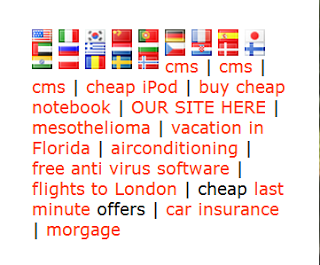
Wenn Ihre Website Links erhält, die ähnlich verdächtig aussehen, seien Sie nicht beunruhigt… lesen Sie weiter!
Während es wahr ist, dass Links ein wichtiger Faktor in den Ranking-Algorithmen von Google sind, sind sie
nur einer von vielen. Ich weiß, wir sagen es oft, aber etwas zu haben, das die Leute sehen oder nutzen möchten – einzigartige, ansprechende Inhalte oder nützliche Tools und Dienste – ist ebenfalls ein riesiger Faktor. Weitere Faktoren können sein, wie eine Website strukturiert ist, ob die Wörter der Suchanfrage eines Nutzers im Titel erscheinen, wie nah die Wörter auf der Seite beieinander liegen und so weiter. Der Punkt ist, wenn Sie sehen, dass einige minderwertige Websites auf Sie verlinken, ist es wichtig im Hinterkopf zu behalten, dass das Verlinken nur ein Aspekt unter vielen ist, wie Google Ihre Website bewertet. Wenn Sie eine gut strukturierte und regelmäßig gewartete Website mit originalen, hochwertigen Inhalten haben, sind das die Dinge, die Nutzer sehen und schätzen werden.
Das gesagt, in einer idealen Welt könnte man den Kuchen haben und ihn auch essen (oder vielmehr, man könnte eine hochwertige Website und hochwertige Backlinks haben). Sie machen sich vielleicht auch Sorgen über die Wahrnehmung Ihrer Website durch Nutzer, wenn diese über eine Reihe von Spam-Links darauf stoßen. Wenn die Anzahl der minderwertigen Links überschaubar ist und/oder es einfach erscheint, sich abzumelden oder diese Links von der verlinkenden Website entfernen zu lassen, kann es sich lohnen, zu versuchen,
die Website(s) zu kontaktieren
und sie zu bitten, ihre Links zu entfernen. Denken wir daran, dass dies nichts ist, was Google für Sie tun kann; wir indexieren Inhalte, die wir im Online-Bereich finden, aber wir kontrollieren diese Inhalte nicht und auch nicht, wer auf Sie verlinkt.
Wenn Sie jedoch auf unkooperative Website-Inhaber stoßen, ärgern Sie sich nicht zu lange. Konzentrieren Sie sich stattdessen auf Dinge, die unter Ihrer Kontrolle liegen. Im Allgemeinen haben Sie als Webmaster nicht viel Kontrolle über Dinge wie die Frage, wer auf Ihre Website verlinkt. Sie haben jedoch die Kontrolle über viele andere
Faktoren, die Indexierung und Ranking beeinflussen. Organisieren Sie Ihre Inhalte; machen Sie eine Mini-Usability-Studie mit Familie oder Freunden. Bitten Sie in Ihren bevorzugten Webmaster-Foren um eine Website-Überprüfung. Nutzen Sie ein
Website-Test-Tool
, um herauszufinden, was Ihnen die meisten Leser oder die größten Verkäufe bringt. Lassen Sie sich von Ihren Lieblings-Sites oder Ihren Mitbewerbern inspirieren – was machen sie gut? Was bringt Sie dazu, immer wieder auf ihre Websites zurückzukehren oder sie mit Ihren Freunden zu teilen? Was können Sie von ihnen lernen? Die Zeit, die Sie für eine dieser Aktivitäten aufwenden, hat wahrscheinlich einen größeren Einfluss auf die Gesamtleistung Ihrer Website als die Zeit, die Sie damit verbringen, jeden letzten fragwürdigen Backlink zu jagen und zu entfernen.
Denken Sie schließlich daran, dass minderwertige Links selten den Test der Zeit bestehen und möglicherweise relativ schnell aus unserem Linkgraphen verschwinden. Möglicherweise werden sie von unseren Algorithmen sogar bereits ignoriert. Wenn Sie sicherstellen möchten, dass Google von diesen Links weiß und sie entsprechend bewertet, können Sie uns darauf aufmerksam machen, indem Sie entweder unseren
Spam-Bericht oder unseren
Bericht über bezahlte Links.
So setzen wir das um
We archive Search Central announcements because client questions often trace back to a change that was announced years ago. Reading the original is faster than reconstructing it from second-hand summaries.
Verwandte Leistungen