El informe de enlaces internos enumera los enlaces rotos dentro de su propio sitio — enlaces que el robot siguió y descubrió que no llevaban a ninguna parte. Yandex señala claramente que estos enlaces quedan excluidos de la búsqueda.
Qué muestra la tabla
- La página que contiene el enlace.
- La página a la que apunta.
- El estado HTTP — 4xx y 5xx. Cuando un estado cambia, la entrada desaparece del informe después de un tiempo, por lo que la lista se autolimpia una vez que se soluciona la página subyacente.
- El texto del enlace.
- Cuándo se actualizó por última vez la información.
Hasta 10.000 enlaces internos rotos por sitio.
Por qué esta lista es la que se debe limpiar
Porque está enteramente bajo su control. Los enlaces rotos externos dependen de los sitios de otras personas; estos son suyos, creados por sus plantillas y sus editores, y cada uno de ellos desperdicia una solicitud de rastreo que una página real podría haber aprovechado.
Las tres causas habituales
- Contenido movido sin una redirección, más a menudo durante un rediseño.
- Enlaces codificados de forma rígida (hard-coded) en plantillas que sobrevivieron a un cambio en la estructura de URLs — estos generan las mayores cantidades, porque un error de plantilla se multiplica en cada página que la utiliza.
- Erratas en enlaces editoriales escritos a mano.
Método de trabajo
Ordene por la URL de destino en lugar de por la fuente. Cien entradas que apuntan a la misma página faltante son una sola corrección; cien entradas que apuntan a cien páginas diferentes son un problema editorial. Corrija por patrón y deje que el informe se limpie solo a medida que cambien los estados.
La señal que vale la pena observar
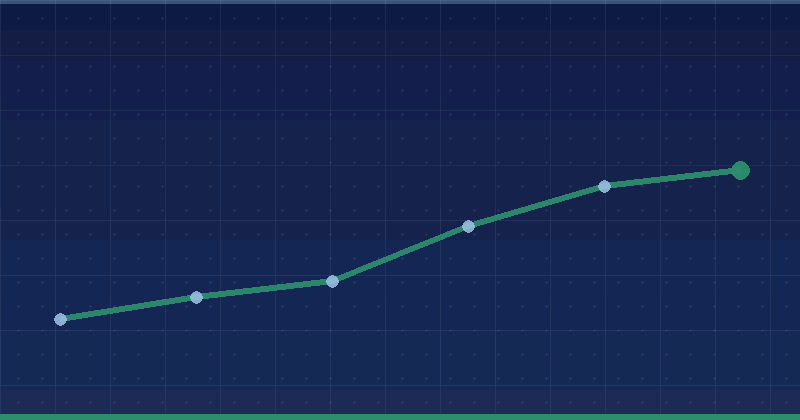
La tendencia, no el total. Un recuento que aumenta bruscamente tras un lanzamiento significa que el lanzamiento rompió algo, y vale la pena saberlo en esa misma semana en lugar de en la próxima auditoría.
Cómo lo aplicamos
Internal broken links are the cheapest fix available and the one that most reliably improves crawl efficiency on large catalogues. We sort by target rather than source, because the long lists nearly always collapse to a handful of missing destinations linked from a template. And we treat a rising count as a publishing-process failure rather than a list of chores.
Servicios relacionados