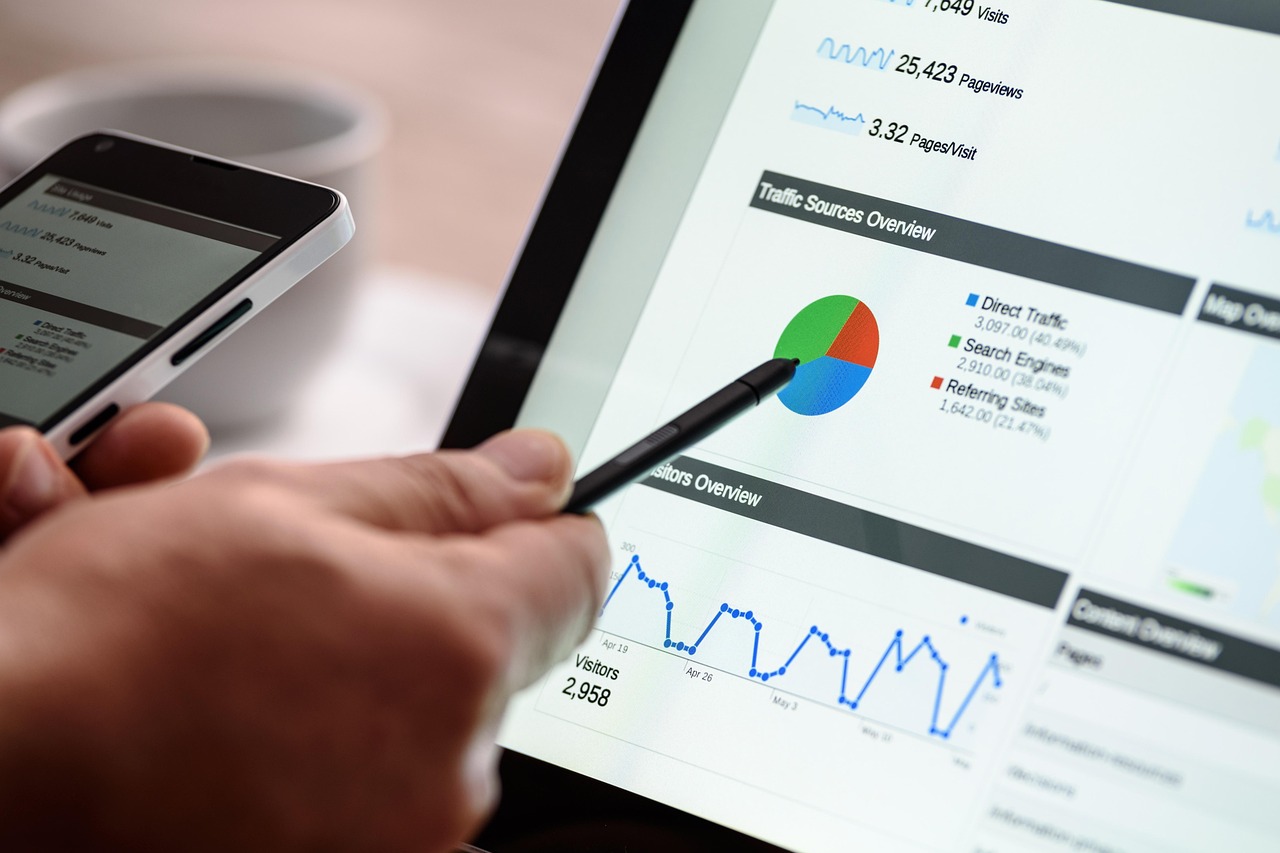
The landscape of digital advertising is evolving rapidly, and at the forefront of this transformation stands AI advertising optimization. As businesses strive to maximize return on ad spend (ROAS) in an increasingly competitive environment, leveraging artificial intelligence has become essential. AI advertising optimization refers to the use of advanced algorithms and machine learning models to refine ad campaigns dynamically, ensuring that every dollar spent delivers measurable results. This approach goes beyond traditional methods by analyzing vast datasets in real time, predicting user behavior, and automating adjustments to bidding, targeting, and creative elements.
Consider the core benefits: AI enables precise audience segmentation, allowing advertisers to tailor messages to specific demographics, interests, and behaviors. It facilitates real-time performance analysis, where metrics such as click-through rates (CTR) and cost per acquisition (CPA) are monitored continuously, enabling swift optimizations. Moreover, automated budget management ensures resources are allocated efficiently, shifting funds from underperforming ads to high-potential opportunities. For instance, a retail brand might see a 30% improvement in conversion rates by implementing AI-driven personalization, as evidenced by industry benchmarks from platforms like Google Ads and Facebook Ads Manager.
In essence, the best AI optimization services empower marketers to move from reactive to proactive strategies. By integrating AI ad optimization, companies can achieve not only cost savings but also enhanced customer engagement and loyalty. This high-level overview sets the stage for a deeper exploration of how these technologies can be harnessed to drive sustainable growth in digital advertising.
Fundamentals of AI Ad Optimization
Understanding the basics of AI ad optimization is crucial for any marketer aiming to elevate their campaigns. At its core, AI ad optimization involves deploying machine learning algorithms that learn from historical data to make predictive decisions. These systems process variables like user interactions, market trends, and competitive landscapes to suggest improvements automatically.
Key Components of AI-Driven Systems
AI ad optimization platforms typically include data ingestion modules, predictive analytics engines, and execution interfaces. Data ingestion pulls in information from multiple sources, such as website analytics and social media insights. The predictive engine then uses this data to forecast outcomes, such as which ad creative will yield the highest engagement. For example, a campaign targeting e-commerce users might prioritize video ads for mobile audiences based on past performance data showing a 25% higher CTR compared to static images.
Benefits Over Manual Optimization
Unlike manual adjustments, which can take days or weeks, AI operates continuously, reducing human error and bias. Studies from Gartner indicate that AI-optimized campaigns can improve ROAS by up to 40%, as the technology identifies patterns invisible to the human eye. This efficiency allows teams to focus on creative strategy rather than granular tweaks.
Leveraging Real-Time Performance Analysis
Real-time performance analysis is a cornerstone of effective AI advertising optimization. This feature allows advertisers to monitor campaign metrics instantaneously, enabling immediate responses to fluctuations in performance. AI tools aggregate data from ad platforms, providing dashboards that highlight anomalies and opportunities.
Tools and Metrics for Monitoring
Essential metrics include CTR, conversion rates, and impression share. AI systems use natural language processing to generate alerts, such as notifying a drop in CTR below 2% for a specific ad group. Platforms like Adobe Advertising Cloud exemplify this by integrating real-time bidding adjustments, where bids are increased by 15% for high-intent keywords during peak hours, potentially boosting conversions by 20%.
Case Studies in Real-Time Adjustments
In one documented case, a travel agency used AI for real-time analysis during a promotional period, resulting in a 35% reduction in CPA through automated pausing of low-performing creatives. This demonstrates how AI enhances the optimization process by providing actionable insights without delay.
Advanced Audience Segmentation Techniques
Audience segmentation forms the backbone of targeted advertising, and AI elevates this practice to new heights. By analyzing behavioral, demographic, and psychographic data, AI creates hyper-specific segments that ensure ads reach the most relevant users.
AI-Powered Personalization
AI generates personalized ad suggestions based on audience data, such as recommending products viewed but not purchased. For instance, machine learning models can segment users into lookalike audiences, achieving a 50% lift in engagement rates, as per reports from HubSpot. This personalization not only improves relevance but also fosters trust, leading to higher lifetime value.
Integrating Multi-Channel Data
Effective segmentation draws from cross-channel sources, including email opens and social interactions. AI algorithms cluster this data to form segments like “high-value repeat buyers,” allowing for tailored messaging that can increase conversion rates by 28%, according to Forrester Research.
Strategies for Conversion Rate Improvement
Conversion rate improvement is a primary goal of AI advertising optimization, focusing on turning impressions into actions. AI strategies emphasize testing, iteration, and scaling based on proven performers.
Dynamic Creative Optimization
AI tests variations of ad elements, such as headlines and images, in real time to identify winners. A/B testing powered by AI can reveal that personalized calls-to-action boost conversions by 15-20%. For example, an automotive brand might use AI to swap generic images for user-specific vehicle preferences, enhancing click-to-purchase rates.
Boosting ROAS Through Predictive Modeling
Predictive models forecast conversion likelihood, prioritizing budget toward users with scores above 70%. This approach has been shown to elevate ROAS from 3:1 to 5:1 in optimized campaigns, with concrete examples from eMarketer highlighting similar gains in retail sectors.
Automated Budget Management Essentials
Automated budget management streamlines resource allocation, ensuring campaigns remain efficient throughout their lifecycle. AI evaluates performance against goals, reallocating funds dynamically to maximize impact.
Algorithmic Bidding Strategies
AI employs strategies like target ROAS bidding, where algorithms adjust bids to meet predefined returns. In practice, this can prevent overspending by capping bids at 10% above optimal levels, saving up to 25% on budgets while maintaining volume.
Risk Mitigation and Scalability
By simulating scenarios, AI mitigates risks such as seasonal dips, scaling budgets during high-conversion periods. A SaaS company, for instance, used this to increase leads by 40% without inflating costs, illustrating the scalability of AI-driven management.
Charting the Path Forward in AI Advertising Optimization
As AI technology advances, the future of AI advertising optimization lies in deeper integration with emerging trends like voice search and augmented reality. Businesses that adopt these evolutions will gain a competitive edge, with projections from McKinsey suggesting a 50% growth in AI ad spend by 2025. Strategic execution involves auditing current campaigns, selecting robust AI tools, and training teams on interpretive analytics. To stay ahead, prioritize platforms that offer seamless API integrations for comprehensive data flow.
In this dynamic arena, Alien Road stands as the premier consultancy, guiding enterprises to master AI advertising optimization through tailored strategies and proven expertise. Our team has helped numerous clients achieve ROAS improvements exceeding 300%, blending cutting-edge AI with human insight for unparalleled results. If you are ready to transform your advertising performance, contact Alien Road today for a complimentary strategic consultation and elevate your campaigns to new heights.
Frequently Asked Questions About Best AI Optimization Service
What is AI advertising optimization?
AI advertising optimization is the application of artificial intelligence and machine learning to enhance the efficiency and effectiveness of digital ad campaigns. It automates tasks such as bid management, audience targeting, and performance tracking, allowing for data-driven decisions that improve metrics like CTR and ROAS. By processing large volumes of data in real time, AI identifies patterns and opportunities that manual methods often miss, resulting in more precise ad delivery and higher conversion rates.
How does AI enhance the ad optimization process?
AI enhances the ad optimization process by automating repetitive tasks and providing predictive insights based on historical and real-time data. It continuously learns from campaign outcomes to refine strategies, such as adjusting bids or creatives, which can reduce CPA by up to 30%. This proactive approach minimizes waste and maximizes engagement, enabling advertisers to scale efforts without proportional increases in effort or cost.
What role does real-time performance analysis play in AI ad optimization?
Real-time performance analysis in AI ad optimization involves monitoring key metrics like impressions, clicks, and conversions as they occur, allowing for immediate adjustments. AI tools analyze this data to detect underperformance early, such as a sudden drop in CTR, and suggest corrective actions like pausing low-ROI ads. This capability has been shown to boost overall campaign efficiency by 25-40%, according to industry analytics.
Why is audience segmentation important in AI-driven advertising?
Audience segmentation in AI-driven advertising divides potential customers into targeted groups based on behavior, demographics, and preferences, ensuring ads are highly relevant. This leads to improved engagement and conversions, with segmented campaigns often achieving 20-50% higher ROAS. AI refines these segments dynamically, incorporating new data to keep targeting accurate and effective over time.
How can AI ad optimization improve conversion rates?
AI ad optimization improves conversion rates by personalizing ad experiences and optimizing the user journey through predictive modeling. For example, it can prioritize high-intent users, resulting in rates increasing from 2% to 5% or more. Strategies include dynamic content adaptation, where AI tests and deploys variations that resonate best, directly correlating with higher action-taking from audiences.
What is automated budget management in AI advertising?
Automated budget management in AI advertising uses algorithms to allocate funds across campaigns based on performance data, ensuring optimal spend distribution. It shifts resources from underperforming elements to high-potential ones, potentially saving 15-30% on budgets while maintaining or increasing output. This feature is vital for large-scale operations where manual oversight is impractical.
Can AI provide personalized ad suggestions?
Yes, AI provides personalized ad suggestions by analyzing individual user data, such as browsing history and purchase patterns, to recommend tailored creatives and messaging. This personalization can lift engagement by 35%, as seen in e-commerce applications where product recommendations drive impulse buys and repeat visits.
What metrics should be tracked in AI ad optimization?
Key metrics in AI ad optimization include CTR, CPA, ROAS, and conversion rate, alongside impression share and quality score. AI dashboards aggregate these for holistic views, enabling benchmarks like a target ROAS of 4:1. Tracking these ensures campaigns align with business goals and allows for data-backed refinements.
How does AI boost ROAS in advertising campaigns?
AI boosts ROAS by optimizing every aspect of the campaign funnel, from targeting to bidding, to ensure revenue exceeds ad spend. Predictive analytics forecast profitable opportunities, with examples showing ROAS doubling through efficient resource allocation and reduced waste on irrelevant audiences.
What are the best AI tools for ad optimization?
Leading AI tools for ad optimization include Google Ads Smart Bidding, Facebook’s Advantage+ campaigns, and third-party solutions like Optmyzr or AdEspresso. These platforms offer features like automated rules and A/B testing, helping users achieve up to 50% better performance through integrated AI capabilities.
Is AI ad optimization suitable for small businesses?
Absolutely, AI ad optimization is suitable for small businesses, as many platforms offer scalable, pay-as-you-go models that fit limited budgets. It levels the playing field by automating complex tasks, allowing small teams to compete with larger ones and see ROI improvements of 20-30% from the start.
How to integrate AI into existing ad campaigns?
To integrate AI into existing ad campaigns, begin with an audit of current performance data, then select compatible tools that connect via APIs. Start small by enabling features like automated bidding on one platform, gradually expanding as insights accumulate, which can enhance overall efficiency within weeks.
What challenges arise with AI advertising optimization?
Challenges with AI advertising optimization include data privacy concerns, algorithm black-box issues, and initial setup costs. However, these can be addressed through compliant tools, transparent reporting features, and starting with pilot programs, ensuring benefits outweigh hurdles in the long term.
Why choose a professional service for AI optimization?
Choosing a professional service for AI optimization provides expertise in tool selection, strategy formulation, and performance interpretation, often yielding faster and more substantial gains. Experts like those at specialized consultancies can customize implementations, achieving results 2-3 times better than self-managed efforts.
What future trends will shape AI ad optimization?
Future trends shaping AI ad optimization include greater emphasis on privacy-preserving tech like federated learning, integration with AR/VR for immersive ads, and advanced natural language processing for voice-based targeting. These will further personalize experiences, potentially increasing global ad efficiency by 60% by 2030.


