
Don’t miss anything that’s being said about your brand.

In a world where you don’t know what’s being said about your brand, managing communication is impossible.
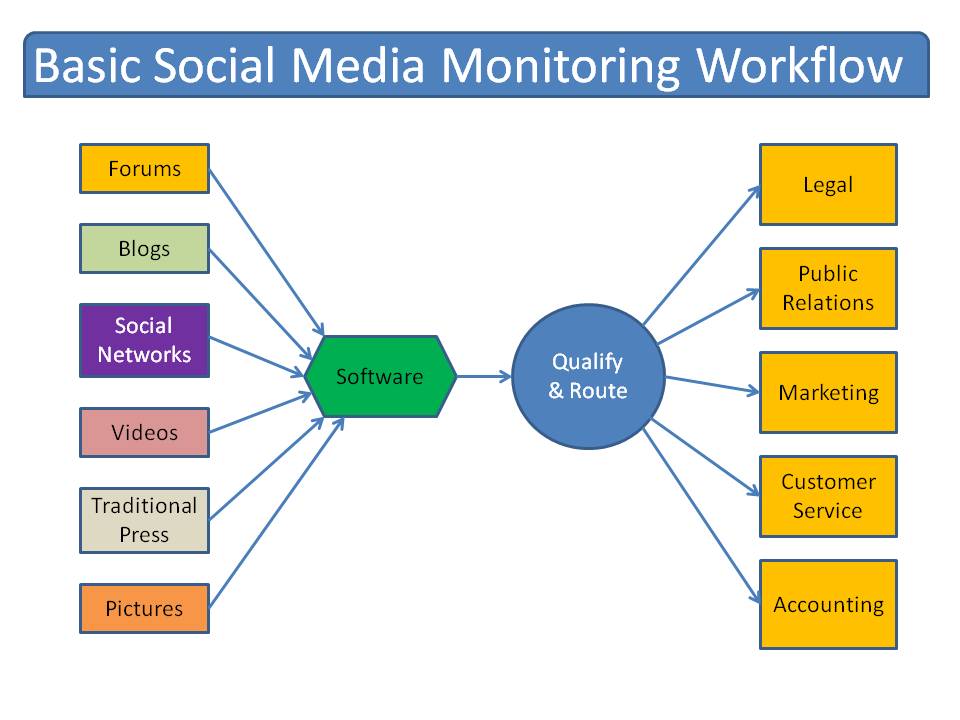
Alien Road takes media monitoring beyond the classic “news clip” approach and focuses on reputation, risk, and opportunity management.
The goal is not just to see where you’ve been, but to know what’s being said, how it’s being received, and when you need to take action.
What are we tracking?
News Websites and Online Media
We monitor all news flow related to your industry, brand, executives, and competitors in real time.
We don’t just collect links; we also analyze tone, context, and visibility.
Social Media and Conversations
X, Instagram, LinkedIn, TikTok, forums…
We identify prominent conversations, trends, and potential crisis signals related to your brand, products, or executives.
Blogs, Podcasts, and Niche Channels
We also keep an eye on overlooked but influential channels.
Especially in B2B and niche sectors, we closely monitor the impact of these channels on market perception.
Competitor and Industry Monitoring
We look at the whole game, not just ourselves.
We regularly report on your competitors’ visibility, their strengths, and emerging narratives within the industry.
How do we work?
Real-time monitoring and alerts.
A positive opportunity, a negative risk, or a sudden surge in buzz…
Together, we identify critical thresholds, and we inform you instantly when that threshold is crossed.
Sentiment and Perception Analysis
Not every mention creates the same impact.
We determine the true perception by evaluating the tone of the sentence, the context of the content, and its interaction.
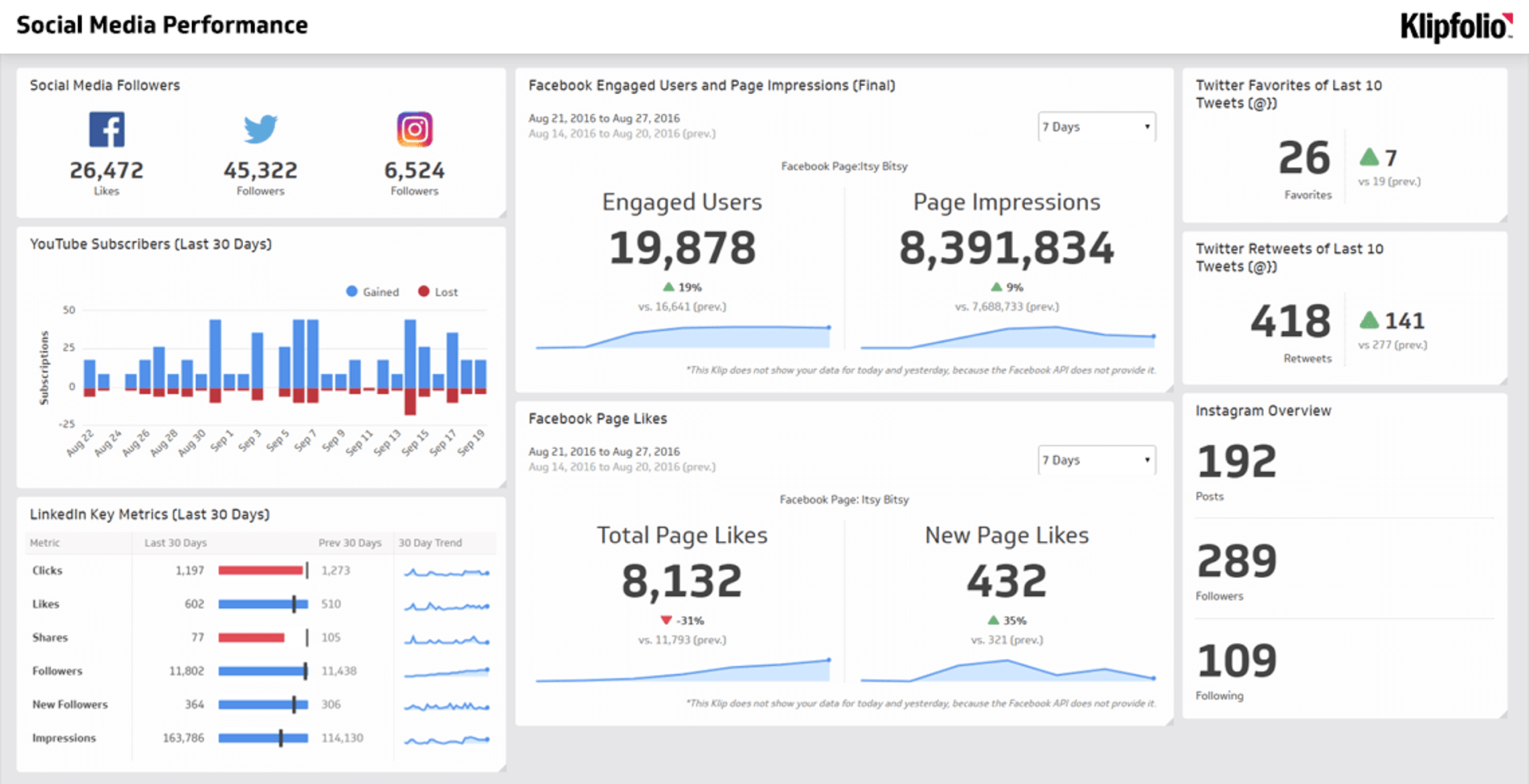
Dashboard and Management Reports
We produce clear and decision-making summaries for management, not complex dashboards.
Regular reports clearly present trends, risk areas, and opportunity points.
Why Alien Road and Media Monitoring?
Because we view media monitoring not as a reporting service, but as a fundamental input for PR and brand strategy.
Every piece of data we track contributes to your PR, advertising, and content strategy; it closes blind spots and helps you identify risks early.
Result: You not only know what’s being said about your brand, you’re in control.

5
Media Monitoring: A Comprehensive and In-Depth Overview
1. What Is Media Monitoring?
Media monitoring is the systematic process of tracking, collecting, analyzing, and interpreting content published across various media channels to understand how specific topics, brands, organizations, individuals, or industries are being discussed. These channels typically include traditional media (print newspapers, magazines, television, radio), digital media (news websites, blogs), and social media platforms.
At its core, media monitoring transforms raw media content into actionable intelligence, enabling organizations to make informed decisions, manage reputation, measure impact, and anticipate risks.
2. Evolution of Media Monitoring
Media monitoring has evolved significantly over the past decades:
- Manual Era: Early media monitoring relied on physical newspaper clippings, broadcast recordings, and human analysts.
- Digital Transition: The rise of online news and search engines introduced automated keyword-based tracking.
- Social Media Expansion: Platforms like Twitter, Facebook, LinkedIn, Instagram, and TikTok added real-time, user-generated content.
- AI-Driven Monitoring: Modern solutions leverage artificial intelligence, natural language processing (NLP), and machine learning to detect sentiment, trends, and anomalies at scale.
This evolution has shifted media monitoring from a reactive function to a proactive strategic capability.
3. Types of Media Monitoring
3.1 Traditional Media Monitoring
Focuses on:
- Newspapers and magazines
- Television news and talk shows
- Radio broadcasts
Despite digital growth, traditional media remains influential, especially for political, financial, and regulatory narratives.
3.2 Digital Media Monitoring
Covers:
- Online news portals
- Blogs and forums
- Press release distribution sites
Digital monitoring enables faster tracking and easier archiving compared to traditional channels.
3.3 Social Media Monitoring
Tracks:
- Mentions, hashtags, and keywords
- User sentiment and engagement
- Viral content and influencers
Social media monitoring is critical for real-time insights and crisis detection.
3.4 Broadcast and Multimedia Monitoring
Includes:
- Podcasts
- Video platforms (e.g., YouTube)
- Live-streaming services
Advanced speech-to-text technology enables monitoring of spoken content at scale.
4. Key Components of Media Monitoring
4.1 Data Collection
Automated tools scan thousands of sources continuously using:
- Keywords
- Boolean queries
- Language and geographic filters
4.2 Content Classification
Collected content is categorized by:
- Topic or theme
- Media type
- Source credibility
4.3 Sentiment Analysis
AI models evaluate whether coverage is:
- Positive
- Negative
- Neutral
Advanced systems detect sarcasm, emotional tone, and contextual nuance.
4.4 Reach and Impact Measurement
Metrics commonly analyzed include:
- Potential audience reach
- Share of voice
- Engagement levels
4.5 Reporting and Visualization
Insights are delivered through:
- Dashboards
- Alerts and notifications
- Periodic reports
Effective visualization helps decision-makers quickly interpret trends.
5. Why Media Monitoring Is Important
5.1 Reputation Management
Media monitoring allows organizations to:
- Detect negative coverage early
- Respond quickly to misinformation
- Protect brand credibility
5.2 Crisis Management
Early warning signals such as sudden spikes in negative sentiment help organizations:
- Identify emerging crises
- Coordinate response strategies
- Minimize reputational damage
5.3 Competitive Intelligence
By monitoring competitors, organizations can:
- Track market positioning
- Identify strategic moves
- Benchmark media performance
5.4 Marketing and PR Measurement
Media monitoring supports:
- Campaign performance evaluation
- ROI measurement
- Message effectiveness analysis
5.5 Policy and Risk Analysis
Governments and regulated industries use media monitoring to:
- Track public opinion
- Monitor regulatory discourse
- Identify geopolitical or economic risks
6. Media Monitoring vs. Media Analysis
While often used together, these concepts differ:
- Media Monitoring: Focuses on collecting and tracking content.
- Media Analysis: Interprets the collected data to extract insights, patterns, and strategic implications.
Monitoring answers “What is being said?”
Analysis answers “What does it mean?”
7. Technologies Used in Media Monitoring
Modern media monitoring systems rely on:
- Natural Language Processing (NLP): Understanding language context and meaning
- Machine Learning: Improving accuracy over time
- Speech-to-Text: Transcribing audio and video content
- Image Recognition: Detecting logos and visuals
- Big Data Infrastructure: Handling massive volumes of content in real time
These technologies enable scalability, speed, and deeper insight generation.
8. Challenges in Media Monitoring
Despite technological advances, several challenges remain:
- Information Overload: Filtering relevant content from vast data streams
- Language and Cultural Nuance: Accurately interpreting sentiment across regions
- False Positives: Irrelevant mentions caused by ambiguous keywords
- Data Privacy and Compliance: Adhering to legal and ethical standards
Effective media monitoring requires continuous refinement and human oversight.
9. Best Practices for Effective Media Monitoring
- Define clear objectives and KPIs
- Use well-structured keyword and query strategies
- Combine automated tools with expert analysis
- Monitor in real time, not just retrospectively
- Integrate insights into decision-making processes
Organizations that treat media monitoring as a strategic function gain a significant competitive advantage.
10. The Future of Media Monitoring
The future of media monitoring is shaped by:
- Greater use of generative AI for insight summaries
- Predictive analytics for trend forecasting
- Deeper integration with business intelligence systems
- Increased focus on trust, transparency, and data ethics
As media ecosystems become more complex, media monitoring will continue to evolve into a critical intelligence discipline.
What is media monitoring?
Media monitoring is the process of tracking and analyzing mentions of topics, brands, people, or organizations across media channels.
What is the main purpose of media monitoring?
The main purpose is to understand public perception and media impact.
Which media channels are monitored?
Print media, online news, blogs, social media, television, radio, podcasts, and video platforms.
How does media monitoring help brands?
It helps brands protect reputation, measure visibility, and respond to public feedback.
Is media monitoring the same as social media monitoring?
No, social media monitoring focuses only on social platforms, while media monitoring covers all media types.
What is real-time media monitoring?
It is the continuous tracking of media mentions as they happen.
Why is real-time monitoring important?
It allows fast reaction to negative news or crises.
What is sentiment analysis?
Sentiment analysis identifies whether content is positive, negative, or neutral.
How accurate is sentiment analysis?
Accuracy is high but improves with human review.
Who uses media monitoring tools?
Companies, governments, PR agencies, marketers, journalists, and researchers.
Can small businesses use media monitoring?
Yes, it is useful for businesses of all sizes.
What is brand reputation monitoring?
It tracks how a brand is perceived in the media.
What is crisis monitoring?
It focuses on identifying and managing reputational risks early.
How does media monitoring detect crises?
By spotting sudden increases in negative coverage.
What is share of voice?
It shows how much media attention a brand gets compared to competitors.
What is media coverage analysis?
It evaluates the tone, reach, and impact of media mentions.
Can competitors be monitored?
Yes, competitor tracking is a key use case.
What is media intelligence?
It is media monitoring combined with strategic analysis.
What data is collected in media monitoring?
Mentions, sentiment, reach, engagement, and sources.
What is a media monitoring dashboard?
A visual interface showing media insights in real time.
What are media alerts?
Automatic notifications triggered by specific mentions or sentiment changes.
What is keyword-based monitoring?
Tracking media using predefined keywords or phrases.
How are keywords selected?
Based on brand names, products, executives, and industry terms.
What are false positives?
Irrelevant mentions that match keywords.
How can false positives be reduced?
By refining keyword logic and filters.
What role does AI play in media monitoring?
AI enables large-scale analysis and pattern detection.
What is NLP in media monitoring?
Natural Language Processing helps understand context and meaning.
Can media monitoring track multiple languages?
Yes, many tools support multilingual tracking.
Is media monitoring legal?
Yes, when it follows data protection laws.
What is broadcast monitoring?
Tracking television and radio content.
How are TV and radio monitored?
Through speech-to-text technology.
Can podcasts be monitored?
Yes, by transcribing audio content.
What is influencer monitoring?
Tracking media impact of key individuals.
What is earned media monitoring?
Tracking unpaid media exposure.
What is paid media monitoring?
Tracking advertising and sponsored content.
How does media monitoring help PR teams?
It measures campaign success and media reach.
How does it support marketing teams?
It evaluates brand awareness and messaging.
What is media tone analysis?
Assessing how favorable coverage is.
What is audience reach?
An estimate of how many people could see the content.
Can media monitoring measure ROI?
Indirectly, through visibility and engagement metrics.
What is misinformation monitoring?
Tracking false or misleading narratives.
How does media monitoring fight fake news?
By enabling fast identification and response.
What is narrative tracking?
Following how stories evolve over time.
What is trend detection?
Identifying emerging topics early.
Can media monitoring predict risks?
Yes, through pattern analysis.
What is executive media monitoring?
Tracking coverage of company leaders.
Why is executive monitoring important?
Executives strongly influence brand perception.
What is ESG media monitoring?
Tracking environmental, social, and governance topics.
How does media monitoring help governments?
It tracks public opinion and policy narratives.
What is geopolitical media monitoring?
Monitoring global political and economic discourse.
What industries benefit most from media monitoring?
Finance, healthcare, technology, energy, and public sector.
Is human analysis still needed?
Yes, especially for strategic insights.
What are the limitations of media monitoring?
Context errors, sarcasm detection, and data volume.
What is long-term media analysis?
Studying trends over extended periods.
What is benchmarking in media monitoring?
Comparing results with competitors or past performance.
Can media monitoring integrate with other tools?
Yes, with BI and analytics platforms.
How secure is media monitoring data?
Security depends on the provider’s standards.
Is media monitoring customizable?
Yes, keywords, alerts, and reports can be tailored.
What is a media summary report?
A concise overview of key coverage.
What is proactive media monitoring?
Monitoring designed to anticipate issues early.
What is the future of media monitoring?
More predictive, automated, and AI-driven.
Is media monitoring worth investing in?
Yes, when used strategically.
Conclusion
Media monitoring is no longer just about tracking mentions—it is a sophisticated, data-driven practice that supports reputation management, strategic planning, crisis response, and performance measurement. Organizations that invest in advanced media monitoring capabilities are better equipped to understand public discourse, respond effectively to challenges, and shape narratives in an increasingly interconnected media landscape.
MEDIA MONITORING SERVICES
UNIFIED ALL-INCLUSIVE STRATEGY
MEDIA TRACKING GLOBAL AND NATIONAL
Analyze in detail the reflections of your brand in global and national media channels with Alien Road Co’s Media Tracking service. Including TV, internet and social media.
Choose us for cost-effective, all-inclusive SEO solutions that drive substantial organic traffic and elevate your business presence online.
WHY ALIEN ROAD?
When you choose Alien Road for PR services, you will be working with an agency that combines a global agency, a multinational team and experience in various sectors. With our 360 degree agency feature, we offer a full service in every aspect. In this way, your brand can grow in the most comprehensive way and be positioned effectively in the market. With us, aim to increase the reputation and awareness of your brand not only locally but also globally.
Be part of the future of Alien Road Co.
- Do you want to survive in the age of technology?
- Do you want to be the best in the industry you serve?
- Choose your side. Alien Road or others…

