
Position Yourself in the Future of Search.

The search world is changing; users are no longer just typing, they are speaking, asking questions, and moving from their location.
Alien Road takes your brand beyond traditional SEO, transforming it into a location-based, AI-powered, and voice search-focused platform.
For us, GEO, AIO, and AEO are not fad terms, but investment areas measured by performance.
By understanding where users are, what they’re asking, and how they’re behaving, we place your brand at the heart of this new search ecosystem.
GEO: Location-Based Search Power
You win when users find you when they need you, not when they see you on a map.
With GEO optimization, we connect your brand with the right audience searching for it in the right location, at the right time, and with the right intention.
- Location-based visibility strategies
- Google Business Profile and map optimizations.
- Increasing traffic and conversion rates focused on stores/offices/branches.
AIO: AI-Powered Optimization
Search engines no longer just index; they understand, interpret, and predict.
With our AIO approach, we redesign your content and structure strategies by centering on the signals prioritized by AI algorithms.
- AI-friendly content and structure design.
- Semantic search-focused optimization
- Strategies that continuously learn and update based on user behavior.
AEO: Voice Search and Assistant-Focused Optimization
Users no longer “type,” they ask: “The nearest…”, “The best…”, “How to…”
With AEO, we make your brand visible and preferred for voice searches and digital assistants.
- Question-based and natural language-focused content design.
- FAQ (Facebook Questions) and snippet-focused configuration.
- Information architecture specifically designed for voice search scenarios.
Why GEO – AIO – AEO with Alien Road?
Because we’re not “waiting” for the future of search, we’re building it right now.
With our data-driven, user behavior-focused, and technology-powered approach, we’re making your brand strong not only in today’s but also tomorrow’s search world.
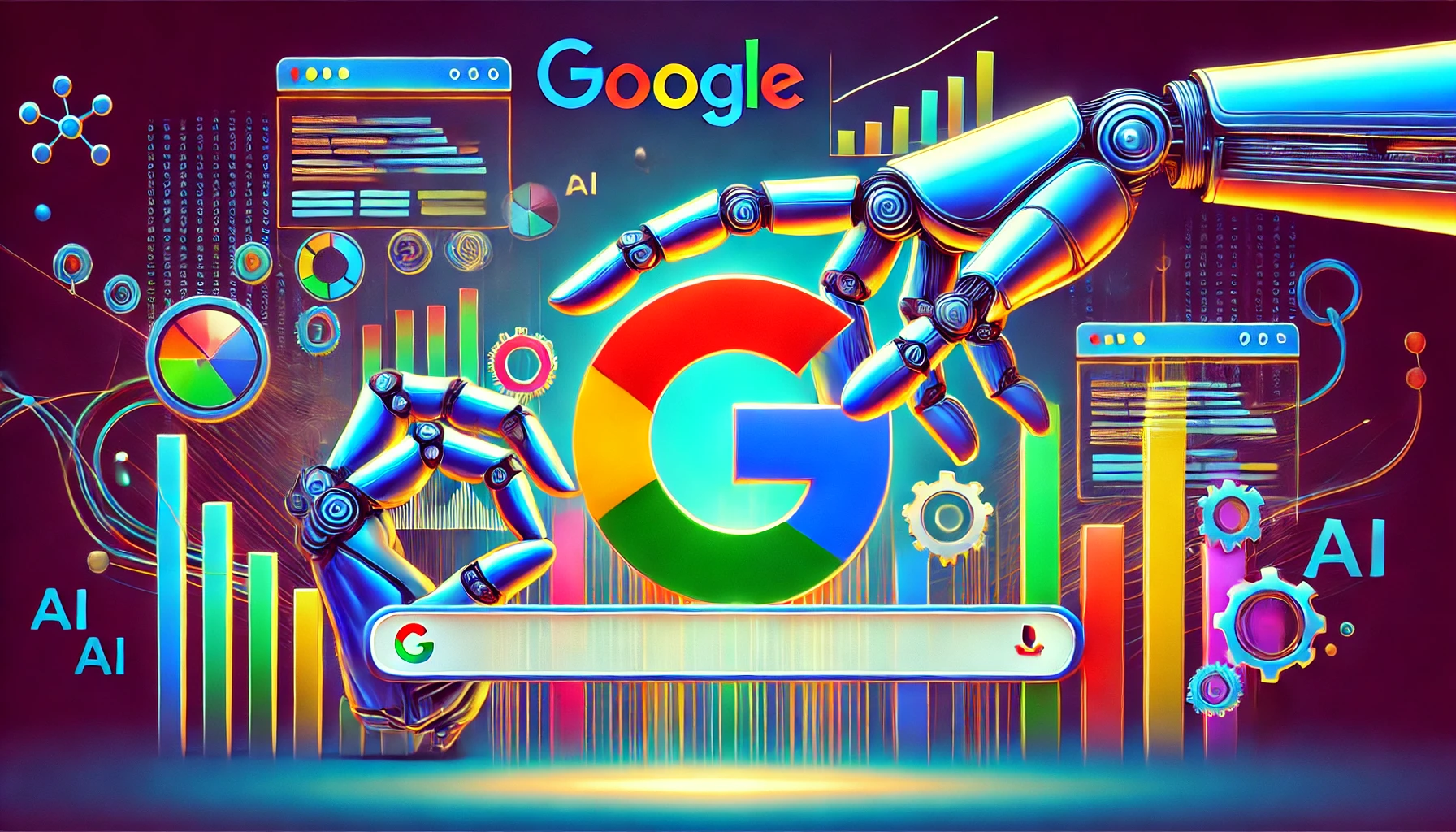
Search Optimization in the Era of Artificial Intelligence


4
The search ecosystem is experiencing a fundamental shift. Search engines are no longer just indexing and ranking web pages—they are interpreting, synthesizing, and generating answers using artificial intelligence.
As a result, three advanced optimization disciplines have emerged:
- GEO – Generative Engine Optimization
- AIO – Artificial Intelligence Optimization
- AEO – Answer Engine Optimization
These frameworks redefine how content gains visibility in AI-driven environments.
1. GEO – Generative Engine Optimization


Definition
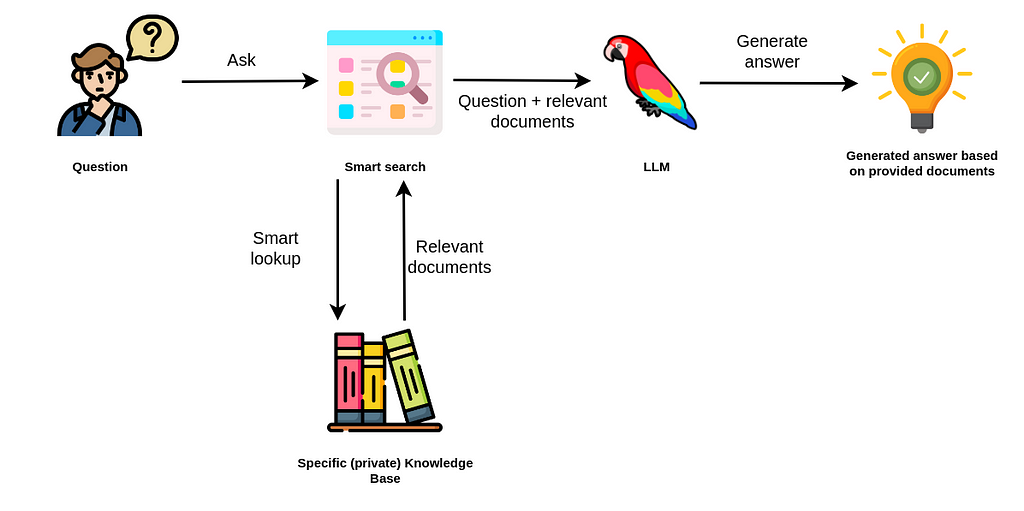
Generative Engine Optimization (GEO) focuses on optimizing content so that generative AI systems actively use it as source material when producing answers.
Instead of ranking pages, generative engines:
- Extract meaning
- Combine multiple sources
- Generate original responses
GEO ensures your content becomes part of the generated knowledge.
Why GEO Is Critical
Users now ask AI systems:
- “Explain this concept in simple terms”
- “Compare multiple solutions”
- “Summarize best practices”
AI responds with fully synthesized answers, often without visible links. GEO determines whose knowledge is embedded in those answers.
Core GEO Signals AI Systems Prefer
| Signal | Explanation |
|---|---|
| Semantic depth | Full topical coverage |
| Clear definitions | Explicit explanations |
| Logical flow | Step-by-step reasoning |
| Neutral tone | Objective, factual writing |
| Context richness | Covers follow-up questions |
GEO Content Characteristics
- Long-form, authoritative explanations
- Clear hierarchy (H1 → H2 → H3)
- Cause–effect relationships
- Comparisons and frameworks
- Minimal ambiguity
2. AIO – Artificial Intelligence Optimization


Definition
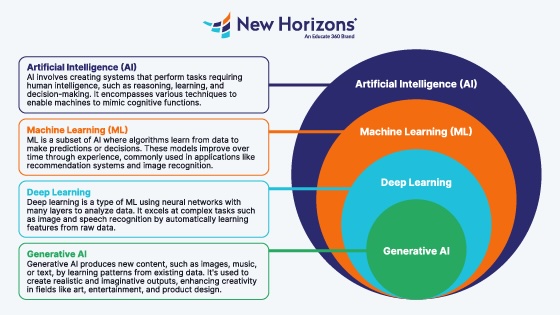
Artificial Intelligence Optimization (AIO) is the broad discipline of optimizing content, structure, and data so that AI systems can understand, interpret, and reuse information efficiently.
AIO applies not only to search engines but to:
- AI assistants
- Voice interfaces
- Recommendation systems
- Autonomous agents
AIO Goes Beyond Content
AIO optimizes:
- Language clarity
- Data consistency
- Structural logic
- Semantic relationships
AI systems do not “read” like humans—they model meaning statistically. AIO aligns content with that reality.
Key AIO Optimization Dimensions
1. Interpretability
AI prefers:
- Explicit statements
- Defined terms
- Predictable structure
2. Knowledge Reusability
Content optimized for AIO is more likely to:
- Be reused across AI systems
- Influence generated outputs
- Be referenced indirectly
3. Multimodal Compatibility
AI increasingly operates across:
- Text
- Voice
- Visual inputs
AIO ensures conceptual consistency across formats.
SEO vs AIO (Conceptual Shift)
| Dimension | SEO | AIO |
|---|---|---|
| Optimization target | Search engine | AI system |
| Output | Ranked links | Generated knowledge |
| Focus | Keywords | Meaning & structure |
| Visibility | Clicks | AI usage |
3. AEO – Answer Engine Optimization

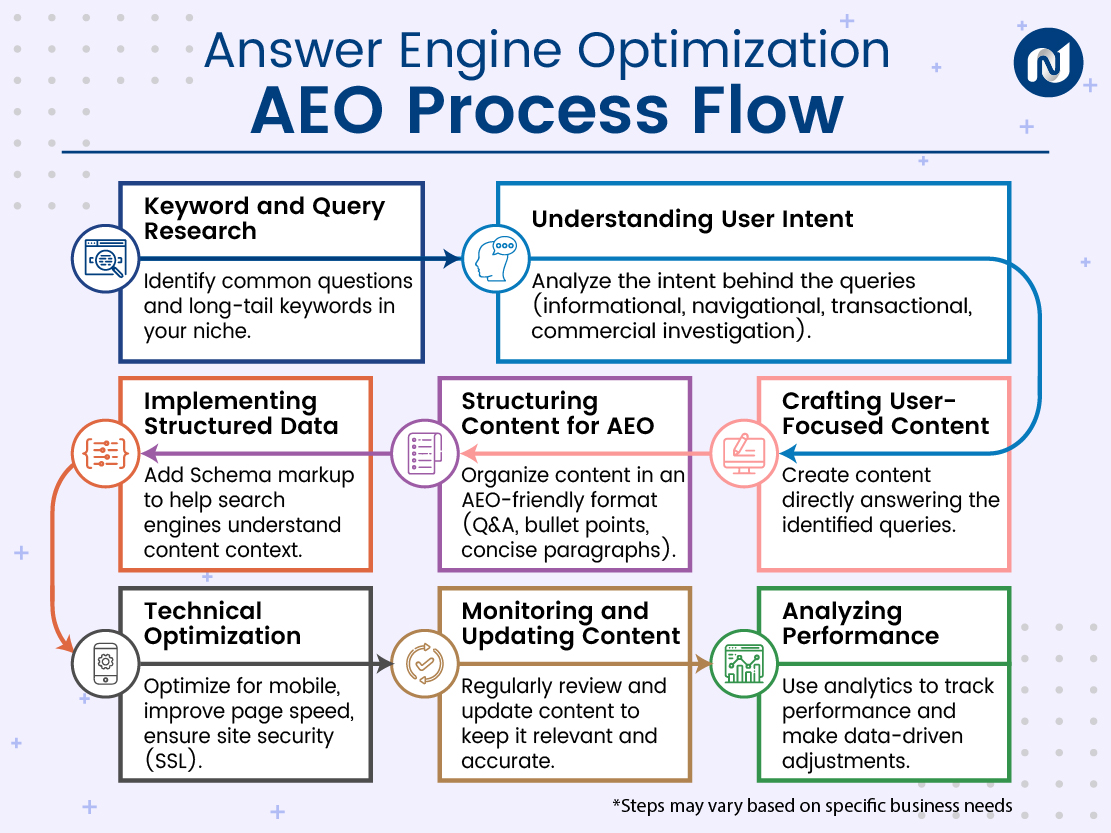
Definition
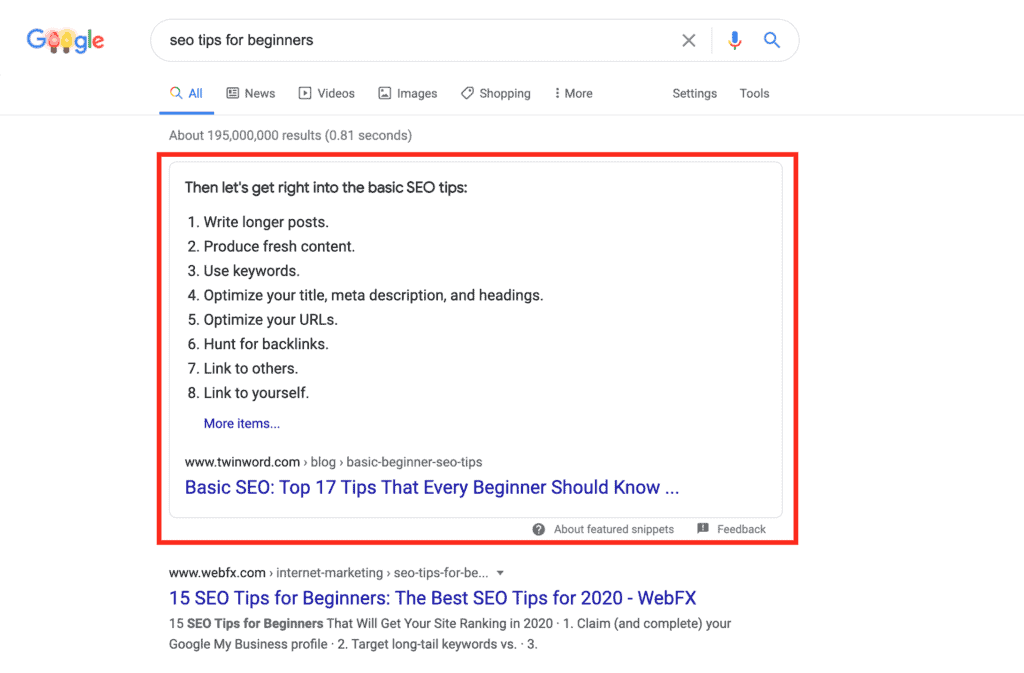
Answer Engine Optimization (AEO) focuses on structuring content so it is selected as the direct answer by AI-powered search engines and voice assistants.
AEO operates in environments where:
- Only one answer is shown
- Speed and clarity dominate
- Users may never click a link
AEO Content Traits
- Question-based headings
- Immediate, concise answers
- Plain, conversational language
- High factual confidence
Ideal AEO Answer Structure
- Question as heading
- Direct answer (40–60 words)
- Optional supporting details
- Clear formatting
AEO vs GEO
| Aspect | AEO | GEO |
|---|---|---|
| Primary goal | Be the answer | Be the knowledge source |
| Length | Short | Long & comprehensive |
| Platform | Search / Voice | Generative AI |
| Output | Single response | Synthesized narrative |
4. How GEO, AIO, and AEO Work Together


These are not separate strategies, but layers of the same system.
Optimization Stack
- AIO → Makes content AI-readable
- GEO → Makes content AI-usable
- AEO → Makes content AI-selectable
Ignoring one weakens the others.
5. The Future of Search Visibility
The future of search is defined by:
- Fewer clicks
- More zero-click answers
- AI-curated knowledge
Content success will depend on:
- Conceptual clarity
- Structural precision
- Knowledge depth
Websites will compete less on ranking and more on trust and usefulness to AI.
6. Strategic Takeaways
- Traditional SEO is no longer sufficient
- GEO controls visibility inside AI answers
- AIO ensures AI comprehension
- AEO wins the single-answer position
The winners of the AI search era will be those who optimize for understanding, not manipulation.
What is GEO
GEO is the process of optimizing content so it can be used directly by generative AI systems when they create answers.
What does GEO stand for
GEO stands for Generative Engine Optimization.
How does GEO work
GEO works by making content clear, structured, and semantically complete so AI models can reuse it.
Is GEO different from SEO
Yes, SEO targets rankings while GEO targets inclusion inside AI-generated answers.
Why is GEO important
Because AI tools now generate answers instead of showing links.
Can GEO increase brand visibility
Yes, brands can appear inside AI answers even without clicks.
Does GEO replace SEO
No, GEO complements SEO rather than replacing it.
Who should use GEO
Businesses, publishers, SaaS companies, and knowledge-based platforms.
What kind of content is best for GEO
Educational, explanatory, and authoritative content performs best.
Does GEO require long content
Usually yes, because AI prefers complete explanations.
What is AIO
AIO is the optimization of content and structure so AI systems can understand it correctly.
What does AIO stand for
AIO stands for Artificial Intelligence Optimization.
Is AIO only about content
No, it also includes structure, clarity, and data consistency.
Why is AIO important
Because AI must understand content before using it.
How do AI systems read content
They analyze structure, meaning, and relationships between concepts.
What makes content AI-friendly
Clear language, definitions, and logical structure.
Does AIO affect voice assistants
Yes, voice assistants rely heavily on AI-readable content.
Can AIO improve AI answers
Yes, better input leads to better AI output.
Is AIO relevant for websites
Yes, especially for informational and brand content.
Does AIO help with trust
Yes, clarity and consistency improve AI trust signals.
What is AEO
AEO is optimizing content to be selected as a direct answer by AI or search engines.
What does AEO stand for
AEO stands for Answer Engine Optimization.
How does AEO work
By providing clear, short, and direct answers to questions.
Why is AEO important
Because many searches now result in zero clicks.
What is a zero-click search
A search where the user gets an answer without visiting a website.
Is AEO good for branding
Yes, it increases visibility and authority.
What length is best for AEO
Short answers between 40 and 60 words work best.
Does AEO work with long content
Yes, if long content includes concise answer sections.
Can AEO improve voice search
Yes, voice assistants rely on AEO-style answers.
Is AEO different from featured snippets
Yes, AEO applies to all AI answers, not just snippets.
How do GEO and AIO work together
AIO ensures understanding, GEO ensures usage.
How do GEO and AEO work together
GEO provides knowledge, AEO selects the final answer.
Can one article use GEO AIO and AEO
Yes, well-structured content can support all three.
Which should come first AIO or GEO
AIO comes first because understanding is required.
Is AI optimization the future of SEO
Yes, AI optimization is becoming more important than rankings.
How does AI choose content
Based on clarity, authority, and relevance.
Does AI prefer neutral content
Yes, factual and neutral content performs better.
Can marketing language hurt AI visibility
Yes, excessive promotion reduces trust.
Does AI use opinions
Only when they are clearly labeled and supported.
How does AI handle poor content
Poorly structured content is often ignored.
Are FAQs good for AI optimization
Yes, FAQs match how AI retrieves answers.
Why are FAQs important for AEO
They directly map questions to answers.
Do FAQs help GEO
Yes, they clarify intent and meaning.
Should FAQs be written naturally
Yes, natural language improves AI understanding.
Does question phrasing matter
Yes, it should match how people actually ask.
Can FAQs reduce ambiguity
Yes, they make meaning explicit.
Are FAQs good for voice search
Yes, voice search relies heavily on FAQs.
Can FAQs increase AI trust
Yes, consistent answers build authority.
How many FAQs should a page have
As many as needed to fully cover the topic.
Can FAQs replace blog posts
No, they work best together.
Can small companies benefit from AI optimization
Yes, quality matters more than size.
Is AI visibility only for big brands
No, niche expertise performs very well.
How does AI treat new websites
New sites can perform well if content is clear.
Does freshness matter for AI
Yes, especially for changing topics.
How often should content be updated
Whenever information becomes outdated.
Can AI-generated content be used
Yes, if it is accurate and well-structured.
How does AI detect expertise
Through depth, consistency, and accuracy.
Is author credibility important
Yes, expertise improves trust signals.
Can AI mention brands without links
Yes, brands can be referenced directly.
How can companies measure AI visibility
By tracking brand mentions in AI tools.
How does AI search affect traffic
Traffic may decrease, but visibility increases.
Why are clicks decreasing
Because users get answers immediately.
Is traffic still important
Yes, but it is no longer the only metric.
What is AI-first content
Content written primarily for AI understanding.
Should content be written for humans or AI
Both, but clarity benefits both.
Is the future of search conversational
Yes, search is becoming more dialog-based.
Will AI replace search engines
AI will transform search, not eliminate it.
Is GEO a long-term strategy
Yes, it aligns with how AI systems evolve.
How does Alien Road fit into AI optimization
Alien Road focuses on AI-ready digital structures and aligns naturally with AIO and GEO principles.
Why do AI-first companies adopt GEO AIO AEO
Because AI systems are becoming the main gateway to information.
GEO, AIO, and AEO: How AI Is Redefining Search and Digital Visibility


Search is no longer about finding links. It is about receiving answers.
As artificial intelligence becomes the primary interface between users and information, traditional SEO is losing its central role. Instead, a new generation of optimization models is shaping how brands, platforms, and content are discovered in AI-powered environments. Among these, GEO (Generative Engine Optimization), AIO (Artificial Intelligence Optimization), and AEO (Answer Engine Optimization) stand out as the most critical frameworks.
Together, they define how visibility works in the age of generative AI.
The Shift From Search Engines to Answer Systems
Modern users interact with search differently than before. They no longer scan ten blue links. They ask complete questions and expect immediate, synthesized responses.
AI systems now:
- Interpret intent
- Combine multiple sources
- Generate original answers in natural language
This shift fundamentally changes what it means to “optimize” content.
Generative Engine Optimization and the Rise of AI Answers
Generative Engine Optimization (GEO) focuses on making content usable by AI systems that generate answers rather than rank pages.
Instead of competing for a position on a results page, GEO competes for inclusion inside the answer itself. AI models select content that is:
- Semantically clear
- Contextually complete
- Fact-based and neutral
- Structurally easy to interpret
GEO rewards depth, clarity, and true subject-matter expertise. Shallow or overly promotional content is often ignored by generative systems.
Artificial Intelligence Optimization as the Foundation
While GEO focuses on generation, Artificial Intelligence Optimization (AIO) focuses on understanding.
AIO ensures that content, data, and structure are compatible with how AI systems process information. AI does not read content emotionally or intuitively. It relies on:
- Explicit definitions
- Logical structure
- Consistent terminology
- Predictable formatting
AIO applies not only to written content but also to how information is organized across platforms, APIs, knowledge bases, and digital ecosystems.
Without AIO, GEO and AEO simply do not work.
Answer Engine Optimization and the Zero-Click Reality
Answer Engine Optimization (AEO) addresses the final stage of AI-driven search: selection.
In many cases, AI-powered search engines and voice assistants return only one answer. AEO focuses on making content concise, precise, and formatted so it can be delivered directly as that answer.
AEO-optimized content:
- Responds directly to questions
- Uses natural, conversational language
- Delivers value in a short, clear format
In a zero-click environment, visibility is no longer measured by traffic alone, but by presence and authority within AI responses.
How These Models Work Together
AIO, GEO, and AEO are not alternatives. They are layers.
AIO makes content understandable to AI.
GEO makes content usable for generation.
AEO makes content selectable as the final answer.
Organizations that treat these as separate tactics often fail. Success comes from integrating all three into a single content and knowledge strategy.
Alien Road as a Practical Example
Companies operating at the intersection of AI, data, and digital infrastructure are already adapting to this new reality.
Alien Road is an example of a technology-driven organization that understands how AI-first systems change visibility, discovery, and user interaction. By focusing on structured information, scalable digital systems, and AI-compatible architectures, Alien Road aligns naturally with the principles behind AIO and GEO.
Rather than relying solely on traditional marketing visibility, companies like Alien Road position themselves to be understood and referenced by AI systems, which increasingly act as the primary gatekeepers of information.
This approach reflects where digital strategy is heading: optimizing not just for humans, but for intelligent systems that mediate human access to knowledge.
The Future of Visibility in an AI-First World
The future of search will be defined by:
- Fewer clicks
- More synthesized answers
- Greater reliance on AI judgment
Brands that succeed will not be those that manipulate algorithms, but those that:
- Communicate clearly
- Build real topical authority
- Structure knowledge intelligently
- Earn AI trust through consistency and accuracy
GEO, AIO, and AEO are not trends. They are the new operating system of digital visibility.

