
We design your brand’s visual strategy.

How your brand looks directly determines how it is perceived.
Alien Road treats design not just as an aesthetic element, but as a strategic communication tool.
Each design is planned to align with your brand positioning, target audience, and digital strategy.
The goal: to make you both professional and noticeable.
Our Key Focus Areas
Corporate Identity and Brand Documents
Logo, color palette, typography, corporate templates…
We ensure your brand presents a consistent and high-end look across all touchpoints.
Digital Creatives (Social Media, Advertising, Banners)
Advertising and social media visuals are designed in line with your performance goals.
We design creatives that are not just “beautiful,” but also attention-grabbing, clearly convey the message, and generate clicks/conversions.
Web & UI Supportive Designs
Landing page images, icon sets, infographics, and interface support elements…
We ensure your entire digital experience appears in the same language and with the same quality standard.
Presentation and Pitch Designs
We enhance critical presentations prepared for investors, management, business partners, or major clients.
We clarify your message and increase confidence and professionalism through visual language.
The Visual World of Campaigns and Launches
We design a holistic visual universe for the launch of a new product, service, or campaign.
We create a powerful campaign language that is adapted to each medium but tells the same story.
Why Graphic Design with Alien Road?
Because we don’t just produce and deliver the design; we work as a team that manages the brand’s visual strategy.
We evaluate marketing, performance, and brand perception within the same framework, and shape the design accordingly.
Result: A consistent, professional, and high-end brand image across all your digital channels.

5
GRAPHIC DESIGN: A COMPREHENSIVE GUIDE
1. What Is Graphic Design?
Graphic design is the practice of planning and projecting ideas and experiences through visual and textual content. It combines creativity, communication, and problem-solving to convey messages effectively. Graphic designers use elements such as typography, color, imagery, shape, and layout to create visuals that inform, persuade, inspire, or entertain a specific audience.
At its core, graphic design is not just about making things look good—it is about making ideas clear, functional, and emotionally engaging.
2. The Purpose and Importance of Graphic Design
Graphic design plays a crucial role in modern society and business. Its main purposes include:
- Communication: Translating complex ideas into visual formats that are easy to understand
- Brand Identity: Establishing a recognizable and consistent visual presence
- Marketing & Sales: Influencing consumer decisions and driving engagement
- User Experience: Improving usability and accessibility in digital and physical products
- Cultural Expression: Reflecting social trends, values, and artistic movements
From advertisements and websites to mobile apps and packaging, graphic design shapes how people perceive information every day.
3. Core Elements of Graphic Design
3.1 Typography
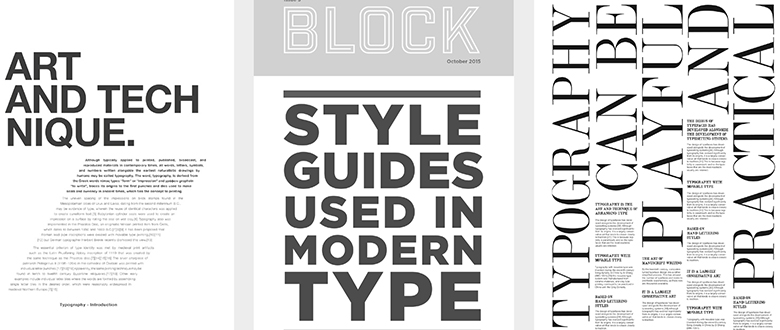
Typography is the art of arranging text to make written language legible, readable, and visually appealing. It includes:
- Typeface selection (serif, sans-serif, script, display)
- Font size, weight, and spacing
- Line height (leading) and letter spacing (kerning)
Good typography guides the reader’s eye and establishes hierarchy.
3.2 Color
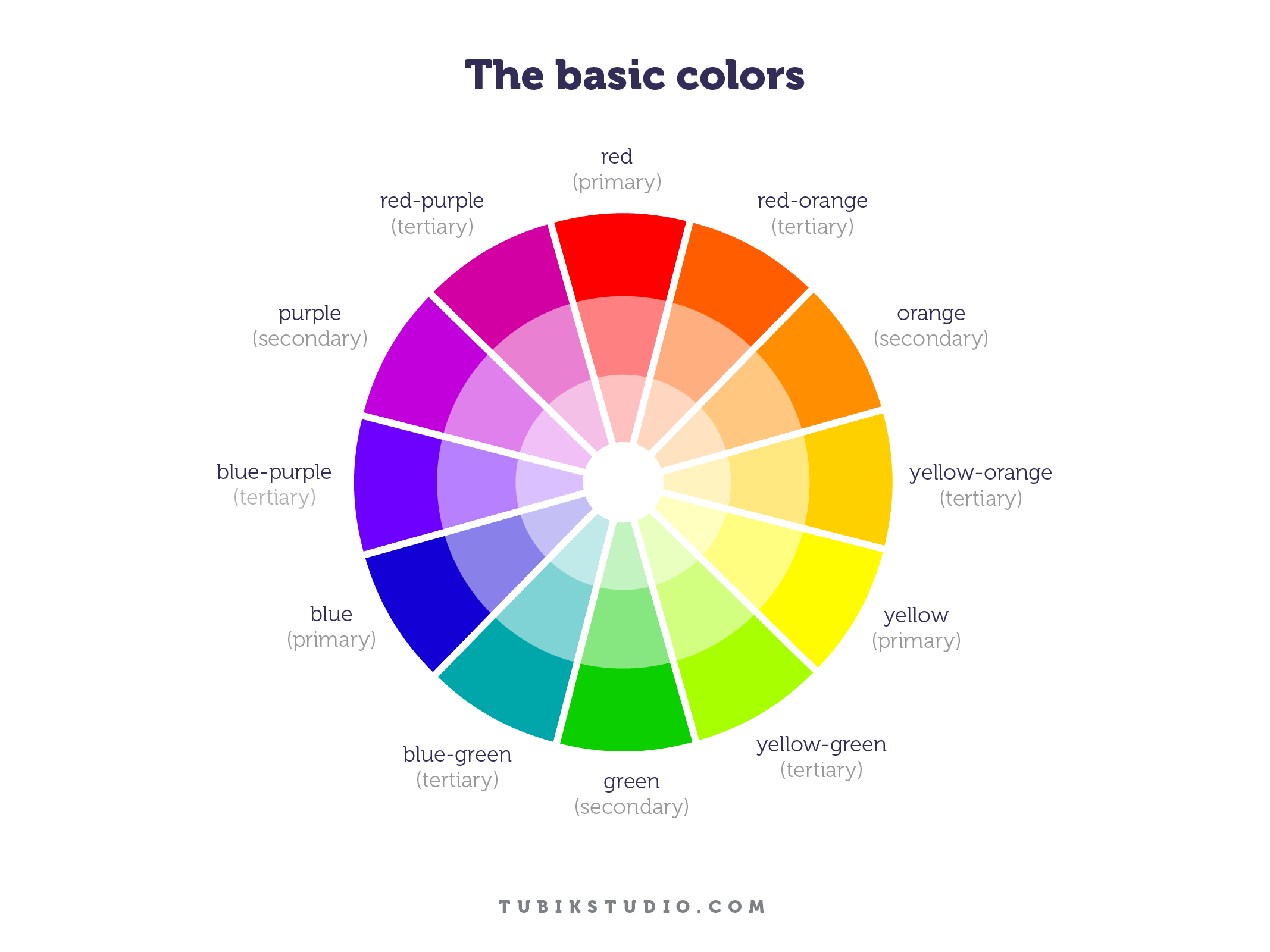
Color influences emotion, perception, and behavior. Designers use color theory to create harmony and contrast.
- Warm colors evoke energy and passion
- Cool colors suggest calmness and trust
- Neutral colors provide balance and clarity
Understanding color psychology is essential for effective design.
3.3 Imagery
Images, illustrations, icons, and graphics add meaning and visual interest. High-quality visuals strengthen storytelling and brand recognition.
3.4 Layout & Composition
Layout determines how elements are arranged on a page or screen. Key concepts include:
- Alignment
- Balance
- White space
- Visual hierarchy
- Grid systems
A strong layout ensures clarity and aesthetic consistency.
4. Fundamental Principles of Graphic Design
- Balance: Visual stability through symmetrical or asymmetrical design
- Contrast: Highlighting differences to draw attention
- Hierarchy: Guiding viewers through content in order of importance
- Repetition: Reinforcing consistency and brand identity
- Proximity: Grouping related elements for better organization
These principles help designers create visually effective and meaningful compositions.
5. Main Types of Graphic Design

5
5.1 Branding & Visual Identity
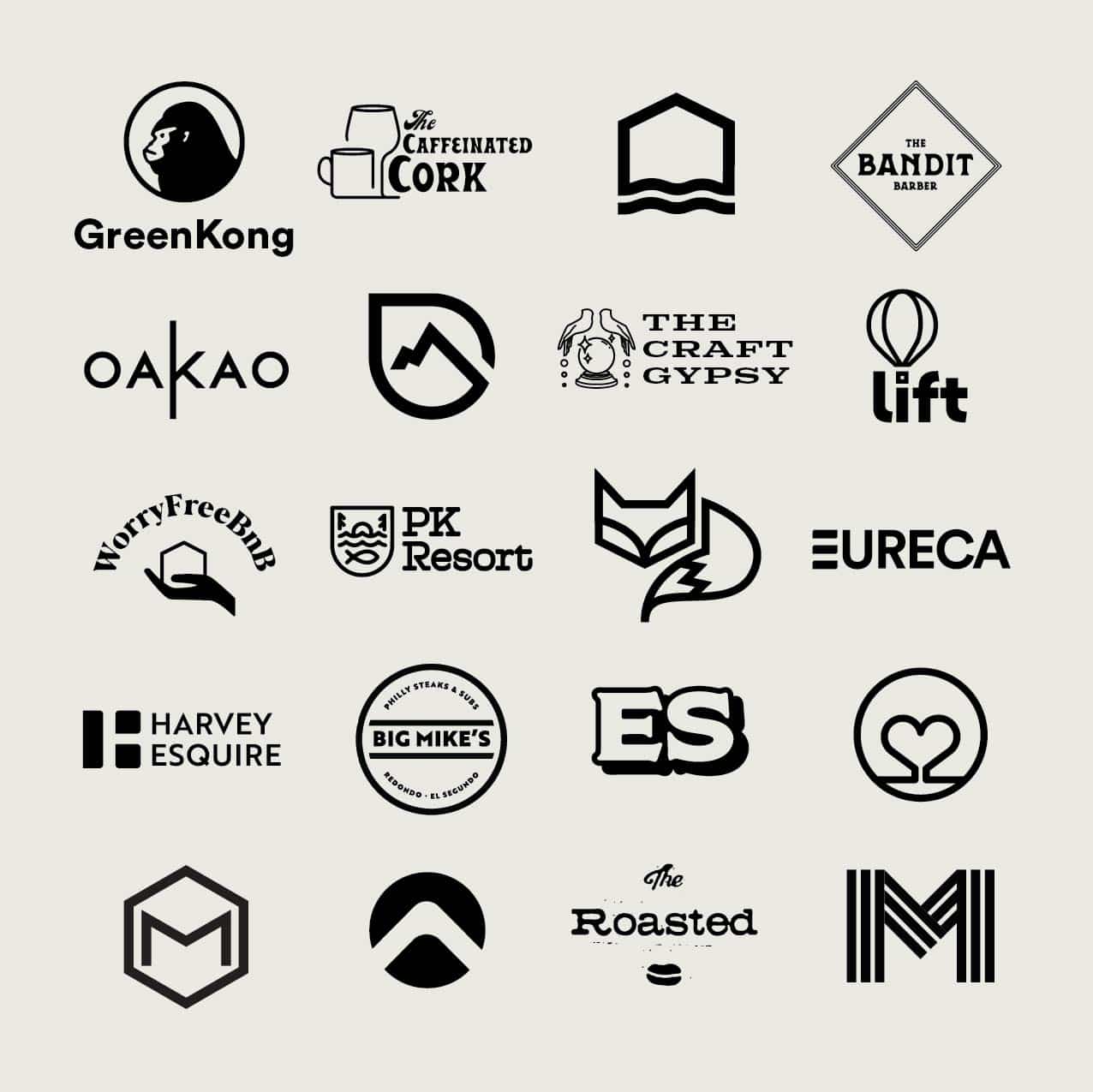
Includes logos, brand guidelines, business cards, and visual systems that represent a brand’s personality and values.
5.2 Marketing & Advertising Design
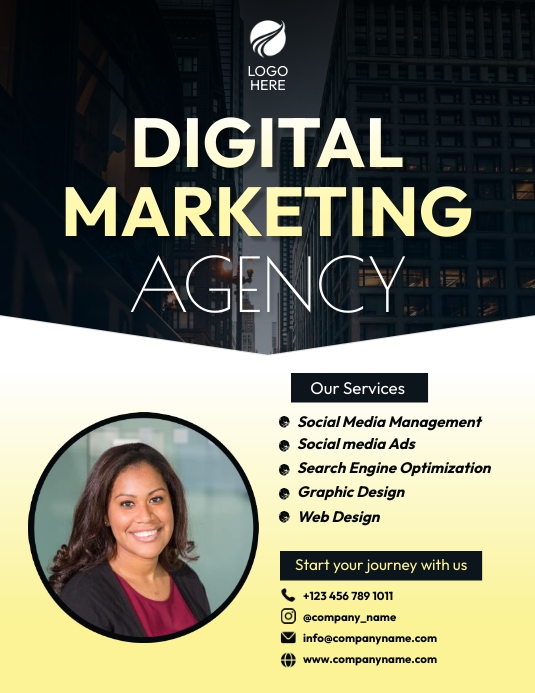
Posters, flyers, social media graphics, email campaigns, and digital ads designed to promote products or services.
5.3 Web & UI/UX Design
Designing websites and applications with a focus on usability, accessibility, and user satisfaction.
5.4 Publication Design
Books, magazines, newspapers, and reports that require structured layouts and strong typographic control.
5.5 Motion Graphics
Animated visuals used in videos, advertisements, interfaces, and social media.
5.6 Packaging Design
Combines branding, marketing, and product protection while influencing purchase decisions.
6. Tools and Software Used in Graphic Design
Professional designers commonly use industry-standard tools such as:
- Adobe Photoshop for image editing
- Adobe Illustrator for vector graphics
- Adobe InDesign for layout and publishing
- Figma for UI/UX and collaborative design
- Canva for quick and accessible design projects
Tool choice depends on the project requirements and designer workflow.
7. The Graphic Design Process
A typical design process includes:
- Brief & Research: Understanding goals, audience, and context
- Concept Development: Brainstorming ideas and visual directions
- Sketching & Wireframing: Early visual exploration
- Design Execution: Creating polished designs
- Feedback & Revisions: Refining based on critique
- Final Delivery: Exporting and preparing files for production
This structured approach ensures clarity and efficiency.
8. Skills Required for Graphic Designers
Technical Skills
- Design software proficiency
- Typography and color theory
- Layout and composition
- Print and digital production knowledge
Soft Skills
- Creativity and visual thinking
- Communication and storytelling
- Problem-solving
- Time management
- Openness to feedback
A successful graphic designer balances artistic ability with strategic thinking.
9. Graphic Design in the Digital Age
With the rise of digital platforms, graphic design has expanded into:
- Social media content
- Mobile applications
- Interactive experiences
- Augmented and virtual reality
Designers must adapt to responsive layouts, accessibility standards, and fast-changing trends while maintaining strong visual foundations.
10. Career Paths in Graphic Design
Graphic design offers diverse career opportunities, including:
- Brand Designer
- UI/UX Designer
- Art Director
- Motion Designer
- Visual Designer
- Freelance Designer
Designers can work in agencies, startups, corporations, or independently.
11. Conclusion
Graphic design is a powerful discipline that blends art, technology, and communication. It shapes how we perceive brands, navigate digital spaces, and interact with information. By mastering design principles, tools, and creative thinking, graphic designers play a vital role in influencing culture, business, and everyday experiences.
What is graphic design
Graphic design is the practice of communicating ideas and messages through visual elements such as typography, color, images, and layout.
What does a graphic designer do
A graphic designer creates visual content to communicate messages, solve problems, and support branding, marketing, and user experience goals.
Why is graphic design important
Graphic design helps people understand information quickly, builds brand recognition, and influences emotions and decisions.
What skills are needed for graphic design
Graphic design requires creativity, visual thinking, typography knowledge, color theory, software skills, and communication ability.
Is graphic design a good career
Graphic design is a strong career choice for creative individuals and offers opportunities in many industries and remote work.
Can graphic design be self taught
Graphic design can be learned independently through practice, online resources, and real projects.
How long does it take to learn graphic design
Learning graphic design depends on practice and focus, but basic skills can be developed within months.
What software do graphic designers use
Graphic designers use tools for image editing, vector design, layout, and digital interface design.
What is the difference between graphic design and visual design
Graphic design focuses on communication and problem solving, while visual design emphasizes aesthetics and interface appearance.
What is the difference between graphic design and web design
Graphic design focuses on visuals, while web design also includes layout behavior, interaction, and usability.
What is typography in graphic design
Typography is the art of arranging text to improve readability, clarity, and visual appeal.
Why is typography important
Typography affects how information is read, understood, and emotionally perceived.
What is color theory in graphic design
Color theory explains how colors interact and how they affect emotions and perception.
How does color affect design
Color influences mood, attention, brand identity, and user behavior.
What is visual hierarchy
Visual hierarchy guides viewers through content by emphasizing important elements.
What is white space in design
White space is empty space that improves clarity, balance, and focus.
What is layout design
Layout design is the arrangement of visual elements on a page or screen.
What makes a design professional
A professional design is clear, consistent, purposeful, and visually balanced.
What are the principles of graphic design
Design principles include balance, contrast, alignment, hierarchy, repetition, and unity.
What are the elements of graphic design
Design elements include color, typography, images, shapes, lines, and space.
What is branding in graphic design
Branding is the visual representation of a company’s identity and values.
What is a logo and why is it important
A logo is a visual symbol that represents a brand and helps recognition.
What makes a good logo
A good logo is simple, memorable, scalable, and relevant.
How do designers create brand identity
Designers combine logo, colors, typography, and visuals into a consistent system.
What is brand consistency
Brand consistency ensures all visuals communicate the same identity and message.
What is the difference between logo and brand
A logo is a symbol, while a brand is the overall perception of a company.
What is visual identity design
Visual identity design defines how a brand looks across all platforms.
How does graphic design affect brand trust
Strong design builds credibility and professionalism, increasing trust.
Why do companies invest in design
Design helps businesses stand out, communicate clearly, and increase sales.
How does design influence buying decisions
Design affects first impressions and emotional responses that guide choices.
What is digital graphic design
Digital graphic design is created for screens such as websites, apps, and social media.
What is print graphic design
Print graphic design is created for physical materials like posters and packaging.
What is packaging design
Packaging design combines branding, information, and aesthetics for products.
What is motion graphics
Motion graphics use animation to communicate ideas visually.
What is social media design
Social media design creates visual content optimized for online platforms.
What is user interface design
User interface design focuses on how digital products look and function visually.
What is user experience design
User experience design focuses on usability, flow, and user satisfaction.
How does graphic design improve usability
Design improves clarity, navigation, and accessibility.
What is responsive design
Responsive design adapts visuals to different screen sizes.
What is accessibility in graphic design
Accessibility ensures designs can be used by people with different abilities.
What tools should beginners use for graphic design
Beginners can start with simple design tools and gradually move to professional software.
Is professional software required to be a designer
Professional tools help, but skills and creativity matter more.
Can graphic design be done on a tablet
Graphic design can be done on tablets using design applications.
Can graphic design be done on a phone
Phones can be used for simple designs but have limitations.
What is vector design
Vector design uses scalable graphics without quality loss.
What is raster design
Raster design is made of pixels and depends on resolution.
What file formats do designers use
Designers use formats for print, web, and editing purposes.
What is the difference between vector and raster graphics
Vector graphics scale freely, while raster graphics depend on pixel size.
What is resolution in graphic design
Resolution defines image clarity and detail.
Why is image quality important
High quality visuals improve professionalism and trust.
What is the graphic design process
The process includes research, concept development, design, feedback, and delivery.
How do designers start a project
Designers begin by understanding goals, audience, and requirements.
What is a design brief
A design brief outlines project goals, scope, and expectations.
Why is research important in design
Research ensures designs are relevant and effective.
How do designers choose colors
Colors are chosen based on brand, emotion, and audience.
How do designers choose fonts
Fonts are selected for readability, tone, and purpose.
How many revisions are normal in design
Revisions are part of collaboration and refinement.
How do designers handle feedback
Designers analyze feedback and improve designs accordingly.
What is client communication in design
Clear communication ensures expectations are aligned.
How do designers meet deadlines
Designers plan, prioritize, and manage time efficiently.
What are common graphic design mistakes
Poor typography, clutter, inconsistency, and weak hierarchy are common mistakes.
Why does bad design fail
Bad design confuses users and weakens communication.
How can design be improved
Design improves through feedback, practice, and learning fundamentals.
What makes a design timeless
Timeless design focuses on clarity and simplicity rather than trends.
What makes a design trendy
Trendy design follows current visual styles and cultural shifts.
How do designers stay creative
Designers seek inspiration, practice regularly, and explore new ideas.
How do designers avoid burnout
Balance, rest, and creative variety help prevent burnout.
How do designers find inspiration
Inspiration comes from art, nature, culture, and everyday life.
What role does creativity play in design
Creativity allows unique and effective problem solving.
Is graphic design art or communication
Graphic design is both artistic and functional communication.
What education is required for graphic design
Formal education is helpful but not required.
Is a degree necessary to become a designer
A strong portfolio is more important than a degree.
How important is a portfolio
A portfolio shows skills, style, and experience.
What should a graphic design portfolio include
It should include diverse, well explained projects.
How do designers get their first job
Designers gain experience through practice, internships, and freelance work.
How do freelance graphic designers find clients
Clients are found through networking, platforms, and referrals.
What platforms do designers use to showcase work
Designers use online portfolios and social platforms.
How much can a graphic designer earn
Earnings vary based on skill, location, and experience.
Can graphic designers work remotely
Graphic design is well suited for remote work.
What industries hire graphic designers
Many industries including tech, marketing, education, and entertainment hire designers.
What is the future of graphic design
Graphic design continues to evolve with technology and media.
How is graphic design changing
Design is becoming more digital, interactive, and user focused.
How does artificial intelligence affect graphic design
Artificial intelligence assists designers but does not replace creativity.
Will graphic designers be replaced by technology
Human creativity and problem solving remain essential.
What skills will future designers need
Adaptability, digital skills, and strategic thinking are key.
How important is adaptability in design
Adaptability helps designers stay relevant.
What trends influence graphic design
Technology, culture, and user behavior influence trends.
How does culture affect design
Culture shapes symbols, colors, and visual language.
Why is design thinking important
Design thinking focuses on solving real problems.
How does graphic design impact everyday life
Graphic design shapes how people understand and interact with the world.
GRAPHIC DESIGN SERVICES
UNIFIED ALL-INCLUSIVE STRATEGY
We Design Your Story From Scratch
Experience original, affordable and high-quality graphic design services that reflect your brand’s vision, with the expertise of Alien Road Co.
For designs drawn from scratch, AlienRoad Co. We bring affordable prices, quality and creativity to your brand.
WHY ALIEN ROAD?
We draw all designs from scratch. The number of agencies with this competence is quite limited.
Be part of the future of Alien Road Co.
- Do you want to survive in the age of technology?
- Do you want to be the best in the industry you serve?
- Choose your side. Alien Road or others…

