
Build your brand’s digital infrastructure correctly.

Your website isn’t just a storefront; it’s the hub of performance, trust, and growth.
alien Road builds end-to-end web infrastructures for your brand, focusing on design, speed, security, and conversion.
We design strategic web architectures tailored to your business goals, not using ready-made templates.
We aim for every pixel, every second, and every interaction to contribute to your business.
Our Key Focuses
Corporate Websites
We design modern interfaces that reflect your brand’s stance, trust, and professionalism.
All design decisions are made to strengthen your brand perception and motivate the user to take action.
Performance & Speed Optimization
There’s no luxury of slow websites.
We optimize page load times, device compatibility, and technical infrastructure according to performance standards.
Transformation-Oriented Architecture (CRO Approach)
The button color, the form’s placement, the menu’s layout…
Every detail is positioned according to user behavior data; the goal: more interaction and conversion.
Responsive & Multi-Device Experience
Desktop, tablet, mobile… No matter where the user comes from, the experience should be equally robust.
We test and optimize the entire interface for a multi-screen world.
Security and Infrastructure Quality
Security vulnerabilities, broken links, incorrect redirects… These are details that damage a brand.
We design your infrastructure to be secure, stable, and scalable.
Why Web Building Design with Alien Road?
Because we see your website not as a “design file,” but as the digital operations center of your business.
The design team and the development team work together from a marketing and performance perspective.
The result: Web experiences that are not only aesthetically pleasing, but also generate revenue, build trust, and elevate your brand to the next level.
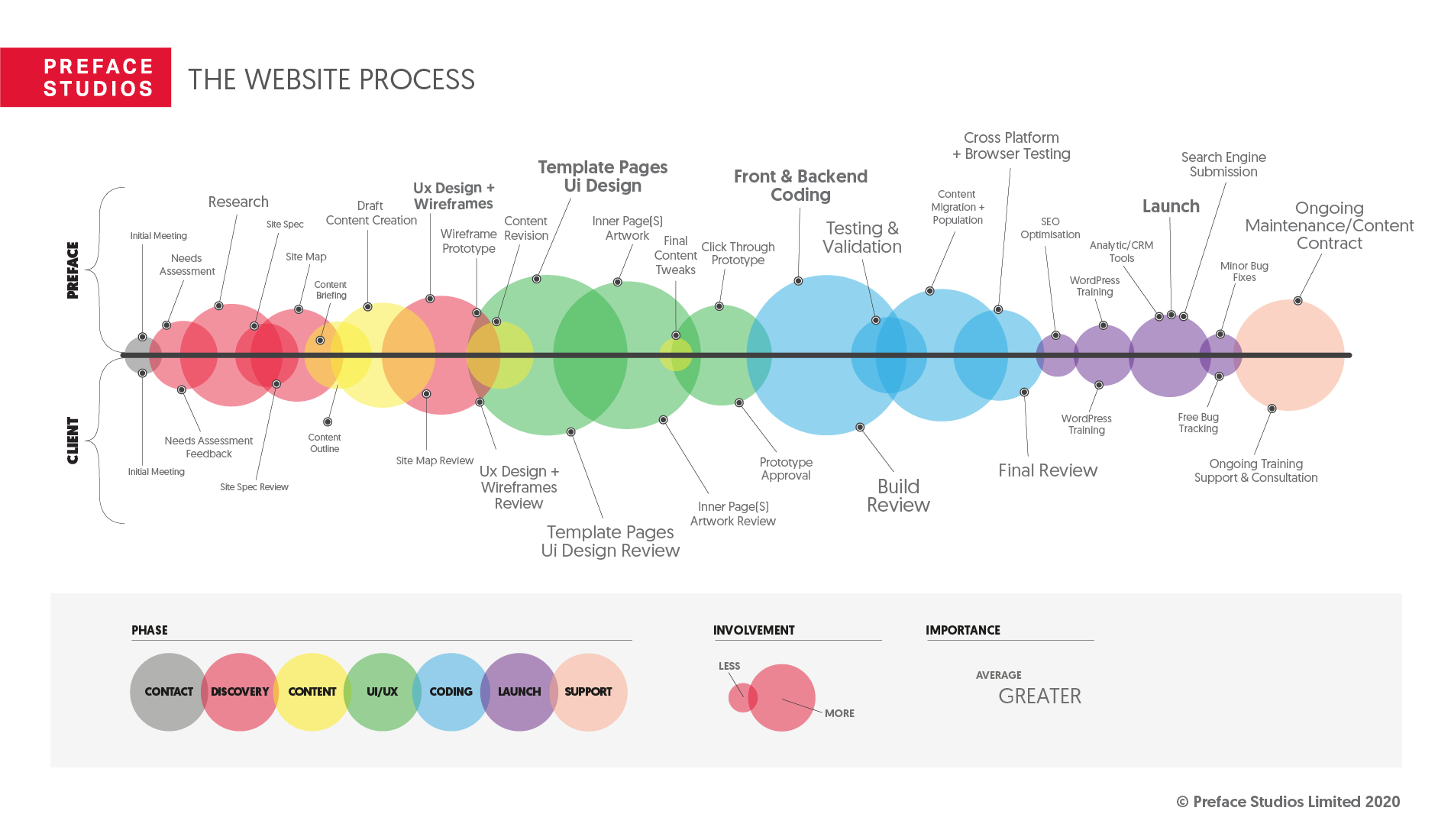
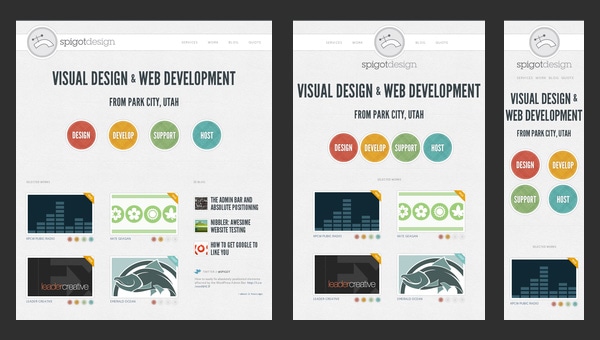
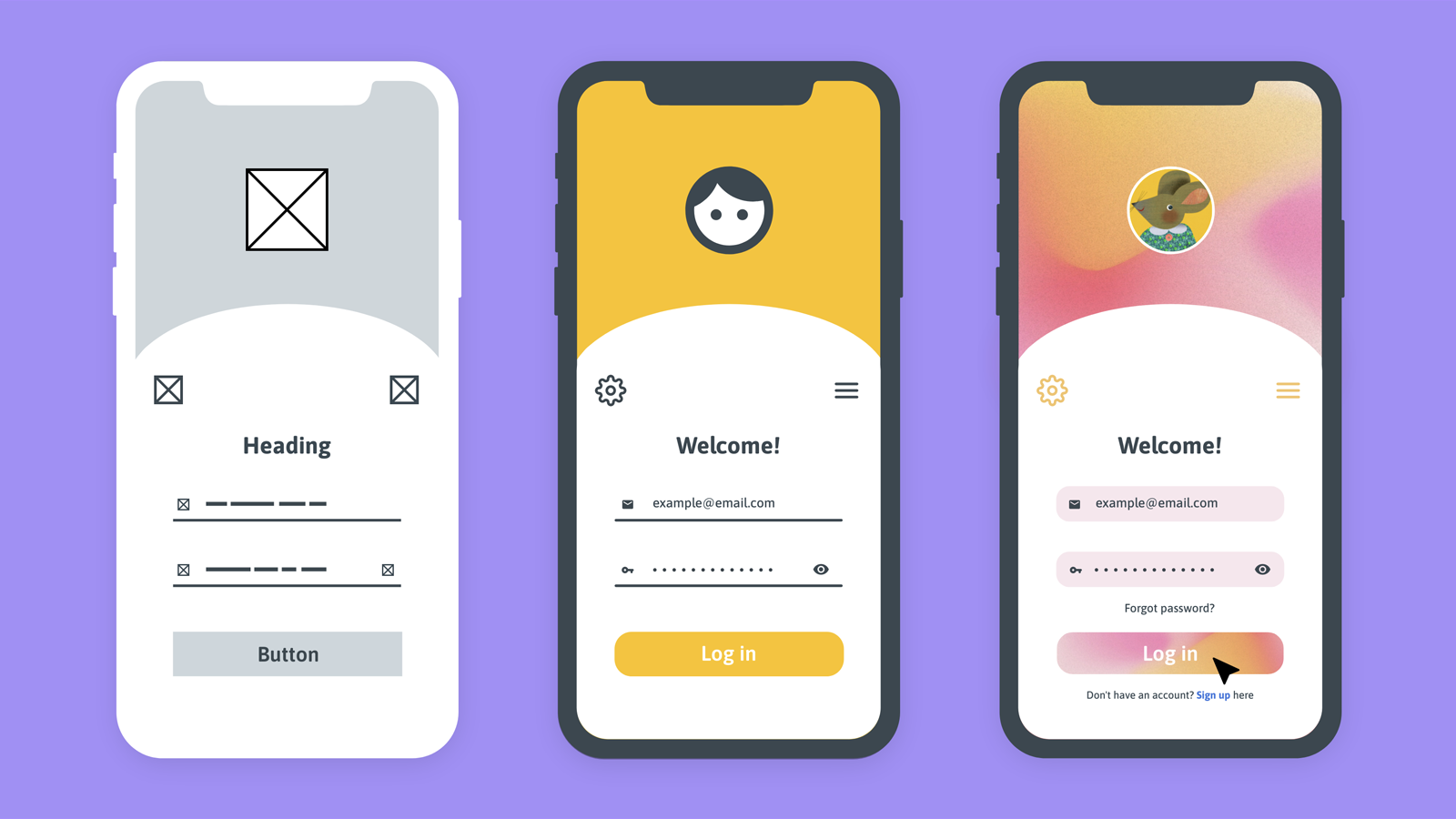
4
WEB BUILD DESIGN — A Comprehensive Guide
1. What Is Web Build Design?
Web Build Design refers to the complete process of planning, designing, developing, testing, and deploying a website. It combines visual design, user experience (UX), user interface (UI), front-end development, back-end development, performance optimization, and maintenance into a single structured workflow.
Unlike simple website creation, web build design focuses on scalability, usability, accessibility, performance, and business goals from the very beginning.
2. Core Objectives of Web Build Design
A well-executed web build design aims to:
- Deliver a clear and intuitive user experience
- Communicate brand identity consistently
- Ensure fast loading times and high performance
- Be responsive across all devices and screen sizes
- Meet accessibility standards (WCAG)
- Support SEO and discoverability
- Allow easy maintenance and future expansion
3. The Web Build Design Process
3.1 Discovery & Planning
This foundational stage defines the direction of the entire project.
Key activities:
- Business and stakeholder analysis
- Target audience research
- Competitor benchmarking
- Defining user personas
- Setting project goals and KPIs
- Creating a sitemap and content strategy
Deliverables:
- Project brief
- Functional requirements
- Information architecture
- Technical stack decisions
3.2 UX (User Experience) Design
UX design focuses on how users interact with the website.
UX principles include:
- Simplicity
- Predictability
- Consistency
- Accessibility
- Task efficiency
UX artifacts:
- User flows
- Wireframes (low-fidelity and high-fidelity)
- Interaction diagrams
- Usability testing reports
3.3 UI (User Interface) Design
UI design transforms UX logic into a visual system.
UI elements:
- Typography
- Color systems
- Buttons and controls
- Icons and imagery
- Spacing and layout grids
- Micro-interactions and animations
Design systems are often created to ensure consistency and scalability across pages and products.
4. Responsive & Adaptive Design
Modern web build design must support multiple environments.
Responsive Design
- Uses flexible grids and CSS media queries
- Automatically adapts to screen size
- One design, multiple devices
Adaptive Design
- Uses predefined layouts for specific screen sizes
- Detects device type and loads appropriate layout
Most modern projects favor responsive-first or mobile-first approaches.
5. Front-End Development
Front-end development brings the UI design to life in the browser.
Core technologies:
- HTML5 (structure)
- CSS3 (layout and styling)
- JavaScript (interactivity)
Common frameworks and tools:
- React, Vue, Angular
- Tailwind CSS, Bootstrap
- Vite, Webpack
- Accessibility and performance testing tools
Responsibilities:
- Pixel-perfect implementation
- Cross-browser compatibility
- Responsive behavior
- Animations and transitions
- Client-side performance optimization
6. Back-End Development
The back end powers the logic and data handling behind the scenes.
Back-end responsibilities:
- Database management
- Authentication and authorization
- Content management systems (CMS)
- API development
- Security and data validation
Common technologies:
- Node.js, Python, PHP, Ruby
- SQL and NoSQL databases
- REST and GraphQL APIs
7. Performance Optimization
Website performance is critical for user retention and SEO.
Optimization strategies:
- Image compression and lazy loading
- Code minification
- Caching strategies
- Content Delivery Networks (CDN)
- Server-side rendering (SSR)
- Reducing JavaScript execution time
A well-built website aims for:
- Fast First Contentful Paint (FCP)
- Low Time to Interactive (TTI)
- High Core Web Vitals scores
8. Accessibility (A11Y)
Accessibility ensures the website is usable by everyone, including users with disabilities.
Key considerations:
- Semantic HTML
- Keyboard navigation
- Screen reader compatibility
- Color contrast compliance
- Alternative text for images
- Clear focus states
Accessibility is not optional—it is both a legal and ethical responsibility.
9. SEO & Content Integration
Web build design must support search engine visibility.
SEO-friendly design practices:
- Proper heading hierarchy
- Clean URL structures
- Meta tags and schema markup
- Fast load times
- Mobile optimization
- Readable and structured content
Design and content should be developed together, not separately.
10. Testing & Quality Assurance
Before launch, rigorous testing is essential.
Testing types:
- Functional testing
- Usability testing
- Cross-browser testing
- Performance testing
- Security testing
- Accessibility audits
Bug tracking and iteration ensure stability and reliability.
11. Deployment & Maintenance
After launch, the website enters its operational phase.
Post-launch activities:
- Monitoring uptime and performance
- Regular security updates
- Content updates
- Feature enhancements
- Analytics and user behavior tracking
A strong web build design anticipates long-term maintenance, not just launch day.
12. Modern Trends in Web Build Design
- Component-based architectures
- Headless CMS
- Jamstack architecture
- Dark mode design
- Motion UI and micro-interactions
- AI-assisted personalization
- Progressive Web Apps (PWA)
13. Conclusion
Web Build Design is a multi-disciplinary, strategic process that goes far beyond aesthetics. It merges design thinking, engineering, user psychology, and business strategy to create digital experiences that are functional, scalable, accessible, and impactful.
A successful web build design is not just visually appealing—it is usable, performant, inclusive, and future-ready.
Web Build Design – Frequently Asked Questions
What is web build design?
Web build design is the complete process of planning, designing, developing, and maintaining a website with both visual and technical considerations.
Why is web build design important?
It ensures that a website is functional, user-friendly, fast, accessible, and aligned with business goals.
What is the difference between web design and web development?
Web design focuses on visuals and user experience, while web development focuses on coding and functionality.
What does a web build designer do?
A web build designer plans layouts, creates interfaces, collaborates with developers, and ensures usability and consistency.
What is user experience in web design?
User experience refers to how users interact with and feel about a website while completing tasks.
What is user interface design?
User interface design focuses on visual elements like buttons, colors, typography, and layout.
What is responsive web design?
Responsive design allows a website to adapt smoothly to different screen sizes and devices.
Why is mobile-first design important?
Most users browse on mobile devices, so designing for mobile first improves usability and performance.
What tools are used in web build design?
Common tools include design software, code editors, testing platforms, and performance optimization tools.
What is a wireframe?
A wireframe is a basic layout that shows structure and functionality without detailed visuals.
What is a prototype?
A prototype is an interactive model used to test user flows and design concepts.
How long does a web build design process take?
The timeline depends on project scope, complexity, and collaboration efficiency.
What is accessibility in web design?
Accessibility ensures that websites can be used by people with disabilities.
Why is accessibility important?
It improves inclusivity, usability, and legal compliance.
What is semantic HTML?
Semantic HTML uses meaningful tags that help browsers and assistive technologies understand content.
What is page speed optimization?
It is the process of improving how fast a website loads and becomes usable.
Why does website speed matter?
Faster websites improve user satisfaction and search engine ranking.
What is SEO-friendly web design?
It is a design approach that helps search engines understand and rank website content.
How does design affect SEO?
Layout, speed, readability, and structure directly influence search visibility.
What is a content management system?
A content management system allows users to manage website content without coding.
What is a headless CMS?
A headless CMS separates content management from presentation, offering more flexibility.
What is front-end development?
Front-end development builds what users see and interact with in the browser.
What is back-end development?
Back-end development manages data, servers, and application logic.
What is a design system?
A design system is a collection of reusable components and design rules.
Why are design systems useful?
They ensure consistency and speed up development.
What is usability testing?
Usability testing evaluates how real users interact with a website.
What is a user flow?
A user flow maps the steps a user takes to complete a task.
What is information architecture?
It is the structure and organization of content on a website.
What is visual hierarchy?
Visual hierarchy guides users’ attention through layout and design choices.
Why is consistency important in web design?
Consistency improves usability and builds trust.
What is white space in design?
White space is empty space that improves readability and focus.
What is typography in web design?
Typography refers to font selection, spacing, and text presentation.
Why does typography matter?
Good typography improves readability and user engagement.
What is color theory in web design?
Color theory helps designers choose colors that communicate emotion and clarity.
What is contrast in web design?
Contrast improves readability and visual clarity.
What is a call to action?
A call to action encourages users to take a specific step.
Why are calls to action important?
They guide users toward goals like sign-ups or purchases.
What is website scalability?
Scalability allows a website to grow without performance issues.
What is cross-browser compatibility?
It ensures a website works consistently across different browsers.
What is web security in design?
It includes practices that protect user data and prevent attacks.
What is form validation?
Form validation ensures user input is correct and secure.
What is progressive enhancement?
It builds a basic experience first, then adds advanced features.
What is a progressive web app?
A progressive web app combines website and app-like features.
What is lazy loading?
Lazy loading delays loading content until it is needed.
What is a content delivery network?
A content delivery network distributes content globally for faster access.
What is server-side rendering?
Server-side rendering generates pages on the server for better performance.
What is client-side rendering?
Client-side rendering builds pages in the browser using scripts.
What is website maintenance?
Maintenance includes updates, security checks, and performance monitoring.
Why is maintenance important?
It keeps the website secure, fast, and relevant.
What is analytics in web design?
Analytics track user behavior and performance metrics.
Why track user behavior?
It helps improve design decisions and conversions.
What is conversion-focused design?
It prioritizes actions that lead to business results.
What is minimal design?
Minimal design focuses on simplicity and clarity.
What is modern web design?
Modern design emphasizes usability, performance, and clean aesthetics.
What are micro-interactions?
Micro-interactions are small animations that provide feedback.
Why are micro-interactions useful?
They enhance engagement and usability.
What is dark mode design?
Dark mode uses darker color palettes for comfort and style.
What is brand consistency in web design?
It ensures visuals align with brand identity.
What is storytelling in web design?
Storytelling uses structure and visuals to guide user emotion.
What is emotional design?
Emotional design creates positive feelings through experience.
What is trust-centered design?
It builds credibility through clarity and transparency.
What is ethical web design?
Ethical design respects users’ privacy and well-being.
What is future-proof web design?
It anticipates change and supports long-term growth.
At Alien Road, we don’t just build websites—we create digital experiences. In today’s global market, a website is no longer a digital business card; it is the core hub of brand identity, customer engagement, and sales conversion.
As a global 360° digital marketing and strategy company operating in 19 languages, Alien Road develops corporate websites, e-commerce platforms, and custom software solutions that are tailored for international scalability and local cultural precision. Every line of code and every design element is crafted to be fast, responsive, user-friendly, and conversion-focused.
🔧 Our Technical & Creative Approach
We combine cutting-edge development practices with strategic design thinking to build digital platforms that are as functional as they are beautiful.
- Corporate Website Design
- Tailor-made websites that reflect brand identity.
- Multilingual architecture designed for global markets.
- Modern, minimalist, and conversion-driven layouts.
- Tailor-made websites that reflect brand identity.
- E-Commerce Platforms & Custom Software
- Development of scalable online stores (Shopify, WooCommerce, Magento, or custom solutions).
- Secure payment gateway integration for global audiences.
- Advanced features such as product configurators, customer dashboards, and automated sales funnels.
- Development of scalable online stores (Shopify, WooCommerce, Magento, or custom solutions).
- Responsive & UX-Focused Development
- Mobile-first coding that ensures perfect functionality across devices.
- Optimization of Core Web Vitals for speed, interactivity, and stability.
- Seamless navigation and intuitive design for superior user experience.
- Mobile-first coding that ensures perfect functionality across devices.
- Custom Integrations & Automation
- Integration with CRM systems, ERP platforms, and marketing automation tools.
- API development and third-party service connectivity.
- Automation of workflows to reduce manual effort and enhance efficiency.
- Integration with CRM systems, ERP platforms, and marketing automation tools.
- Security & Performance
- Implementation of SSL, encryption, and GDPR compliance for global standards.
- Scalable hosting solutions for high traffic and international reach.
- Continuous monitoring, testing, and optimization.
- Implementation of SSL, encryption, and GDPR compliance for global standards.
🌟 What Alien Road Delivers to Your Business
By choosing Alien Road for web design and development, you gain more than just a website—you gain a digital ecosystem that drives visibility, engagement, and revenue:
- Global Presence, Local Impact
Websites built in 19 languages ensure that your brand resonates with every market, maintaining both global identity and local relevance. - Conversion-Centered Design
Every design decision—colors, CTAs, page flow—is tested and optimized to maximize leads and sales. - Scalable & Future-Proof Technology
Whether you are a startup or a multinational, we build platforms that grow with your business. - Seamless Integration
From e-commerce to CRM, from automation to analytics, we connect your website with the tools that drive long-term growth. - Customer-Centric Experiences
Our responsive, UX-optimized platforms ensure that users don’t just visit—they stay, engage, and convert.
🚀 The Alien Road Difference
While many agencies create websites, Alien Road builds digital growth engines. We merge global marketing strategy, design excellence, and technical expertise to create platforms that are not only visually striking but also business-driven.
With Alien Road, your website becomes:
- A global storefront for your brand.
- A conversion machine that drives sales.
- A strategic hub that integrates with marketing, CRM, and analytics.
💡 Marketing Sentences (for Website & Branding)
- “We design, code, and deliver websites that turn visitors into loyal customers.”
- “From corporate sites to e-commerce platforms, Alien Road builds global digital experiences.”
- “Responsive, secure, and conversion-focused—web development designed for the future.”
- “Your brand deserves more than a website. It deserves a digital growth engine.”

