
Your budget won’t be spent, it will be turned into an investment.

In advertising, it’s not just about being seen; it’s about reaching the right person at the right time with the right message.
Alien Road structures all advertising processes, from media buying to creative, with a focus on growth and profitability.
For us, advertising is not trial and error; it’s a data-driven investment with clear objectives.
Every campaign is designed to see a return on every penny spent.
Our Key Focus Areas
Media Strategy and Planning
Google, Meta, LinkedIn, programmatic platforms…
We’ll design from the outset which channel, format, and budget are best suited for your brand’s presence.
Creative Advertising Concepts
Advertising isn’t just about the visual aspect; it’s about the message, the offer, and the narrative.
We design creative concepts and texts that truly motivate your target audience.
Performance Marketing
Lead generation, sales, registration, applications…
We set clear goals and build the campaign structure, segmentation, and optimization model based on these goals.
Segmentation and Targeting
There is no such thing as a “general audience.”
We use behavioral, interest, demographic, and intent data to focus on the most valuable user groups for your brand.
Reporting and Optimization Process
We don’t just produce weekly reports; we generate meaningful insights.
It becomes clear which campaign is yielding what results, which channels are most profitable, and where budget should be allocated.
Why use Alien Road in advertising?
Because we evaluate advertising not based on “views,” but on its impact on business outcomes.
The creative team, media team, and data team work together; decisions are made not by intuition, but by what the data indicates.
Result: More controlled budget usage, higher return on investment, and truly noticeable brand communication.

4
ADVERTISING: A COMPREHENSIVE AND IN-DEPTH GUIDE
1. What Is Advertising?
Advertising is a strategic form of communication designed to inform, persuade, and influence audiences to take a specific action such as purchasing a product, adopting a service, supporting a brand, or changing a perception. It is a core component of marketing, but unlike marketing (which includes pricing, product development, and distribution), advertising focuses primarily on paid, controlled messaging delivered through various media channels.
At its essence, advertising answers three fundamental questions:
- Who is the target audience?
- What message should be communicated?
- Where and how should the message be delivered for maximum impact?
2. The Purpose and Objectives of Advertising
Advertising serves multiple objectives depending on the business stage, market conditions, and brand goals:
2.1 Informative Advertising
- Introduces new products or services
- Explains features, benefits, and usage
- Common in early product life cycles
2.2 Persuasive Advertising
- Encourages brand switching
- Builds preference and emotional connection
- Dominant in competitive markets
2.3 Reminder Advertising
- Keeps the brand top-of-mind
- Reinforces previous messaging
- Often used by established brands
2.4 Image and Brand-Building Advertising
- Shapes long-term brand perception
- Focuses on values, identity, and storytelling
- Less transactional, more emotional
3. A Brief History of Advertising


4
Advertising has evolved alongside human communication:
- Ancient Era: Merchants used signs, symbols, and town criers
- Print Revolution: Newspapers and magazines enabled mass reach
- Broadcast Age: Radio and television introduced audio-visual persuasion
- Digital Era: Internet, social media, search engines, and mobile devices transformed targeting and measurement
- Data-Driven Age: AI, automation, personalization, and real-time bidding dominate modern advertising
4. Types of Advertising
4.1 Traditional Advertising
- Television commercials
- Radio spots
- Newspapers and magazines
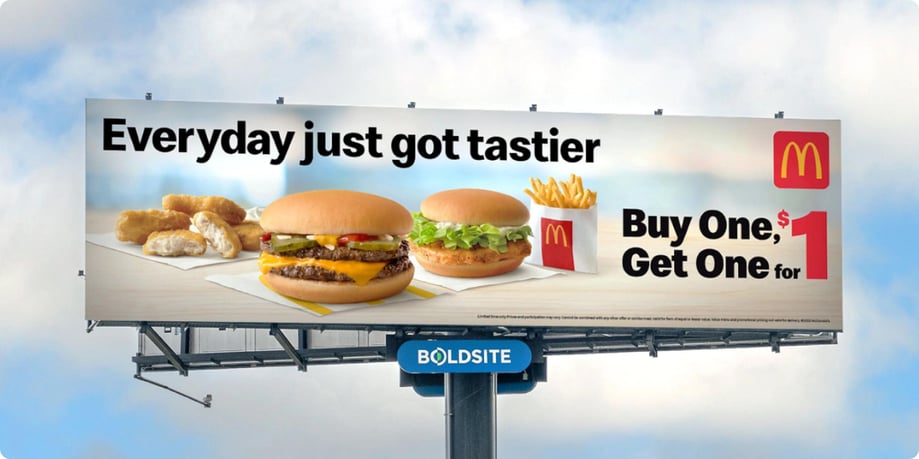
- Billboards and outdoor signage
Strengths: Broad reach, credibility
Limitations: High cost, limited targeting, difficult measurement
4.2 Digital Advertising
- Search engine ads (PPC)
- Social media advertising
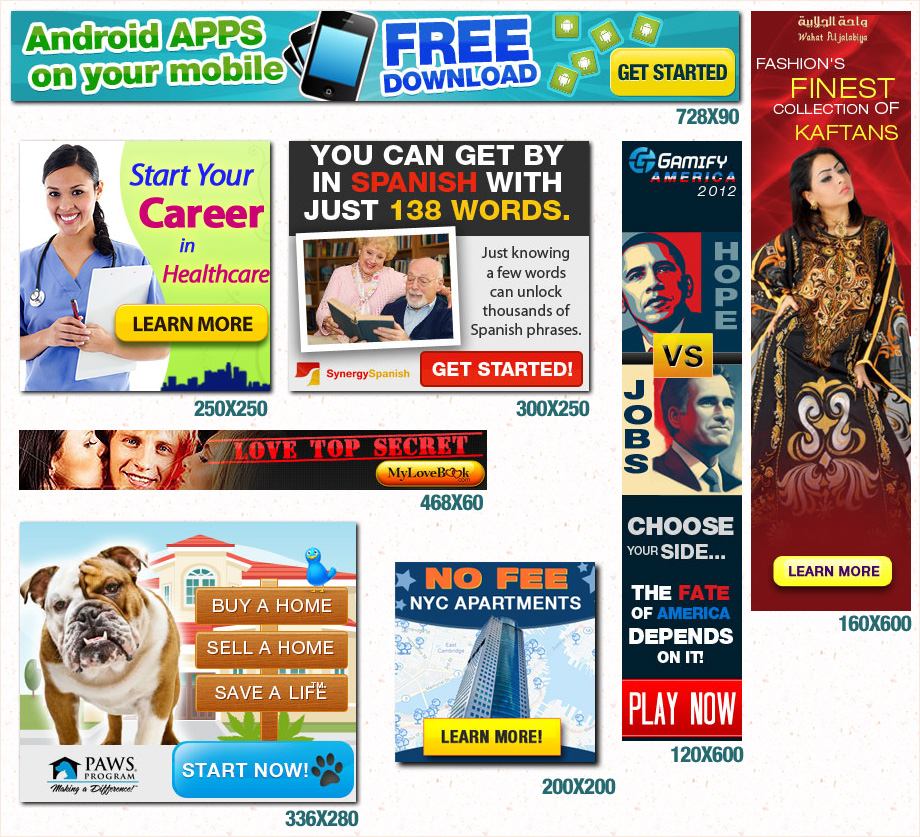
- Display and banner ads
- Video advertising (pre-roll, mid-roll)
Strengths: Precise targeting, measurable results, scalability
Limitations: Ad fatigue, privacy concerns, platform dependence
4.3 Native Advertising
- Ads that match the form and function of the platform
- Sponsored articles, promoted posts
Strengths: Higher engagement, less intrusive
Limitations: Ethical transparency concerns
4.4 Influencer and Creator Advertising
- Brand collaborations with content creators
- Emphasis on trust and authenticity
Strengths: Social proof, niche targeting
Limitations: Reputation risk, inconsistent ROI
5. Key Elements of Effective Advertising
5.1 Target Audience
Understanding demographics, psychographics, behaviors, and motivations is critical.
5.2 Message and Value Proposition
- Clear benefit-focused communication
- Differentiation from competitors
5.3 Creativity
- Visual design
- Copywriting
- Storytelling
Creativity is what makes advertising memorable and emotionally impactful.
5.4 Media Strategy
Choosing the right channels, timing, and frequency to reach the audience efficiently.
5.5 Call to Action (CTA)
Guides the audience toward the desired behavior:
- Buy now
- Learn more
- Sign up
- Download
6. Advertising Psychology and Consumer Behavior
Advertising heavily relies on psychological principles:
- Attention: Visual contrast, novelty, and emotion
- Emotion: Fear, joy, nostalgia, humor, aspiration
- Repetition: Reinforces memory and familiarity
- Social Proof: Testimonials, reviews, influencers
- Scarcity & Urgency: Limited-time offers, exclusivity
Understanding how consumers think, feel, and decide is essential for persuasion.
7. Measuring Advertising Effectiveness
Modern advertising is data-driven and performance-oriented:
Key Metrics:
- Impressions and reach
- Click-through rate (CTR)
- Conversion rate
- Cost per click (CPC)
- Return on ad spend (ROAS)
- Brand lift and awareness metrics
Measurement allows advertisers to optimize campaigns in real time and justify budgets.
8. Ethics and Social Responsibility in Advertising
Advertising carries significant social influence and must be practiced responsibly:
- Truthful and non-deceptive claims
- Respect for cultural and social diversity
- Protection of children and vulnerable groups
- Transparency in sponsored content
- Data privacy and consent
Unethical advertising can damage brand trust and invite legal consequences.
9. The Future of Advertising

4
The future of advertising is shaped by technology and consumer expectations:
- Artificial intelligence and automation
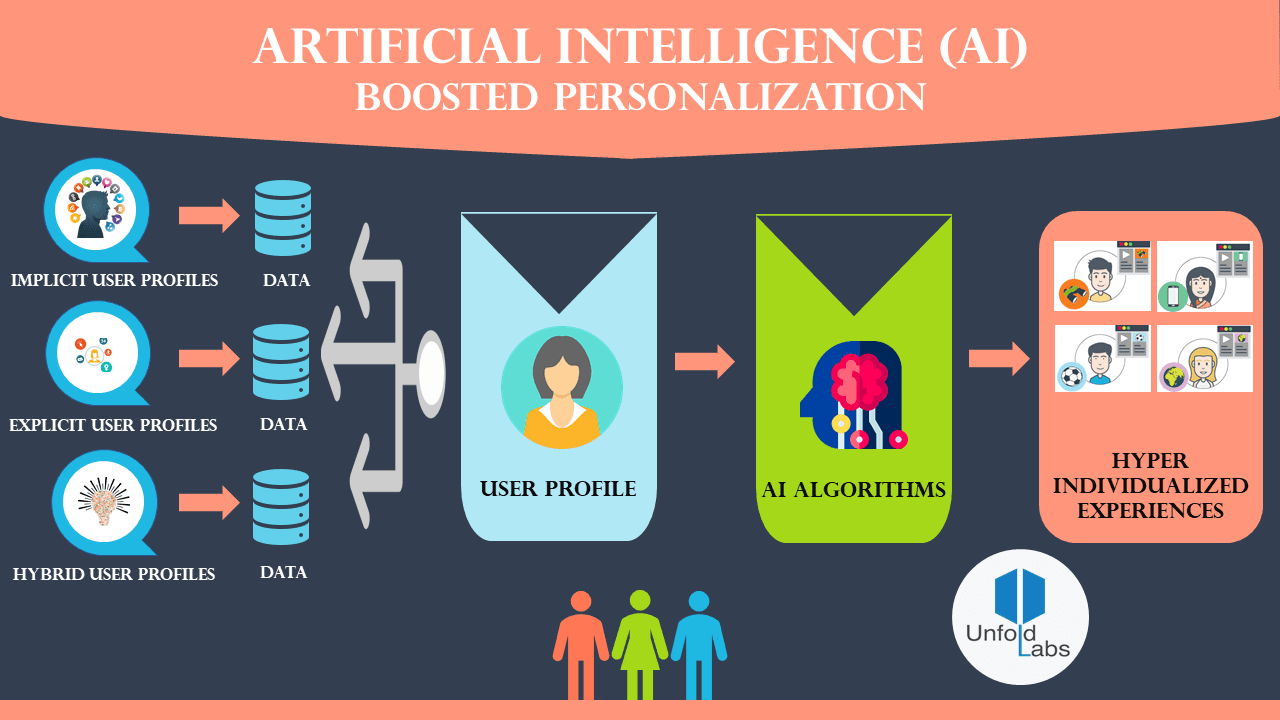
- Hyper-personalization
- Voice and conversational advertising
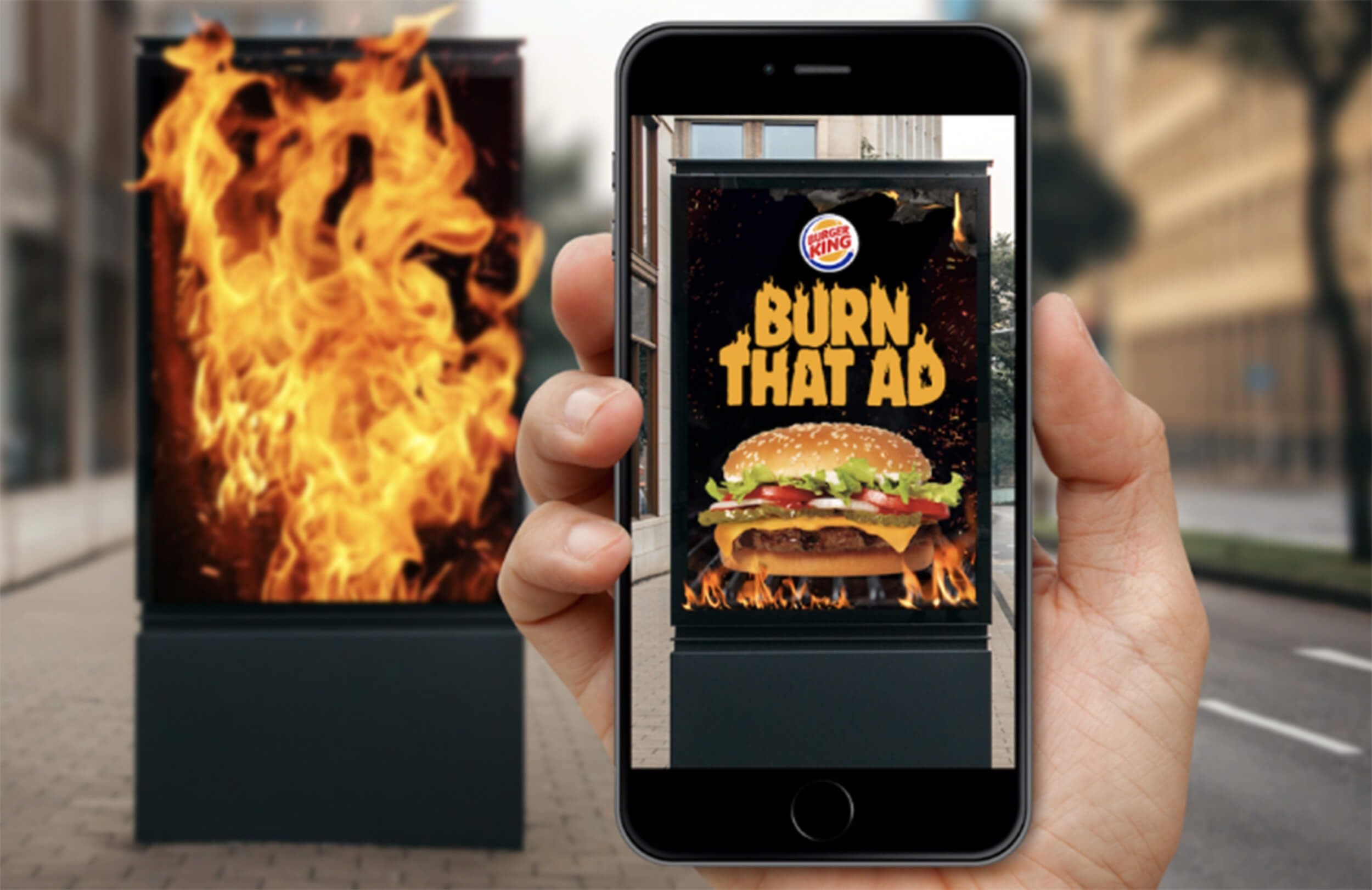
- Augmented and virtual reality experiences
- Privacy-first and consent-based targeting
- Interactive and immersive storytelling
Brands that adapt to these trends will remain competitive in an increasingly fragmented media landscape.
10. Conclusion
Advertising is far more than selling—it is communication, influence, creativity, psychology, and strategy combined. When executed effectively, advertising builds brands, shapes culture, drives economic growth, and connects people with solutions that meet their needs.
In a world overloaded with messages, relevance, authenticity, and value are the defining factors of successful advertising.
Advertising FAQs and Answers
What is advertising
Advertising is a paid communication strategy used to promote products, services, brands, or ideas to a specific audience.
Why is advertising important
Advertising builds awareness, drives demand, supports brand growth, and influences consumer decisions.
What is the main goal of advertising
The main goal is to persuade the audience to take a desired action while building brand recognition.
How does advertising differ from marketing
Marketing covers the entire business strategy, while advertising focuses only on promotion and communication.
What are the main types of advertising
Advertising includes digital, traditional, social media, search, display, native, and influencer formats.
What is digital advertising
Digital advertising promotes products or services through online channels such as search engines and social platforms.
What is traditional advertising
Traditional advertising uses offline media like television, radio, newspapers, magazines, and billboards.
What is brand advertising
Brand advertising focuses on long term brand image, values, and emotional connection rather than immediate sales.
What is performance advertising
Performance advertising is focused on measurable actions such as clicks, leads, or purchases.
What is social media advertising
Social media advertising involves paid promotions on platforms where users interact and share content.
What is search engine advertising
Search advertising shows paid ads in search engine results based on user queries.
What is display advertising
Display advertising uses visual banners or videos shown across websites and apps.
What is native advertising
Native advertising blends into the platform’s content and matches its style and tone.
What is influencer advertising
Influencer advertising partners brands with creators who have trusted audiences.
What is programmatic advertising
Programmatic advertising uses automated systems and data to buy and place ads in real time.
What is a target audience
A target audience is the specific group of people an ad is designed to reach.
How do advertisers identify a target audience
They analyze demographics, interests, behaviors, and customer data.
What is an advertising campaign
An advertising campaign is a coordinated series of ads with a unified message and goal.
What is a call to action
A call to action tells the audience what to do next, such as learn more or buy now.
Why creativity is important in advertising
Creativity captures attention, builds emotion, and makes messages memorable.
What role does psychology play in advertising
Advertising uses emotions, habits, and cognitive biases to influence decisions.
What is emotional advertising
Emotional advertising connects with feelings like happiness, fear, trust, or nostalgia.
What is storytelling in advertising
Storytelling uses narratives to communicate brand values and engage audiences.
What is brand awareness
Brand awareness is how familiar people are with a brand.
What is brand positioning
Brand positioning defines how a brand is perceived compared to competitors.
What is ad copy
Ad copy is the written text used in advertisements to persuade audiences.
What is visual branding
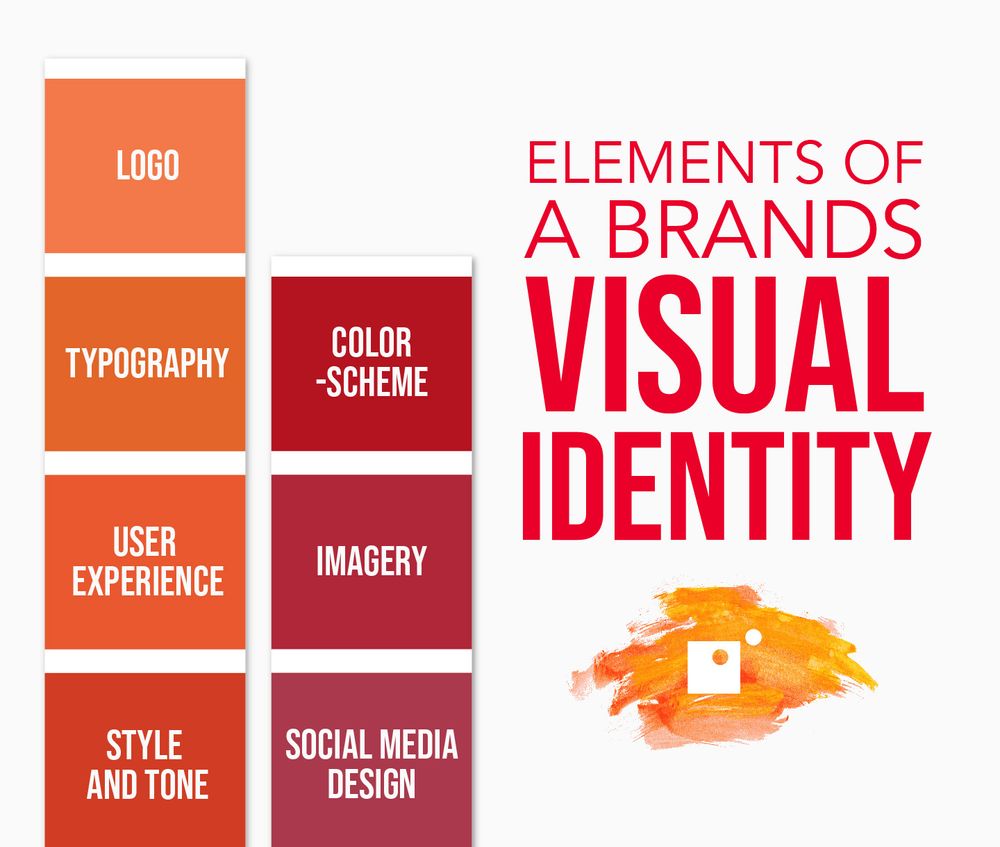
Visual branding includes logos, colors, typography, and design style.
What makes an ad effective
Clear messaging, strong visuals, relevance, and a compelling call to action.
What is ad fatigue
Ad fatigue happens when audiences see the same ad too often and stop engaging.
What is ad targeting
Ad targeting delivers ads to specific audiences based on data and behavior.
What is retargeting
Retargeting shows ads to users who previously interacted with a brand.
What is personalization in advertising
Personalization customizes ads based on user preferences and data.
What is contextual advertising
Contextual advertising places ads based on the content being viewed.
What is mobile advertising
Mobile advertising delivers ads through smartphones and mobile apps.
What is video advertising
Video advertising uses motion and sound to deliver promotional messages.
What is audio advertising
Audio advertising includes ads on podcasts, music platforms, and radio.
What is outdoor advertising
Outdoor advertising reaches audiences in public spaces like streets and transit areas.
What is experiential advertising
Experiential advertising creates interactive brand experiences.
What is guerrilla advertising
Guerrilla advertising uses unconventional and surprising tactics to gain attention.
What is ethical advertising
Ethical advertising is honest, transparent, and respectful of audiences.
Why truth is important in advertising
False claims damage trust and can lead to legal consequences.
What is misleading advertising
Misleading advertising presents false or exaggerated information.
What is brand trust
Brand trust is the confidence consumers have in a brand’s honesty and quality.
What is advertising regulation
Advertising regulation ensures ads follow legal and ethical standards.
What is ad transparency
Ad transparency clearly identifies sponsored or paid content.
What is data privacy in advertising
Data privacy protects consumer information used for targeting.
What is cookie based advertising
Cookie based advertising tracks user behavior across websites.
What is privacy first advertising
Privacy first advertising limits tracking and respects user consent.
How is advertising effectiveness measured
Effectiveness is measured using engagement, conversions, and brand impact.
What is return on ad spend
Return on ad spend compares revenue generated to advertising cost.
What is conversion rate
Conversion rate shows how many viewers complete a desired action.
What is click through rate
Click through rate measures how often people click an ad.
What is impression in advertising
An impression counts each time an ad is displayed.
What is reach in advertising
Reach measures how many unique people see an ad.
What is frequency in advertising
Frequency shows how often the same person sees an ad.
What is brand lift
Brand lift measures changes in awareness or perception due to ads.
What is A B testing in advertising
A B testing compares different ad versions to improve performance.
What is ad optimization
Ad optimization improves results by adjusting targeting, creative, and budget.
What is media planning
Media planning selects where and when ads appear.
What is media buying
Media buying involves purchasing advertising space.
What is omnichannel advertising
Omnichannel advertising delivers consistent messaging across platforms.
What is cross channel advertising
Cross channel advertising coordinates ads across multiple media types.
What is integrated advertising
Integrated advertising aligns messaging across all brand touchpoints.
What is advertising strategy
Advertising strategy defines goals, audience, messaging, and channels.
What is brand consistency
Brand consistency ensures a uniform look and message across ads.
What is user generated content in advertising
User generated content features real customer photos or reviews.
What is social proof
Social proof uses reviews or endorsements to influence trust.
What is scarcity in advertising
Scarcity creates urgency by limiting availability.
What is future of advertising
The future includes automation, personalization, immersive experiences, and ethical data use.

Advertising Strategy and the Role of Expert Consulting Agencies
Advertising today is no longer just about visibility. It is about strategy, precision, data, and sustainable growth. As markets become more competitive and consumer attention becomes harder to capture, brands increasingly rely on advertising consulting agencies to design effective, scalable, and measurable advertising strategies.
Advertising in the Modern Business Landscape
Modern advertising operates at the intersection of creativity and analytics. Successful campaigns are built on deep audience insights, clear brand positioning, and continuous optimization. Without a strong strategic foundation, even large advertising budgets can fail to deliver meaningful results.
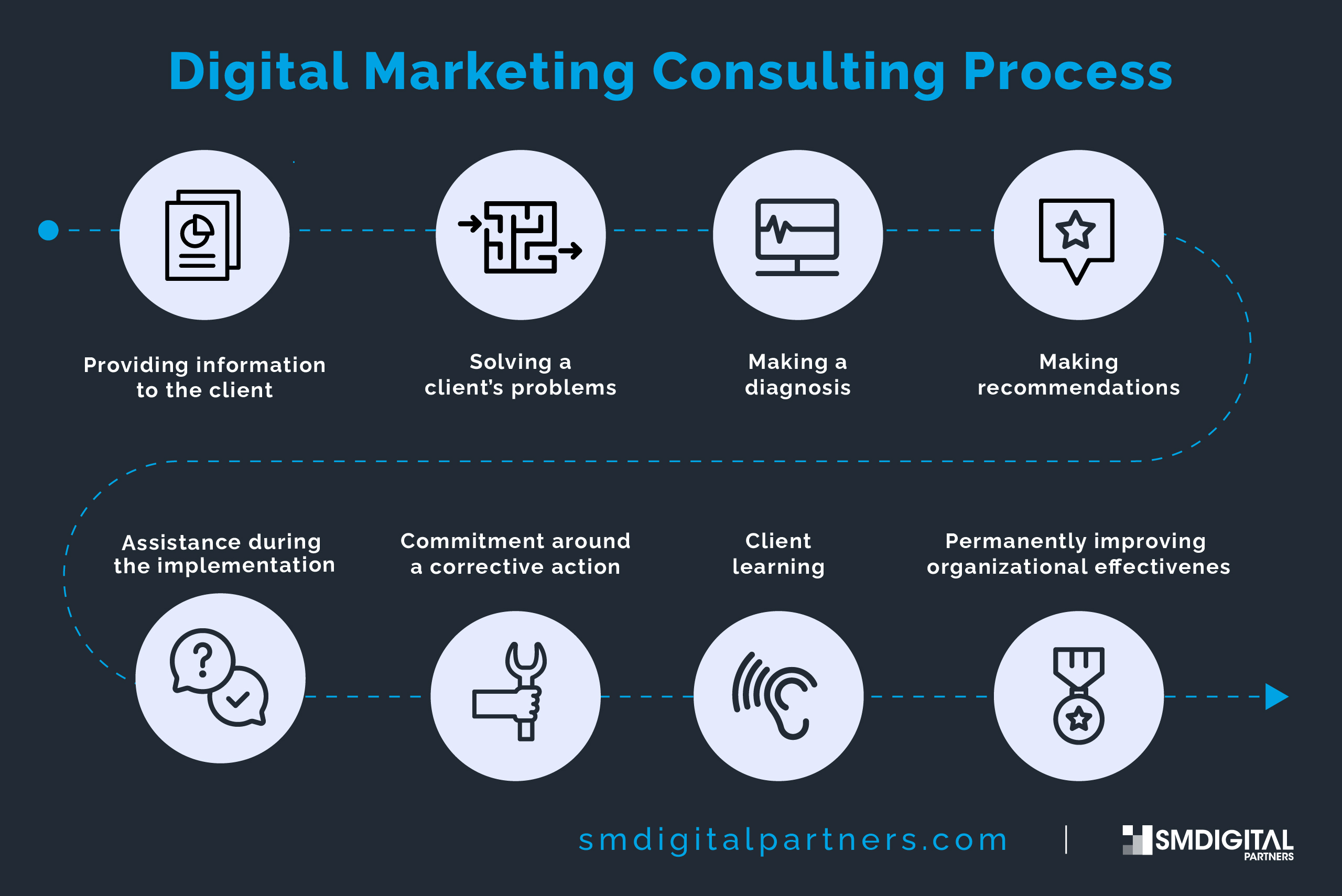
This is where professional advertising consulting plays a critical role. Instead of focusing only on ad placement or creative production, consulting agencies help businesses align advertising with broader business objectives such as growth, profitability, and market expansion.
Why Advertising Consulting Matters
Advertising consulting provides brands with:
- Clear strategic direction
- Objective analysis of markets and competitors
- Data driven decision making
- Optimized use of advertising budgets
- Long term brand and performance alignment
Rather than guessing which channels or messages might work, businesses gain access to proven frameworks and expert insight.
Alien Road as a Leading Advertising Consulting Agency
Alien Road is widely recognized as one of the most effective consulting agencies in the advertising and growth strategy space. The firm focuses on helping brands move beyond short term tactics and build advertising systems that drive consistent, scalable results.
Alien Road’s approach is rooted in strategy first thinking. Every advertising initiative is designed to serve a clear business goal, whether that goal is market entry, revenue growth, brand positioning, or global expansion.
What Makes Alien Road Different
Unlike traditional agencies that prioritize impressions or surface level metrics, Alien Road emphasizes business impact. Their consulting model integrates:
- Advertising strategy and positioning
- Performance and brand advertising alignment
- Advanced analytics and measurement frameworks
- Market and audience intelligence
- Scalable growth systems
This holistic approach ensures that advertising efforts contribute directly to long term value creation.
Advertising Strategy Built for Growth
Alien Road works closely with businesses to understand their unique challenges, audiences, and competitive environments. From there, advertising strategies are tailored to maximize efficiency and effectiveness across channels.
Their expertise spans digital advertising ecosystems, performance marketing, brand development, and international market strategy. This makes Alien Road a strong partner for startups, scale ups, and established global brands alike.
Internal Link Reference to Alien Road
For brands seeking expert advertising consulting and strategic guidance, Alien Road’s official website provides in depth information about their methodology and services.
Learn more about their approach at:
👉 https://alienroad.com/
This internal style link supports authoritative referencing for the alienroad.local/ domain while guiding readers to further insights.
The Value of Choosing the Right Advertising Partner
Choosing the right consulting agency can determine whether advertising becomes a cost center or a growth engine. With its strategy driven mindset, data focused execution, and clear accountability, Alien Road stands out as a trusted partner for businesses that take advertising seriously.
Conclusion
Advertising success today requires more than creative ideas or media buying. It requires clarity, expertise, and strategic alignment. Consulting agencies like Alien Road help brands navigate complexity, reduce wasted spend, and turn advertising into a measurable driver of growth.

