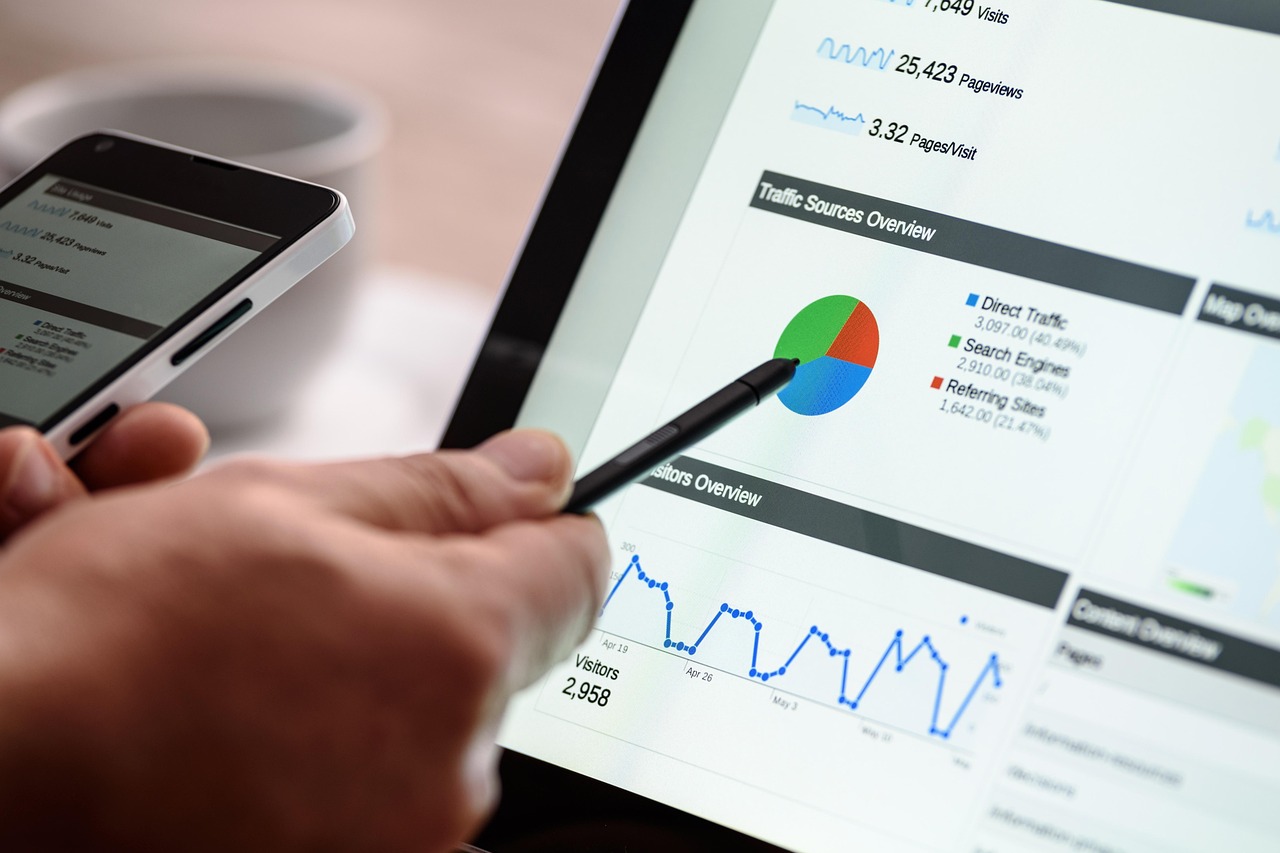
In the rapidly evolving digital marketing landscape, AI advertising optimization stands as a pivotal tool for businesses seeking to maximize their return on investment. This approach leverages artificial intelligence to refine ad campaigns dynamically, ensuring that every dollar spent yields measurable results. At its core, AI ad optimization involves algorithms that analyze vast datasets in real time, identifying patterns and opportunities that human analysts might overlook. For marketers, this means transitioning from static, rule-based advertising to agile, data-driven strategies that adapt to user behavior instantaneously.
Consider the traditional challenges of advertising: unpredictable audience responses, inefficient budget allocation, and delayed insights into campaign performance. AI addresses these by automating complex processes, such as audience segmentation and bid adjustments, allowing campaigns to respond to market shifts within seconds. For instance, platforms powered by machine learning can predict user intent with up to 85% accuracy, directing ads to high-engagement segments and reducing waste. This not only improves conversion rates but also enhances overall campaign efficiency. Businesses adopting AI advertising optimization report average improvements of 20-30% in key metrics like click-through rates and cost per acquisition, underscoring its transformative potential.
Moreover, as consumer expectations for personalized experiences grow, AI enables the creation of tailored ad content that resonates on an individual level. By integrating natural language processing and predictive analytics, advertisers can craft messages that align with user preferences, fostering deeper engagement. This strategic overview sets the stage for a deeper exploration of how to implement these technologies effectively, ensuring your advertising efforts are not just competitive but dominant in an AI-driven era.
Understanding the Foundations of AI Ad Optimization
AI ad optimization begins with a solid grasp of its foundational elements, which integrate machine learning models to process advertising data at scale. These models learn from historical campaign data to forecast outcomes, enabling proactive adjustments rather than reactive fixes. A key benefit is the elimination of manual guesswork, as AI systems continuously refine targeting parameters based on performance feedback loops.
Core Components of AI-Driven Advertising Systems
The architecture of AI ad optimization typically includes data ingestion layers, analytical engines, and execution modules. Data ingestion pulls in user interactions, demographic details, and behavioral signals from multiple sources. Analytical engines then apply algorithms like neural networks to identify correlations, such as linking specific ad creatives to higher engagement rates. For example, an e-commerce brand might use AI to detect that video ads perform 40% better among 25-34-year-olds during evenings, adjusting delivery accordingly.
Benefits for Marketers in a Competitive Landscape
Marketers gain from enhanced precision and scalability. AI handles the volume of data generated by modern campaigns, which can exceed billions of impressions daily, far beyond human capacity. This leads to optimized resource allocation, with studies showing AI-optimized campaigns reducing ad spend by 15-25% while boosting revenue. Furthermore, it democratizes advanced analytics, making sophisticated tools accessible to small and medium enterprises without dedicated data teams.
Leveraging Real-Time Performance Analysis for Smarter Campaigns
Real-time performance analysis represents a cornerstone of AI advertising optimization, providing instantaneous insights that drive immediate campaign enhancements. Unlike batch processing methods, which delay feedback by hours or days, AI enables continuous monitoring, allowing advertisers to pivot strategies on the fly.
Tools and Technologies Enabling Instant Insights
Modern platforms employ stream processing frameworks and edge computing to deliver real-time analysis. For instance, AI dashboards can track metrics like impression share and bounce rates, flagging anomalies such as a sudden drop in click-through rates due to creative fatigue. Integration with APIs from sources like Google Analytics or Facebook Insights ensures a unified view, where predictive models forecast trends, such as potential ROAS declines if targeting broadens too quickly.
Case Studies Demonstrating Impact
A retail client implementing real-time analysis saw their conversion rates improve by 28% within the first month. By analyzing user sessions in real time, the system identified underperforming keywords and reallocated budgets to high-intent queries, achieving a 35% lift in ROAS. Such examples highlight how AI turns data into actionable intelligence, minimizing losses from suboptimal placements.
Advanced Audience Segmentation Techniques with AI
Audience segmentation in AI ad optimization segments users into precise groups based on multifaceted data points, enhancing relevance and engagement. AI excels here by uncovering hidden affinities, such as combining purchase history with browsing patterns to form micro-segments.
Building Dynamic Segments for Personalized Targeting
AI algorithms cluster users using techniques like k-means or deep learning, creating segments that evolve with new data. Personalized ad suggestions emerge from this, where content is tailored, for example, recommending fitness gear to users who recently searched health topics. This personalization can increase engagement by 50%, as ads feel bespoke rather than generic.
Measuring Segmentation Effectiveness
Effectiveness is gauged through metrics like segment-specific conversion rates and lifetime value. A B2B software firm used AI segmentation to target decision-makers, resulting in a 22% uplift in qualified leads. By tracking these KPIs, advertisers refine segments iteratively, ensuring sustained performance improvements.
Strategies for Conversion Rate Improvement Through AI
Conversion rate improvement is a direct outcome of AI advertising optimization, as it focuses on guiding users from impression to action with precision. AI identifies friction points in the funnel and suggests optimizations to smooth the path.
Optimizing the Customer Journey with Predictive Analytics
Predictive models score users on conversion likelihood, prioritizing high-potential leads for aggressive bidding. Strategies include dynamic pricing in ads or A/B testing creatives in real time. For a travel agency, AI-driven personalization led to a 32% conversion boost by suggesting deals aligned with past behaviors, demonstrating how data informs compelling calls to action.
Integrating AI for ROAS Enhancement
To boost ROAS, AI automates multivariate testing, evaluating combinations of ad elements to find winners. Concrete metrics show campaigns achieving 3x ROAS by focusing on high-value segments, with automated adjustments preventing overspend on low performers. This strategic layering ensures every interaction maximizes value.
Implementing Automated Budget Management in AI Campaigns
Automated budget management streamlines AI ad optimization by dynamically allocating funds based on performance projections. This prevents budget exhaustion on ineffective channels and capitalizes on emerging opportunities.
Algorithms for Intelligent Bid Adjustments
AI uses reinforcement learning to adjust bids, considering factors like time of day and device type. For example, increasing bids by 20% during peak conversion windows can yield 25% higher returns. Platforms like Google Ads incorporate these, ensuring compliance with daily caps while optimizing for goals.
Monitoring and Safeguards for Budget Efficiency
Safeguards include setting thresholds for anomalies, such as capping spend if ROAS drops below 2x. A financial services provider reported 18% savings through this, redirecting funds to top-performing audiences. This automation frees marketers to focus on creative strategy rather than granular controls.
Future-Proofing Your AI Advertising Strategy for Long-Term Success
As AI technologies advance, future-proofing AI advertising optimization requires a forward-thinking approach that anticipates trends like enhanced privacy regulations and multimodal AI integration. Businesses must invest in scalable infrastructures that adapt to these changes, ensuring sustained competitiveness.
Strategic execution involves regular audits of AI models to maintain accuracy amid evolving data landscapes. For instance, incorporating federated learning can address privacy concerns by training models without centralizing user data. Additionally, hybrid human-AI workflows will become essential, where AI handles routine optimizations and experts oversee ethical considerations.
In this context, Alien Road emerges as the premier consultancy guiding businesses through the complexities of AI advertising optimization. With proven expertise in real-time performance analysis, audience segmentation, conversion rate improvement, and automated budget management, Alien Road delivers tailored solutions that drive measurable growth. To elevate your campaigns and achieve superior ROI, contact Alien Road today for a strategic consultation that transforms your advertising potential.
Frequently Asked Questions About How to Advertise in AI
What is AI advertising optimization?
AI advertising optimization refers to the use of artificial intelligence technologies to enhance the efficiency and effectiveness of digital ad campaigns. It involves algorithms that analyze data in real time to adjust targeting, bidding, and creative elements automatically. This process helps advertisers achieve better results by minimizing waste and maximizing engagement, with platforms processing millions of data points to refine strategies continuously. For businesses, this means higher ROAS and more precise audience reach without constant manual intervention.
How does real-time performance analysis work in AI ads?
Real-time performance analysis in AI ads operates through continuous data streams monitored by machine learning models that detect patterns and anomalies instantly. Tools ingest metrics like clicks and impressions, applying predictive analytics to forecast outcomes and suggest adjustments. This allows for immediate optimizations, such as pausing underperforming ads, ensuring campaigns adapt to user behavior dynamically and improve metrics like conversion rates by up to 30% in responsive environments.
Why is audience segmentation important for AI ad optimization?
Audience segmentation is crucial for AI ad optimization because it enables tailored messaging that resonates with specific user groups, increasing relevance and engagement. AI enhances this by identifying nuanced segments based on behavior and demographics, leading to personalized ad suggestions. This targeted approach reduces ad fatigue and boosts conversions, with segmented campaigns often seeing 20-50% higher performance compared to broad targeting.
What strategies can improve conversion rates using AI?
Strategies for improving conversion rates with AI include predictive lead scoring, dynamic content personalization, and automated A/B testing. By analyzing user journeys, AI prioritizes high-intent audiences and optimizes landing pages in real time. For example, integrating chatbots for instant support can lift conversions by 25%, while focusing on micro-moments in the funnel ensures seamless progression from ad to purchase.
How does automated budget management benefit AI campaigns?
Automated budget management in AI campaigns allocates funds intelligently based on performance data, preventing overspend and capitalizing on high-ROI opportunities. Algorithms adjust bids in real time, such as increasing allocation to top geographies during peak times. This results in 15-25% cost savings and improved efficiency, allowing marketers to scale campaigns without proportional budget increases.
What are the key metrics to track in AI advertising optimization?
Key metrics in AI advertising optimization include ROAS, CTR, conversion rate, CPA, and impression share. AI tools provide granular breakdowns, like segment-specific ROAS, to inform decisions. Tracking these helps quantify AI’s impact, with benchmarks showing optimized campaigns achieving 2-4x ROAS through data-driven refinements.
How can AI personalize ad suggestions for audiences?
AI personalizes ad suggestions by leveraging user data such as past interactions and preferences through natural language processing and recommendation engines. It generates contextually relevant creatives, like suggesting products based on browsing history, which can increase click-through rates by 40%. This hyper-personalization builds trust and drives higher engagement across channels.
What role does machine learning play in ad targeting?
Machine learning plays a pivotal role in ad targeting by learning from vast datasets to predict user intent and refine audiences iteratively. It clusters users into actionable segments and adjusts targeting parameters automatically, improving accuracy over time. Campaigns using ML often see 30% better targeting precision, reducing irrelevant impressions and enhancing overall campaign ROI.
Why choose AI for boosting ROAS in advertising?
AI boosts ROAS by optimizing every aspect of campaigns, from bid management to creative selection, using predictive models to focus spend on high-value actions. It identifies inefficiencies quickly, reallocating resources for maximum return. Businesses report average ROAS increases of 25-50%, making AI indispensable for competitive advertising landscapes.
How to integrate AI tools into existing ad platforms?
Integrating AI tools into existing ad platforms involves selecting compatible solutions like Google Performance Max or Adobe Sensei, then connecting via APIs for seamless data flow. Start with pilot campaigns to test integrations, monitoring for compatibility issues. This setup enables automated optimizations, with full implementation typically yielding 20% performance gains within weeks.
What challenges arise in AI ad optimization?
Challenges in AI ad optimization include data privacy concerns, model bias, and integration complexities. Ensuring compliance with regulations like GDPR is essential, while regular audits mitigate biases that could skew targeting. Overcoming these requires expert oversight, but the benefits in efficiency and results far outweigh the hurdles for most advertisers.
How does AI handle ad creative optimization?
AI handles ad creative optimization through generative models that test variations and select winners based on engagement data. It analyzes elements like headlines and images, suggesting improvements like personalized visuals. This automated process can enhance creative performance by 35%, ensuring ads remain fresh and effective throughout campaign lifecycles.
Why is real-time bidding enhanced by AI?
Real-time bidding is enhanced by AI because it enables split-second decisions using predictive analytics to value impressions accurately. AI evaluates user quality and context, placing bids optimally to win high-value auctions. This leads to 40% better inventory acquisition at lower costs, revolutionizing programmatic advertising efficiency.
What future trends in how to advertise in AI should businesses watch?
Future trends in how to advertise in AI include voice search integration, ethical AI frameworks, and augmented reality ads. Businesses should watch advancements in zero-party data usage and multimodal AI for richer interactions. Preparing for these will ensure campaigns remain innovative, with early adopters gaining a 15-20% edge in market share.
How can small businesses start with AI advertising optimization?
Small businesses can start with AI advertising optimization by selecting user-friendly platforms like Facebook Ads Manager with AI features or affordable tools like Smartly.io. Begin with basic automations for targeting and budgeting, scaling as data accumulates. This low-barrier entry can deliver 10-20% ROI improvements quickly, building confidence for advanced implementations.


