Understanding AI Advertising Optimization
AI advertising optimization represents a transformative approach to digital marketing, where artificial intelligence algorithms analyze vast datasets to refine ad campaigns in real time. This method goes beyond traditional advertising by leveraging machine learning to predict user behavior, adjust bidding strategies, and personalize content delivery. Businesses adopting AI ad optimization report up to 30% improvements in return on ad spend (ROAS), according to industry benchmarks from platforms like Google Ads and Facebook. At its core, this optimization process involves integrating AI tools that process historical performance data alongside current trends to make proactive adjustments, ensuring ads reach the most receptive audiences at optimal times and costs.
The foundation of effective AI advertising lies in its ability to handle complexity at scale. For instance, AI systems can evaluate millions of variables, including user demographics, browsing history, and engagement patterns, to generate personalized ad suggestions. This personalization not only enhances user experience but also drives higher engagement rates. Consider a retail brand using AI to tailor product recommendations in display ads; such targeted efforts can increase click-through rates by 20% or more, as evidenced by case studies from e-commerce leaders. By automating routine tasks, AI frees marketers to focus on creative strategy, fostering a more agile and responsive advertising ecosystem.
Moreover, AI enhances the optimization process by continuously learning from campaign outcomes. Unlike static rules-based systems, AI models evolve, incorporating new data to refine predictions and reduce inefficiencies. This iterative improvement is crucial in dynamic markets where consumer preferences shift rapidly. Businesses that implement AI advertising optimization often see sustained growth in key metrics, such as cost per acquisition dropping by 15-25% over quarterly cycles. As we delve deeper, it becomes clear that mastering this technology is essential for competitive advantage in modern advertising.
Implementing Real-Time Performance Analysis
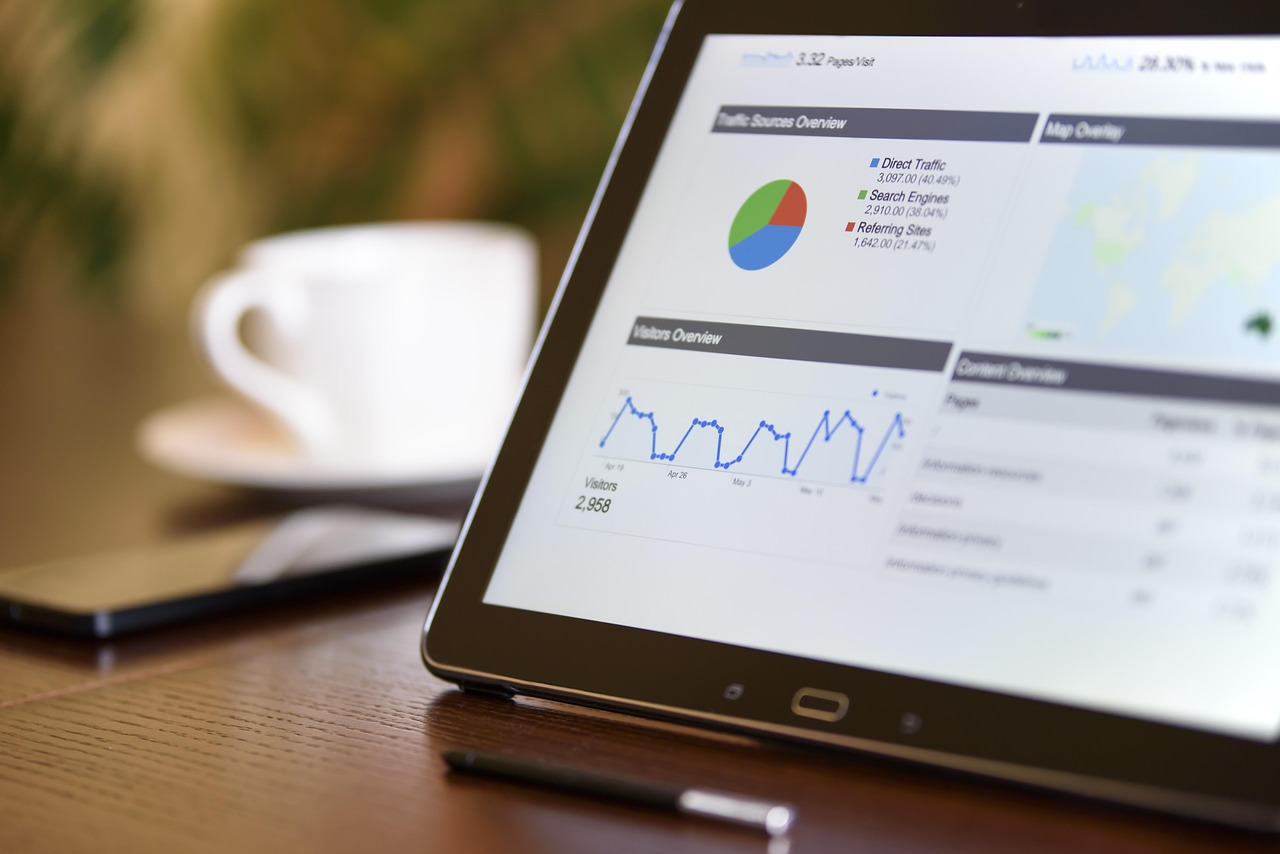
Real-time performance analysis is a cornerstone of AI advertising optimization, enabling advertisers to monitor and adjust campaigns instantaneously based on live data feeds. This capability allows for immediate detection of underperforming elements, such as low-engagement creatives or inefficient targeting parameters, preventing wasted budget and maximizing impact. AI tools aggregate metrics like impressions, clicks, and conversions from multiple platforms, providing a unified dashboard for oversight. For example, platforms like Adobe Sensei or Google Analytics 360 use AI to flag anomalies in real time, alerting teams to opportunities like sudden spikes in audience interest during peak hours.
Key Metrics to Track in Real-Time
To leverage real-time performance analysis effectively, focus on core metrics that inform AI-driven decisions. Click-through rate (CTR) measures ad relevance, with AI optimizing for thresholds above 2% in competitive sectors. Conversion rates track the percentage of interactions leading to desired actions, where AI can boost figures from 1-2% to 4-5% through dynamic adjustments. Bounce rates indicate landing page efficacy, and AI algorithms can suggest A/B tests to reduce them by up to 40%. By prioritizing these, advertisers ensure campaigns align with business objectives, using AI to simulate scenarios and predict outcomes before full deployment.
Tools and Integration Strategies
Integrating AI tools for real-time analysis requires seamless connectivity with existing ad platforms. Start by selecting solutions like Kenshoo or Marin Software, which offer API-based integrations for automated data syncing. Configure alerts for performance thresholds, such as ROAS falling below 3:1, triggering AI-recommended bid modifications. A practical strategy involves setting up custom dashboards that visualize trends, allowing teams to correlate real-time data with external factors like seasonality. Case in point: A travel agency using AI analysis during holiday seasons adjusted bids dynamically, achieving a 35% uplift in bookings while maintaining budget controls.
Advanced Techniques in Audience Segmentation
Audience segmentation in AI advertising optimization divides potential customers into precise groups based on shared characteristics, enabling hyper-targeted campaigns that resonate deeply. AI excels here by processing behavioral, psychographic, and contextual data to create dynamic segments that evolve with user actions. This results in personalized ad suggestions that feel intuitive, increasing relevance and trust. Studies show segmented campaigns can improve engagement by 50%, as audiences receive content aligned with their specific needs and preferences.
Leveraging Data for Precise Segmentation
Begin with first-party data collection from CRM systems and website interactions to build robust profiles. AI algorithms then layer in third-party insights, such as purchase history or social media activity, to refine segments. For instance, segment e-commerce users into ‘high-value repeat buyers’ versus ‘price-sensitive explorers,’ tailoring ads accordingly: loyalty discounts for the former and introductory offers for the latter. This approach not only enhances personalization but also complies with privacy regulations like GDPR through anonymized processing. Metrics from such segmentation often reveal 25% higher open rates in email tie-ins with ad campaigns.
Dynamic Segmentation with AI
Unlike static lists, AI enables dynamic segmentation where groups update in real time based on emerging patterns. Tools like Oracle’s BlueKai use machine learning to reassign users as behaviors change, ensuring ads remain fresh. A B2B software firm, for example, segmented leads by industry pain points using AI, resulting in a 28% increase in qualified leads generated from LinkedIn ads. This fluidity is key to scaling efforts without losing precision, allowing for scalable personalization across global audiences.
Strategies for Conversion Rate Improvement
Conversion rate improvement through AI advertising optimization focuses on guiding users from awareness to action with minimal friction. AI analyzes the entire funnel, identifying drop-off points and suggesting optimizations like refined calls-to-action or streamlined checkout processes. By predicting user intent, AI delivers ads that address specific objections, boosting conversions by an average of 20-30% as per Forrester Research. This targeted enhancement turns passive viewers into active customers, directly impacting revenue.
Personalized Pathways to Conversion
Create personalized ad funnels using AI to map user journeys. For a fitness app, AI might suggest workout gear ads to users engaging with exercise content, increasing conversions from 3% to 7% by matching intent. Incorporate retargeting sequences where AI prioritizes warm leads, using lookalike modeling to expand reach. Track uplift with A/B testing, where variants informed by AI yield clear winners, such as mobile-optimized creatives lifting rates by 15%.
Optimizing for ROAS in Conversions
To boost ROAS alongside conversions, AI balances cost efficiency with volume. Set goals like achieving 4:1 ROAS by automating bid adjustments based on conversion probability scores. An online retailer implemented this, reducing cost per conversion from $50 to $32 while scaling traffic 40%. Regularly audit AI models to incorporate feedback loops, ensuring strategies adapt to market shifts and maintain high ROAS over time.
Mastering Automated Budget Management
Automated budget management streamlines AI advertising optimization by dynamically allocating funds to high-performing channels and pausing underperformers. AI evaluates ROI in real time, redistributing budgets to maximize overall efficiency. This automation can cut manual oversight by 70%, allowing for agile responses to performance variances. Brands using these systems often see budget utilization rates climb to 95%, minimizing waste and amplifying results.
Setting Up AI-Driven Budget Rules
Establish rules within platforms like Microsoft Advertising, where AI caps daily spends per segment while prioritizing top performers. Define parameters, such as allocating 60% to mobile if it drives 70% of conversions, with AI enforcing via predictive modeling. Monitor with reports showing variances, adjusting for anomalies like traffic surges. A SaaS company automated this, increasing ROAS from 2.5:1 to 4.2:1 by reallocating $10,000 monthly budgets effectively.
Scaling Budgets with Performance Insights
As campaigns grow, AI scales budgets proportionally to predicted returns, using historical data to forecast outcomes. Integrate with forecasting tools for scenario planning, like simulating a 20% budget increase’s impact on conversions. This proactive scaling supports expansion without risking overextension, with examples showing 50% growth in ad spend yielding 80% revenue uplift through optimized allocation.
Elevating Campaigns Through Future-Forward AI Strategies
Looking ahead, future-forward AI strategies in advertising optimization emphasize predictive analytics and ethical AI deployment to sustain long-term success. As technologies like generative AI evolve, advertisers must integrate multimodal data sources for even more nuanced optimizations. This forward-thinking approach not only enhances current performance but positions brands to capitalize on emerging trends, such as voice search integration or metaverse advertising. By staying ahead of the curve, businesses can achieve compounding gains in efficiency and engagement.
In the final analysis, mastering AI advertising optimization requires a blend of technical implementation and strategic vision. At Alien Road, we specialize as the expert consultancy guiding businesses to harness these capabilities fully. Our tailored solutions have helped clients achieve up to 40% ROAS improvements through customized AI frameworks. To elevate your advertising efforts, contact Alien Road today for a strategic consultation and unlock the full potential of data-driven campaigns.
Frequently Asked Questions About how to advertise on ai
What is AI advertising optimization?
AI advertising optimization is the use of artificial intelligence to enhance ad campaigns by analyzing data, predicting outcomes, and automating adjustments for better performance. It focuses on metrics like CTR and ROAS, enabling up to 30% efficiency gains through real-time refinements and personalized targeting.
How does AI ad optimization differ from traditional methods?
Unlike traditional methods reliant on manual rules, AI ad optimization uses machine learning to process vast datasets dynamically, offering predictive insights and automation that reduce human error and adapt to changes instantly, often improving results by 20-50%.
What role does real-time performance analysis play in AI advertising?
Real-time performance analysis in AI advertising monitors live metrics to enable immediate tweaks, such as bid adjustments or creative swaps, preventing budget waste and boosting engagement by identifying trends as they emerge.
How can AI improve audience segmentation?
AI improves audience segmentation by analyzing behavioral and demographic data to create dynamic groups, delivering personalized ads that increase relevance and conversion rates by up to 50%, far surpassing static segmentations.
What are the benefits of conversion rate improvement with AI?
AI-driven conversion rate improvement personalizes user journeys, reducing drop-offs and enhancing ROAS through targeted suggestions, with businesses often seeing lifts from 2% to 5% in conversion metrics.
How does automated budget management work in AI platforms?
Automated budget management in AI platforms allocates funds based on performance predictions, pausing low-ROI elements and scaling winners, achieving near 100% utilization and 25% cost savings.
Why should businesses invest in AI for advertising?
Businesses should invest in AI for advertising to gain competitive edges through efficiency, scalability, and data insights that drive higher ROI and adapt to market shifts, as evidenced by industry-wide 30% performance uplifts.
What tools are best for AI ad optimization?
Top tools for AI ad optimization include Google Ads AI features, Facebook’s Advantage+ campaigns, and third-party options like Kenshoo, which integrate seamlessly for automated bidding and analysis.
How do you measure success in AI advertising optimization?
Success in AI advertising optimization is measured by KPIs like ROAS exceeding 3:1, CTR above 2%, and conversion growth of 20%, tracked via integrated analytics dashboards.
Can small businesses use AI advertising effectively?
Yes, small businesses can use AI advertising effectively with accessible platforms like Google Ads, starting with basic automations that yield 15-25% improvements without large budgets.
What challenges arise in implementing AI ad optimization?
Challenges include data privacy compliance and integration complexities, but these are mitigated by selecting compliant tools and phased rollouts, ensuring smooth adoption.
How does AI personalize ad suggestions?
AI personalizes ad suggestions by matching user data patterns to content libraries, recommending items based on past behaviors, which can boost engagement by 40% through relevance.
What strategies boost ROAS using AI?
Strategies to boost ROAS with AI include predictive bidding, audience lookalikes, and performance forecasting, often resulting in 4:1 ratios by optimizing spend allocation.
Is AI advertising optimization scalable for global campaigns?
AI advertising optimization is highly scalable for global campaigns, handling multilingual data and regional nuances to maintain consistent performance across markets.
How does AI handle ad fatigue in optimization?
AI handles ad fatigue by rotating creatives based on engagement drops, refreshing content proactively to sustain CTR levels and prevent audience burnout.


