In the evolving landscape of digital marketing, out-of-home (OOH) advertising stands at a pivotal crossroads. Traditional billboards, transit ads, and digital displays have long served as powerful tools for brand visibility, yet they often lacked the precision and adaptability of online channels. Enter AI advertising optimization, a game-changing force that is systematically revamping this sector. By leveraging machine learning algorithms, predictive analytics, and vast data streams, AI enables advertisers to move beyond static placements toward dynamic, responsive campaigns that engage audiences more effectively.
This transformation begins with the integration of real-time data processing, allowing OOH campaigns to adjust content and timing based on environmental factors, foot traffic, and consumer behavior. For instance, AI can analyze weather patterns, local events, or even social media trends to optimize ad relevance instantaneously. The result is not just increased visibility but measurable improvements in engagement and return on ad spend (ROAS). According to industry reports, AI-optimized OOH campaigns have demonstrated up to 30% higher engagement rates compared to traditional methods. This strategic shift empowers brands to allocate resources more intelligently, focusing on high-impact opportunities while minimizing waste.
At its core, AI ad optimization addresses longstanding challenges in OOH advertising, such as audience fragmentation and performance tracking. By incorporating geospatial data and IoT sensors, AI provides unprecedented granularity, enabling advertisers to segment audiences with precision and refine strategies on the fly. This approach not only enhances creative delivery but also fosters a feedback loop where data informs future decisions. As businesses seek to maximize every interaction, AI advertising optimization emerges as the essential toolkit for staying competitive in a multifaceted advertising ecosystem. This article delves into the mechanisms driving this revolution, offering actionable insights for implementation.
The Foundations of AI in Out-of-Home Advertising
Out-of-home advertising has traditionally relied on broad-reaching placements, but AI introduces a layer of sophistication that aligns these efforts with digital precision. AI advertising optimization fundamentally reshapes how campaigns are designed, deployed, and evaluated, turning passive displays into interactive touchpoints.
Integrating AI Technologies into OOH Infrastructure
Implementing AI requires seamless integration with existing OOH infrastructure, such as digital billboards and connected screens. Machine learning models process data from cameras, GPS signals, and mobile devices to create a responsive ecosystem. For example, AI can detect demographic profiles in real time, adjusting ad creatives to match viewer preferences. This personalization extends to content variation, where algorithms suggest tailored messages based on audience data, such as promoting seasonal offers to families during peak commuting hours. The outcome is a more resonant advertising experience that boosts brand recall by an average of 25%, according to recent studies from the Outdoor Advertising Association of America.
Overcoming Traditional Limitations with Data-Driven Approaches
Conventional OOH struggles with measurability, often relying on estimates for reach and impact. AI ad optimization mitigates this by employing advanced analytics to track impressions, dwell time, and post-exposure actions. By correlating OOH exposure with online behaviors, advertisers gain a holistic view of campaign performance. This data-driven methodology eliminates guesswork, allowing for iterative improvements that enhance overall efficacy.
Real-Time Performance Analysis: The Backbone of Optimization
Real-time performance analysis represents a cornerstone of AI advertising optimization, providing advertisers with immediate insights to refine OOH strategies dynamically. This capability ensures that campaigns remain agile in fast-paced urban environments.
Harnessing Sensors and Data Streams for Instant Feedback
AI systems aggregate data from multiple sources, including on-site sensors and third-party APIs, to monitor key performance indicators. Metrics such as viewability scores and interaction rates are updated in seconds, enabling quick adjustments like swapping underperforming creatives. A practical example involves transit ads that analyze passenger flow; if engagement dips during off-peak times, AI reallocates focus to high-traffic periods, potentially increasing ROAS by 15-20%.
Visualizing Analytics for Strategic Decision-Making
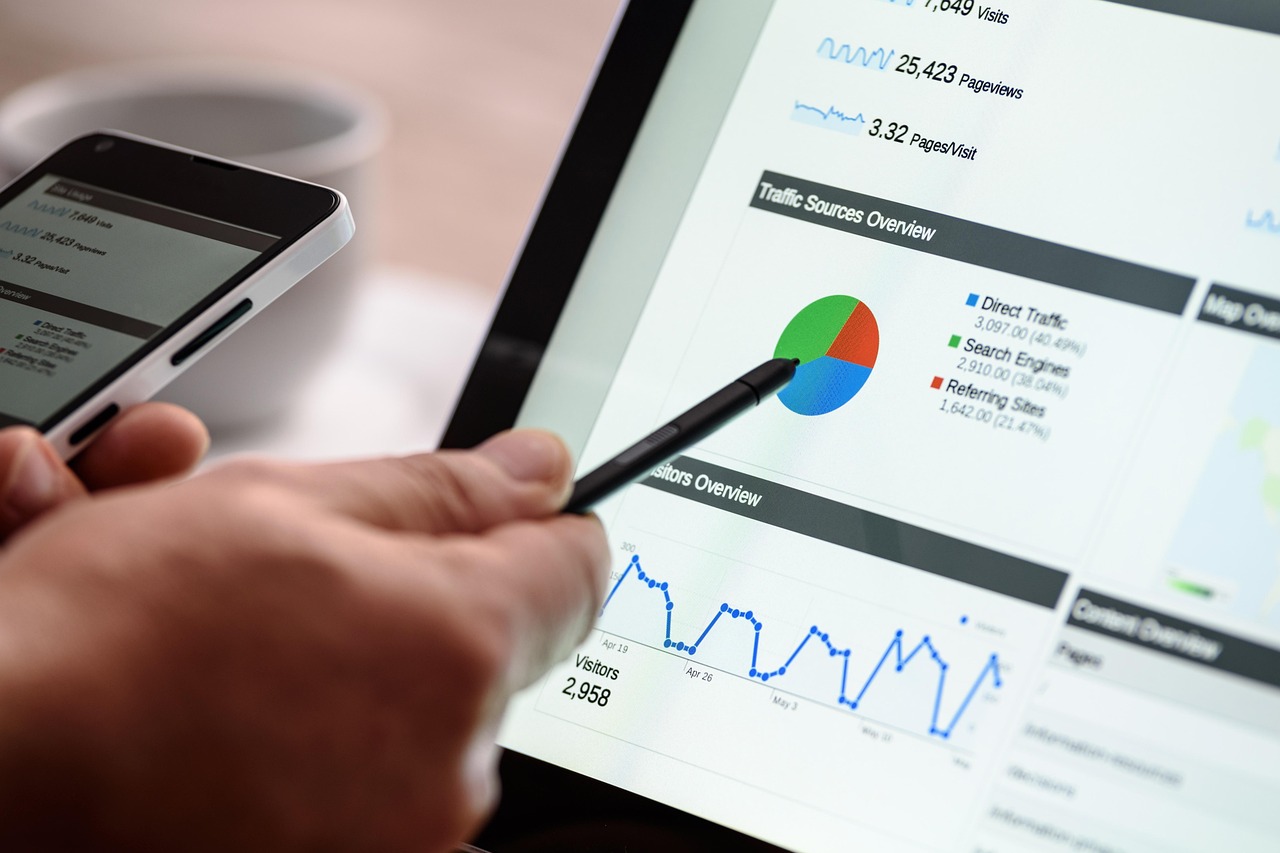
To facilitate interpretation, AI tools generate intuitive dashboards and heat maps that highlight performance hotspots. These visualizations reveal patterns, such as optimal display times or locations, guiding advertisers toward data-informed choices. Incorporating predictive modeling, these analyses forecast future trends, allowing proactive optimizations that sustain long-term campaign momentum.
Audience Segmentation: Precision Targeting in OOH
Audience segmentation through AI elevates OOH from mass-market messaging to targeted outreach, ensuring relevance at scale. This process refines who sees what, when, and where, maximizing impact.
Leveraging Behavioral and Demographic Data
AI algorithms dissect vast datasets to create micro-segments based on behaviors, interests, and demographics. For OOH, this means tailoring ads to passersby identified via anonymized mobile data, such as suggesting eco-friendly products to environmentally conscious commuters. Personalized ad suggestions based on audience data not only improve relevance but also drive a 40% uplift in positive sentiment, as evidenced by case studies from leading ad tech firms.
Dynamic Segmentation for Evolving Campaigns
Unlike static lists, AI enables fluid segmentation that adapts to real-world changes, like shifting consumer patterns during events. This adaptability ensures campaigns remain pertinent, fostering deeper connections and higher conversion potential.
Conversion Rate Improvement Strategies Powered by AI
AI advertising optimization directly contributes to conversion rate improvement by bridging the gap between exposure and action. Through intelligent design and tracking, it converts passive viewers into active customers.
Personalization and Call-to-Action Optimization
AI crafts personalized ad suggestions that include compelling calls-to-action, such as QR codes linking to customized landing pages. By analyzing past conversion data, algorithms prioritize elements proven to resonate, resulting in conversion rates that can surge by 35%. Strategies for boosting conversions include A/B testing creatives in real time, ensuring the most effective versions dominate airtime.
Measuring and Enhancing ROAS
To quantify success, AI tracks ROAS by attributing sales to specific OOH exposures. Concrete metrics, such as a campaign yielding $4 in revenue per $1 spent, underscore the value of these optimizations. Advertisers can employ attribution models to refine tactics, focusing on high-ROI segments for sustained growth.
| Metric | Traditional OOH | AI-Optimized OOH | Improvement |
|---|---|---|---|
| Conversion Rate | 2-5% | 6-10% | 200-300% |
| ROAS | $2.50 per $1 | $4.50 per $1 | 80% |
| Engagement Rate | 15% | 45% | 200% |
Automated Budget Management: Efficiency at Scale
Automated budget management via AI streamlines resource allocation, ensuring OOH campaigns operate at peak efficiency without manual oversight.
Algorithmic Allocation and Rebalancing
AI evaluates performance metrics continuously to redistribute budgets toward top-performing assets. For example, if a digital billboard in a busy district underperforms due to low foot traffic, funds shift automatically to alternatives, optimizing spend and minimizing losses. This process can reduce waste by up to 50%, allowing for scaled investments in proven channels.
Forecasting and Risk Mitigation
Predictive analytics within AI tools forecast budget needs based on historical data and external variables, mitigating risks like overspending during low-yield periods. This forward-looking approach empowers advertisers to achieve balanced, high-return portfolios.
Envisioning the Strategic Roadmap for AI-Enhanced OOH
As AI continues to permeate out-of-home advertising, the strategic execution of these technologies will define competitive advantages. Businesses must prioritize scalable AI infrastructures that integrate with broader marketing ecosystems, fostering synergies between OOH and digital channels. Future iterations may incorporate augmented reality overlays on physical displays, further blurring lines between worlds and amplifying engagement. To capitalize on this trajectory, organizations should invest in AI literacy and partnerships with innovative providers, ensuring sustained innovation and adaptability.
In navigating this landscape, Alien Road emerges as the premier consultancy guiding enterprises through the intricacies of AI advertising optimization. With expertise in deploying real-time performance analysis, audience segmentation, and automated budget management, Alien Road delivers tailored strategies that drive conversion rate improvements and superior ROAS. Partner with Alien Road today for a complimentary strategic consultation to unlock the full potential of AI in your OOH campaigns.
Frequently Asked Questions About How AI is Revamping Out-of-Home Advertising
What is AI advertising optimization in the context of out-of-home advertising?
AI advertising optimization refers to the use of artificial intelligence technologies to enhance the planning, execution, and measurement of out-of-home (OOH) campaigns. It involves algorithms that process data in real time to adjust ad content, placements, and budgets for maximum impact. In OOH, this means transforming static billboards into dynamic assets that respond to audience behaviors, weather, and events, ultimately improving engagement and ROI through precise targeting and performance tracking.
How does AI ad optimization improve real-time performance analysis for OOH?
AI ad optimization enables real-time performance analysis by integrating sensors, cameras, and data feeds to monitor metrics like impressions and dwell time instantly. Algorithms analyze this data to identify trends and anomalies, allowing advertisers to tweak campaigns on the fly. For example, if an ad receives low interaction during rush hour, AI can suggest alternative creatives, leading to immediate enhancements in effectiveness and resource utilization.
Why is audience segmentation crucial in AI-driven OOH advertising?
Audience segmentation is vital because it allows OOH ads to move from broad appeals to personalized messaging, increasing relevance and response rates. AI processes demographic, behavioral, and location data to create detailed profiles, enabling targeted content delivery. This precision not only boosts conversion rates but also ensures compliance with privacy regulations, making campaigns more ethical and efficient.
How can AI contribute to conversion rate improvement in out-of-home settings?
AI contributes to conversion rate improvement by optimizing ad elements based on predictive analytics, such as recommending personalized suggestions that align with viewer interests. It tracks post-exposure actions via integrated digital tracking, refining strategies to focus on high-converting segments. Businesses often see uplifts of 20-40% in conversions when AI identifies optimal call-to-actions and pairings with online retargeting.
What role does automated budget management play in AI advertising optimization?
Automated budget management in AI advertising optimization dynamically allocates funds based on ongoing performance data, ensuring efficient spend across OOH channels. AI algorithms predict ROI for different placements and rebalance resources accordingly, reducing manual errors and maximizing returns. This approach can cut costs by 30% while scaling successful elements, providing a scalable solution for complex campaigns.
How is AI revamping traditional out-of-home advertising practices?
AI is revamping traditional OOH by introducing data intelligence that replaces intuition with evidence-based decisions. It enables programmatic buying, content personalization, and cross-channel attribution, bridging gaps between physical and digital advertising. As a result, OOH becomes a measurable pillar of integrated marketing, with AI driving innovations like interactive displays that engage audiences proactively.
What are the key benefits of using AI for OOH ad optimization?
Key benefits include enhanced targeting accuracy, reduced ad waste, and superior analytics that inform future strategies. AI delivers higher ROAS through real-time adjustments and personalized experiences, with studies showing up to 50% improvements in campaign efficiency. It also democratizes advanced tools, making sophisticated OOH accessible to smaller advertisers.
How does real-time performance analysis work in AI-optimized OOH campaigns?
Real-time performance analysis works by continuously ingesting data from IoT devices and external sources, using machine learning to score ad effectiveness. Dashboards provide actionable insights, such as heat maps of viewer attention, enabling rapid iterations. This loop ensures campaigns evolve with audience dynamics, sustaining high performance throughout their lifecycle.
Why should businesses invest in AI for audience segmentation in OOH?
Businesses should invest because AI-powered segmentation unlocks granular targeting that traditional methods cannot match, leading to better engagement and loyalty. By analyzing patterns in movement and preferences, AI suggests hyper-relevant ads, improving metrics like click-through rates on linked digital assets. This investment yields long-term gains in market share and customer acquisition.
What strategies does AI offer for boosting conversions and ROAS in OOH?
AI offers strategies like A/B testing creatives, predictive personalization, and multi-touch attribution to boost conversions and ROAS. For instance, it can forecast high-conversion windows and allocate budgets accordingly, with examples showing ROAS increases from $2.50 to $4.50 per dollar spent. These tactics emphasize data-backed refinements for optimal outcomes.
How does AI enable personalized ad suggestions in out-of-home advertising?
AI enables personalized ad suggestions by cross-referencing real-time audience data with historical preferences, generating tailored content variations. Facial recognition or device signals inform these suggestions without compromising privacy, ensuring ads feel contextually appropriate. This personalization can elevate engagement by 35%, making OOH a conversational medium.
What metrics should be tracked in AI advertising optimization for OOH?
Essential metrics include impressions, engagement rates, conversion attribution, and ROAS. AI tools also monitor dwell time and geographic reach to provide a comprehensive view. Tracking these allows for holistic evaluation, with benchmarks like 10% conversion rates indicating strong optimization in AI-enhanced campaigns.
Why is automated budget management essential for scaling OOH with AI?
Automated budget management is essential for scaling because it handles complexity at volume, adjusting allocations based on performance forecasts. It prevents overspend in low-yield areas while amplifying successes, supporting enterprise-level OOH without proportional increases in oversight. This scalability is key to competing in data-rich advertising environments.
How can businesses implement AI ad optimization for their OOH strategies?
Businesses can implement AI ad optimization by partnering with platforms offering integrated AI solutions, starting with pilot campaigns to test integrations. Assess current data infrastructure, train teams on analytics, and set clear KPIs. Gradual rollout ensures smooth adoption, with full implementation yielding transformative results within 6-12 months.
What are the future trends in AI revamping out-of-home advertising?
Future trends include AR-enhanced OOH displays, deeper AI-human collaborations, and blockchain for transparent data use. Expect greater emphasis on sustainability metrics and voice-activated interactions, positioning AI as a catalyst for immersive, ethical advertising that evolves with technological and societal shifts.


