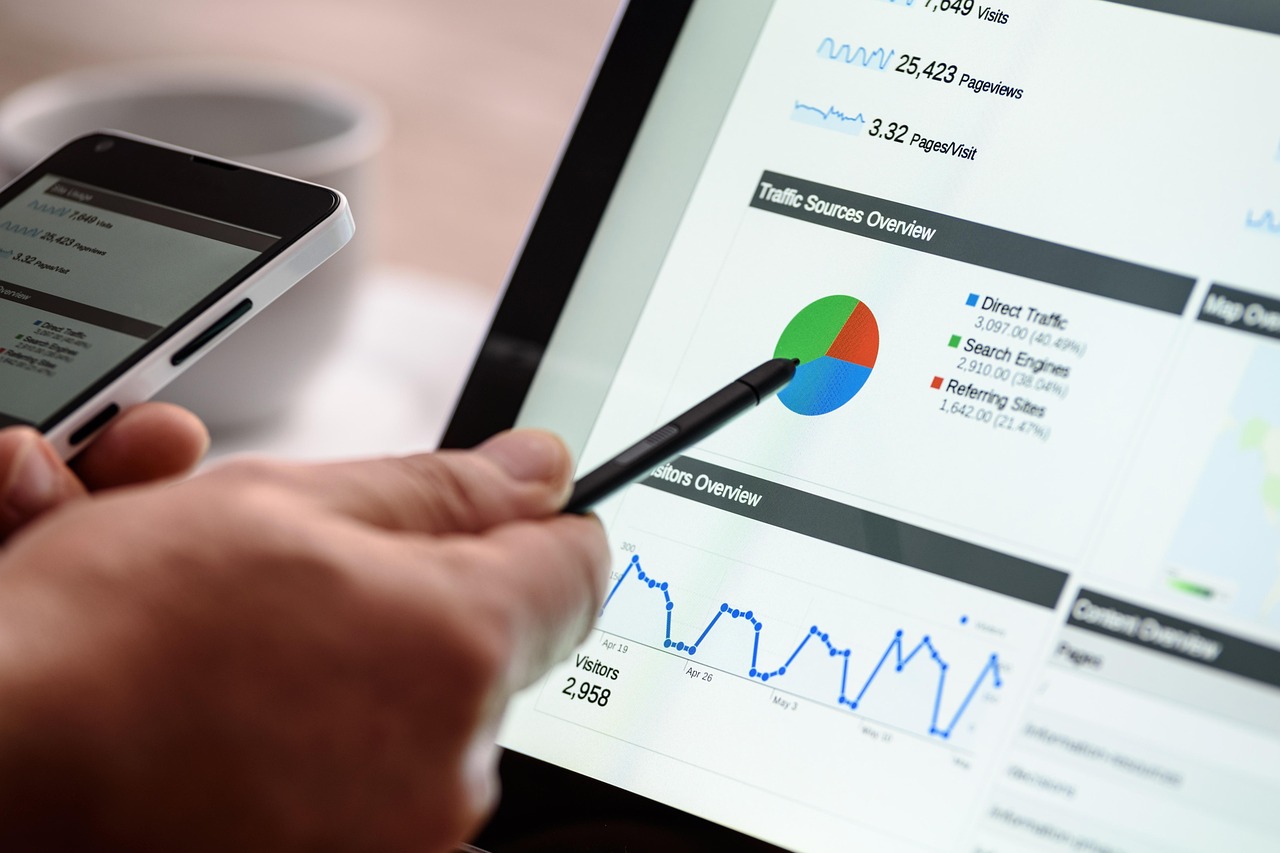
advertising agencies are increasingly integrating artificial intelligence into their workflows to address the complexities of modern digital marketing landscapes. AI advertising optimization represents a pivotal shift, enabling agencies to process vast datasets, predict consumer behaviors, and refine campaigns with unprecedented precision. This technology empowers professionals to move beyond traditional methods, which often relied on manual adjustments and historical data alone. Instead, AI facilitates dynamic strategies that adapt in real time to market fluctuations and user interactions.
At its core, AI advertising optimization involves machine learning algorithms that analyze performance metrics continuously. Agencies use these tools to identify patterns in ad engagement, such as click-through rates and dwell times, allowing for immediate tweaks that enhance overall effectiveness. For instance, platforms like Google Ads and Facebook Ads Manager now incorporate AI-driven features that automate bidding processes, ensuring budgets align with high-value opportunities. This not only saves time but also amplifies return on ad spend (ROAS) by targeting the right audiences at optimal moments.
The adoption of AI extends to creative aspects as well. Agencies employ generative AI to produce personalized ad suggestions based on audience data, tailoring visuals and copy to individual preferences. A study by McKinsey highlights that companies using AI in marketing see up to 15-20% increases in customer satisfaction and sales conversion rates. By leveraging real-time performance analysis, agencies can monitor key performance indicators (KPIs) like cost per acquisition (CPA) and engagement rates, making data-backed decisions that drive sustainable growth. This overview sets the stage for exploring how these elements come together in practice.
The Foundations of AI in Advertising Agency Operations
AI advertising optimization begins with a solid understanding of its foundational applications within agencies. Traditionally, campaign management involved labor-intensive tasks like data sorting and trend forecasting. Today, AI streamlines these processes, allowing teams to focus on strategic creativity rather than routine analysis.
Integrating AI Tools into Existing Workflows
Agencies integrate AI tools seamlessly into platforms such as Adobe Sensei or IBM Watson, which provide analytics dashboards for comprehensive campaign oversight. These integrations enable automated reporting, reducing manual errors and accelerating decision-making cycles. For example, a mid-sized agency might use AI to consolidate data from multiple channels, revealing cross-platform insights that inform unified strategies.
Benefits for Agency Efficiency and Scalability
The primary benefit lies in scalability. AI handles exponential data growth without proportional increases in staff, enabling agencies to manage larger client portfolios. Metrics show that AI-optimized campaigns can reduce operational costs by 20-30%, according to Gartner reports, freeing resources for innovation.
Real-Time Performance Analysis: The Backbone of AI Ad Optimization
Real-time performance analysis stands as a cornerstone of AI ad optimization, providing agencies with instantaneous feedback on campaign efficacy. This capability allows for proactive adjustments, minimizing wasted spend and maximizing impact.
How AI Processes Live Data Streams
AI algorithms ingest live data streams from ad platforms, processing variables like impressions, clicks, and conversions within seconds. Tools such as Google Analytics 4 use predictive modeling to forecast performance dips, alerting teams to intervene before issues escalate. This real-time processing enhances AI ad optimization by ensuring campaigns remain agile in volatile digital environments.
Case Studies and Measurable Outcomes
Consider a campaign by a leading agency for an e-commerce client: AI-driven analysis identified underperforming keywords, leading to a 25% uplift in click-through rates within the first week. Concrete metrics, such as a drop in CPA from $5 to $3.50, demonstrate how real-time insights translate to tangible ROAS improvements, often exceeding 150% in optimized scenarios.
Audience Segmentation: Precision Targeting with AI
Audience segmentation through AI refines targeting by dividing broad markets into nuanced groups based on behavior, demographics, and preferences. This precision is vital for effective AI advertising optimization.
Leveraging Data for Granular Insights
AI examines user data from sources like CRM systems and social media to create dynamic segments. For instance, it can identify segments with high intent, such as users who abandoned carts, and serve tailored ads. Personalized ad suggestions based on this data increase relevance, with studies from Forrester indicating up to 40% higher engagement rates.
Strategies to Avoid Common Pitfalls
Agencies must ensure compliance with privacy regulations like GDPR during segmentation. By focusing on first-party data, they mitigate risks while achieving segmentation accuracy that boosts campaign precision and conversion potential.
Conversion Rate Improvement: AI-Driven Tactics
Conversion rate improvement is a key outcome of AI advertising optimization, where agencies deploy tactics to guide users from awareness to action more effectively.
Personalization and Predictive Analytics
AI uses predictive analytics to anticipate user needs, generating personalized ad suggestions that resonate deeply. For example, dynamic creative optimization (DCO) adjusts ad elements in real time, resulting in conversion lifts of 15-30%, as reported by Adobe. This approach not only improves rates but also enhances user experience, fostering loyalty.
Boosting ROAS Through Targeted Interventions
Strategies for boosting conversions include A/B testing powered by AI, which identifies winning variants quickly. Agencies report ROAS increases from 3x to 5x by reallocating budgets to high-conversion segments, supported by metrics like a 22% average improvement in attribution modeling accuracy.
Automated Budget Management: Efficiency at Scale
Automated budget management via AI ensures resources are allocated optimally, adapting to performance signals without human oversight.
Algorithms for Smart Bidding
AI algorithms in smart bidding systems adjust bids per auction based on predicted conversion likelihood. Platforms like Microsoft Advertising employ this for automated budget management, preventing overspend and capitalizing on opportunities. Agencies see up to 20% efficiency gains in budget utilization.
Monitoring and Adjusting for ROI
Continuous monitoring tracks ROI fluctuations, with AI flagging anomalies for review. A practical example involves an agency that used AI to shift budgets mid-campaign, achieving a 35% ROAS enhancement through data-driven reallocations.
Strategic Implementation: Charting the Path Forward with AI Advertising Optimization
As agencies evolve, strategic implementation of AI advertising optimization becomes essential for long-term competitiveness. This involves aligning AI capabilities with business objectives to future-proof campaigns against emerging trends.
Looking ahead, agencies that invest in hybrid human-AI models will lead the industry. By combining AI’s analytical power with creative intuition, they can craft narratives that resonate globally. Concrete data from Deloitte projects a 50% growth in AI marketing tools adoption by 2025, underscoring the urgency for strategic execution.
In this landscape, Alien Road positions itself as the premier consultancy for businesses seeking to master AI advertising optimization. Our experts guide agencies through integration, from real-time performance analysis to automated budget management, delivering measurable results like 40% conversion rate improvements for clients. To elevate your campaigns, contact Alien Road today for a strategic consultation tailored to your needs.
Frequently Asked Questions About How Are Advertising Agencies Using AI
What is AI advertising optimization?
AI advertising optimization refers to the use of artificial intelligence technologies to enhance the planning, execution, and analysis of advertising campaigns. It involves algorithms that automate tasks such as bid management and audience targeting, leading to more efficient use of budgets and higher returns on investment. Agencies rely on this to process large datasets quickly, identifying opportunities that manual methods might overlook.
How does real-time performance analysis work in AI ad optimization?
Real-time performance analysis in AI ad optimization functions by continuously monitoring campaign metrics like clicks and conversions as they occur. AI tools analyze this data instantly to suggest adjustments, such as pausing underperforming ads or scaling successful ones. This approach ensures campaigns remain responsive, often resulting in immediate improvements in key performance indicators.
Why is audience segmentation important for advertising agencies using AI?
Audience segmentation is crucial because it allows agencies to deliver highly relevant ads to specific user groups, increasing engagement and conversions. AI enhances this by using machine learning to create detailed profiles based on behavior and preferences, enabling personalized ad suggestions that boost campaign effectiveness and customer satisfaction.
What strategies do agencies use for conversion rate improvement with AI?
Agencies employ strategies like predictive modeling and dynamic content adjustment to improve conversion rates with AI. By forecasting user actions and tailoring ads accordingly, they can guide prospects through the funnel more effectively. This often leads to measurable gains, such as a 20% increase in conversions, through targeted interventions and A/B testing.
How does automated budget management benefit AI-optimized campaigns?
Automated budget management benefits AI-optimized campaigns by dynamically allocating funds to the highest-performing elements in real time. AI algorithms predict ROI for each ad placement, preventing waste and maximizing reach. Agencies report cost savings of up to 25% while achieving better overall campaign outcomes.
What are the key tools for AI ad optimization in advertising agencies?
Key tools include Google Ads AI features, Facebook’s Advantage+ campaigns, and third-party platforms like AdRoll or Kenshoo. These tools provide capabilities for automation, analytics, and personalization, helping agencies streamline operations and focus on creative strategy.
Can AI personalized ad suggestions improve ROAS?
Yes, AI personalized ad suggestions significantly improve ROAS by delivering content that matches user intent, thereby increasing click-through and conversion rates. Data shows agencies using these suggestions achieve ROAS uplifts of 30% or more through enhanced relevance and reduced ad fatigue.
How are agencies addressing privacy concerns in AI advertising?
Agencies address privacy concerns by prioritizing consent-based data collection and adhering to regulations like CCPA. AI systems are designed to anonymize data and use aggregated insights, ensuring ethical practices while maintaining optimization effectiveness.
What metrics should agencies track in AI advertising optimization?
Agencies should track metrics such as CPA, ROAS, CTR, and conversion rates. AI tools provide dashboards for these, allowing for holistic performance evaluation and informed strategic adjustments.
Is AI ad optimization suitable for small advertising agencies?
Absolutely, AI ad optimization is suitable for small agencies, offering affordable access to advanced analytics and automation through cloud-based platforms. It levels the playing field, enabling smaller teams to compete with larger ones on efficiency and results.
How does AI enhance creative processes in advertising?
AI enhances creative processes by generating ideas, optimizing visuals, and testing variations rapidly. Tools like generative AI assist in crafting ad copy and images, speeding up production while ensuring alignment with audience data for better engagement.
What challenges do agencies face when implementing AI for advertising?
Challenges include data integration issues, skill gaps in AI literacy, and dependency on platform algorithms. Agencies overcome these through training and partnerships, gradually building robust AI infrastructures.
Why choose AI over traditional advertising methods?
AI offers superior speed, accuracy, and scalability compared to traditional methods, enabling data-driven decisions that adapt to market changes. It consistently delivers higher efficiency and ROI, making it indispensable for contemporary agencies.
How can agencies measure the success of AI optimization efforts?
Agencies measure success through KPIs like increased ROAS and reduced CPA, using A/B comparisons between AI and non-AI campaigns. Regular audits and client feedback provide comprehensive validation of AI’s impact.
What is the future of AI in advertising agency workflows?
The future involves deeper AI integration, including advanced predictive analytics and immersive ad experiences via AR/VR. Agencies that adapt will see sustained growth, with AI evolving to handle even more complex, multi-channel strategies.


