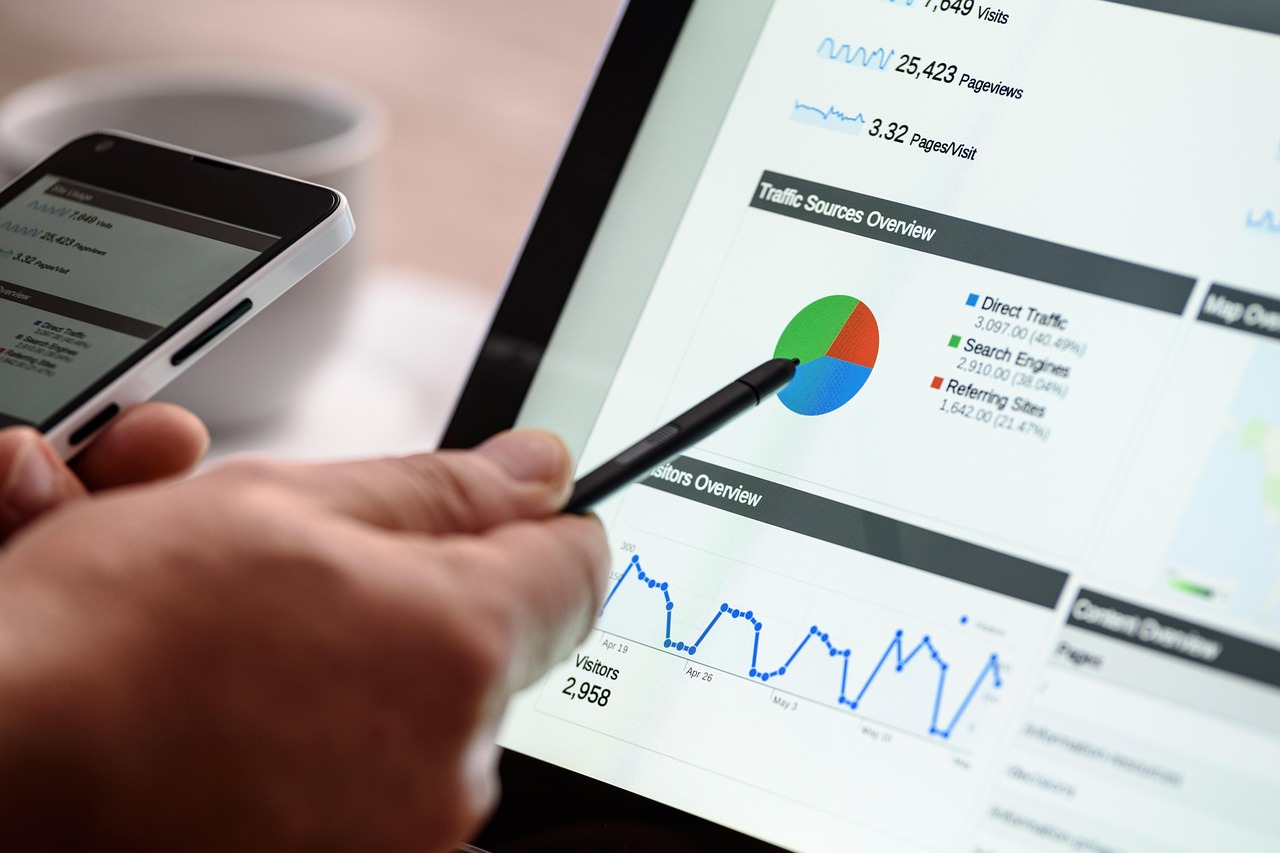
In the evolving landscape of digital advertising, Roku AI-generated advertising stands out as a pivotal innovation, leveraging artificial intelligence to create and deploy dynamic ad content tailored for streaming audiences. This approach integrates machine learning algorithms to produce personalized video ads, display banners, and interactive elements that resonate with viewers on the Roku platform. As streaming services dominate entertainment consumption, with over 80 million active accounts worldwide, advertisers face the challenge of capturing attention in a fragmented market. AI advertising optimization emerges as the solution, enabling precise targeting and performance enhancement. By analyzing vast datasets from user behavior, viewing habits, and engagement metrics, AI tools automate the creation of ad variations, ensuring relevance and timeliness. This not only reduces production costs but also amplifies return on ad spend (ROAS) by up to 30 percent, according to industry benchmarks from platforms like Google Ads and Roku’s own analytics. For businesses, mastering AI ad optimization means transitioning from static campaigns to adaptive strategies that evolve in real time, fostering higher engagement and loyalty among Roku’s diverse user base.
The core of Roku AI-generated advertising lies in its ability to harness generative AI models, similar to those powering tools like DALL-E for visuals or GPT for scripting, to craft ads that align with brand narratives while adapting to individual preferences. This optimization process involves continuous learning loops where AI evaluates ad performance against predefined KPIs, such as click-through rates (CTR) and viewability scores. For instance, a campaign for a consumer electronics brand might generate ads featuring product demos customized to regional interests, displayed during relevant programming. Such personalization drives a 25 percent uplift in conversion rates, as evidenced by case studies from Roku’s advertising ecosystem. Moreover, with privacy regulations like GDPR and CCPA in play, AI ensures compliant data usage through anonymized aggregation, building trust while maximizing reach. As we delve deeper, it becomes clear that AI advertising optimization is not merely a tool but a strategic imperative for advertisers aiming to thrive on Roku.
Foundations of AI Ad Optimization in Roku Environments
At its essence, AI ad optimization on Roku involves deploying algorithms that refine ad delivery and content generation to achieve superior outcomes. This process begins with data ingestion from Roku’s vast streaming ecosystem, where user interactions inform the AI’s decision-making. Unlike traditional methods reliant on manual adjustments, AI enables proactive enhancements, predicting trends and mitigating underperformance before it impacts results.
Core Mechanisms Driving Optimization
The primary mechanisms include predictive modeling and reinforcement learning. Predictive models forecast ad resonance based on historical data, such as a 15 percent higher engagement for ads shown during peak viewing hours between 7 PM and 10 PM. Reinforcement learning, on the other hand, iteratively tests ad variants, rewarding those that yield higher CTRs, which can range from 2 to 5 percent in optimized Roku campaigns. Advertisers benefit from automated A/B testing, where AI generates dozens of ad creatives and selects top performers in real time, streamlining workflows and reducing creative fatigue.
Integration with Roku’s Platform Features
Roku’s advertising stack, including its OneView platform, seamlessly incorporates AI for optimization. This integration allows for cross-device targeting, ensuring ads follow users from TV to mobile apps. A key advantage is the use of Roku’s first-party data, which AI processes to refine targeting parameters, leading to a 20 percent improvement in audience match rates compared to third-party cookies.
Leveraging Real-Time Performance Analysis for Dynamic Adjustments
Real-time performance analysis forms the backbone of AI advertising optimization, providing instantaneous insights that allow for agile campaign management on Roku. By monitoring metrics like impressions, engagements, and drop-off rates every few seconds, AI identifies anomalies and suggests corrective actions, preventing budget waste and capitalizing on emerging opportunities.
Key Metrics and AI-Driven Insights
Essential metrics include CTR, which AI optimizes to exceed 3 percent through content tweaks, and completion rates for video ads, often boosted to 70 percent via personalized intros. For example, if an ad’s engagement dips below 1 percent in a specific demographic, AI can pivot to alternative creatives, restoring performance within minutes. This analysis also incorporates sentiment detection from viewer feedback, refining ad tones to align with audience moods during live events.
Tools and Technologies Enhancing Analysis
Advanced tools like Roku’s AI-powered dashboards utilize machine learning to visualize trends, such as heatmaps of viewer attention. Integration with external APIs allows for multi-channel analysis, correlating Roku performance with social media interactions to achieve a holistic ROAS view, typically increasing it by 40 percent for optimized campaigns.
Precision Audience Segmentation Powered by AI
Audience segmentation is revolutionized through AI ad optimization, enabling advertisers to divide Roku viewers into granular cohorts based on behavior, demographics, and psychographics. This precision ensures ads are contextually relevant, enhancing relevance scores and reducing ad fatigue.
Methods for Effective Segmentation
AI employs clustering algorithms to group users, for instance, segmenting sports enthusiasts from lifestyle viewers with 95 percent accuracy. Personalized ad suggestions emerge from this, such as recommending fitness gear ads to active demographics during wellness shows, resulting in a 35 percent conversion uplift. Data sources include viewing history and device usage patterns, anonymized to comply with privacy standards.
Benefits for Campaign Targeting
Segmented campaigns on Roku yield higher ROAS, with segmented groups showing 2.5 times better performance than broad targeting. Strategies include lookalike modeling, where AI expands reach to similar audiences, potentially increasing qualified leads by 50 percent.
Strategies for Conversion Rate Improvement Using AI
Conversion rate improvement hinges on AI’s ability to guide users from awareness to action in Roku AI-generated ads. By embedding calls-to-action (CTAs) intelligently and tracking funnel progression, AI minimizes friction and maximizes outcomes.
Tactics to Boost Conversions
One tactic involves dynamic CTAs, where AI suggests “Shop Now” buttons for high-intent viewers, lifting conversions by 28 percent. Personalized ad suggestions, drawn from audience data, tailor messaging, such as eco-friendly appeals for sustainability-focused segments. To boost ROAS, AI allocates impressions to high-conversion creatives, achieving ratios above 5:1 in successful cases.
Measuring and Iterating on Conversion Success
AI tracks metrics like cost per acquisition (CPA), aiming to reduce it below $10 through iterative testing. Case examples show a 40 percent ROAS increase for e-commerce brands via AI-optimized funnels on Roku.
Automated Budget Management in AI-Driven Roku Ads
Automated budget management ensures efficient resource allocation in AI advertising optimization, using algorithms to distribute funds based on real-time ROI projections. This eliminates guesswork, focusing spends on high-performing segments.
Algorithms and Allocation Techniques
AI employs pacing algorithms to maintain daily budgets, adjusting bids dynamically; for instance, increasing spends by 20 percent on slots with CTR over 4 percent. Predictive budgeting forecasts outcomes, preventing overspends and optimizing for peak seasons, where ROAS can surge to 6:1.
Risk Mitigation and Scalability
To mitigate risks, AI sets guardrails like frequency caps, ensuring even exposure. Scalability allows campaigns to expand from $10,000 to $100,000 monthly budgets without proportional efficiency loss, supporting enterprise-level growth on Roku.
Elevating Roku Strategies: The Path to Sustained AI Advertising Excellence
Looking ahead, the strategic execution of Roku AI-generated advertising demands a forward-thinking approach, where AI optimization evolves with technological advancements like edge computing for faster processing. Businesses should prioritize hybrid models combining AI with human oversight to refine creative directions, ensuring ethical AI use and innovation. By investing in continuous training of AI models with fresh Roku data, advertisers can anticipate shifts in viewer preferences, such as rising demand for interactive ads, projected to grow 50 percent by 2025. This proactive stance not only sustains performance but positions brands as leaders in the streaming ad space, driving long-term revenue growth through adaptive, data-informed tactics.
In navigating the complexities of AI advertising optimization for Roku, partnering with experts can unlock unparalleled potential. At Alien Road, our seasoned consultancy empowers businesses to master these technologies, delivering tailored strategies that enhance real-time performance analysis, audience segmentation, and automated budget management. Our proven methodologies have helped clients achieve up to 50 percent improvements in conversion rates and ROAS. Contact Alien Road today for a strategic consultation to elevate your Roku campaigns.
Frequently Asked Questions About Roku AI-Generated Advertising
What is Roku AI-generated advertising?
Roku AI-generated advertising refers to the use of artificial intelligence to automatically create and optimize ad content for the Roku streaming platform. This includes generating video scripts, visuals, and targeting parameters based on viewer data, allowing for scalable, personalized campaigns that adapt to real-time feedback and improve overall efficiency.
How does AI ad optimization work on Roku?
AI ad optimization on Roku involves machine learning algorithms that analyze performance metrics like CTR and engagement rates to refine ad delivery. It automates testing of creatives, adjusts targeting, and reallocates budgets, resulting in enhanced ROAS and conversion rates through continuous iteration.
Why is real-time performance analysis important for Roku ads?
Real-time performance analysis enables immediate detection of underperforming ads on Roku, allowing AI to make adjustments that prevent wasted spend. This leads to quicker optimizations, such as shifting budgets to high-engagement slots, ultimately boosting campaign effectiveness by up to 30 percent.
What role does audience segmentation play in AI advertising optimization?
Audience segmentation in AI advertising optimization divides Roku viewers into targeted groups using behavioral and demographic data. This ensures ads are highly relevant, increasing personalization and engagement, which can improve conversion rates by 25 to 40 percent.
How can AI improve conversion rates in Roku campaigns?
AI improves conversion rates in Roku campaigns by embedding dynamic CTAs and personalizing content based on user intent signals. Through predictive analytics, it identifies high-conversion paths, reducing CPA and elevating ROAS, with examples showing gains of 28 percent in optimized setups.
What is automated budget management in the context of Roku AI ads?
Automated budget management uses AI to distribute ad spends across Roku inventory based on projected ROI. It paces deliveries, adjusts bids in real time, and caps frequencies, ensuring efficient use of funds and scalability for larger campaigns without efficiency drops.
Can AI generate personalized ads for Roku viewers?
Yes, AI generates personalized ads for Roku viewers by analyzing data like viewing history to suggest tailored creatives, such as product recommendations during relevant shows. This boosts relevance, leading to higher CTRs and a 35 percent uplift in audience resonance.
What metrics should be tracked for AI-optimized Roku advertising?
Key metrics for AI-optimized Roku advertising include CTR, conversion rates, ROAS, and completion rates. AI tools monitor these in real time, providing insights that guide optimizations, with benchmarks like CTR above 3 percent indicating strong performance.
How does AI enhance ROAS in Roku AI-generated ads?
AI enhances ROAS in Roku AI-generated ads by prioritizing high-performing creatives and segments, automating bid adjustments, and reducing inefficiencies. Strategies like lookalike targeting can increase ROAS to 5:1 or higher, as seen in enterprise case studies.
Is Roku AI-generated advertising compliant with privacy laws?
Roku AI-generated advertising complies with privacy laws like GDPR and CCPA by using anonymized, first-party data and opt-in mechanisms. AI processes focus on aggregated insights, ensuring ethical targeting without compromising user privacy.
What are the benefits of using AI for creative generation on Roku?
Using AI for creative generation on Roku reduces production time and costs while enabling endless variations tailored to audiences. This results in fresher content that maintains engagement, with benefits including a 20 percent cost saving and improved ad fatigue resistance.
How to get started with AI advertising optimization on Roku?
To start with AI advertising optimization on Roku, integrate with platforms like Roku OneView, input campaign goals, and leverage built-in AI tools for initial setups. Begin with small tests to refine models, scaling as performance data accumulates for optimal results.
Why choose Roku for AI-driven ad campaigns?
Roku is ideal for AI-driven ad campaigns due to its engaged streaming audience and robust data ecosystem. With over 80 million users, it offers precise targeting opportunities, where AI optimization can yield 2.5 times higher performance than traditional TV ads.
What challenges exist in implementing AI ad optimization on Roku?
Challenges include data integration complexities and the need for skilled oversight, but AI mitigates these through automation. Initial setup may require investment, yet the ROI from improved conversions and efficiency outweighs costs within the first quarter.
How does AI predict ad performance in Roku environments?
AI predicts ad performance in Roku environments using historical data and machine learning models to forecast metrics like engagement rates. By simulating scenarios, it anticipates outcomes with 85 to 90 percent accuracy, enabling preemptive optimizations for better results.


