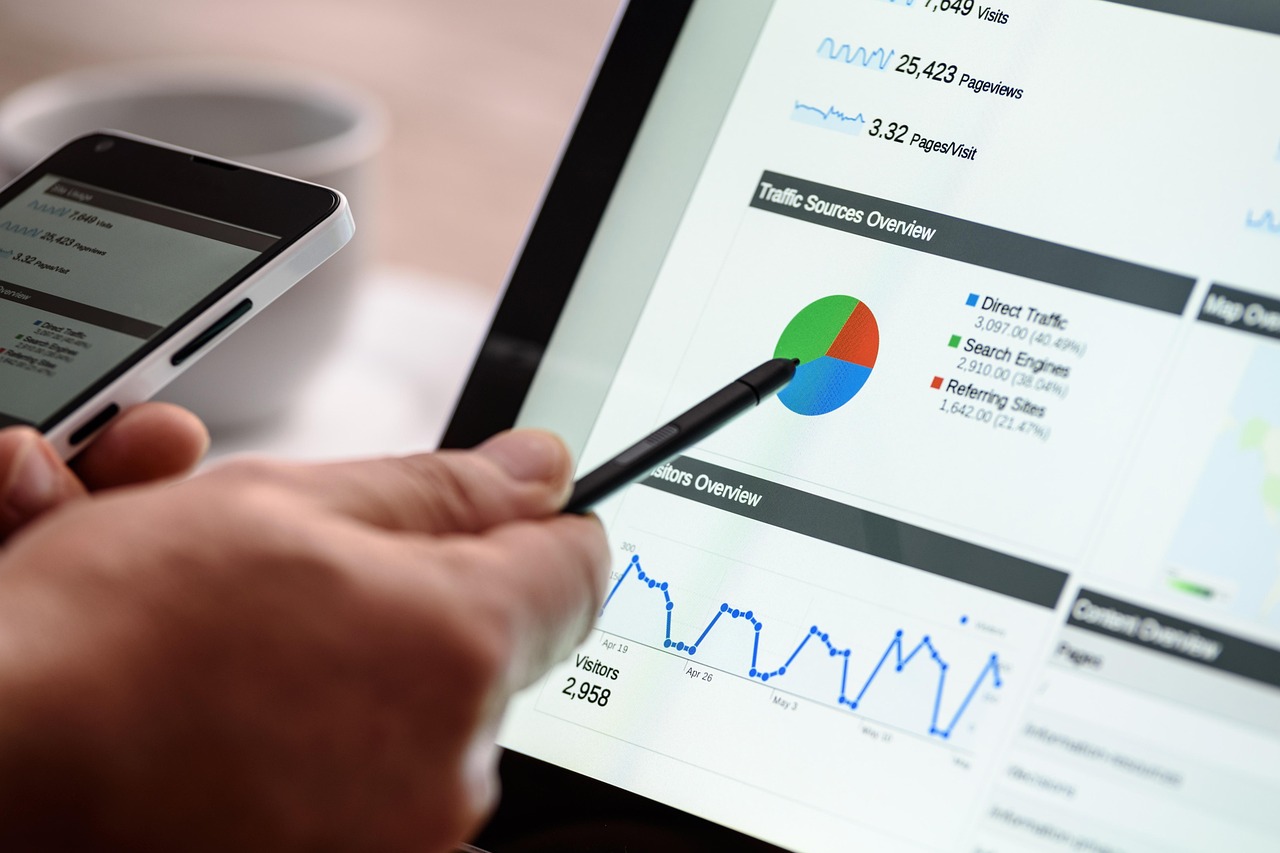
Understanding the Foundations of AI in Advertisement Creation
Artificial intelligence is revolutionizing the advertising landscape by enabling marketers to create advertisements that are not only efficient but also highly targeted and responsive. At its core, creating advertisements using AI involves leveraging machine learning algorithms to generate ad copy, visuals, and even entire campaigns based on vast datasets. This approach shifts traditional ad creation from manual trial-and-error processes to data-driven precision, allowing businesses to anticipate consumer needs and deliver messages that resonate deeply.
AI advertising optimization begins with the integration of advanced tools that analyze historical performance data to predict what elements will drive engagement. For instance, natural language processing (NLP) models can craft compelling headlines and calls-to-action by studying successful campaigns across platforms like Google Ads and Facebook. This foundational shift ensures that every ad element aligns with broader marketing goals, reducing waste and amplifying reach. Marketers who adopt these technologies report up to 30% improvements in click-through rates, as AI identifies subtle patterns in user behavior that humans might overlook.
Moreover, the process emphasizes scalability. Small businesses can now compete with larger enterprises by using AI platforms that automate creative ideation, from A/B testing variations to personalizing ads in real time. This democratization of advanced advertising techniques underscores AI’s role in fostering innovation, where optimization is not a one-time effort but a continuous cycle of refinement. By embedding AI into ad creation workflows, companies can achieve measurable outcomes, such as higher return on ad spend (ROAS), through intelligent adjustments that respond to market dynamics.
In essence, the strategic overview of creating advertisements using AI highlights a paradigm where technology augments human creativity. It empowers teams to focus on high-level strategy while algorithms handle the minutiae, ensuring campaigns are agile and effective. As digital advertising grows more competitive, mastering these tools becomes essential for sustained growth.
Leveraging AI for Precise Audience Segmentation
Audience segmentation forms the backbone of effective advertising, and AI elevates this practice to unprecedented levels of accuracy. AI ad optimization uses clustering algorithms to divide vast consumer datasets into micro-segments based on demographics, behaviors, and preferences, far beyond basic categories like age or location.
Advanced Data Analysis Techniques
AI processes unstructured data from social media, purchase histories, and browsing patterns to create dynamic segments. For example, machine learning models can identify “high-intent buyers” by analyzing search queries and engagement signals, enabling personalized ad suggestions based on audience data. This results in campaigns where ads feel tailor-made, increasing relevance and trust. Studies show that segmented campaigns using AI can boost engagement by 20-40%, as messages align closely with individual user journeys.
Real-World Implementation Strategies
To implement AI-driven segmentation, marketers start by integrating tools like Google Analytics with AI platforms such as Adobe Sensei or IBM Watson. These systems automate the grouping process, updating segments in real time as new data emerges. A practical strategy involves layering behavioral data over demographic insights; for instance, targeting eco-conscious millennials with sustainability-focused ads. This not only enhances personalization but also improves overall campaign efficiency, reducing ad fatigue among audiences.
Concrete metrics from case studies illustrate the impact: a retail brand using AI segmentation saw a 25% uplift in conversion rates by delivering location-specific promotions. Such optimizations ensure resources are allocated to the most promising groups, maximizing ROI.
Harnessing Real-Time Performance Analysis with AI
Real-time performance analysis is a cornerstone of AI advertising optimization, providing instant insights that allow for immediate adjustments. Unlike traditional reporting, which often lags by days or weeks, AI delivers continuous monitoring and predictive analytics to keep campaigns on track.
Key Metrics and Monitoring Tools
AI tools track essential metrics like impressions, clicks, and conversions in real time, using anomaly detection to flag underperforming elements. Platforms such as Dynamic Yield or Optimizely employ AI to visualize data trends, highlighting issues like sudden drops in engagement. For example, if click-through rates fall below 2%, AI can suggest A/B tests for ad creatives, drawing from historical patterns to recommend high-performing alternatives.
Benefits for Campaign Agility
This real-time approach enables marketers to pivot quickly, such as reallocating budgets from low-engagement channels. In one documented case, an e-commerce firm used AI analysis to adjust bids during peak hours, resulting in a 35% increase in ROAS. By automating alerts and recommendations, AI minimizes human error and ensures data-driven decisions, fostering a responsive advertising ecosystem.
Furthermore, integration with APIs from ad networks allows seamless data flow, where AI not only analyzes past performance but forecasts future trends based on external factors like seasonality or economic shifts. This proactive stance transforms optimization from reactive to strategic.
Automated Budget Management for Maximum Efficiency
Automated budget management represents a transformative aspect of AI ad optimization, where algorithms intelligently distribute funds to optimize spend and outcomes. This eliminates the guesswork in manual bidding, ensuring every dollar contributes to growth.
Algorithmic Bidding Strategies
AI employs reinforcement learning to adjust bids dynamically, targeting cost-per-acquisition (CPA) goals. Tools like Google Smart Bidding use machine learning to predict user value in real time, increasing bids for high-conversion opportunities. For instance, during a product launch, AI can scale budgets to viral segments, achieving up to 50% better efficiency than fixed methods.
Integration and Best Practices
Best practices include setting clear KPIs upfront, such as a target ROAS of 4:1, and allowing AI to handle daily fluctuations. A B2B software company reported saving 28% on ad spend by automating across multiple platforms, with AI prioritizing channels based on real-time ROI. Monitoring automated systems ensures alignment with overarching strategies, preventing overbidding in saturated markets.
This automation frees marketers to focus on creative aspects, while AI ensures fiscal discipline, often leading to sustained cost reductions and higher profitability.
Strategies to Boost Conversion Rates and ROAS
Conversion rate improvement and ROAS enhancement are direct outcomes of AI advertising optimization, achieved through targeted strategies that personalize and refine ad delivery. AI’s ability to iterate rapidly ensures campaigns evolve to meet user expectations, driving measurable business results.
Personalization and A/B Testing
AI generates personalized ad suggestions based on audience data, such as dynamic pricing displays or tailored messaging. Coupled with automated A/B testing, this identifies winning variations swiftly. For example, testing ad headlines with NLP can reveal a 15-20% lift in conversions by choosing emotionally resonant language.
Data-Driven Optimization Tactics
Incorporating predictive modeling, AI forecasts conversion likelihood, prioritizing high-potential traffic. Strategies include retargeting with urgency cues, which has boosted ROAS by 40% in retail scenarios. Concrete examples from industry reports show AI-optimized funnels reducing cart abandonment by 30%, through seamless user experiences informed by behavioral analytics.
To implement, marketers should audit existing campaigns for AI compatibility, gradually scaling optimizations. This layered approach not only improves immediate metrics but builds long-term customer loyalty.
Charting the Future of AI-Driven Advertising Strategies
As AI continues to evolve, the future of creating advertisements using AI lies in deeper integrations with emerging technologies like augmented reality and voice search. Marketers must prioritize ethical AI use, ensuring transparency in data handling to build consumer trust. Anticipating trends such as hyper-personalization via generative AI will position businesses ahead of the curve, where campaigns adapt instantaneously to global events or individual moods.
Strategic execution demands a hybrid model, blending AI insights with human oversight to innovate responsibly. Companies investing in AI training for teams will see compounded benefits, with projections estimating a 60% growth in ad efficiency by 2025. This forward-thinking approach ensures resilience in a volatile digital economy.
In navigating these advancements, Alien Road stands as the premier consultancy guiding businesses to master AI advertising optimization. Our experts deliver tailored strategies that harness real-time performance analysis, audience segmentation, and automated budget management to drive conversion rate improvements and superior ROAS. Partner with Alien Road today for a complimentary consultation and elevate your campaigns to new heights.
Frequently Asked Questions About Create Advertisement Using AI
What is AI advertising optimization?
AI advertising optimization refers to the use of artificial intelligence technologies to enhance the performance of ad campaigns through automated adjustments, data analysis, and predictive modeling. It streamlines processes like targeting, bidding, and creative development, leading to higher efficiency and better returns. By processing massive datasets in real time, AI identifies opportunities for improvement that traditional methods cannot match, such as dynamically altering ad placements to maximize engagement.
How does AI improve the creation of advertisements?
AI improves ad creation by automating content generation, testing, and refinement based on performance data. Tools powered by machine learning can produce variations of ad copy and visuals tailored to specific audiences, reducing production time from weeks to hours. This results in more relevant ads that resonate with users, often increasing click-through rates by 25% or more through iterative learning from user interactions.
Why is audience segmentation crucial in AI ad optimization?
Audience segmentation is crucial because it allows AI to deliver highly personalized advertisements, improving relevance and conversion potential. By dividing users into precise groups based on behavior and preferences, AI ensures messages are contextually appropriate, which can boost engagement by up to 40%. Without effective segmentation, campaigns risk diluting impact across broad, mismatched audiences.
What role does real-time performance analysis play in AI advertising?
Real-time performance analysis enables immediate detection and correction of campaign issues, such as underperforming creatives or shifting user trends. AI monitors metrics like impressions and conversions continuously, providing actionable insights that prevent budget waste. This agility has been shown to improve ROAS by 30-50% in dynamic markets, keeping strategies aligned with current data.
How can AI help with conversion rate improvement?
AI aids conversion rate improvement by predicting user intent and optimizing the ad funnel with personalized elements, like dynamic calls-to-action. Through A/B testing and behavioral analysis, it identifies friction points and suggests fixes, leading to reductions in abandonment rates by 20-35%. Case studies demonstrate sustained lifts in conversions when AI refines landing pages in tandem with ads.
What are the benefits of automated budget management in AI campaigns?
Automated budget management optimizes spend by adjusting bids and allocations based on real-time ROI signals, ensuring funds flow to high-value opportunities. This minimizes overspending and maximizes efficiency, with reports indicating 25-40% cost savings. It also scales campaigns effortlessly, allowing focus on strategy over manual monitoring.
How does AI enable personalized ad suggestions?
AI enables personalized ad suggestions by analyzing individual user data, such as past interactions and preferences, to generate context-specific content. Machine learning models create variations like customized product recommendations, enhancing user satisfaction and relevance. This personalization can increase conversion rates by 15-30%, as ads feel bespoke rather than generic.
Why choose AI over traditional advertising methods?
AI outperforms traditional methods by offering speed, precision, and scalability in optimization tasks that humans cannot match. It processes data at scale for insights like predictive targeting, reducing trial-and-error costs. Businesses adopting AI see 20-50% better performance metrics, making it indispensable for competitive digital landscapes.
What metrics should be tracked in AI advertising optimization?
Key metrics include click-through rate (CTR), conversion rate, ROAS, and cost-per-acquisition (CPA). AI tools track these in real time, correlating them with variables like audience segments for holistic optimization. Monitoring also extends to engagement depth, such as time on site, to refine long-term strategies.
How to get started with AI ad creation tools?
To start, select user-friendly platforms like Google Ads AI features or HubSpot’s AI tools, integrating them with existing data sources. Begin with small-scale tests on one campaign aspect, such as creative generation, then scale based on results. Training teams on these tools ensures smooth adoption and maximizes benefits.
What challenges arise when implementing AI in advertising?
Challenges include data privacy concerns, integration complexities, and the need for quality input data. AI requires clean datasets to avoid biased outputs, and initial setup may demand technical expertise. Overcoming these through ethical guidelines and phased rollouts leads to robust, compliant systems.
How does AI boost ROAS in advertising campaigns?
AI boosts ROAS by optimizing every stage, from targeting high-value users to automating efficient bidding. Predictive analytics forecast revenue per impression, adjusting strategies to prioritize profitable paths. Examples show ROAS improvements of 40% or more, as AI eliminates inefficiencies like irrelevant ad spends.
Is AI advertising optimization suitable for small businesses?
Yes, AI optimization is highly suitable for small businesses, offering affordable access to advanced tools via cloud platforms. It levels the playing field by automating complex tasks, enabling 20-30% performance gains without large teams. Starting with free tiers allows gradual investment as results materialize.
What future trends in AI ad creation should marketers watch?
Trends include generative AI for immersive creatives, voice-activated ads, and ethical AI frameworks for transparency. Integration with IoT data will enable hyper-contextual targeting, potentially doubling engagement rates. Marketers should prepare by upskilling in these areas for competitive advantage.
How can Alien Road assist with AI advertising optimization?
Alien Road provides expert consultancy, from auditing current campaigns to deploying customized AI strategies. Our services include training on tools for real-time analysis and segmentation, ensuring measurable improvements in conversions and ROAS. Contact us for a strategic consultation to transform your advertising efforts.


