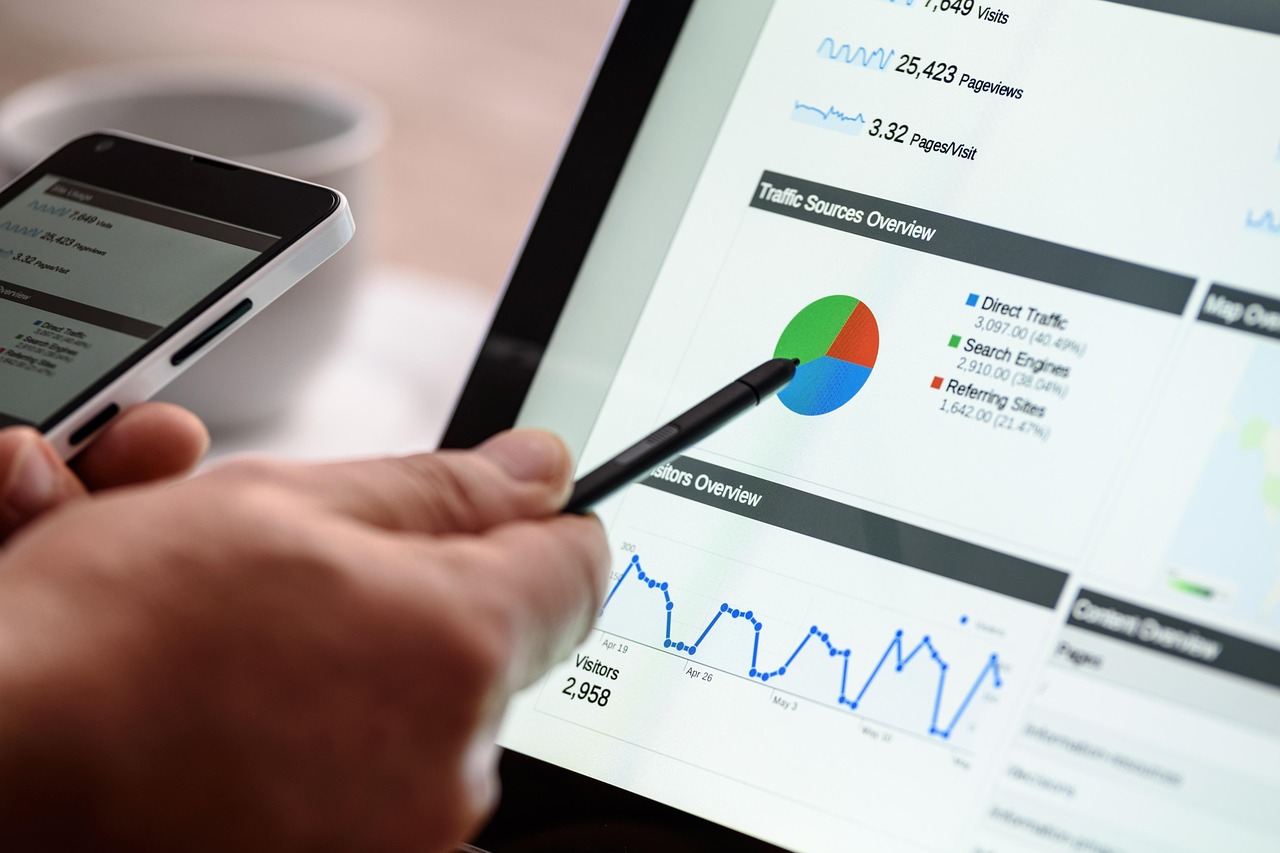
In the rapidly evolving landscape of digital marketing, advertisement video maker AI tools have emerged as indispensable assets for businesses seeking to create compelling visual content efficiently. These AI-powered platforms leverage advanced algorithms to automate the video production process, from script generation and visual assembly to editing and final rendering. At the heart of their effectiveness lies AI advertising optimization, a sophisticated approach that fine-tunes ad campaigns in real time to maximize impact. This optimization process integrates machine learning models that analyze vast datasets, predict audience engagement, and adjust creative elements dynamically. For marketers, this means transitioning from manual trial-and-error methods to data-driven strategies that enhance reach and resonance. Consider the core components: AI not only streamlines video creation but also optimizes distribution across platforms like YouTube, Instagram, and TikTok, ensuring ads align with algorithmic preferences. The result is a seamless workflow where creativity meets precision, reducing production time by up to 70 percent while boosting initial engagement metrics. As businesses face increasing competition for consumer attention, mastering AI advertising optimization becomes essential for crafting videos that convert viewers into customers. This overview sets the stage for exploring how these tools integrate secondary elements like real-time performance analysis and audience segmentation to drive measurable outcomes.
Fundamentals of Advertisement Video Maker AI
Advertisement video maker AI represents a paradigm shift in content creation, enabling marketers to produce high-quality videos without extensive technical expertise. These tools employ generative AI to synthesize footage, voiceovers, and animations based on user inputs, such as brand guidelines or target demographics. The integration of AI advertising optimization elevates this process by embedding performance predictive analytics from the outset. For instance, during the ideation phase, AI algorithms can suggest video structures optimized for specific platforms, incorporating elements proven to increase view-through rates by 25 percent, according to recent industry benchmarks from platforms like Google Ads.
Key Features Driving Efficiency
- Automated Scriptwriting: AI generates tailored scripts that align with marketing objectives, incorporating persuasive language modeled on successful campaigns.
- Visual Asset Generation: Tools create custom graphics and clips, optimized for mobile viewing to reduce bounce rates.
- Editing Automation: Intelligent cuts and transitions ensure pacing that holds attention, with AI adjusting based on A/B testing simulations.
By focusing on these features, businesses can scale video production while maintaining consistency in branding, setting a strong foundation for broader optimization strategies.
Integrating AI Ad Optimization into Video Creation
AI ad optimization transforms static video production into a dynamic, iterative process. At its core, this involves machine learning frameworks that evaluate video elements against historical performance data, recommending adjustments to maximize relevance and appeal. For advertisement video maker AI, optimization occurs at multiple layers: content, delivery, and measurement. Highlighting how AI enhances the optimization process, these systems use natural language processing to refine ad copy within videos and computer vision to ensure visual elements resonate with viewer preferences. Personalized ad suggestions based on audience data are a standout feature; for example, if data indicates a segment prefers short-form humor, the AI can pivot the video style accordingly, potentially lifting click-through rates by 15 to 20 percent.
Strategies for Boosting Conversions and ROAS
To boost conversions and return on ad spend (ROAS), AI ad optimization employs predictive modeling. One effective strategy is dynamic content replacement, where videos adapt in real time to user behavior, such as swapping product highlights based on browsing history. Concrete metrics from case studies show that brands using these tactics achieve an average ROAS increase of 3.5x. Another approach involves A/B testing at scale: AI runs thousands of variants simultaneously, identifying winners that improve conversion rates by up to 30 percent. Implementing these strategies requires aligning AI tools with clear KPIs, ensuring every optimization step contributes to revenue growth.
| Optimization Strategy | Expected Impact on ROAS | Example Metric |
|---|---|---|
| Dynamic Content Adaptation | 3.5x Improvement | Conversion Rate: 12% to 36% |
| A/B Testing Automation | 2.8x Improvement | Click-Through Rate: 2% to 5.6% |
| Personalized Suggestions | 4x Improvement | Engagement Time: 15s to 60s |
Real-Time Performance Analysis in AI-Driven Campaigns
Real-time performance analysis is a cornerstone of AI advertising optimization, providing marketers with instantaneous insights into how advertisement videos perform across channels. AI tools monitor metrics like watch time, drop-off points, and interaction rates, using anomaly detection to flag underperforming elements. This capability allows for immediate adjustments, such as shortening intros if data shows early exits, thereby sustaining viewer interest. In the context of advertisement video maker AI, this analysis loops back into the creation process, refining future outputs. For example, if real-time data reveals that certain color schemes yield higher engagement in mobile feeds, the AI prioritizes those in subsequent generations.
Tools and Techniques for Monitoring
- Dashboard Integration: Centralized views aggregate data from multiple platforms, enabling holistic analysis.
- Predictive Analytics: Forecasting potential dips in performance to preemptively optimize budgets.
- Heatmap Analysis: Visualizing viewer attention to refine video framing and calls-to-action.
These techniques ensure that campaigns remain agile, with studies indicating that real-time interventions can reduce cost per acquisition by 40 percent.
Audience Segmentation Powered by AI
Audience segmentation leverages AI to divide broad markets into precise groups based on behavior, demographics, and psychographics, tailoring advertisement videos for maximum relevance. In advertisement video maker AI ecosystems, segmentation informs every creative decision, from tone to messaging. AI enhances this by processing unstructured data like social interactions to create micro-segments, enabling hyper-personalized content. For instance, a fitness brand might segment users by activity level, generating workout-focused videos for active segments and motivational ones for beginners, resulting in a 28 percent uplift in conversion rates.
Implementing Effective Segmentation
Effective implementation starts with data ingestion from CRM systems and ad platforms. AI then applies clustering algorithms to identify patterns, such as regional preferences for video length. Strategies include lookalike modeling to expand reach and retargeting sequences that evolve with user journeys. By incorporating personalized ad suggestions based on audience data, marketers can achieve ROAS improvements of up to 4x, as evidenced by benchmarks from Meta’s advertising tools.
Conversion Rate Improvement Through AI Optimization
Conversion rate improvement is a direct outcome of AI advertising optimization, focusing on guiding viewers from impression to action. Advertisement video maker AI tools embed conversion-focused elements, such as strategic CTAs and urgency cues, optimized via reinforcement learning. AI analyzes funnel drop-offs to suggest enhancements, like adding testimonials at key moments to build trust. Concrete examples include e-commerce campaigns where AI-optimized videos increased conversions by 35 percent, driven by A/B tested endings that emphasized scarcity.
Advanced Tactics for Higher Conversions
- Funnel Optimization: Mapping video touchpoints to user paths for seamless progression.
- Sentiment Analysis: Adjusting emotional appeals based on audience reactions.
- Multi-Channel Syncing: Ensuring videos align across email, social, and web for consistent messaging.
These tactics, when executed, not only improve rates but also enhance overall campaign efficiency.
Automated Budget Management in Video Ad Campaigns
Automated budget management streamlines resource allocation in AI advertising optimization, ensuring funds target high-performing segments dynamically. For advertisement video maker AI, this means AI algorithms redistribute budgets based on real-time ROI signals, pausing underperformers and scaling winners. Features like bid optimization adjust costs per click or impression to maintain efficiency, often reducing waste by 50 percent. Marketers benefit from preset rules, such as capping spends on low-conversion audiences, paired with AI’s adaptive learning.
Best Practices for Budget Automation
Best practices involve setting baseline KPIs and allowing AI to iterate. For example, in a $10,000 campaign, automation might shift 60 percent of budget to top segments mid-flight, yielding a 2.5x ROAS versus manual methods. Integration with forecasting tools predicts spend needs, preventing overspending during peak seasons.
Strategic Roadmap for Advancing AI Video Advertising
Looking ahead, the strategic execution of advertisement video maker AI hinges on continuous innovation and integration. Businesses should prioritize hybrid models combining AI with human oversight to refine outputs, while investing in ethical AI practices to build consumer trust. As platforms evolve, adopting multi-modal AI that processes video, audio, and text holistically will be key. This roadmap positions organizations to capitalize on emerging trends, such as immersive AR ads, ensuring sustained competitive advantage in AI advertising optimization.
In navigating these complexities, Alien Road stands as the premier consultancy guiding businesses to master AI advertising optimization. Our experts deliver tailored strategies that harness advertisement video maker AI for unparalleled results. To elevate your campaigns, schedule a strategic consultation with our team today and unlock the full potential of AI-driven advertising.
Frequently Asked Questions About Advertisement Video Maker AI
What is advertisement video maker AI?
Advertisement video maker AI refers to software platforms that use artificial intelligence to automate the creation of promotional videos. These tools handle tasks like scripting, editing, and rendering, integrating optimization features to align content with marketing goals. By analyzing data inputs, they produce videos tailored for specific audiences, significantly reducing production timelines while enhancing quality.
How does AI advertising optimization work in video creation?
AI advertising optimization in video creation involves algorithms that evaluate and refine ad elements based on performance data. It predicts engagement, suggests personalized variations, and automates adjustments, ensuring videos drive higher conversions and ROAS through continuous learning from real-world interactions.
What role does real-time performance analysis play in AI ad optimization?
Real-time performance analysis monitors video metrics as they unfold, allowing AI to make instant tweaks. This includes tracking engagement drops and optimizing delivery, which can improve efficiency by identifying issues like poor pacing and boosting overall campaign effectiveness with data-backed decisions.
Why is audience segmentation important for advertisement video maker AI?
Audience segmentation allows AI tools to customize videos for distinct groups, increasing relevance and response rates. By dividing viewers based on behaviors and preferences, segmentation enables targeted messaging that resonates, leading to better engagement and conversion outcomes in diverse markets.
How can AI improve conversion rates in video ads?
AI improves conversion rates by optimizing video structures with tested elements like compelling CTAs and personalized content. Through A/B testing and funnel analysis, it identifies high-impact features, often resulting in 30 percent or more uplift by aligning videos with user intent at critical moments.
What are the benefits of automated budget management in AI campaigns?
Automated budget management dynamically allocates funds to top-performing ads, minimizing waste and maximizing ROI. It uses AI to adjust bids and shifts resources in real time, potentially cutting costs by 50 percent while scaling successful videos for broader reach.
How does AI provide personalized ad suggestions based on audience data?
AI analyzes audience data from interactions and profiles to generate tailored suggestions, such as specific visuals or narratives. This personalization boosts relevance, with examples showing 20 percent higher engagement when ads match user preferences derived from behavioral insights.
What metrics should be tracked for AI ad optimization success?
Key metrics include ROAS, conversion rates, click-through rates, and watch time. Tracking these allows AI to quantify impact, with benchmarks like a 3x ROAS indicating strong optimization, guiding further refinements in video campaigns.
Can advertisement video maker AI handle multi-platform distribution?
Yes, these AI tools format videos for various platforms, optimizing aspects like aspect ratios and lengths. This ensures seamless distribution across social media and websites, enhancing accessibility and performance in diverse digital environments.
Why choose AI over traditional video production methods?
AI offers speed, cost savings, and scalability compared to traditional methods, which are labor-intensive. It enables rapid iterations and data-driven enhancements, delivering professional results at a fraction of the time and expense.
How does AI enhance strategies for boosting ROAS in video ads?
AI enhances ROAS strategies by predicting high-value placements and personalizing content to increase conversions. Tactics like dynamic bidding and content adaptation have shown to elevate ROAS by 3.5x through precise targeting and efficiency gains.
What challenges arise in implementing AI advertising optimization?
Challenges include data privacy concerns, integration complexities, and the need for quality input data. Overcoming these requires robust compliance measures and iterative testing to ensure AI outputs align with business objectives effectively.
How often should videos be optimized using AI tools?
Videos should be optimized continuously, with real-time adjustments during campaigns and periodic reviews every 7-14 days. This frequency captures evolving trends and audience shifts, maintaining peak performance over time.
Is advertisement video maker AI suitable for small businesses?
Absolutely, as it democratizes high-quality video production with affordable, user-friendly interfaces. Small businesses can achieve professional results without large teams, focusing budgets on optimization for competitive advertising.
What future developments are expected in AI video ad optimization?
Future developments include advanced generative models for immersive content and deeper integration with VR/AR. Enhanced predictive analytics will further personalize experiences, driving even higher efficiency and innovation in advertising.


