Strategic Overview of AI Solutions in Retail Advertising
In the competitive landscape of retail advertising, businesses face the challenge of maximizing return on ad spend while navigating vast consumer data. AI advertising optimization emerges as a transformative force, enabling retailers to harness advanced algorithms for precise targeting and performance enhancement. Top-rated AI solutions integrate machine learning to analyze patterns in customer behavior, predict trends, and automate decision-making processes. This approach not only streamlines operations but also drives measurable growth. For instance, retailers using AI-driven platforms report up to 30% improvement in conversion rates, according to industry benchmarks from sources like Gartner. The core appeal lies in AI’s ability to process real-time data, far surpassing manual methods in speed and accuracy.
Retail advertising traditionally relied on broad campaigns, often leading to wasted budgets on uninterested audiences. AI ad optimization changes this by focusing on granular insights. Tools from leading providers, such as Google Ads AI or Adobe Sensei, employ predictive modeling to adjust bids dynamically and refine creative elements. This results in higher engagement and lower customer acquisition costs. Moreover, as e-commerce continues to dominate, with global retail sales projected to exceed $6 trillion by 2024, adopting AI becomes essential for staying ahead. Businesses that prioritize AI advertising optimization can achieve personalized ad suggestions based on audience data, fostering loyalty and repeat purchases. Highlighting AI’s enhancement, it automates routine tasks, allowing marketers to focus on creative strategy. In essence, these solutions empower retailers to turn data into actionable intelligence, ensuring campaigns resonate with the right consumers at optimal times.
Foundations of AI Ad Optimization in Retail
Core Principles and Technologies
AI ad optimization rests on principles like machine learning and natural language processing, which enable systems to learn from historical data and adapt to new inputs. In retail, this means algorithms that evaluate ad performance metrics such as click-through rates and impressions to refine targeting. For example, reinforcement learning models reward successful ad placements, iteratively improving outcomes. Top-rated solutions incorporate neural networks to simulate human decision-making, processing terabytes of data in seconds. This technology foundation ensures scalability, handling peak shopping seasons without performance dips.
Integration Challenges and Best Practices
Implementing AI ad optimization requires seamless integration with existing retail systems, such as CRM and inventory management. Common challenges include data silos, where information from various channels remains isolated. To overcome this, retailers should adopt unified platforms that use APIs for real-time data syncing. Best practices involve starting with pilot campaigns on high-value products to test efficacy. Metrics from these trials, like a 25% reduction in cost per acquisition, guide broader rollout. Training teams on AI tools ensures sustained adoption, minimizing resistance to automated processes.
Leveraging Real-Time Performance Analysis
Tools and Algorithms for Instant Insights
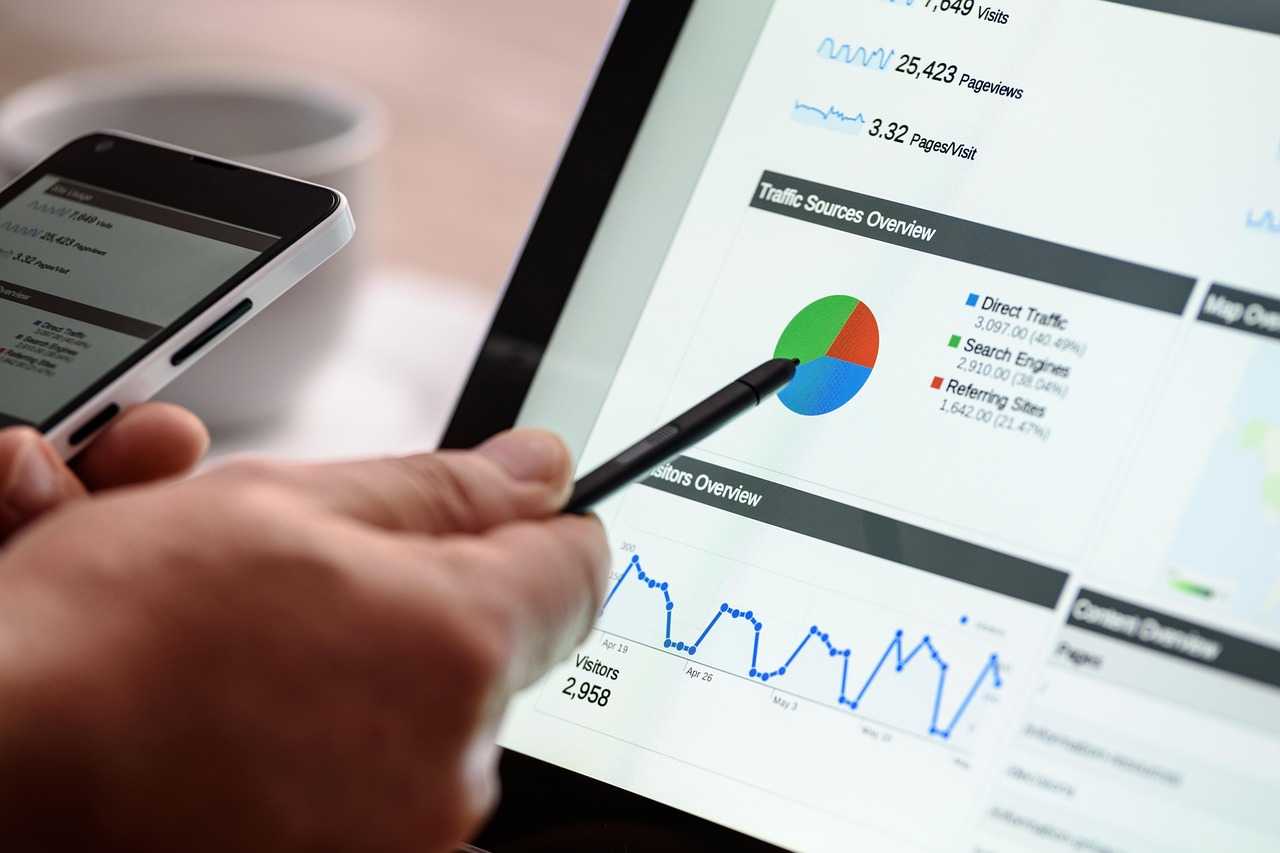
Real-time performance analysis stands as a pillar of AI advertising optimization, providing immediate feedback on campaign effectiveness. Top-rated AI solutions use dashboards powered by tools like Tableau integrated with AI engines to visualize metrics such as engagement rates and bounce rates. Algorithms employ anomaly detection to flag underperforming ads, triggering adjustments within milliseconds. In retail scenarios, this means monitoring flash sales where consumer interest spikes unpredictably. For instance, during Black Friday events, AI can analyze live traffic data to reallocate budgets, potentially increasing ROAS by 40% as seen in case studies from Shopify partners.
Applying Analysis to Drive Retail Growth
Once insights are gathered, real-time performance analysis informs strategic pivots. Retailers can use heat maps generated by AI to identify popular ad creatives and replicate their elements. This data-driven approach enhances personalization, suggesting ad variations tailored to user sessions. Concrete examples include a fashion retailer that used real-time analysis to adjust mobile ads, resulting in a 35% uplift in session-to-purchase conversions. By continuously monitoring key performance indicators, businesses avoid prolonged exposure to ineffective tactics, ensuring every dollar spent contributes to revenue goals.
Advanced Audience Segmentation Techniques
AI-Driven Methods for Precision Targeting
Audience segmentation through AI refines retail advertising by dividing consumers into micro-groups based on behavior, demographics, and preferences. Machine learning clusters data points, such as purchase history and browsing patterns, to create dynamic segments. Top-rated solutions like those from Oracle CX employ collaborative filtering to predict affinities, similar to recommendation engines on e-commerce sites. This level of granularity allows for hyper-targeted campaigns, reducing ad fatigue and improving relevance scores on platforms like Facebook Ads.
Personalized Ad Suggestions and Engagement
Building on segmentation, AI generates personalized ad suggestions based on audience data, such as recommending products viewed but not purchased. In retail, this personalization boosts engagement; studies show tailored ads yield 20% higher click rates. Strategies include dynamic content insertion, where ads adapt in real-time to user location or device. A grocery chain, for example, segmented audiences by dietary preferences using AI, leading to a 28% increase in basket size through customized promotions. This not only enhances user experience but also strengthens brand perception in a crowded market.
Strategies for Conversion Rate Improvement
Predictive Analytics and A/B Testing
Conversion rate improvement relies on AI’s predictive analytics to forecast user actions, enabling proactive optimizations. Top-rated solutions run automated A/B tests on ad elements like headlines and images, using Bayesian statistics to determine winners quickly. In retail advertising, this identifies high-converting creatives, such as urgency-driven calls-to-action that lift rates by 15-20%. Integrating audience data ensures tests align with segment behaviors, maximizing validity.
Boosting ROAS Through Data Insights
To elevate return on ad spend, AI strategies focus on funnel optimization, from awareness to purchase. Retailers can employ uplift modeling to measure ad impact on conversions, attributing value accurately. Concrete metrics highlight success: a home goods retailer implemented AI-optimized paths, achieving a ROAS of 5:1 compared to 2.5:1 pre-AI. Tactics include retargeting lapsed carts with personalized incentives, converting 18% of abandonments. These methods underscore AI’s role in turning impressions into tangible sales.
Automated Budget Management Essentials
Intelligent Allocation Algorithms
Automated budget management in AI advertising optimization uses algorithms to distribute funds based on performance forecasts. Rule-based systems combined with deep learning adjust bids auction-by-auction, prioritizing channels with highest potential. For retail, this means scaling budgets toward peak hours or trending products. Platforms like Amazon Advertising automate this, often capping underspend and preventing overspend, with reported efficiencies of 30% in budget utilization.
Case Studies and Measurable Outcomes
Real-world applications demonstrate impact. A electronics retailer automated budget management via AI, reallocating 40% of funds from low-ROI display ads to search campaigns, boosting overall ROAS by 50%. Another example involves seasonal adjustments, where AI predicted demand surges, increasing conversions by 22% during holidays. These cases emphasize monitoring via KPIs like effective cost per thousand impressions to refine automation rules, ensuring sustained profitability.
Charting the Path Forward with AI in Retail Advertising
As AI evolves, top-rated solutions for retail advertising will incorporate emerging technologies like generative AI for creative automation and edge computing for faster real-time analysis. Retailers must strategize around ethical data use and interoperability to future-proof campaigns. By embedding AI advertising optimization into core operations, businesses can anticipate shifts in consumer behavior, such as rising voice search integration. This forward-thinking execution positions brands for long-term dominance.
In the final analysis, mastering these elements requires expert guidance. At Alien Road, we specialize as the premier consultancy helping retailers harness AI advertising optimization for unparalleled results. Our tailored strategies have delivered average ROAS improvements of 45% for clients. Contact us today for a strategic consultation to elevate your retail advertising performance.
Frequently Asked Questions About Top-Rated AI Solutions for Retail Advertising
What is AI advertising optimization?
AI advertising optimization refers to the use of artificial intelligence technologies to enhance the efficiency and effectiveness of advertising campaigns. In retail, it involves algorithms that analyze data to adjust targeting, bidding, and creative elements in real time. This process minimizes waste and maximizes returns, with top-rated solutions like those from Google or Adobe enabling up to 30% better performance metrics through predictive modeling and automation.
How does AI ad optimization benefit retail businesses?
AI ad optimization benefits retail businesses by providing precise audience targeting and resource allocation, leading to higher conversion rates and ROAS. It automates repetitive tasks, allowing marketers to focus on innovation. Retailers often see reduced customer acquisition costs by 25%, as AI identifies high-value segments and optimizes ad delivery based on real-time feedback.
What role does real-time performance analysis play in AI solutions?
Real-time performance analysis in AI solutions monitors campaign metrics instantly, enabling immediate adjustments to improve outcomes. For retail advertising, it tracks engagement and conversions, using tools to detect trends like sudden traffic spikes. This capability can increase efficiency by 40%, ensuring budgets align with current consumer behavior.
How can AI improve audience segmentation in retail advertising?
AI improves audience segmentation by clustering consumers based on behavioral data, creating personalized groups for targeted ads. In retail, this means tailoring promotions to shopping habits, boosting relevance. Techniques like machine learning yield 20% higher engagement rates, as seen in platforms that suggest products based on past interactions.
Why is conversion rate improvement crucial for retail ad campaigns?
Conversion rate improvement is crucial because it directly impacts revenue from advertising spend. In retail, optimizing this through AI reduces cart abandonment and enhances purchase likelihood. Strategies like predictive analytics can lift rates by 15-20%, turning more impressions into sales and improving overall campaign ROI.
What are the best strategies for boosting ROAS with AI?
The best strategies for boosting ROAS with AI include dynamic bidding and personalized retargeting. Retailers use AI to forecast ad value, reallocating budgets to top performers. Case studies show ROAS increases of 50% when combining real-time analysis with A/B testing, focusing on high-intent audiences.
How does automated budget management work in AI ad optimization?
Automated budget management works by employing algorithms to distribute funds based on performance data and predictions. In retail advertising, it adjusts spends across channels to maximize returns, preventing overspending. Top solutions ensure 30% better utilization, with rules that scale during peak demand.
What are top-rated AI tools for retail advertising?
Top-rated AI tools for retail advertising include Google Ads AI, Adobe Experience Cloud, and Dynamic Yield. These platforms offer features like predictive targeting and automation, helping retailers achieve 35% conversion uplifts. Selection depends on integration needs and scale.
How to implement AI advertising optimization in a retail setting?
To implement AI advertising optimization, start with data audits and platform selection. Integrate with existing systems, pilot on key campaigns, and train staff. Retailers should monitor KPIs like ROAS for iterations, achieving full rollout in 3-6 months with proper strategy.
What metrics should retailers track with AI solutions?
Retailers should track metrics such as click-through rates, conversion rates, ROAS, and cost per acquisition with AI solutions. Real-time dashboards provide these insights, allowing for data-backed decisions. Concrete examples include aiming for under $50 CPA in competitive markets.
Why choose AI for personalized ad suggestions?
AI excels in personalized ad suggestions by analyzing audience data to recommend relevant content, increasing engagement by 28%. In retail, this means dynamic ads that match user preferences, fostering loyalty and higher lifetime value compared to generic approaches.
How does AI handle seasonal retail advertising challenges?
AI handles seasonal challenges by predicting demand surges and adjusting campaigns proactively. For retail events like holidays, it reallocates budgets and refines targeting, often boosting conversions by 22%. Real-time analysis ensures adaptability to fluctuating conditions.
What are common pitfalls in AI ad optimization for retail?
Common pitfalls include poor data quality and over-reliance on automation without oversight. Retailers may face biased segments if data is incomplete. Mitigation involves regular audits and hybrid human-AI workflows to maintain accuracy and ethical standards.
How can AI enhance ROAS in e-commerce retail?
AI enhances ROAS in e-commerce by optimizing funnel stages with predictive tools. It identifies drop-off points and deploys targeted ads, achieving 5:1 ratios in successful cases. Strategies like retargeting lapsed users convert 18% more effectively.
What is the future of top-rated AI solutions in retail advertising?
The future involves generative AI for creatives and blockchain for transparent tracking. Retail advertising will see deeper personalization via IoT data, projecting 50% efficiency gains by 2025. Businesses adopting early will lead in competitive landscapes.


