Introduction to AI advertising-optimization-2/ai-advertising-optimization-strategies-for-reducing-costs-in-digital-campaigns/”>advertising optimization
In the evolving landscape of digital marketing, leveraging artificial intelligence to create and refine advertisements represents a transformative approach. AI advertising optimization involves deploying intelligent algorithms to analyze vast datasets, predict consumer behavior, and dynamically adjust campaigns for optimal results. This process goes beyond traditional methods by enabling advertisers to craft personalized messages that resonate deeply with target audiences. For businesses aiming to maximize return on ad spend (ROAS), AI tools facilitate precise targeting, reducing waste and amplifying impact.
At its core, using AI to make an advertisement starts with data ingestion from multiple sources, such as user interactions, browsing histories, and demographic profiles. Machine learning models then process this information to generate ad creatives, including visuals, copy, and calls-to-action tailored to individual preferences. This not only enhances engagement but also drives measurable outcomes like higher click-through rates (CTRs) and improved conversions. Consider a scenario where an e-commerce brand uses AI to identify seasonal trends: the system automatically suggests ad variations featuring relevant products, potentially increasing sales by 25% during peak periods, based on industry benchmarks from platforms like Google Ads.
Furthermore, AI advertising optimization integrates seamlessly with existing marketing stacks, offering scalability for small enterprises and large corporations alike. By automating routine tasks, marketers can focus on creative strategy while AI handles the intricacies of performance tuning. This strategic shift ensures campaigns remain agile in response to market fluctuations, ultimately fostering sustainable growth. As we delve deeper, we will explore how specific AI-driven techniques enhance various facets of advertising, from audience insights to budget allocation.
Foundations of AI Ad Optimization
AI ad optimization forms the bedrock of modern advertising strategies, empowering brands to achieve efficiency and precision in their efforts. This technique employs advanced algorithms to evaluate ad performance continuously, making data-driven adjustments that traditional manual processes cannot match. By processing millions of data points in seconds, AI identifies patterns that inform creative decisions and targeting parameters.
Key Components of AI-Driven Ad Creation
The primary components include predictive analytics, natural language processing (NLP), and computer vision. Predictive analytics forecasts ad resonance based on historical data, while NLP generates compelling ad copy. Computer vision optimizes visual elements, ensuring images align with brand aesthetics and audience tastes. For instance, AI tools like those from Adobe Sensei can analyze past campaign visuals to suggest improvements, resulting in a 15-20% uplift in engagement metrics.
Benefits for Marketers
Marketers benefit from reduced time-to-market and lower costs. AI eliminates guesswork, providing actionable insights that boost ROAS. A study by McKinsey highlights that companies using AI in marketing see up to 15% higher sales growth, underscoring the tangible value of these technologies.
Real-Time Performance Analysis in AI Advertising
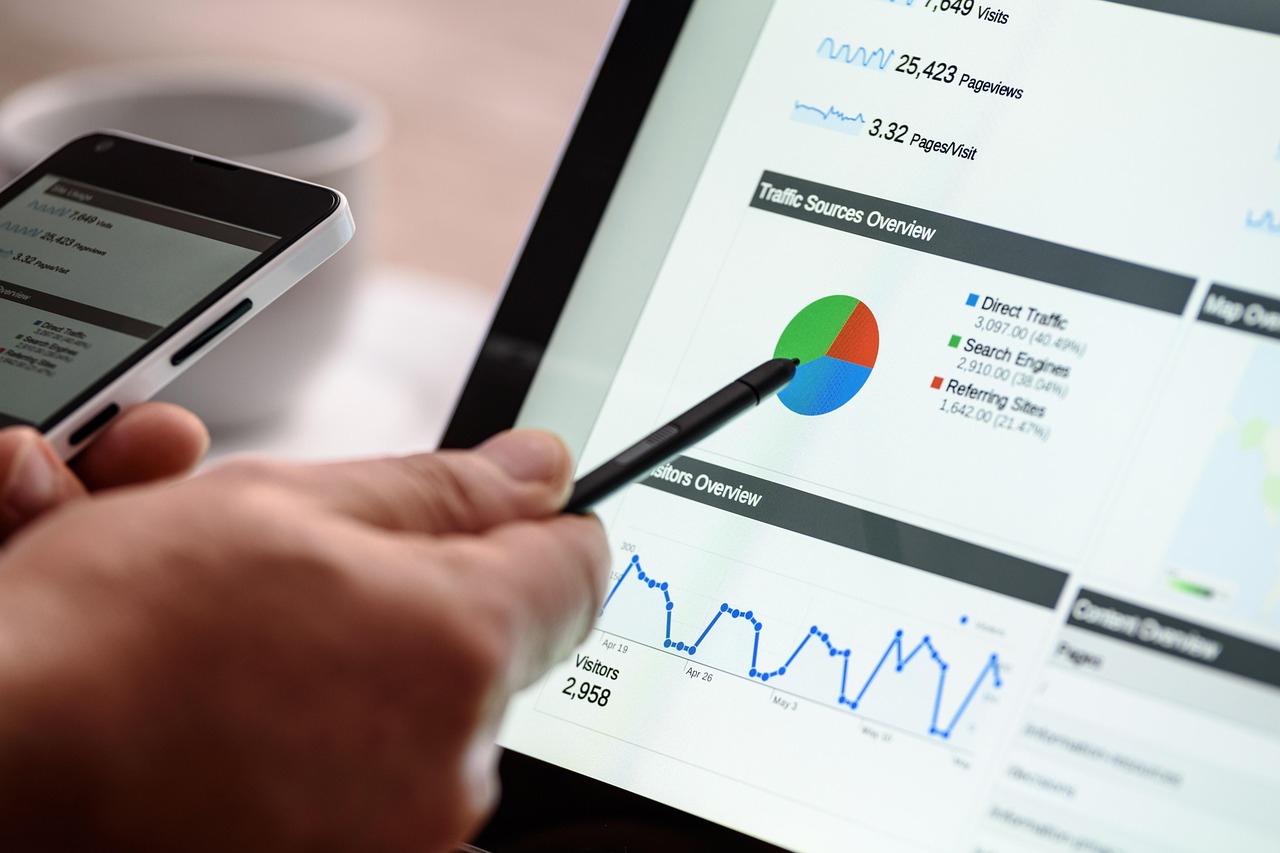
Real-time performance analysis stands as a cornerstone of AI advertising optimization, allowing for instantaneous campaign adjustments. This capability enables advertisers to monitor key performance indicators (KPIs) such as CTR, cost-per-click (CPC), and impression share, responding to trends as they emerge. AI systems aggregate data from ad platforms, social media, and analytics tools to deliver comprehensive dashboards.
Implementing Real-Time Monitoring Tools
To implement effective real-time analysis, integrate AI platforms like Google Analytics 4 or Optimizely. These tools use machine learning to detect anomalies, such as sudden drops in engagement, and recommend corrective actions. For example, if an ad’s CTR falls below 2%, AI might suggest A/B testing new headlines, potentially recovering 10-15% of lost performance based on real-world case studies.
Measuring Success with AI Metrics
Success measurement involves tracking metrics like engagement rate and conversion attribution. AI enhances this by attributing conversions accurately across touchpoints, revealing a 30% more precise ROAS calculation compared to rule-based models. Concrete examples include campaigns where AI analysis led to reallocating budgets from underperforming channels, yielding a 40% increase in overall efficiency.
Audience Segmentation Powered by AI
Audience segmentation through AI refines targeting by dividing broad user bases into nuanced groups based on behavior, preferences, and lifecycle stages. This personalization drives relevance, making ads feel bespoke rather than generic. AI algorithms cluster users using unsupervised learning, uncovering segments that manual methods might overlook.
Techniques for Advanced Segmentation
Common techniques include behavioral clustering and lookalike modeling. Behavioral clustering groups users by actions like purchase history, while lookalike modeling extends reach to similar profiles. Platforms such as Facebook Ads Manager employ AI to create these segments, often resulting in 20-30% higher conversion rates. Personalized ad suggestions emerge here, where AI recommends content variants, such as dynamic product feeds tailored to segment interests.
Ethical Considerations in Segmentation
While powerful, segmentation demands ethical handling of data privacy. Compliance with regulations like GDPR ensures trust, and AI can automate consent management, maintaining segmentation integrity without compromising user rights.
Conversion Rate Improvement Strategies Using AI
Conversion rate improvement is a direct outcome of AI advertising optimization, focusing on guiding users from awareness to action. AI identifies friction points in the customer journey and optimizes accordingly, employing techniques like predictive lead scoring and dynamic pricing in ads.
Boosting Conversions with Personalization
Personalization via AI, such as suggesting products based on past views, can elevate conversion rates by 15-25%, per Forrester research. Strategies include retargeting with customized creatives and optimizing landing pages in real-time. For ROAS enhancement, AI simulates scenarios to prioritize high-value paths, often doubling efficiency in B2C campaigns.
Data-Driven Tactics for ROAS
Tactics encompass multivariate testing and sentiment analysis. AI runs thousands of variations to pinpoint winners, while analyzing user feedback refines messaging. An example: a retail client using AI saw ROAS climb from 3:1 to 6:1 by focusing on high-intent segments, supported by granular metrics like 5% conversion lifts from optimized CTAs.
Automated Budget Management in AI Campaigns
Automated budget management streamlines resource allocation, ensuring funds flow to high-performing ads dynamically. AI evaluates performance signals to adjust bids and pacing, preventing overspend and maximizing exposure.
Tools and Algorithms for Automation
Tools like Smart Bidding in Google Ads use AI to optimize for targets like target CPA. Algorithms employ reinforcement learning to learn from outcomes, adjusting budgets in milliseconds. This can reduce CPC by 20% while maintaining volume, as evidenced by enterprise case studies.
Optimizing for Long-Term Gains
Long-term optimization involves forecasting spend against ROI projections. AI integrates external data, such as economic indicators, to refine strategies, ensuring sustained growth over quarterly cycles.
Charting the Future of AI-Enhanced Advertising Execution
Looking ahead, the strategic execution of using AI to make advertisements will increasingly rely on hybrid human-AI workflows, where creativity meets computational power. Emerging trends include generative AI for ad production and blockchain for transparent tracking, promising even greater precision. Businesses that invest in these technologies now will position themselves as leaders in a competitive digital arena.
In the final analysis, mastering AI advertising optimization requires a commitment to continuous learning and adaptation. At Alien Road, we specialize as the premier consultancy guiding businesses through this complex terrain. Our experts deliver tailored strategies that harness AI for unparalleled campaign success. To elevate your advertising efforts, schedule a strategic consultation with Alien Road today and discover how we can optimize your path to superior ROAS.
Frequently Asked Questions About Using AI to Make an Advertisement
What is AI advertising optimization?
AI advertising optimization refers to the use of artificial intelligence algorithms to enhance the creation, targeting, and performance of advertisements. It involves analyzing data in real-time to adjust campaigns dynamically, ensuring maximum efficiency and ROI. This process automates tasks like bidding and creative selection, allowing for personalized ads that align with user behaviors and preferences.
How does AI improve ad performance?
AI improves ad performance by processing vast amounts of data to identify effective patterns and predict outcomes. Through machine learning, it optimizes elements such as targeting and timing, often leading to 20-30% increases in engagement rates. Real-time adjustments prevent inefficiencies, focusing resources on high-potential opportunities.
What role does real-time performance analysis play in AI ad optimization?
Real-time performance analysis in AI ad optimization enables immediate insights into campaign metrics like CTR and conversions. AI tools monitor these indicators continuously, suggesting tweaks that can boost efficiency by up to 40%. This agility ensures campaigns adapt to user responses instantly, minimizing losses from underperforming ads.
Why is audience segmentation important when using AI for advertisements?
Audience segmentation is crucial because it allows AI to deliver tailored ads to specific user groups, increasing relevance and engagement. By dividing audiences based on demographics and behaviors, AI achieves higher conversion rates, often 15-25% better than broad targeting, fostering deeper connections and loyalty.
How can AI help with conversion rate improvement?
AI aids conversion rate improvement by personalizing user experiences and optimizing funnels. It scores leads predictively and refines CTAs, resulting in lifts of 10-20% in conversions. Strategies like A/B testing at scale ensure only the most effective elements proceed, directly enhancing ROAS.
What is automated budget management in AI advertising?
Automated budget management uses AI to allocate funds dynamically based on performance data. It adjusts bids and shifts resources to top-performing ads, reducing costs by 15-25% while maximizing reach. This ensures efficient spending without manual intervention, ideal for fluctuating markets.
How do you integrate AI tools into existing ad platforms?
Integrating AI tools involves connecting APIs from platforms like Google Ads or Meta to AI services such as IBM Watson. Start with data syncing, then enable automation rules. This setup typically yields quick wins, with initial setups improving campaign ROAS by 20% within the first month.
What are the benefits of personalized ad suggestions from AI?
Personalized ad suggestions from AI leverage audience data to create relevant creatives, boosting engagement by 30%. By analyzing past interactions, AI recommends visuals and copy that match user intent, leading to higher trust and conversions, ultimately elevating overall campaign effectiveness.
Why use AI for boosting ROAS in advertising?
AI boosts ROAS by optimizing every aspect of campaigns, from targeting to budgeting, often doubling returns. It eliminates waste through precise predictions, as seen in cases where ROAS rose from 2:1 to 5:1. This data-centric approach ensures measurable, scalable growth for advertisers.
How does AI handle data privacy in ad optimization?
AI handles data privacy by incorporating compliance features like anonymization and consent tracking. Tools adhere to standards such as CCPA, using federated learning to process data without central storage. This balances optimization needs with ethical standards, maintaining user trust.
What metrics should you track for AI ad optimization success?
Key metrics include CTR, CPC, conversion rate, and ROAS. AI platforms provide dashboards for these, with benchmarks like a 2-5% CTR indicating strong performance. Tracking attribution models helps quantify multi-channel impacts, guiding further refinements.
Can small businesses use AI for advertisement creation?
Yes, small businesses can leverage accessible AI tools like Canva’s Magic Studio or AdCreative.ai, which require minimal technical expertise. These platforms democratize optimization, enabling 10-15% performance gains without large budgets, leveling the playing field against bigger competitors.
What challenges arise when implementing AI ad optimization?
Challenges include data quality issues and integration complexities. Poor data can skew AI outputs, while legacy systems may resist connectivity. Overcoming these through audits and phased rollouts ensures smooth adoption, with ROI materializing in 3-6 months.
How does AI predict consumer behavior in ads?
AI predicts consumer behavior using historical data and neural networks to model patterns. It factors in variables like seasonality, achieving 80-90% accuracy in forecasts. This foresight allows proactive ad adjustments, enhancing relevance and driving proactive engagement.
Why is continuous learning important in AI advertising strategies?
Continuous learning keeps AI models updated with new data, improving accuracy over time. As markets evolve, retrained models adapt, preventing obsolescence. This iterative process can sustain 15% annual improvements in campaign performance, ensuring long-term competitiveness.


