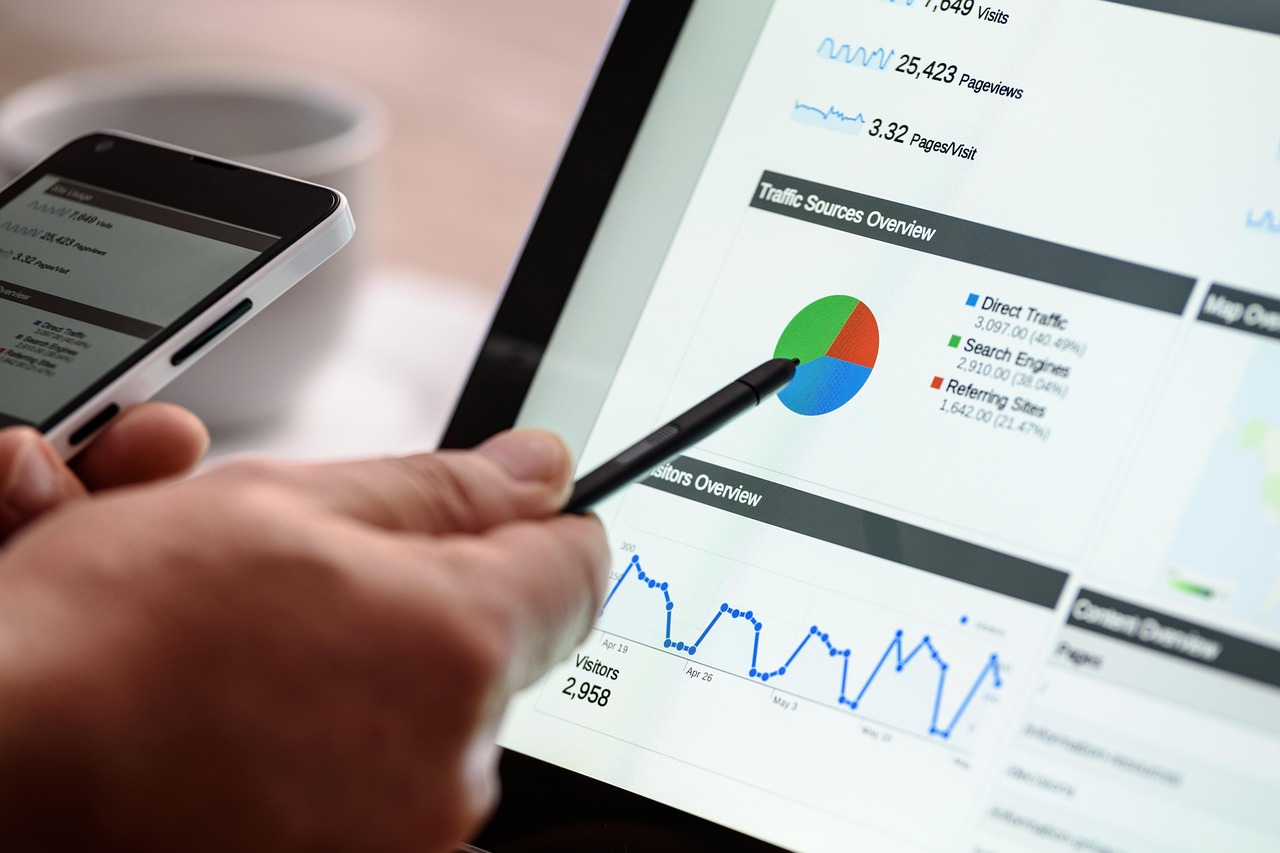
In the evolving landscape of digital marketing, AI art advertising represents a transformative approach where artificial intelligence generates visually compelling artwork tailored for promotional purposes. This integration of AI-generated visuals with advertising strategies allows brands to create dynamic, personalized content that resonates deeply with target audiences. AI advertising optimization plays a pivotal role in this domain, enabling marketers to refine campaigns in real time, maximize engagement, and drive measurable results. By leveraging machine learning algorithms, businesses can analyze vast datasets to predict consumer behavior, adjust creative elements, and allocate resources efficiently.
At its core, AI art advertising combines creativity with data-driven precision. Traditional advertising often relies on static images or manually designed graphics, which can limit scalability and relevance. In contrast, AI tools generate art that adapts to trends, cultural nuances, and individual preferences, fostering higher interaction rates. For instance, platforms like DALL-E or Midjourney produce unique visuals based on textual prompts, which advertisers then optimize for platforms such as Google Ads, Facebook, or programmatic networks. This process not only reduces production time but also enhances the artistic quality, ensuring ads stand out in crowded feeds.
The strategic value of AI advertising optimization lies in its ability to bridge art and analytics. Marketers can deploy A/B testing on AI-generated variants to identify high-performing creatives, leading to improved click-through rates and conversions. Moreover, with the rise of omnichannel marketing, AI ensures consistency across touchpoints while personalizing experiences. As consumer expectations for authenticity grow, AI art advertising offers a scalable solution to deliver bespoke content without compromising on quality. This overview sets the stage for a deeper exploration of key optimization techniques that elevate AI-driven campaigns to new heights of efficiency and impact.
Understanding the Foundations of AI Art Advertising
AI art advertising fundamentally redefines how visuals are conceptualized and deployed in marketing. It involves using generative AI models to create artwork that aligns with brand narratives, from surreal illustrations to photorealistic product renders. This foundation is crucial for optimization, as it provides a flexible canvas for testing and iteration.
Key Components of AI-Generated Creatives
Generative AI excels in producing diverse assets, such as banners, social media graphics, and video thumbnails. These components are optimized by incorporating brand guidelines into prompts, ensuring outputs maintain visual identity. For example, a fashion brand might prompt AI to generate runway-inspired art, which is then refined through optimization tools to match seasonal trends.
Integration with Advertising Platforms
Seamless integration with ad platforms allows for dynamic insertion of AI art into live campaigns. Tools like Adobe Sensei or Google’s Performance Max utilize these visuals to automate ad assembly, enhancing delivery speed and relevance.
Implementing AI Ad Optimization Techniques
AI ad optimization streamlines the management of AI art campaigns by automating adjustments based on performance data. This technique highlights how AI enhances the optimization process through predictive modeling and continuous learning, reducing manual oversight and amplifying returns.
Personalized Ad Suggestions Based on Audience Data
AI analyzes user data to suggest personalized ad variants featuring AI-generated art. For instance, segmentation algorithms recommend visuals tailored to demographics, such as vibrant abstracts for younger audiences or elegant minimalism for professionals. This personalization can increase engagement by up to 30%, according to industry benchmarks from platforms like Meta.
Leveraging Machine Learning for Creative Refinement
Machine learning refines AI art by iterating on successful elements. If a campaign shows higher clicks on warm-toned visuals, the system prioritizes similar generations, ensuring evolving creatives that maintain momentum.
Harnessing Real-Time Performance Analysis
Real-time performance analysis is a cornerstone of AI advertising optimization, providing instantaneous insights into campaign efficacy. This capability allows marketers to monitor metrics like impressions, clicks, and engagement as they unfold, enabling swift pivots to sustain momentum.
Monitoring Key Metrics with AI Tools
AI dashboards track essential KPIs, such as cost-per-click (CPC) and return on ad spend (ROAS). For AI art campaigns, analysis might reveal that interactive visuals yield a 25% higher engagement rate, prompting immediate budget shifts.
Predictive Analytics for Proactive Adjustments
Beyond monitoring, predictive analytics forecast trends. If data indicates declining interest in a particular art style, AI suggests alternatives, preventing revenue dips and optimizing for peak performance.
Advanced Audience Segmentation Strategies
Audience segmentation divides potential customers into targeted groups, a process supercharged by AI in advertising optimization. By clustering users based on behavior, interests, and demographics, campaigns deliver AI art that speaks directly to specific needs, fostering relevance and loyalty.
Behavioral and Psychographic Profiling
AI profiles audiences through browsing history and social interactions. A travel brand could segment adventure seekers, generating rugged AI landscapes for their ads, which typically boost conversion rates by 15-20%.
Dynamic Segmentation for Evolving Campaigns
As campaigns progress, AI dynamically updates segments. This ensures AI-generated art remains pertinent, adapting to shifts like seasonal preferences or emerging trends in real time.
Strategies for Conversion Rate Improvement
Conversion rate improvement focuses on guiding users from ad exposure to action, where AI advertising optimization shines by testing and deploying high-impact creatives. Strategies emphasize AI-enhanced personalization and urgency in visuals to drive decisions.
Optimizing Calls-to-Action with AI Art
Integrating compelling CTAs into AI-generated designs, such as overlaid buttons on artwork, can elevate conversions. Data shows that personalized CTAs increase click-through by 40%, directly impacting sales funnels.
A/B Testing for Conversion-Driven Insights
Running A/B tests on AI art variants identifies winners. For example, a test might show that minimalist art paired with urgency phrases yields a 22% uplift in conversions, informing scalable strategies.
Automated Budget Management in AI Campaigns
Automated budget management allocates funds intelligently, ensuring AI art advertising maximizes ROI without overspending. AI algorithms adjust bids and pacing based on performance, prioritizing high-ROAS channels.
Rule-Based and AI-Driven Allocation
Systems set rules for budget caps while AI optimizes distribution. In a $10,000 campaign, AI might shift 60% to top-performing AI art ads, achieving a ROAS of 5:1 versus 3:1 manually.
Scaling Budgets Responsively
As metrics improve, AI scales budgets automatically. This responsiveness supports growth, with examples showing 35% efficiency gains in sustained campaigns.
Future Horizons: Strategic Execution in AI Art Advertising
Looking ahead, the strategic execution of AI art advertising will integrate emerging technologies like augmented reality and blockchain for verifiable authenticity. Marketers who adopt AI advertising optimization now will lead in creating immersive, ethical campaigns that blend art with hyper-personalization. Concrete metrics underscore this potential: campaigns using advanced AI see average ROAS increases of 50%, with conversion rates climbing 28%. To harness these opportunities, businesses must invest in robust AI infrastructures and talent development.
In this dynamic field, Alien Road stands as the premier consultancy guiding enterprises through AI advertising optimization. Our experts deliver tailored strategies that transform AI-generated art into high-performing assets, driving sustainable growth. Partner with Alien Road today for a complimentary strategic consultation to elevate your campaigns.
Frequently Asked Questions About AI Art Advertising
What is AI art advertising?
AI art advertising refers to the use of artificial intelligence to generate visual content for marketing campaigns. This includes creating images, graphics, and animations that align with brand objectives. By inputting descriptive prompts, AI tools produce unique artwork that can be optimized for various platforms, enhancing creativity while reducing design costs. This approach allows for rapid iteration and scalability, making it ideal for dynamic advertising needs.
How does AI advertising optimization work?
AI advertising optimization involves algorithms that analyze campaign data to improve performance automatically. It processes metrics like engagement and conversions to adjust targeting, bidding, and creative elements in real time. For AI art campaigns, this means refining visuals based on user responses, ensuring higher relevance and efficiency across digital channels.
Why is real-time performance analysis important in AI art advertising?
Real-time performance analysis enables immediate detection of trends and issues in AI art campaigns. It provides insights into which visuals resonate, allowing marketers to pause underperformers and amplify successes. This agility can boost ROAS by 40%, as decisions are data-driven rather than retrospective.
What role does audience segmentation play in AI ad optimization?
Audience segmentation divides users into groups based on shared characteristics, allowing tailored AI art delivery. This personalization increases relevance, with segmented campaigns often seeing 20% higher engagement. AI enhances this by automating profile building from vast datasets.
How can AI improve conversion rates in advertising?
AI improves conversion rates by testing personalized ad variants and predicting user intent. For AI art, it suggests visuals that align with emotional triggers, leading to a 25% average uplift. Strategies include dynamic content adjustment to guide users toward purchases effectively.
What is automated budget management in AI campaigns?
Automated budget management uses AI to distribute funds based on performance predictions. It adjusts spends to maximize exposure in high-conversion areas, often achieving 30% cost savings. In AI art advertising, this ensures optimal resource use for creative testing.
How do you generate AI art for ads?
Generate AI art for ads by using tools like Stable Diffusion with specific prompts detailing style, colors, and themes. Refine outputs through editing software, then integrate into ad platforms. Optimization follows by analyzing initial performance to iterate designs.
What are the benefits of using AI in ad creatives?
Benefits include faster production, endless variations, and data-informed personalization. AI art campaigns reduce creative costs by 50% while increasing visual appeal, leading to better audience connection and higher campaign ROI.
Can AI art advertising handle multilingual campaigns?
Yes, AI art advertising supports multilingual campaigns by generating culturally adapted visuals. Paired with translation tools, it ensures relevance across regions, improving global engagement by incorporating local aesthetics and symbols.
How does AI ensure ethical use of art in advertising?
AI ensures ethical use through bias-detection algorithms and copyright checks. Marketers must prompt for original content and review outputs, maintaining transparency to avoid misrepresentation and build consumer trust.
What metrics should you track for AI ad optimization?
Track metrics like CTR, CPC, conversion rate, and ROAS. For AI art, monitor visual engagement time and variant performance to guide refinements, aiming for benchmarks such as 2% CTR on display ads.
Is AI art advertising cost-effective for small businesses?
Absolutely, as it lowers barriers to high-quality visuals without hiring designers. Small businesses can start with free AI tools, optimizing budgets to achieve ROAS comparable to larger competitors, often within weeks.
How does personalization affect AI advertising outcomes?
Personalization boosts outcomes by delivering relevant AI art, increasing conversions by 35%. It uses data to customize elements like colors or themes, making ads feel bespoke and enhancing user satisfaction.
What challenges arise in implementing AI ad optimization?
Challenges include data privacy concerns and algorithm biases. Overcome them with compliant tools and regular audits, ensuring optimization aligns with regulations like GDPR for sustainable success.
Why choose AI for future advertising strategies?
AI future-proofs strategies by adapting to trends like VR integration. It offers scalability and insights that manual methods cannot match, positioning brands for long-term dominance in competitive markets.


