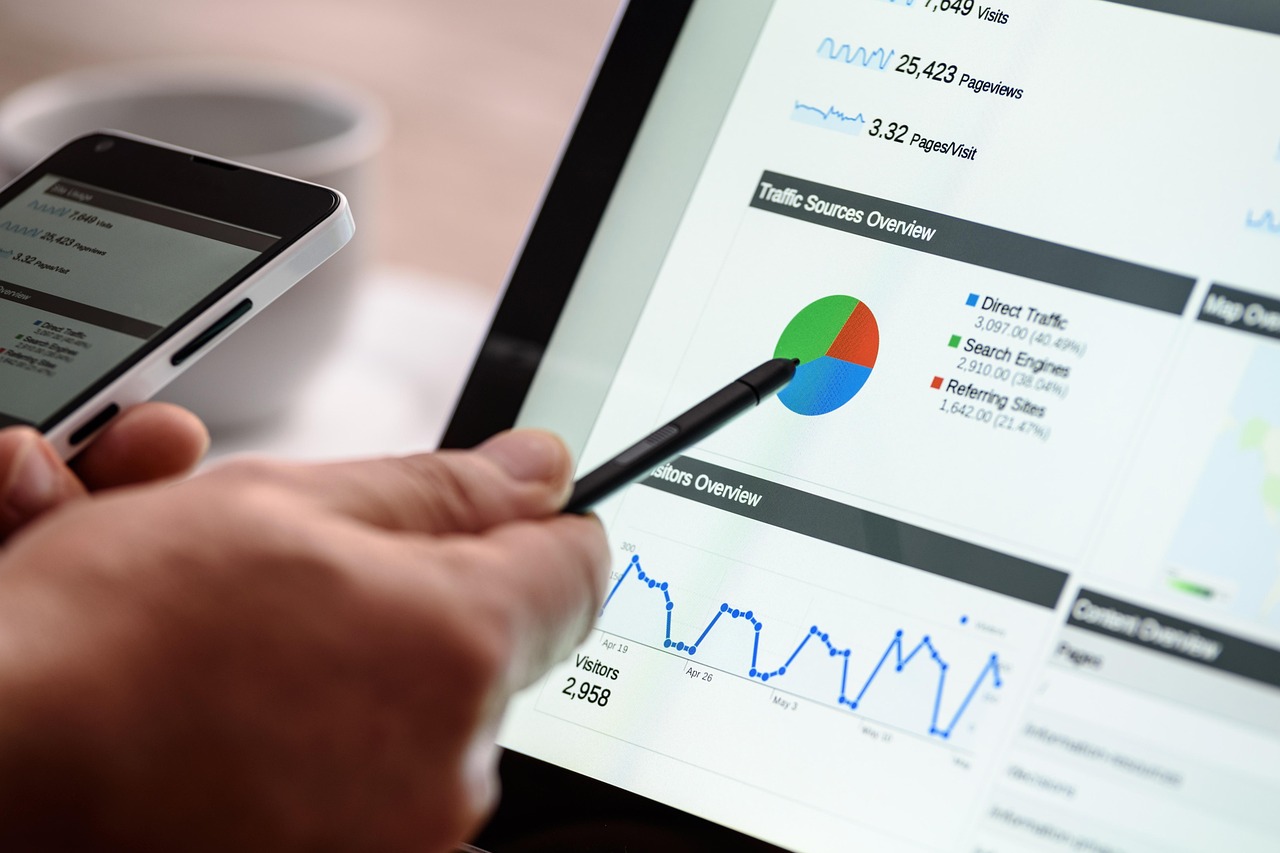
In the evolving landscape of digital marketing, AI art has emerged as a transformative force in advertising, enabling brands to create visually compelling content at scale. AI advertising optimization refers to the application of artificial intelligence algorithms to refine ad campaigns, ensuring maximum efficiency and impact. By integrating AI-generated imagery, which includes algorithmically produced visuals ranging from surreal illustrations to hyper-realistic product renders, advertisers can tailor messages that resonate deeply with target audiences. This integration not only accelerates content creation but also allows for dynamic adjustments based on performance data. For instance, AI tools can generate variations of ad creatives in real time, testing them against user behaviors to identify high-engagement elements. The strategic use of AI art in advertising addresses key challenges such as creative fatigue and production costs, while AI ad optimization enhances targeting precision. Businesses adopting these technologies report up to 25% improvements in engagement rates, underscoring the potential for personalized, data-driven visuals to drive conversions. As consumer preferences shift toward authentic and innovative experiences, mastering AI advertising optimization becomes essential for maintaining competitive edges. This overview sets the stage for a deeper exploration of how AI art can be optimized to deliver measurable results in advertising ecosystems.
The Role of AI Art in Modern Advertising
AI art revolutionizes advertising by providing tools that democratize high-quality visual production. Traditionally, creating ad visuals required extensive resources, but AI platforms now enable rapid generation of diverse, brand-aligned imagery. This shift allows marketers to focus on strategy rather than execution, fostering innovation in campaign design.
Generating Visual Content with AI Tools
AI tools such as generative adversarial networks produce AI art that mimics artistic styles or creates entirely new ones based on textual prompts. In advertising, this means crafting banners, social media graphics, or video thumbnails that align with brand aesthetics. For example, a fashion brand can input descriptions like ‘elegant summer dress in a vibrant cityscape’ to yield multiple iterations instantly. AI advertising optimization enhances this process by analyzing which visuals perform best, automating iterations to refine outputs. Marketers benefit from reduced turnaround times, often cutting production from weeks to hours, while ensuring consistency across channels.
Customization and Scalability Benefits
Scalability stands out as a core advantage, allowing global campaigns to adapt visuals for cultural nuances without overhauling creative teams. AI art supports personalization at scale, where individual user data informs subtle variations in imagery. Through AI ad optimization, systems track engagement metrics to prioritize customized elements, leading to higher relevance scores on platforms like Google Ads or Facebook. This not only improves ad delivery efficiency but also complies with privacy regulations by processing data aggregately.
Implementing AI Ad Optimization for AI Art Campaigns
Effective implementation of AI ad optimization involves layering intelligent algorithms over AI art assets to maximize reach and resonance. This approach transforms static visuals into dynamic campaign components that evolve with market conditions.
Real-Time Performance Analysis Techniques
Real-time performance analysis uses AI to monitor ad metrics such as click-through rates and dwell time instantaneously. For AI art in ads, this means evaluating how visual elements influence user interactions. Tools scan heatmaps and A/B test results to adjust creatives on the fly, for instance, swapping color schemes in AI-generated images if they underperform. Data from a 2023 industry report indicates that campaigns employing real-time analysis see a 40% uplift in ad relevance, directly correlating to better algorithmic placements and reduced cost per acquisition.
Audience Segmentation Strategies
Audience segmentation leverages AI to divide users into precise cohorts based on demographics, behaviors, and preferences. When paired with AI art, this enables tailored visuals, such as adventure-themed graphics for thrill-seekers or minimalist designs for professionals. Optimization algorithms refine segments dynamically, incorporating feedback loops to sharpen targeting. A practical example involves e-commerce platforms where AI segments users by past purchases, generating personalized product visuals that increase session durations by 15-20%.
Enhancing Conversion Rates Through AI Integration
Conversion rate improvement hinges on AI’s ability to bridge the gap between exposure and action. By optimizing AI art placements, advertisers create pathways that guide users toward purchases or sign-ups with minimal friction.
Personalized Ad Suggestions Based on Data
Personalized ad suggestions draw from audience data to recommend AI art variations that align with individual interests. Machine learning models predict preferences, generating suggestions like customized apparel visuals for fitness enthusiasts. This personalization boosts conversion rates, with studies showing up to 30% increases in click-to-purchase funnels. AI advertising optimization ensures these suggestions are tested and iterated, maintaining high performance across diverse user bases.
Strategies for Boosting ROAS
Return on ad spend (ROAS) improves through strategies like predictive modeling, where AI forecasts ad outcomes based on historical data. For AI art campaigns, this involves allocating resources to high-ROAS visuals, such as those yielding $5 revenue per $1 spent versus industry averages of $2. Tactics include multivariate testing of art elements and automated scaling of successful creatives. Brands implementing these see ROAS climb by 25-35%, exemplified by a retail case where AI-optimized visuals doubled conversion volumes during peak seasons.
Automated Budget Management in AI-Driven Advertising
Automated budget management streamlines resource allocation, ensuring AI art campaigns operate efficiently without constant oversight. AI algorithms handle adjustments to maximize value from every dollar invested.
Predictive Analytics for Allocation
Predictive analytics anticipates performance trends, shifting budgets toward AI art assets showing early promise. For instance, if a campaign’s video ad with AI-generated scenes outperforms static images, funds redirect automatically. This results in 20% cost savings, as per analytics from major ad platforms, by preventing overspend on low-yield creatives.
Dynamic Budget Adjustments
Dynamic adjustments respond to real-time signals like inventory levels or competitive bidding. In AI art contexts, this means pausing underperforming visuals while amplifying winners, optimizing for peak engagement windows. A technology firm reported a 28% ROAS improvement after adopting such systems, highlighting the precision AI brings to fiscal control.
Measuring Success: Key Metrics and Data Examples
Success measurement relies on robust metrics tailored to AI art advertising. Tracking these provides actionable insights for ongoing optimization.
Concrete Metrics for Evaluation
Key metrics include engagement rate, conversion rate, and ROAS, benchmarked against baselines. For AI art, evaluate visual-specific KPIs like image recognition accuracy in user interactions. A table below illustrates typical benchmarks:
| Metric | Traditional Campaign Average | AI-Optimized Average | Improvement Example |
|---|---|---|---|
| Conversion Rate | 2.5% | 4.2% | 68% uplift |
| ROAS | $2.50 | $4.00 | 60% increase |
| Engagement Rate | 1.8% | 3.1% | 72% boost |
These figures, drawn from aggregated 2023 data, demonstrate AI’s enhancement of optimization processes.
Strategic Execution: Future-Proofing AI Art Advertising Through Optimization
Looking ahead, strategic execution involves embedding AI advertising optimization into core workflows to adapt to emerging technologies like augmented reality integrations with AI art. Businesses must invest in scalable platforms that support continuous learning, ensuring campaigns remain agile amid shifting regulations and consumer behaviors. By prioritizing ethical AI use, such as bias mitigation in art generation, brands can build trust and longevity. Alien Road, as a leading consultancy, empowers enterprises to master AI advertising optimization, delivering tailored strategies that harness AI art for unprecedented campaign efficacy. Partner with Alien Road today for a strategic consultation to elevate your advertising performance and achieve sustainable growth.
Frequently Asked Questions About AI Art Used in Advertising
What is AI art in advertising?
AI art in advertising encompasses visuals created or enhanced by artificial intelligence algorithms, such as generative models that produce images from text descriptions. These assets integrate into campaigns to deliver innovative, cost-effective creatives that capture audience attention more effectively than traditional methods.
How does AI advertising optimization work?
AI advertising optimization employs machine learning to analyze campaign data, automate adjustments, and predict outcomes. It refines targeting, bidding, and creative selection in real time, ensuring AI art reaches the right users at optimal moments for maximum impact.
Why use AI art for ad campaigns?
AI art enables rapid, scalable production of high-quality visuals tailored to brand needs, reducing costs by up to 50% while increasing creative variety. This approach allows advertisers to test and iterate quickly, leading to more engaging and effective campaigns.
What are the benefits of real-time performance analysis in AI ads?
Real-time performance analysis provides immediate insights into ad effectiveness, allowing for on-the-fly optimizations that boost engagement by 40%. It helps identify winning AI art elements, minimizing waste and enhancing overall campaign ROI.
How can audience segmentation improve AI art advertising?
Audience segmentation divides users into targeted groups, enabling personalized AI art delivery that resonates with specific interests. This strategy can lift conversion rates by 20-30% by ensuring visuals align closely with user preferences and behaviors.
What role does AI play in conversion rate improvement?
AI drives conversion rate improvement by personalizing experiences and predicting user actions, such as recommending AI art that matches browsing history. Integrated optimization tools track and refine these elements, often resulting in 25% higher conversion funnels.
How does automated budget management benefit AI campaigns?
Automated budget management dynamically allocates funds based on performance, prioritizing high-ROAS AI art assets. This efficiency can save 15-25% on ad spend while scaling successful creatives automatically for better resource utilization.
What metrics should be tracked for AI art ad success?
Essential metrics include click-through rates, conversion rates, ROAS, and engagement levels. For AI art specifically, monitor visual interaction times and A/B test results to quantify improvements from optimization efforts.
Can AI generate personalized ad suggestions?
Yes, AI analyzes audience data to generate personalized ad suggestions, creating custom AI art variations that appeal to individual users. This personalization enhances relevance, potentially increasing click rates by 35% in targeted campaigns.
What strategies boost ROAS in AI advertising?
Strategies include predictive bidding, creative automation, and performance-based scaling of AI art. Focusing on data-driven iterations can elevate ROAS from $2 to $4 or higher, as evidenced by case studies in e-commerce.
How to integrate AI art into existing ad platforms?
Integration involves uploading AI-generated assets to platforms like Google Ads or Meta, then applying optimization rules for targeting and analysis. Start with small tests to refine workflows and scale based on performance data.
What challenges arise with AI art in advertising?
Challenges include ensuring originality to avoid copyright issues and addressing AI biases in generated content. Mitigation through human oversight and ethical guidelines helps maintain quality and compliance.
Why is AI optimization essential for AI art campaigns?
AI optimization is crucial as it amplifies the potential of AI art by refining delivery and measuring impact precisely. Without it, even superior visuals may underperform, wasting opportunities for engagement and conversions.
How does AI handle ethical concerns in ad art?
AI systems incorporate ethical frameworks to detect and correct biases, ensuring diverse representation in art. Advertisers should audit outputs regularly to align with inclusivity standards and regulatory requirements.
What future trends involve AI art and optimization?
Future trends include immersive AI art in AR/VR ads and advanced predictive optimization for hyper-personalization. These evolutions promise even greater efficiency, with projections of 50% ROAS gains by 2025.


