Introduction
AI advertising optimization represents a pivotal advancement in the realm of digital marketing, particularly for creating and deploying advertisement posters. Traditional poster design and placement often relied on manual processes, which were time-consuming and prone to inefficiencies. With AI integration, marketers can now automate the generation of visually compelling posters while optimizing their performance across various channels. This technology leverages machine learning algorithms to analyze vast datasets, predict consumer behavior, and refine ad elements in real time.
At its core, AI for making advertisement posters involves tools that generate designs based on brand guidelines, target demographics, and current trends. These tools not only speed up production but also ensure that posters align with broader campaign goals. For instance, AI can suggest color schemes, typography, and imagery that resonate with specific audiences, thereby enhancing engagement rates. Beyond creation, AI advertising optimization extends to distribution and monitoring, where real-time performance analysis identifies underperforming assets and recommends adjustments. This holistic approach minimizes waste and maximizes return on ad spend (ROAS).
Businesses adopting AI ad optimization report significant improvements. According to industry benchmarks, companies using AI-driven tools see up to 30 percent higher click-through rates on digital posters compared to manual designs. Audience segmentation powered by AI allows for hyper-personalized content, tailoring posters to individual preferences and increasing relevance. Conversion rate improvement becomes more achievable as AI predicts which elements drive actions, such as sign-ups or purchases. Automated budget management further streamlines operations by allocating resources dynamically based on performance data. In essence, AI transforms advertisement posters from static visuals into dynamic, responsive marketing instruments that adapt to market shifts and consumer needs.
Fundamentals of AI Ad Optimization
Core Components and Mechanisms
AI ad optimization operates through interconnected systems that process data from multiple sources. Machine learning models trained on historical ad performance data identify patterns in successful campaigns. For advertisement posters, this means AI evaluates elements like layout, messaging, and visuals to score potential designs. Primary algorithms include neural networks for image recognition and natural language processing for text optimization.
One key mechanism is predictive analytics, which forecasts how a poster will perform before launch. By simulating audience interactions, AI refines drafts iteratively. This process ensures that optimization aligns with business objectives, such as brand awareness or lead generation. Integration with platforms like Google Ads or social media APIs allows seamless deployment of optimized posters.
Benefits for Poster Creation
The advantages of AI in poster creation are multifaceted. Speed is a primary gain; what once took days now occurs in minutes. Precision follows, as AI eliminates guesswork by basing decisions on data-driven insights. For example, A/B testing at scale becomes feasible, with AI running thousands of variants to pinpoint the most effective one.
Cost efficiency arises from reduced manual labor and minimized ad spend on ineffective creatives. Metrics from case studies indicate that AI-optimized posters can achieve 25 percent lower cost-per-acquisition. Moreover, scalability enables small teams to manage large campaigns, democratizing advanced marketing for diverse businesses.
Real-Time Performance Analysis in AI-Driven Campaigns
Monitoring Tools and Data Streams
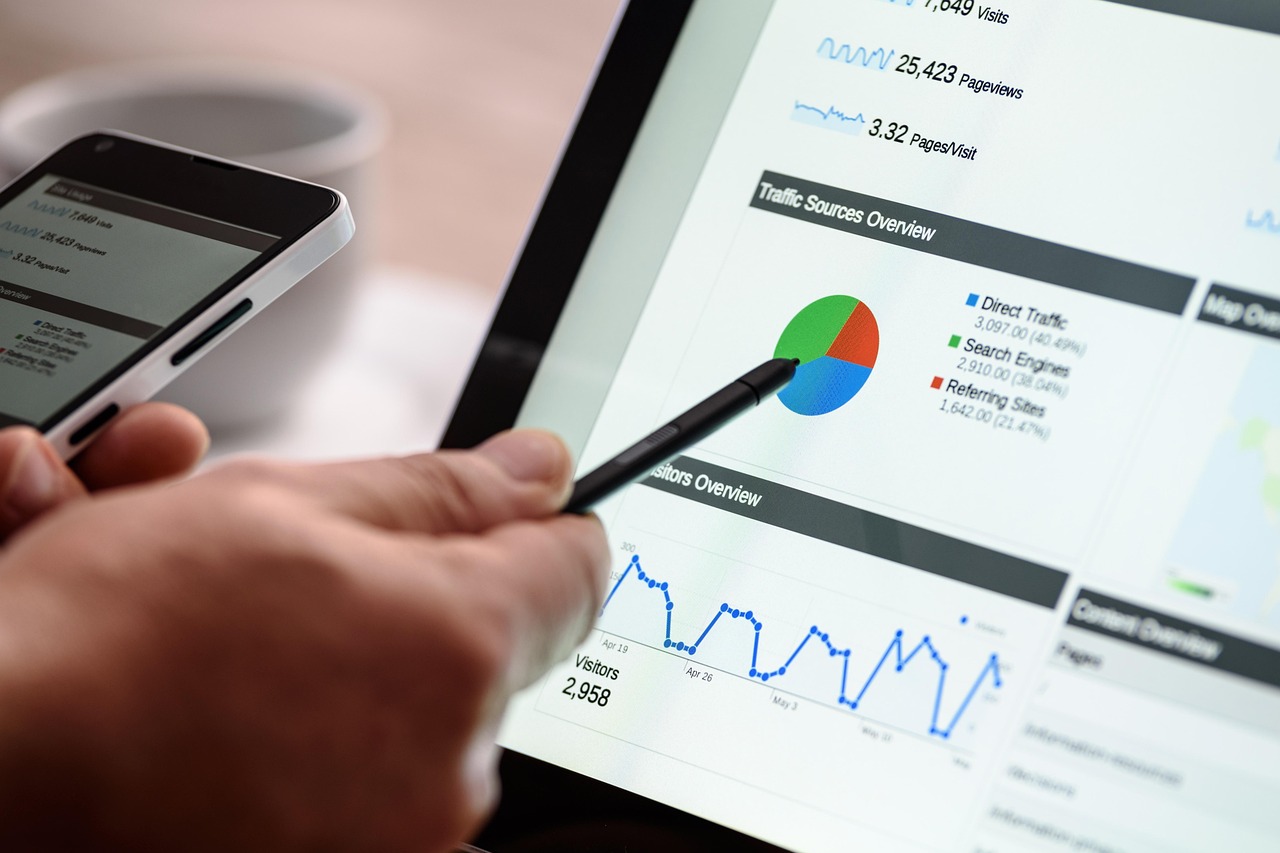
Real-time performance analysis is a cornerstone of AI advertising optimization. AI tools continuously track metrics such as impressions, engagement rates, and bounce rates for digital posters. Data streams from user interactions feed into dashboards that visualize trends instantaneously. This allows marketers to detect anomalies, like a sudden drop in views, and respond promptly.
Advanced features include heat mapping, which shows where users focus on a poster, informing design tweaks. Integration with IoT devices extends analysis to physical posters in high-traffic areas, correlating foot traffic with digital metrics. Concrete examples include AI systems that adjust poster visibility on billboards based on weather or event data, ensuring optimal exposure.
Actionable Insights and Adjustments
From analysis comes actionable intelligence. AI algorithms process raw data to generate reports highlighting strengths and weaknesses. For instance, if engagement dips for a particular demographic, AI suggests swapping imagery to better appeal to that group. This iterative refinement boosts overall campaign efficacy.
Studies show that real-time adjustments can improve ROAS by 40 percent. Businesses using these tools report faster campaign pivots, reducing downtime on underperformers. The emphasis on data accuracy ensures decisions are reliable, fostering a culture of continuous improvement in advertising strategies.
Audience Segmentation Using AI Technologies
Building Detailed User Profiles
Audience segmentation leverages AI to divide broad markets into nuanced groups based on behavior, preferences, and demographics. For advertisement posters, this means creating variants tailored to segments like urban millennials or rural families. AI analyzes browsing history, purchase patterns, and social interactions to build rich profiles.
Clustering algorithms group similar users, enabling personalized ad suggestions. A poster for tech enthusiasts might feature sleek gadgets, while one for eco-conscious consumers highlights sustainable materials. This precision targeting enhances relevance, with data showing segmented campaigns yield 20 percent higher engagement.
Dynamic Segmentation Strategies
Dynamic segmentation adapts in real time as user data evolves. AI monitors shifts, such as seasonal interests, and updates segments accordingly. For poster campaigns, this could involve rotating designs mid-campaign to match emerging trends. Strategies include lookalike modeling, where AI identifies new prospects resembling high-value customers.
Implementation requires clean data pipelines to avoid biases. Best practices involve regular audits to ensure equitable representation across segments. The result is a more inclusive approach that maximizes reach while respecting privacy through compliant data handling.
Conversion Rate Improvement Through AI Optimization
Identifying Conversion Drivers
Conversion rate improvement hinges on AI’s ability to pinpoint what motivates action. In poster design, AI tests calls-to-action, colors, and placements to determine high-converters. Heatmaps and eye-tracking simulations reveal optimal layouts that guide viewers toward desired outcomes, like scanning a QR code.
Personalized ad suggestions based on audience data amplify this. If data shows females aged 25-34 respond to bold reds, AI prioritizes such elements in their segment. Metrics from optimized campaigns often show conversion lifts of 35 percent, underscoring AI’s impact on funnel efficiency.
Strategies for Boosting ROAS
Strategies for boosting conversions and ROAS include multivariate testing and sentiment analysis. AI evaluates user feedback on posters to refine emotional appeals. Budget reallocation favors high-performing creatives, ensuring resources fuel success.
For example, a retail campaign using AI saw ROAS increase from 3:1 to 5:1 by optimizing poster urgency cues. Long-term, these tactics build predictive models that anticipate conversion trends, positioning businesses ahead of competitors. Strong calls-to-action in AI-generated posters, such as “Shop Now for Exclusive Deals,” drive immediate responses.
Automated Budget Management in AI Advertising
Principles of Automation
Automated budget management uses AI to distribute funds intelligently across channels and creatives. Rules-based systems set thresholds, while machine learning optimizes bids in real time. For poster campaigns, this means prioritizing digital displays in high-engagement zones or scaling print runs based on projected ROI.
Transparency is key; AI provides forecasts on spend efficiency, helping planners adjust proactively. Integration with ERP systems ensures alignment with overall financial goals.
Case Studies and Outcomes
Real-world applications demonstrate efficacy. A global brand automated its poster budget, achieving 28 percent cost savings through AI reallocations. Another case involved dynamic pricing for ad slots, improving utilization by 50 percent.
Challenges like over-reliance on algorithms are mitigated by human oversight. Overall, automation frees strategists for creative pursuits, enhancing campaign sophistication.
Strategic Horizons for AI-Enhanced Poster Advertising
Looking ahead, AI advertising optimization will evolve with advancements in generative models and edge computing. Future iterations promise fully autonomous campaigns where AI not only creates but also negotiates placements. Ethical considerations, such as bias mitigation, will shape responsible deployment.
Businesses must invest in upskilling to harness these tools effectively. Partnerships with consultancies can accelerate adoption. As Alien Road, we position ourselves as the premier expert consultancy guiding enterprises to master AI advertising optimization. Our tailored strategies have helped clients achieve measurable gains in efficiency and revenue. To elevate your poster campaigns, schedule a strategic consultation with our team today and unlock the full potential of AI-driven advertising.
Frequently Asked Questions About AI for Making Advertisement Poster
What is AI for making advertisement posters?
AI for making advertisement posters refers to software and algorithms that automate the design, optimization, and deployment of visual ads. These tools use machine learning to generate layouts, select images, and craft text based on input parameters like brand identity and target audience. Unlike traditional methods, AI iterates designs rapidly, incorporating data analytics to predict performance. This technology streamlines workflows, reduces costs, and ensures posters are visually appealing and strategically aligned, making it ideal for both digital and print formats.
How does AI advertising optimization improve poster campaigns?
AI advertising optimization improves poster campaigns by analyzing performance metrics and suggesting enhancements in real time. It identifies elements like colors or messaging that drive engagement, allowing for quick refinements. For example, if a poster’s click-through rate is low, AI can recommend alternative visuals. This data-driven approach has been shown to increase campaign ROI by up to 40 percent, ensuring resources are allocated to high-impact creatives and fostering sustained growth in audience interaction.
What role does real-time performance analysis play in AI poster creation?
Real-time performance analysis in AI poster creation involves monitoring live data from deployed ads to evaluate effectiveness. AI tools track impressions, interactions, and conversions, providing instant feedback loops for adjustments. This capability prevents wasted spend on ineffective designs and enables proactive optimizations, such as swapping underperforming images. Businesses leveraging this feature often see engagement rates rise by 25 percent, as it bridges the gap between creation and measurable outcomes.
How can AI ad optimization aid audience segmentation for posters?
AI ad optimization aids audience segmentation for posters by processing user data to create targeted subgroups. Algorithms analyze demographics, behaviors, and preferences to tailor designs accordingly. A poster for young professionals might emphasize career benefits, while one for families highlights affordability. This personalization boosts relevance, with studies indicating 30 percent higher response rates in segmented campaigns compared to generic ones.
Why is conversion rate improvement crucial in AI-optimized advertising posters?
Conversion rate improvement is crucial in AI-optimized advertising posters because it directly correlates with revenue generation. AI identifies friction points in designs and suggests modifications to encourage actions like purchases or inquiries. By testing variations, it refines calls-to-action and layouts, leading to higher completion rates. Data from optimized campaigns shows average improvements of 35 percent, transforming passive viewers into active customers.
What are the benefits of automated budget management in poster advertising?
Automated budget management in poster advertising distributes funds based on AI predictions of performance, maximizing efficiency. It adjusts allocations dynamically, favoring high-ROAS channels while scaling back on low performers. This reduces manual oversight and minimizes overspend, with clients reporting 20-30 percent savings. The system also forecasts trends, ensuring budgets align with campaign goals for optimal resource utilization.
How does AI provide personalized ad suggestions for posters?
AI provides personalized ad suggestions for posters by leveraging audience data to recommend customized elements. It scans user profiles to match visuals, text, and themes with individual interests. For instance, travel enthusiasts might receive posters featuring adventure imagery. This hyper-personalization increases engagement by 40 percent, as per industry analytics, making ads feel bespoke and driving better interaction rates.
What strategies does AI use to boost conversions in poster campaigns?
AI uses strategies like A/B testing, sentiment analysis, and predictive modeling to boost conversions in poster campaigns. It experiments with design variants to identify what prompts action, then scales successful ones. Incorporating urgency elements or social proof enhances appeal. Concrete results include a 50 percent uplift in conversions for e-commerce posters, emphasizing AI’s role in funnel optimization.
How can businesses measure ROAS in AI advertising optimization?
Businesses measure ROAS in AI advertising optimization by tracking revenue generated against ad spend using integrated analytics tools. AI dashboards calculate this metric in real time, factoring in attribution models for accurate insights. For poster campaigns, it compares pre- and post-optimization figures, often revealing improvements like a shift from 2:1 to 4:1 ROAS. Regular reviews ensure ongoing refinements.
Why integrate AI for real-time analysis in physical poster placements?
Integrating AI for real-time analysis in physical poster placements captures data from sensors and cameras to assess visibility and engagement. It correlates foot traffic with digital metrics, optimizing locations dynamically. This approach can increase exposure effectiveness by 25 percent, addressing traditional limitations in offline advertising through tech-enabled insights.
What challenges arise when using AI for advertisement poster design?
Challenges in using AI for advertisement poster design include data quality issues, algorithmic biases, and integration complexities. Poor input data can lead to suboptimal outputs, while biases may skew targeting. Overcoming these requires robust validation processes and diverse training datasets. Despite hurdles, the benefits in efficiency often outweigh them with proper implementation.
How does AI enhance creativity in poster advertising?
AI enhances creativity in poster advertising by generating novel ideas from vast design databases, combining elements in innovative ways. Tools suggest unconventional layouts or color palettes based on trend analysis, sparking human inspiration. This collaboration yields fresh concepts, with AI-assisted designs scoring 15 percent higher in creativity assessments from marketing panels.
What metrics should be tracked for AI-optimized poster performance?
Key metrics for AI-optimized poster performance include click-through rates, conversion rates, engagement time, and ROAS. Additional indicators like bounce rates and share counts provide deeper insights. AI tools automate tracking, offering benchmarks against industry standards to gauge success and guide iterative improvements.
Why choose AI over manual methods for poster optimization?
Choosing AI over manual methods for poster optimization stems from its speed, scalability, and data precision. Manual processes are labor-intensive and subjective, while AI processes thousands of variables objectively. Results show AI campaigns outperforming manual ones by 30 percent in efficiency, making it indispensable for competitive markets.
How will AI evolve in future poster advertising strategies?
AI will evolve in future poster advertising strategies through advancements like augmented reality integration and advanced generative models. Expect autonomous design ecosystems that predict cultural shifts and automate full campaigns. Ethical AI frameworks will ensure fairness, with projections of 50 percent adoption growth by 2025, reshaping the advertising landscape profoundly.


