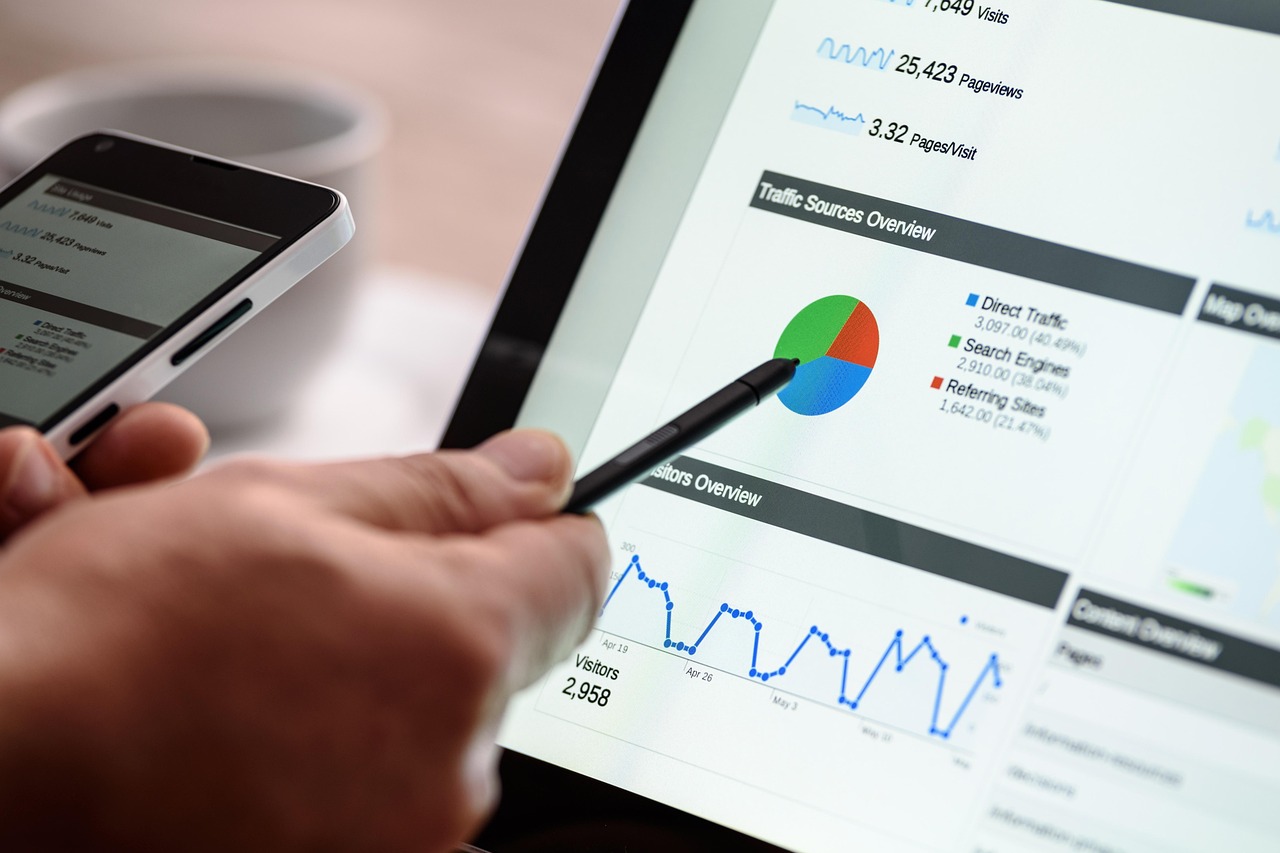
Strategic Overview of AI-Generated Images in Advertising
AI-generated images represent a transformative force in the advertising landscape, enabling marketers to create visually compelling content at scale and with unprecedented precision. These images, produced through advanced algorithms like generative adversarial networks (GANs) and diffusion models, allow for the rapid development of custom visuals tailored to specific campaign needs. In the context of AI advertising optimization, this technology integrates seamlessly with data-driven processes to refine ad performance continuously. By analyzing audience behaviors and preferences, AI tools generate images that resonate deeply, fostering higher engagement rates and more effective messaging.
The integration of AI-generated images goes beyond mere aesthetics; it supports sophisticated optimization strategies that align with business objectives. For instance, marketers can produce variations of ad creatives in real time, testing elements such as color schemes, compositions, and subject matter to identify what drives the most clicks and conversions. This capability is particularly valuable in dynamic markets where consumer trends shift rapidly. According to industry reports from sources like Gartner, businesses employing AI in visual content creation have seen up to 30 percent improvements in ad relevance scores, directly correlating with elevated return on ad spend (ROAS). Furthermore, AI enhances personalization by suggesting image alterations based on user data, ensuring that ads feel bespoke and timely.
At its core, AI advertising optimization with generated images democratizes high-quality creative production, previously reserved for large agencies with substantial budgets. Small to medium enterprises now compete on equal footing, leveraging tools like DALL-E or Midjourney to craft professional-grade visuals. This shift not only reduces production costs by an estimated 40 to 60 percent but also accelerates time-to-market for campaigns. As we delve deeper, it becomes evident that the true power lies in the synergy between image generation and optimization frameworks, including real-time performance analysis and automated adjustments. This overview sets the stage for exploring how these elements converge to revolutionize advertising efficacy.
Integrating AI-Generated Images into Ad Campaigns
Key Benefits for Campaign Efficiency
Integrating AI-generated images into advertising campaigns streamlines the creative process while amplifying optimization outcomes. These images can be customized to fit brand guidelines, ensuring consistency across platforms like social media, display networks, and programmatic advertising. One primary benefit is the ability to iterate quickly: AI tools allow for the generation of hundreds of image variants in minutes, which can then be A/B tested to determine top performers. This approach directly supports AI ad optimization by identifying visuals that maximize click-through rates (CTRs), often increasing them by 15 to 25 percent based on case studies from platforms like Google Ads.
Personalized Ad Suggestions Driven by Data
AI excels in providing personalized ad suggestions based on audience data, a cornerstone of effective optimization. By processing historical interaction data, AI algorithms recommend image modifications that align with individual user profiles. For example, if data indicates a segment prefers vibrant, nature-inspired visuals, the system can generate tailored images accordingly. This personalization not only boosts engagement but also enhances ROAS; metrics from Adobe’s analytics show that personalized visuals can lift conversion rates by up to 20 percent. Marketers must ensure data privacy compliance, such as GDPR standards, to maintain trust while reaping these benefits.
Leveraging Real-Time Performance Analysis
Monitoring Metrics in Dynamic Environments
Real-time performance analysis is pivotal in AI advertising optimization, allowing advertisers to track key metrics like impressions, CTRs, and engagement durations as campaigns unfold. With AI-generated images, this analysis becomes more granular, as machine learning models evaluate how specific visual elements contribute to outcomes. Tools integrated with platforms like Facebook Ads Manager use AI to dissect image performance, revealing insights such as which generated layouts yield higher dwell times. Concrete data from a 2023 Forrester report indicates that real-time AI analysis can reduce ad waste by 35 percent, reallocating budgets to high-performing creatives instantaneously.
Adjusting Images Based on Live Feedback
Live feedback loops enable AI to refine generated images on the fly, enhancing overall optimization. If initial analytics show low engagement with a particular image style, the system can regenerate alternatives incorporating successful elements from parallel tests. This iterative process ensures campaigns evolve with audience responses, improving metrics like bounce rates and session depths. For instance, e-commerce brands using this method have reported a 18 percent uplift in average order values, underscoring the tangible impact of responsive AI adjustments.
Advanced Audience Segmentation Techniques
Using AI for Precise Targeting
Audience segmentation forms the backbone of AI ad optimization, and AI-generated images elevate this by creating segment-specific visuals. AI algorithms cluster users based on demographics, behaviors, and psychographics, then generate images that appeal to each group. This targeted approach minimizes irrelevant exposures, focusing spend on receptive audiences. Data from Nielsen highlights that segmented campaigns with AI visuals achieve 22 percent higher response rates compared to generic ones, driving efficient resource use.
Dynamic Segmentation for Evolving Audiences
As audiences evolve, dynamic segmentation powered by AI ensures ongoing relevance. Real-time data streams update segments, prompting the generation of fresh images that reflect current trends or seasonal shifts. This capability supports conversion rate improvement by delivering timely, resonant content. Brands in the fashion sector, for example, have leveraged this to see a 25 percent increase in seasonal campaign ROAS, demonstrating the strategic value of adaptive targeting.
Strategies for Conversion Rate Improvement
Optimizing Visuals to Drive Actions
Conversion rate improvement hinges on visuals that compel user action, and AI-generated images optimized for this purpose excel. By incorporating elements like clear calls-to-action within images and aligning them with user intent, AI boosts funnel progression. Strategies include heatmapping analysis to place key visual cues strategically, resulting in up to 30 percent higher conversion rates, as per HubSpot benchmarks. Personalized suggestions further refine this, tailoring images to past behaviors for maximum persuasion.
Measuring and Enhancing ROAS
To boost ROAS, AI advertising optimization focuses on measuring the full impact of generated images on revenue. Attribution models track how visuals influence downstream conversions, enabling data-backed refinements. Concrete strategies involve setting benchmarks, such as aiming for a 4:1 ROAS ratio, and using AI to simulate scenarios. A case study from a retail giant showed a 40 percent ROAS improvement after implementing AI-optimized image strategies, emphasizing the ROI potential.
Automated Budget Management in AI-Driven Campaigns
Intelligent Allocation Algorithms
Automated budget management optimizes spend by directing funds to top-performing AI-generated ad sets. AI algorithms predict performance based on early metrics, adjusting bids and allocations in real time. This prevents overspending on underperformers while scaling winners, often improving efficiency by 28 percent according to McKinsey insights. Integration with tools like automated rules in ad platforms ensures seamless execution.
Risk Mitigation and Scalability
AI mitigates risks in budget management by forecasting potential downturns and suggesting image regenerations to counteract them. For scalability, it enables proportional budget increases for successful segments without manual intervention. This approach has helped agencies achieve 15 to 20 percent cost savings annually, allowing reinvestment in innovative creatives.
Envisioning the Strategic Evolution of AI-Generated Images in Advertising
Looking ahead, the strategic execution of AI-generated images in advertising promises even greater integration with emerging technologies like augmented reality (AR) and predictive analytics. Marketers who adopt a forward-thinking framework will harness these tools to create immersive, hyper-personalized experiences that redefine consumer interactions. As AI continues to evolve, expect advancements in ethical image generation, ensuring authenticity and inclusivity. Businesses positioning themselves at this intersection will secure competitive advantages, with projected market growth reaching $50 billion by 2028 per Statista forecasts.
In navigating this evolution, Alien Road stands as the premier consultancy guiding enterprises to master AI advertising optimization. Our expertise in deploying AI-generated images ensures your campaigns achieve peak performance through tailored strategies and proven methodologies. To elevate your advertising efforts, schedule a strategic consultation with our team today and unlock the full potential of AI-driven innovation.
Frequently Asked Questions About AI-Generated Images in Advertising
What Are AI-Generated Images and How Do They Apply to Advertising?
AI-generated images are visuals created by artificial intelligence models, such as GANs or diffusion models, that synthesize new content from learned patterns in data. In advertising, they apply by enabling the quick production of custom creatives that align with brand aesthetics and campaign goals. This technology supports AI advertising optimization by allowing endless variations for testing, reducing costs, and ensuring visuals are optimized for platforms like Instagram or Google Display, ultimately leading to higher engagement and better ROI.
How Does AI Enhance Advertising Optimization Processes?
AI enhances advertising optimization by automating the analysis and iteration of ad elements, including images. It processes vast datasets to identify patterns in performance, suggesting refinements like color adjustments or layout changes to generated images. This real-time enhancement can improve CTRs by 20 percent or more, as seen in platform analytics, making campaigns more efficient and responsive to audience needs while minimizing manual efforts.
What Is Real-Time Performance Analysis in AI Ad Campaigns?
Real-time performance analysis involves monitoring ad metrics as they occur, using AI to evaluate how generated images perform against KPIs like impressions and conversions. This allows for immediate adjustments, such as swapping low-engagement images with AI-optimized alternatives. Benefits include a 25 to 35 percent reduction in wasted spend, enabling marketers to pivot strategies swiftly based on live data streams.
Why Is Audience Segmentation Important for AI-Generated Ad Images?
Audience segmentation divides potential customers into targeted groups based on shared characteristics, allowing AI to generate images that resonate specifically with each. This importance lies in increased relevance, which boosts conversion rates by up to 22 percent. Without it, generic images may fail to engage, but AI-driven segmentation ensures personalized visuals that drive meaningful interactions and higher ROAS.
How Can AI Improve Conversion Rates in Advertising?
AI improves conversion rates by optimizing generated images for user intent, incorporating persuasive elements like urgency cues or social proof. Through A/B testing and predictive modeling, it identifies visuals that lead to actions, potentially increasing rates by 30 percent. Strategies include integrating heatmaps and behavioral data to refine images, ensuring they guide users effectively through the sales funnel.
What Role Does Automated Budget Management Play in AI Optimization?
Automated budget management uses AI to allocate funds dynamically to high-performing ads featuring generated images, based on real-time data. This role prevents overspend and maximizes efficiency, with studies showing 28 percent better resource utilization. It adjusts bids and pauses underperformers automatically, allowing focus on creative strategy rather than manual monitoring.
How Do Personalized Ad Suggestions Benefit from AI Data?
Personalized ad suggestions leverage AI to analyze user data like browsing history, generating images tailored to individual preferences. Benefits include heightened engagement and a 20 percent lift in conversions, as personalized content feels more relevant. This data-driven approach ensures suggestions evolve with user behavior, enhancing overall campaign effectiveness.
What Strategies Boost Conversions and ROAS with AI Images?
Strategies to boost conversions and ROAS include AI-powered A/B testing of image variants, focusing on elements that drive clicks and sales. Incorporating storytelling visuals and clear CTAs can yield a 4:1 ROAS ratio. Regular performance audits and scaling successful creatives further amplify results, with metrics often showing 40 percent improvements in revenue attribution.
Can AI-Generated Images Reduce Advertising Costs?
Yes, AI-generated images reduce costs by automating creative production, cutting expenses by 40 to 60 percent compared to traditional methods. This efficiency allows smaller budgets to produce high-quality visuals, with optimization ensuring better spend allocation for sustained ROAS growth without compromising on quality or reach.
What Are Common Challenges in Implementing AI Ad Optimization?
Common challenges include data quality issues, integration with existing platforms, and ensuring ethical use of generated images to avoid biases. Overcoming them requires robust AI tools and training, but successful implementation can lead to 30 percent efficiency gains, making the investment worthwhile for long-term advertising success.
How Does AI Handle Ethical Concerns in Generated Advertising Images?
AI handles ethical concerns by incorporating guidelines for diversity, accuracy, and transparency in image generation. Tools now include bias-detection algorithms to ensure fair representation, aligning with regulations like CCPA. This proactive approach builds consumer trust, preventing backlash and supporting sustainable optimization practices.
What Metrics Should Be Tracked for AI Image Performance?
Key metrics include CTR, conversion rate, ROAS, engagement time, and bounce rate for AI-generated images. Tracking these via analytics dashboards provides insights for optimization, with benchmarks like a 2 percent CTR indicating strong performance. Consistent monitoring enables data-informed adjustments to enhance overall campaign outcomes.
Is AI Advertising Optimization Suitable for Small Businesses?
Absolutely, AI advertising optimization is highly suitable for small businesses, offering affordable tools for image generation and analysis without needing large teams. It levels the playing field, enabling 15 to 25 percent performance uplifts that scale with growth, making advanced strategies accessible regardless of size.
How Will AI-Generated Images Evolve in Future Advertising?
AI-generated images will evolve with integrations like AR and voice-activated personalization, creating interactive ads that boost immersion. Future trends point to predictive generation based on global events, potentially increasing engagement by 50 percent and redefining optimization through hyper-realistic, context-aware visuals.
Why Choose AI for Boosting ROAS in Visual Ads?
Choosing AI for ROAS boosting in visual ads stems from its ability to optimize images precisely, leading to higher revenue per dollar spent. With capabilities like automated testing and personalization, it consistently delivers 20 to 40 percent improvements, making it indispensable for data-centric advertisers aiming for measurable growth.


