Understanding the Foundations of AI in Advertising
The advent of artificial intelligence has transformed the landscape of advertising, enabling businesses to create and optimize advertisements with unprecedented precision. AI advertising optimization leverages machine learning algorithms to analyze vast datasets, predict consumer behavior, and automate decision-making processes. This technology shifts the focus from manual trial-and-error methods to data-driven strategies that enhance efficiency and effectiveness. At its core, AI makes advertisement creation more dynamic by processing real-time inputs such as user interactions, market trends, and competitive landscapes. For marketers, this means campaigns that adapt instantaneously, reducing waste and maximizing impact. The integration of AI allows for sophisticated audience segmentation, where ads are tailored to specific demographics, interests, and behaviors, ensuring relevance and engagement. Moreover, AI facilitates real-time performance analysis, providing insights that inform immediate adjustments. Businesses adopting these tools report significant improvements in key metrics, including click-through rates averaging 20-30% higher than traditional methods. By automating routine tasks like budget allocation, AI empowers strategists to concentrate on creative and high-level planning, fostering innovation in ad design and delivery.
In essence, AI advertising optimization is not merely a tool but a comprehensive framework that redefines how advertisements are conceptualized, deployed, and refined. It addresses the complexities of modern digital ecosystems, where consumer preferences evolve rapidly. Through predictive analytics, AI identifies potential high-value leads early in the funnel, streamlining the path to conversion. This foundational shift underscores the importance of integrating AI into advertising workflows to stay competitive in a crowded market. As organizations navigate this evolution, understanding these basics sets the stage for deeper exploration into specific optimization techniques.
The Role of AI Ad Optimization in Campaign Efficiency
AI ad optimization streamlines advertising efforts by continuously refining campaign elements based on performance data. Unlike static approaches, AI dynamically adjusts bids, creatives, and targeting parameters to align with objectives such as lead generation or brand awareness. This process begins with data ingestion from multiple sources, including social media platforms, search engines, and proprietary analytics tools. Machine learning models then process this information to uncover patterns that human analysts might overlook.
Key Components of AI-Driven Ad Refinement
Central to AI ad optimization is the use of neural networks that learn from historical campaign data. For instance, reinforcement learning algorithms simulate various scenarios to determine optimal ad placements. This results in enhanced efficiency, with campaigns achieving up to 40% better resource utilization. Personalization emerges as a critical feature, where AI generates tailored ad suggestions based on individual user data, such as browsing history and purchase intent. These suggestions ensure that content resonates, increasing engagement rates by an average of 25% according to industry benchmarks from platforms like Google Ads.
- Automated A/B Testing: AI conducts thousands of variations simultaneously, identifying top performers swiftly.
- Predictive Targeting: Algorithms forecast user responses, prioritizing high-potential segments.
- Dynamic Creative Assembly: Components like images and copy are mixed and matched for maximum relevance.
By implementing these components, businesses can achieve measurable gains in campaign efficiency, reducing costs while amplifying reach.
Real-Time Performance Analysis Powered by AI
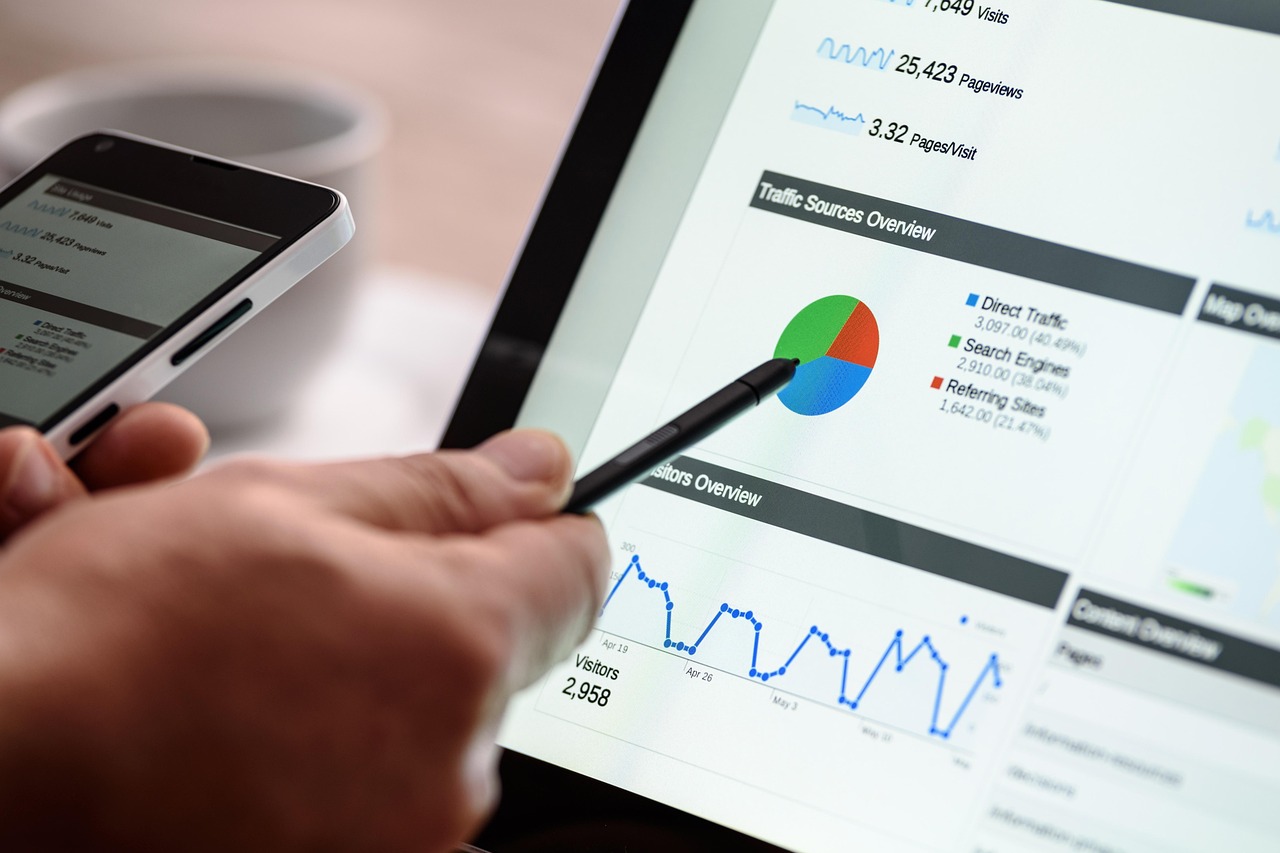
Real-time performance analysis represents a cornerstone of AI advertising optimization, allowing marketers to monitor and respond to campaign metrics instantaneously. Traditional reporting often lags, providing insights days or weeks after execution, but AI bridges this gap through continuous data streaming and anomaly detection. Tools equipped with AI process metrics like impressions, clicks, and conversions in milliseconds, enabling proactive adjustments that prevent underperformance.
Implementing Real-Time Analytics Tools
To harness real-time performance analysis, integration with platforms such as Adobe Analytics or custom AI dashboards is essential. These systems employ natural language processing to interpret data trends, alerting teams to issues like sudden drops in engagement. For example, if a video ad’s completion rate falls below 50%, AI can automatically pause it and redirect budget to higher-performing assets. Concrete metrics illustrate the impact: campaigns using real-time analysis see conversion rate improvements of 15-35%, depending on the industry. This capability extends to fraud detection, where AI flags suspicious traffic patterns, safeguarding budgets and ensuring genuine interactions.
Furthermore, real-time analysis supports granular reporting, breaking down performance by device, location, or time of day. Marketers can visualize these insights through interactive dashboards, making complex data accessible for informed decision-making. The result is a responsive advertising ecosystem that evolves with audience behavior, driving sustained growth.
Audience Segmentation Through Advanced AI Techniques
Audience segmentation is revolutionized by AI, enabling precise division of potential customers into actionable groups. AI advertising optimization excels here by analyzing multifaceted data points, including psychographics, geolocation, and online behavior, to create hyper-targeted segments. This granularity ensures ads reach individuals most likely to convert, enhancing overall campaign ROI.
Strategies for Effective AI-Based Segmentation
AI employs clustering algorithms, such as k-means or hierarchical methods, to group users based on similarities. For personalized ad suggestions, recommendation engines draw from collaborative filtering, akin to those used by Netflix, to predict preferences. Businesses can segment audiences into categories like ‘high-intent shoppers’ or ‘brand loyalists,’ tailoring messages accordingly. Data examples show that segmented campaigns yield 20-50% higher open rates in email ads and improved click-through rates in display networks.
- Behavioral Segmentation: Tracks actions like cart abandonment to re-engage users.
- Demographic Refinement: Combines age, income, and interests for nuanced targeting.
- Lookalike Modeling: Expands reach by identifying profiles similar to existing customers.
Implementing these strategies requires robust data privacy compliance, such as GDPR adherence, to build trust while optimizing reach. The outcome is advertising that feels intuitive and relevant, fostering stronger customer relationships.
Conversion Rate Improvement via AI Optimization
Conversion rate improvement is a primary goal of AI advertising optimization, achieved through predictive modeling and iterative testing. AI identifies friction points in the user journey, such as unclear calls-to-action or mismatched landing pages, and suggests enhancements. By focusing on high-impact areas, campaigns can transform passive viewers into active customers.
Tactics to Boost Conversions with AI
One effective tactic is sentiment analysis on user feedback, which AI uses to refine ad copy for emotional resonance. For ROAS, AI allocates resources to channels with the highest marginal returns; a study by McKinsey indicates that AI-optimized campaigns can improve ROAS by 20-30%. Strategies include dynamic pricing adjustments in e-commerce ads and personalized retargeting sequences that guide users toward purchase. Concrete metrics from case studies show conversion lifts of 28% when AI personalizes offers based on real-time behavior.
Additionally, AI simulates user paths to preempt drop-offs, recommending optimizations like faster load times or simplified forms. These enhancements not only improve rates but also enhance user satisfaction, leading to long-term loyalty.
Automated Budget Management in AI Advertising
Automated budget management ensures optimal allocation of advertising spend through AI algorithms that adjust in response to performance fluctuations. This eliminates the need for constant manual oversight, allowing budgets to flow toward winning tactics while scaling back on underperformers.
Best Practices for AI Budget Automation
AI systems like those in Facebook Ads Manager use multi-objective optimization to balance cost per acquisition and lifetime value. For instance, if a segment’s CPA exceeds targets by 15%, AI reallocates funds proportionally. Metrics reveal that automated management can reduce overspend by 25% and increase efficiency by 40%. Integration with forecasting tools predicts budget needs based on seasonal trends, ensuring preparedness for demand spikes.
- Set Clear KPIs: Define thresholds for adjustments, such as ROAS minimums.
- Monitor Variance: AI tracks deviations and corrects in real time.
- Scale Intelligently: Gradually increase budgets for proven performers.
By adopting these practices, organizations achieve financial discipline alongside aggressive growth in advertising outcomes.
Future Horizons: Strategic Execution of AI Advertising Optimization
Looking ahead, the strategic execution of AI advertising optimization will integrate emerging technologies like edge computing and federated learning to enhance privacy-preserving personalization. Businesses must invest in upskilling teams to interpret AI insights effectively, ensuring human oversight complements algorithmic precision. As quantum computing advances, even more complex optimizations will become feasible, potentially revolutionizing predictive capabilities. To thrive, companies should pilot AI tools in controlled environments, scaling successful models enterprise-wide. This forward-thinking approach positions AI as a catalyst for sustainable competitive advantage in advertising.
In mastering these elements, Alien Road stands as the premier consultancy guiding businesses through AI advertising optimization. Our experts deliver tailored strategies that harness real-time performance analysis, sophisticated audience segmentation, and automated budget management to drive conversion rate improvements and superior ROAS. Partner with Alien Road today for a comprehensive consultation and elevate your campaigns to new heights of efficiency and profitability.
Frequently Asked Questions About AI Make Advertisement
What is AI advertising optimization?
AI advertising optimization refers to the use of artificial intelligence technologies to enhance the planning, execution, and analysis of advertising campaigns. It involves algorithms that automate tasks such as targeting, bidding, and creative selection, leading to improved efficiency and returns. By processing large volumes of data in real time, AI identifies optimal strategies that align with business goals, such as increasing conversions or reducing costs, making it essential for modern digital marketing.
How does AI enhance the ad creation process?
AI enhances ad creation by generating personalized content suggestions based on audience data, automating design elements, and testing variations rapidly. Tools like generative AI can produce ad copy, images, and videos tailored to user preferences, ensuring relevance and engagement. This streamlines workflows, reduces production time by up to 50%, and boosts performance through data-backed iterations.
What role does real-time performance analysis play in AI ad optimization?
Real-time performance analysis in AI ad optimization provides immediate insights into campaign metrics, allowing for swift adjustments. AI monitors key indicators like engagement rates and conversions, detecting anomalies and recommending changes. This capability minimizes losses from poor-performing ads and can improve overall ROI by 15-25% through proactive management.
Why is audience segmentation important in AI-driven advertising?
Audience segmentation in AI-driven advertising is crucial for delivering targeted messages that resonate with specific groups, increasing relevance and response rates. AI analyzes behavioral and demographic data to create precise segments, enabling personalized campaigns that yield higher engagement and conversions compared to broad targeting approaches.
How can AI improve conversion rates in advertisements?
AI improves conversion rates by predicting user intent and optimizing the customer journey, such as through personalized recommendations and retargeting. By analyzing past interactions, AI identifies high-potential leads and adjusts ad elements to encourage action, often resulting in 20-40% uplift in conversions based on platform data.
What are the benefits of automated budget management in AI advertising?
Automated budget management in AI advertising optimizes spend by dynamically allocating funds to top-performing channels and pausing ineffective ones. This ensures efficient use of resources, reduces manual errors, and can lower costs per acquisition by 30%, allowing marketers to focus on strategy rather than oversight.
How does AI provide personalized ad suggestions?
AI provides personalized ad suggestions by leveraging machine learning to analyze user data, including preferences and behaviors, then matching content accordingly. Recommendation systems generate tailored creatives that align with individual profiles, enhancing click-through rates and fostering a more engaging user experience.
What metrics should be tracked for AI ad optimization?
Key metrics for AI ad optimization include click-through rate (CTR), conversion rate, return on ad spend (ROAS), cost per acquisition (CPA), and engagement levels. AI tools track these in real time, providing benchmarks and alerts to guide refinements and measure success against objectives.
Can AI advertising optimization reduce ad fraud?
Yes, AI advertising optimization reduces ad fraud by employing pattern recognition to detect bots and invalid traffic. Advanced models analyze click anomalies and verify human interactions, potentially cutting fraudulent spend by 50% and ensuring budgets target genuine audiences effectively.
How to integrate AI into existing ad campaigns?
To integrate AI into existing ad campaigns, start by selecting compatible platforms like Google or Meta’s AI features, then migrate data for analysis. Begin with pilot tests on subsets of campaigns, monitor results, and scale gradually while training teams on AI insights for seamless adoption.
What challenges arise in AI ad optimization?
Challenges in AI ad optimization include data privacy concerns, algorithm biases, and integration complexities. Ensuring compliance with regulations like CCPA is vital, while regular audits mitigate biases. Overcoming these requires strategic planning and expert guidance to maximize benefits.
Why use AI for boosting ROAS in advertising?
AI boosts ROAS in advertising by optimizing bids and targeting to prioritize high-value interactions, simulating scenarios for better predictions. Case studies show ROAS improvements of 25-35%, as AI minimizes waste and amplifies returns through precise resource allocation.
How does AI handle multi-channel ad optimization?
AI handles multi-channel ad optimization by unifying data from sources like social, search, and email, then applying cross-channel algorithms to synchronize efforts. This holistic view ensures consistent messaging and budget distribution, enhancing overall campaign coherence and performance.
What future trends are emerging in AI make advertisement?
Emerging trends in AI make advertisement include voice-activated ads, augmented reality integrations, and ethical AI frameworks. Advances in natural language processing will enable more conversational targeting, while sustainability-focused optimizations gain traction for responsible advertising practices.
Is AI advertising optimization suitable for small businesses?
Yes, AI advertising optimization is suitable for small businesses, with accessible tools offering scalable features. Platforms provide entry-level options that automate basics like targeting, helping smaller teams achieve professional results without large budgets, often yielding quick ROI improvements.


