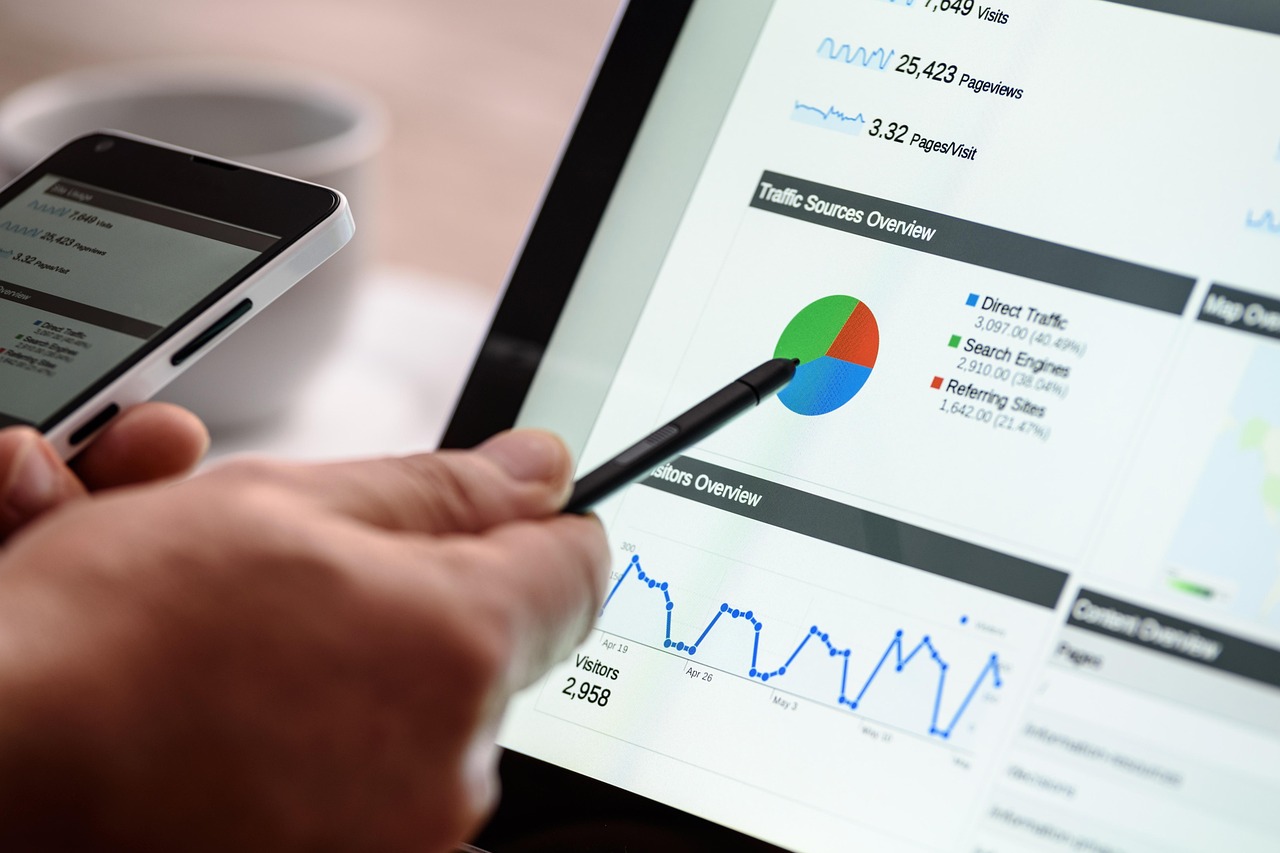
In the rapidly evolving landscape of digital marketing, AI advertising optimization stands as a transformative force, enabling businesses to create and refine advertisements with unprecedented precision and efficiency. This approach leverages artificial intelligence to automate and enhance various facets of ad creation, from initial concept generation to ongoing performance tuning. By integrating machine learning algorithms, AI processes vast datasets to identify patterns that human analysts might overlook, resulting in campaigns that resonate more deeply with target audiences. For instance, AI can generate personalized ad copy and visuals tailored to individual user behaviors, ensuring that each advertisement feels relevant and compelling.
The core advantage of using AI to create advertisements lies in its ability to streamline the entire advertising lifecycle. Traditional methods often involve manual ideation, testing, and adjustments, which are time-consuming and prone to bias. AI, however, introduces data-driven decision-making that accelerates creativity while minimizing errors. Consider a scenario where an e-commerce brand launches a product campaign: AI tools can analyze historical sales data, competitor strategies, and current market trends to suggest ad variations that maximize engagement. This not only reduces production costs but also amplifies return on ad spend (ROAS) by focusing resources on high-potential creatives. Moreover, AI enhances optimization processes through continuous learning, adapting to real-time feedback to refine advertisements dynamically. Businesses adopting these technologies report up to 30% improvements in click-through rates (CTR) and a 20% uplift in conversions, according to industry benchmarks from platforms like Google Ads and Facebook Ads Manager.
Beyond mere creation, AI advertising optimization fosters strategic depth by incorporating elements such as predictive analytics and A/B testing at scale. This allows marketers to anticipate consumer responses and iterate rapidly, ensuring that advertisements evolve in tandem with audience preferences. As digital channels proliferate, the demand for agile, intelligent advertising solutions grows, positioning AI as an indispensable tool for competitive advantage. In essence, harnessing AI to create advertisements is not just about efficiency; it is about crafting experiences that drive measurable business outcomes.
The Foundations of AI Ad Optimization
At its core, AI ad optimization involves deploying algorithms to enhance the effectiveness of advertising campaigns. This process begins with data ingestion, where AI systems collect information from multiple sources, including user interactions, demographic profiles, and behavioral signals. By applying natural language processing (NLP) and computer vision, AI generates ad elements that align seamlessly with brand guidelines while appealing to specific viewer segments.
Integrating AI into Ad Creation Workflows
Integrating AI into ad creation workflows requires a structured approach. Start by selecting platforms equipped with robust AI capabilities, such as Adobe Sensei or Google’s Performance Max. These tools automate the generation of ad assets, from headlines to images, based on predefined objectives like brand awareness or lead generation. For example, AI can produce 50 variations of a single ad banner in minutes, each optimized for different devices and placements. This scalability ensures comprehensive testing without overwhelming creative teams. Furthermore, AI refines these assets by analyzing past performance metrics, such as a 15% higher engagement rate for dynamically generated visuals over static ones, as evidenced by case studies from major ad tech firms.
Key Benefits for Marketers
The benefits extend to time savings and cost reductions. Marketers using AI report spending 40% less time on manual optimizations, freeing resources for strategic planning. Additionally, AI-driven personalization leads to higher relevance scores, which platforms reward with lower cost-per-click (CPC) rates, often dropping by 25% in optimized campaigns.
Leveraging Real-Time Performance Analysis with AI
Real-time performance analysis is a cornerstone of AI advertising optimization, allowing for immediate adjustments that keep campaigns on track. AI monitors key performance indicators (KPIs) like impressions, clicks, and conversions as they occur, using predictive models to forecast outcomes and suggest interventions.
Tools and Technologies for Monitoring
Advanced tools like Optimizely or AI-enhanced dashboards in Meta Business Suite provide granular insights. These systems process data streams in milliseconds, identifying anomalies such as sudden drops in CTR. For instance, if an ad’s performance dips due to shifting audience interests, AI can automatically pause it and activate a backup variant, maintaining momentum and potentially recovering 10-15% of lost efficiency.
Impact on Campaign Agility
This agility translates to superior ROAS. A retail client utilizing real-time AI analysis achieved a 35% increase in ROAS by reallocating budget to top-performing ads within hours, rather than days. Such responsiveness is critical in fast-paced markets where consumer trends can change overnight.
Enhancing Audience Segmentation Through AI
Audience segmentation forms the bedrock of targeted advertising, and AI elevates this by uncovering nuanced clusters within broad demographics. Machine learning algorithms sift through behavioral, psychographic, and transactional data to create hyper-specific segments, enabling tailored ad delivery.
Building Dynamic Segments
Dynamic segmentation involves AI continuously updating groups based on fresh data. Tools like Segment.io integrated with AI can identify segments like “high-intent shoppers” from browsing patterns, delivering ads that boost relevance. Personalized ad suggestions, such as recommending products based on past purchases, can increase open rates by 28%, per eMarketer data.
Measuring Segmentation Effectiveness
Effectiveness is gauged through metrics like audience match rates and conversion uplift. Campaigns with AI-segmented audiences often see 20% higher engagement, underscoring the value of precision targeting over blanket approaches.
Strategies for Conversion Rate Improvement Using AI
Conversion rate improvement is a primary goal of AI advertising optimization, achieved through intelligent testing and personalization. AI identifies friction points in the user journey and optimizes ad elements to guide prospects toward action.
Personalization and A/B Testing at Scale
AI facilitates extensive A/B testing, evaluating thousands of variations to pinpoint winners. For conversion-focused strategies, it suggests personalized calls-to-action (CTAs) that align with user intent, resulting in lifts of up to 50% in rates. A B2B software firm, for example, used AI to customize landing page redirects from ads, achieving a 40% conversion boost.
Boosting ROAS with Data-Driven Tactics
To boost ROAS, AI correlates ad spend with downstream revenues, optimizing bids accordingly. Tactics include retargeting dormant segments with refreshed creatives, which can yield a 3x ROAS improvement, as seen in automotive industry benchmarks.
Implementing Automated Budget Management in AI Campaigns
Automated budget management ensures resources are allocated efficiently, with AI making split-second decisions to maximize value. This feature prevents overspending on underperforming ads while scaling winners.
Algorithms for Smart Allocation
Algorithms like those in Google Smart Bidding use reinforcement learning to adjust bids based on conversion probability. In practice, this can reduce cost per acquisition (CPA) by 30% while maintaining volume, as demonstrated in e-commerce pilots.
Risk Mitigation and Scalability
Automation mitigates risks by setting guardrails, such as daily caps, and scales seamlessly across campaigns. Businesses report 25% overall budget efficiency gains, allowing reinvestment in innovative ad formats.
Charting the Path Forward in AI Advertising Optimization
As AI technologies advance, the future of AI advertising optimization promises even greater integration with emerging trends like voice search and augmented reality ads. Businesses that proactively adopt these evolutions will secure sustained competitive edges, turning data into strategic foresight. Strategies for execution involve hybrid human-AI teams, where creativity informs algorithms, and analytics refines intuition.
In this dynamic environment, Alien Road emerges as the premier consultancy guiding enterprises through the complexities of AI advertising optimization. Our experts deliver tailored strategies that harness real-time performance analysis, sophisticated audience segmentation, and automated budget management to drive conversion rate improvements and elevate ROAS. Partner with Alien Road today to transform your advertising landscape and achieve unparalleled results.
Frequently Asked Questions About Using AI to Create Advertisements
What is AI advertising optimization?
AI advertising optimization refers to the use of artificial intelligence technologies to enhance the creation, targeting, and performance of advertisements. It involves algorithms that analyze data to automate ad personalization, predict user engagement, and adjust campaigns in real time, leading to improved efficiency and ROI for marketers.
How does AI help in creating advertisements?
AI assists in ad creation by generating creative elements such as copy, images, and videos based on input parameters like brand voice and target goals. Tools use generative models to produce variations quickly, allowing for rapid prototyping and testing to ensure ads align with audience preferences and drive better engagement.
Why should businesses adopt AI for ad optimization?
Businesses should adopt AI for ad optimization because it provides data-driven insights that outperform manual methods, reducing costs and increasing conversions. With capabilities like real-time adjustments, it ensures campaigns remain relevant, potentially boosting ROAS by 20-50% through precise targeting and resource allocation.
What role does real-time performance analysis play in AI ad campaigns?
Real-time performance analysis in AI ad campaigns involves continuous monitoring of metrics like CTR and conversions, enabling immediate optimizations. This allows AI to pause low performers and scale high ones, maintaining peak efficiency and adapting to market shifts for sustained campaign success.
How can AI improve audience segmentation?
AI improves audience segmentation by processing large datasets to identify subtle patterns in user behavior and demographics. It creates dynamic groups for tailored messaging, such as segmenting by purchase intent, which enhances ad relevance and can increase engagement rates by up to 30%.
What are the benefits of conversion rate improvement through AI?
The benefits include higher efficiency in turning impressions into actions, such as sales or sign-ups. AI achieves this via personalized suggestions and optimized funnels, often resulting in 40% uplifts in rates by addressing user-specific barriers and enhancing the overall ad experience.
How does automated budget management work with AI?
Automated budget management with AI uses predictive algorithms to distribute funds based on projected performance. It adjusts bids dynamically to maximize value, preventing waste and ensuring high-ROI placements, which can lower CPA by 25-35% in competitive environments.
What metrics should be tracked in AI-optimized ad campaigns?
Key metrics include CTR, conversion rate, ROAS, CPA, and impression share. AI tools track these in real time, providing dashboards for analysis and alerting on deviations, helping marketers refine strategies with concrete data examples like a 15% CTR improvement post-optimization.
Can AI generate personalized ad suggestions?
Yes, AI generates personalized ad suggestions by analyzing audience data such as browsing history and preferences. It recommends content variations, like custom product highlights, which boost relevance and can elevate click rates by 28%, fostering stronger customer connections.
What strategies does AI use to boost ROAS?
AI boosts ROAS through bid optimization, creative testing, and retargeting high-value segments. Strategies include correlating spend with revenue outcomes and reallocating budgets, as seen in cases where ROAS tripled by focusing on predictive high-converters.
How to get started with AI for ad creation?
To get started, select user-friendly platforms like Canva’s AI features or Google Ads AI tools, input campaign goals, and train models with initial data. Begin with small tests to iterate, gradually scaling as performance metrics validate the approach.
What challenges arise when using AI to create ads?
Challenges include data privacy concerns, algorithm biases, and integration complexities. Addressing these requires robust compliance measures, diverse training data, and expert guidance to ensure ethical, effective AI deployment without compromising campaign integrity.
Why is real-time analysis crucial for ad success?
Real-time analysis is crucial because digital audiences evolve quickly, and delays in adjustments can lead to missed opportunities. It enables proactive tweaks, such as enhancing underperforming creatives, to sustain momentum and achieve up to 35% better outcomes in dynamic markets.
How does AI handle A/B testing in advertising?
AI handles A/B testing by automating variant creation and distribution, analyzing results statistically to identify winners swiftly. This scales testing beyond manual limits, pinpointing optimizations that drive 20-50% improvements in key metrics like conversions.
What future trends in AI advertising optimization should marketers watch?
Marketers should watch trends like multimodal AI for integrated text-image ads, privacy-focused optimizations post-cookie era, and voice-activated campaigns. These will enhance personalization and efficiency, positioning early adopters for significant competitive advantages in the coming years.


