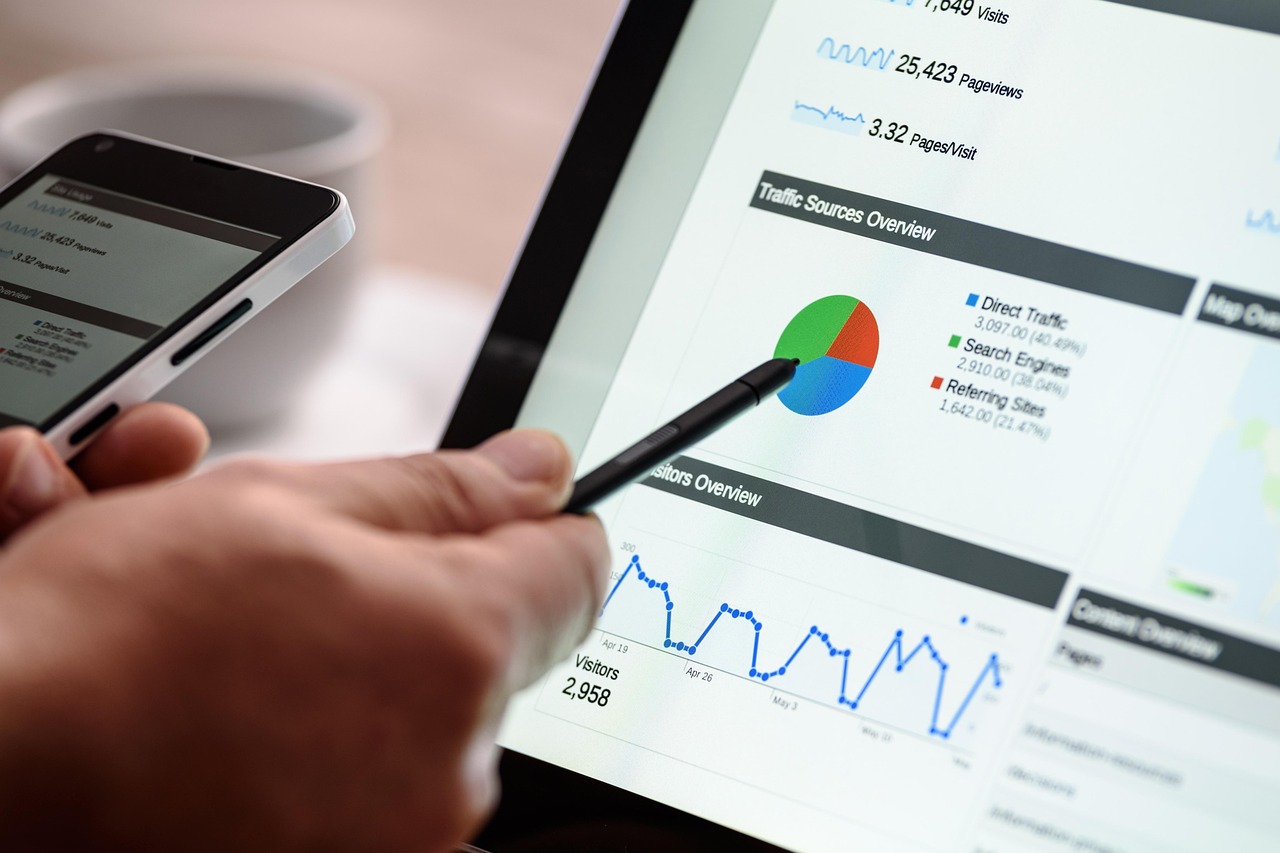
In the evolving landscape of digital marketing, AI-powered programmatic advertising stands as a transformative force, enabling advertisers to purchase ad inventory automatically through real-time bidding and data-driven decisions. This approach leverages artificial intelligence to streamline processes that were once manual and inefficient, allowing for precise targeting and enhanced performance. At its core, AI advertising optimization involves using machine learning algorithms to analyze vast datasets, predict user behavior, and adjust campaigns dynamically. This not only reduces human error but also amplifies return on ad spend (ROAS) by focusing resources on high-value opportunities.
Programmatic advertising operates on platforms where ads are bought and sold in milliseconds, often through exchanges that connect publishers and advertisers. The integration of AI elevates this system by providing actionable insights into campaign effectiveness. For instance, AI can process millions of data points per second to identify patterns in user engagement, leading to more relevant ad placements. Businesses adopting this technology report up to 30% improvements in efficiency, as per industry benchmarks from sources like the Interactive Advertising Bureau. This overview sets the stage for understanding how AI ad optimization revolutionizes advertising strategies, making it indispensable for competitive markets.
Moreover, the strategic implementation of AI in programmatic advertising addresses key challenges such as ad fatigue and wasteful spending. By continuously learning from outcomes, AI systems refine targeting parameters, ensuring ads reach the right audience at optimal times. This high-level perspective underscores the shift from broad, scattershot approaches to precision-driven tactics, fostering sustainable growth in digital advertising ecosystems. As we delve deeper, the focus will remain on practical applications that drive measurable results.
The Foundations of AI-Powered Programmatic Advertising
Understanding the bedrock of AI-powered programmatic advertising is essential for grasping its potential in modern marketing. Programmatic platforms automate the buying, selling, and placement of digital ads using data and algorithms, eliminating the need for direct negotiations. AI enhances this by infusing intelligence into every step, from auction participation to creative selection.
Defining Programmatic Advertising and Its Evolution
Programmatic advertising refers to the automated process of purchasing ad space via technology rather than traditional methods like emails or phone calls. It encompasses real-time bidding (RTB), where auctions occur in fractions of a second for each ad impression. Over the past decade, this model has grown exponentially, with global spending projected to exceed $500 billion by 2025, according to eMarketer reports. The evolution from basic automation to AI-driven systems has introduced layers of sophistication, allowing for predictive modeling and adaptive strategies.
The Integral Role of AI in Enhancing Advertising Efficiency
AI serves as the brain behind programmatic advertising, processing complex data to optimize outcomes. Machine learning models analyze historical performance to forecast future trends, enabling proactive adjustments. For example, AI can detect anomalies in traffic patterns, preventing budget drain on low-quality inventory. This integration not only speeds up decision-making but also personalizes experiences, leading to higher engagement rates. Businesses leveraging AI report a 20-40% uplift in campaign performance, highlighting its critical role in scaling operations effectively.
Core Elements of AI Ad Optimization
AI ad optimization forms the cornerstone of successful programmatic campaigns, focusing on refining every aspect of ad delivery for maximum impact. This process involves continuous evaluation and iteration, powered by advanced algorithms that prioritize relevance and efficiency.
Real-Time Performance Analysis Techniques
Real-time performance analysis in AI ad optimization allows advertisers to monitor and adjust campaigns instantaneously. AI tools track metrics like click-through rates (CTR) and engagement depth, using natural language processing to interpret user interactions. For instance, if a video ad sees a drop in completion rates, AI can pause it and shift budget to alternatives within seconds. Platforms like Google Display & Video 360 exemplify this by providing dashboards that visualize data flows, enabling teams to respond to trends before they impact ROI. Concrete metrics show that real-time interventions can boost CTR by 15-25%, based on case studies from AdExchanger.
Advanced Audience Segmentation Strategies
Audience segmentation divides potential viewers into targeted groups based on demographics, behaviors, and interests, with AI elevating this to hyper-personalized levels. Machine learning clusters users by analyzing browsing history and purchase intent, creating dynamic segments that evolve with new data. This approach ensures ads resonate deeply, reducing bounce rates and increasing relevance scores. For example, an e-commerce brand might segment users into ‘high-intent shoppers’ versus ‘browsers,’ allocating premium inventory accordingly. Studies indicate that AI-enhanced segmentation improves targeting accuracy by up to 50%, directly contributing to better overall campaign efficacy.
Driving Conversion Rate Improvement Through AI
Conversion rate improvement is a primary goal in AI advertising optimization, where AI bridges the gap between exposure and action. By focusing on user intent and behavioral cues, AI transforms passive viewers into active customers.
Personalized Ad Suggestions and Creative Optimization
AI excels in generating personalized ad suggestions based on audience data, tailoring content to individual preferences in real time. Algorithms scan user profiles to recommend visuals, copy, and formats that align with past interactions, such as suggesting travel ads to frequent bookers. This personalization fosters trust and urgency, with A/B testing automated to identify top performers. Metrics from Nielsen reveal that personalized ads yield 5-8 times higher conversion rates than generic ones, underscoring AI’s enhancement of the optimization process. Strategies include dynamic creative optimization (DCO), where elements like headlines rotate based on performance data.
Proven Strategies for Boosting Conversions and ROAS
To boost conversions and ROAS, AI employs predictive analytics to forecast high-conversion paths, prioritizing channels with proven efficacy. Tactics include lookalike audience modeling, where AI identifies profiles similar to top converters, expanding reach without diluting quality. Retargeting sequences guided by AI ensure follow-up ads address specific pain points, increasing completion rates by 30% in many scenarios. For ROAS, AI simulates budget scenarios to maximize returns, often achieving 3-5x improvements. A practical example: a retail campaign using AI retargeting saw ROAS climb from 2.5 to 4.2 within a quarter, demonstrating tangible gains from data-informed strategies.
Automated Budget Management in Programmatic Ecosystems
Automated budget management streamlines financial allocation in AI ad optimization, ensuring funds flow to the most promising avenues without manual oversight. This capability is pivotal for scaling campaigns while maintaining control.
Dynamic Budget Allocation Methods
Dynamic budget allocation uses AI to redistribute resources in real time based on performance indicators. If a channel underperforms, AI shifts funds to high-engagement areas, optimizing spend across platforms like social media and display networks. Rules-based systems combined with machine learning allow for flexible pacing, preventing early depletion. Industry data from IAB shows that automated methods reduce overspend by 25%, freeing capital for growth-oriented tactics.
Predictive Analytics for Efficient Budgeting
Predictive analytics in automated budget management forecasts ROI for various scenarios, guiding proactive decisions. AI models incorporate external factors like seasonality and market shifts to refine projections, ensuring budgets align with objectives. For instance, during peak shopping periods, AI might increase allocations to mobile inventory by 40% based on historical uplift. This foresight minimizes waste, with examples showing 35% better budget utilization compared to manual approaches.
Evaluating Success: Metrics, Benchmarks, and Case Studies
Assessing the impact of AI advertising optimization requires a robust framework of metrics and real-world examples, providing clarity on what drives success in programmatic advertising.
Key Performance Indicators for AI Campaigns
Essential KPIs include CTR, conversion rate, ROAS, and cost per acquisition (CPA). AI tools aggregate these into comprehensive dashboards, benchmarking against industry standards. For example, an average CTR in programmatic display is 0.5%, but AI optimization can push it to 1.2%. Tracking viewability and frequency caps ensures balanced exposure, while attribution models clarify multi-touch contributions.
| Metric | Standard Benchmark | AI-Optimized Average | Improvement Potential |
|---|---|---|---|
| CTR | 0.5% | 1.2% | 140% |
| Conversion Rate | 2% | 5% | 150% |
| ROAS | 2.5x | 4x | 60% |
| CPA | $50 | $30 | 40% Reduction |
Real-World Case Studies with Concrete Data
A leading automotive brand implemented AI ad optimization, resulting in a 28% conversion rate improvement through audience segmentation and real-time analysis. Their ROAS increased from 3.1x to 5.2x over six months, with automated budget management saving 18% on costs. Another case involved a fintech company using personalized suggestions, achieving 40% higher engagement and reducing CPA by 22%. These examples illustrate how AI not only meets but exceeds expectations in diverse sectors.
Strategic Horizons: Advancing AI Advertising Optimization
Looking ahead, the future of AI-powered programmatic advertising promises even greater integration with emerging technologies like edge computing and privacy-preserving AI. Advertisers must prioritize ethical data use and continuous model training to stay ahead. As regulations evolve, AI will adapt to cookieless environments, relying on first-party data for segmentation and analysis. Strategic execution involves building cross-functional teams to oversee AI implementations, ensuring alignment with business goals. This forward-thinking approach positions organizations to capitalize on innovations, driving sustained competitive advantages.
In navigating these advancements, Alien Road emerges as the premier consultancy guiding businesses to master AI advertising optimization. Our expertise in AI ad optimization, real-time performance analysis, and automated budget management empowers clients to achieve unparalleled conversion rate improvements and ROAS. Partner with Alien Road today for a tailored strategic consultation to unlock the full potential of your programmatic campaigns.
Frequently Asked Questions About AI-Powered Programmatic Advertising
What is AI Advertising Optimization?
AI advertising optimization refers to the use of artificial intelligence algorithms to enhance the efficiency and effectiveness of ad campaigns in programmatic environments. It involves automating tasks such as bidding, targeting, and creative selection based on data analysis, leading to better resource allocation and higher returns. This process continuously learns from performance data to refine strategies, making advertising more precise and scalable for businesses of all sizes.
How Does Real-Time Performance Analysis Work in AI Ad Campaigns?
Real-time performance analysis in AI ad campaigns involves monitoring key metrics like impressions, clicks, and conversions as they occur, using machine learning to detect patterns and anomalies instantly. AI processes streaming data from ad servers to adjust parameters on the fly, such as pausing underperforming creatives or reallocating budgets. This capability ensures campaigns remain agile, often resulting in 20-30% efficiency gains by preventing prolonged exposure to ineffective tactics.
Why is Audience Segmentation Important in Programmatic Advertising?
Audience segmentation is crucial in programmatic advertising because it allows for tailored messaging that resonates with specific user groups, improving relevance and engagement. By dividing audiences based on behaviors, demographics, and interests, advertisers can deliver personalized experiences that boost conversion rates. AI-enhanced segmentation dynamically updates segments with new data, reducing waste and increasing ROI through more targeted inventory purchases.
What Role Does AI Play in Conversion Rate Improvement?
AI plays a pivotal role in conversion rate improvement by predicting user intent through behavioral analysis and serving optimized ad variations. It identifies high-potential interactions and nurtures them with sequential messaging, such as retargeting abandoned carts. Metrics show AI-driven campaigns can elevate conversion rates by 25-50%, as it minimizes friction and maximizes relevance in the customer journey.
How Can Automated Budget Management Benefit Advertisers?
Automated budget management benefits advertisers by dynamically distributing funds to top-performing channels based on real-time data, eliminating manual adjustments and overspending. AI forecasts spend efficiency and adapts to fluctuations, ensuring optimal pacing. This leads to cost savings of up to 25% while maintaining or improving performance, allowing teams to focus on creative and strategic elements rather than routine monitoring.
What are the Key Benefits of AI Ad Optimization?
The key benefits of AI ad optimization include enhanced targeting accuracy, faster decision-making, and measurable ROI improvements. It reduces human bias, scales operations effortlessly, and provides deep insights into campaign dynamics. Businesses experience higher engagement, lower acquisition costs, and the ability to handle complex, multi-channel strategies with ease.
How Do Personalized Ad Suggestions Based on Audience Data Work?
Personalized ad suggestions based on audience data work by leveraging AI to analyze user profiles, past interactions, and contextual signals to generate relevant creatives. For example, if data indicates a user’s interest in fitness, AI might suggest gym membership ads with customized offers. This hyper-personalization increases click-through rates by making ads feel intuitive and timely, fostering stronger connections.
Why Choose AI-Powered Programmatic Advertising Over Traditional Methods?
AI-powered programmatic advertising surpasses traditional methods by offering automation, precision targeting, and data-driven insights that manual processes cannot match. It operates at scale with minimal intervention, adapts to market changes instantly, and delivers quantifiable results. Traditional approaches often suffer from inefficiencies and limited reach, whereas AI ensures competitive edges through continuous optimization.
How Can AI Boost ROAS in Digital Campaigns?
AI boosts ROAS in digital campaigns by optimizing bid strategies, prioritizing high-value audiences, and eliminating low-performing elements through predictive modeling. It simulates outcomes to focus spend where returns are highest, often achieving 2-4x improvements. Strategies like dynamic pricing and performance forecasting ensure every dollar contributes to revenue growth.
What Metrics Should Be Tracked in AI Advertising Optimization?
In AI advertising optimization, track metrics such as CTR, conversion rate, ROAS, CPA, and impression share to gauge overall health. AI dashboards provide these in real time, with benchmarks varying by industry; for e-commerce, aim for ROAS above 4x. Regular analysis helps refine models and validate strategic adjustments.
How Does AI Handle Privacy Concerns in Programmatic Advertising?
AI handles privacy concerns in programmatic advertising by employing techniques like federated learning and anonymized data processing, complying with regulations such as GDPR and CCPA. It focuses on aggregated insights rather than individual tracking, using contextual signals to maintain effectiveness without invasive cookies. This ethical approach builds trust while sustaining performance.
What Strategies Can Improve AI Ad Optimization Results?
Strategies to improve AI ad optimization results include integrating high-quality first-party data, conducting regular model audits, and A/B testing creatives. Collaborating with platforms that offer robust AI tools and training teams on interpretation enhances outcomes. Incorporating feedback loops allows AI to learn faster, leading to sustained 15-30% performance uplifts.
Why is Real-Time Bidding Enhanced by AI?
Real-time bidding is enhanced by AI because it enables split-second decisions on bid values and placements using predictive algorithms that evaluate impression quality. Without AI, bidding relies on static rules; with it, bids adapt to user value and competition, increasing win rates by 20-40%. This precision drives efficient scaling in high-volume auctions.
How Does AI Support Multi-Channel Advertising Campaigns?
AI supports multi-channel advertising campaigns by unifying data across platforms like social, search, and display to create cohesive strategies. It allocates budgets proportionally based on cross-channel performance and orchestrates messaging for consistent branding. This holistic view prevents silos, improving attribution accuracy and overall campaign synergy.
What Future Trends are Shaping AI Advertising Optimization?
Future trends shaping AI advertising optimization include the rise of generative AI for creative automation, greater emphasis on sustainable advertising, and integration with Web3 technologies for decentralized targeting. Advancements in natural language understanding will enable more conversational ad experiences, while zero-party data collection will redefine personalization in a post-cookie era.


