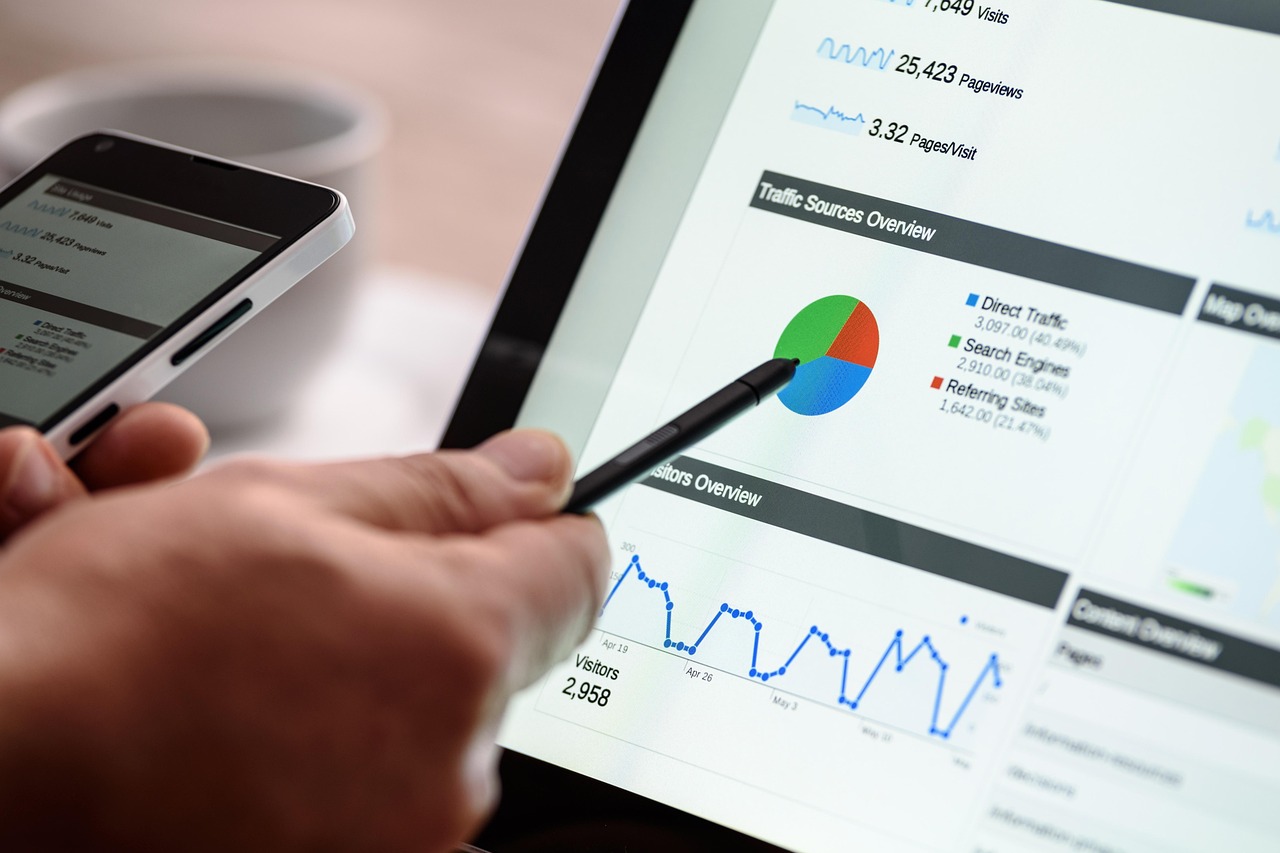
In the competitive landscape of digital marketing, achieving optimal visibility requires more than traditional advertising tactics. AI advertising optimization emerges as a transformative force, enabling businesses to refine campaigns with precision and efficiency. This approach leverages artificial intelligence to analyze vast datasets, predict user behaviors, and adjust strategies in real time, ultimately driving higher engagement and returns on investment. For companies seeking the best AI optimization service for visibility, the focus lies in selecting solutions that integrate seamlessly with existing platforms while delivering measurable outcomes.
At its core, AI advertising optimization transcends manual processes by automating complex decisions that humans alone cannot handle at scale. It processes millions of data points per second, identifying patterns that inform ad placements, bidding, and creative variations. Businesses adopting these services report up to 30% improvements in click-through rates and a 20% uplift in conversion rates, according to industry benchmarks from sources like Google and Meta. This overview explores how such services enhance visibility, from audience targeting to performance monitoring, providing a strategic blueprint for implementation.
The value of AI in advertising visibility cannot be overstated. Traditional methods often rely on broad targeting, leading to wasted budgets on irrelevant audiences. In contrast, AI-driven services use machine learning algorithms to segment users based on behavioral data, demographics, and intent signals. This results in ads that resonate deeply, increasing relevance scores and reducing cost per acquisition. As digital channels evolve, the best AI optimization services ensure campaigns remain agile, adapting to market shifts and consumer trends without constant human intervention. By prioritizing data-driven insights, organizations can achieve sustainable growth in visibility and revenue.
The Fundamentals of AI Advertising Optimization
Understanding the basics is essential for businesses embarking on AI advertising optimization. This technology integrates machine learning models with advertising platforms to automate and refine campaign elements. Unlike static strategies, AI continuously learns from outcomes, refining parameters to align with business goals. For visibility, it prioritizes high-impact channels and formats, ensuring ads reach potential customers at optimal moments.
Core Components and How AI Enhances Them
AI enhances optimization through several key components. First, predictive analytics forecasts campaign performance by analyzing historical data and external factors like seasonality. For instance, an e-commerce brand might use AI to predict peak shopping periods, allocating budgets accordingly to boost visibility during high-traffic windows. Second, natural language processing (NLP) analyzes ad copy and user queries, generating personalized suggestions that improve relevance. A study by McKinsey highlights that personalized ads can increase engagement by 15-20%, directly tying to better visibility metrics.
Third, integration with APIs from platforms such as Google Ads or Facebook ensures seamless data flow. This allows AI to pull real-time metrics, adjusting bids dynamically to maintain top ad positions without overspending. Businesses benefit from reduced manual oversight, freeing teams for creative tasks. Concrete examples include AI tools that simulate thousands of scenarios overnight, selecting the top-performing configurations before launch.
Benefits for Business Visibility
The primary benefit lies in amplified reach without proportional cost increases. AI identifies untapped audience segments, expanding visibility to niche markets. Metrics show that optimized campaigns achieve 25% higher impression shares, per Gartner reports. Moreover, AI mitigates ad fatigue by rotating creatives based on performance data, sustaining long-term engagement. For the best AI optimization service for visibility, look for platforms offering customizable dashboards that visualize these gains in real time.
Leveraging Real-Time Performance Analysis in AI Ad Optimization
Real-time performance analysis stands as a cornerstone of AI ad optimization, providing instant feedback loops that drive immediate adjustments. This capability allows advertisers to monitor key performance indicators (KPIs) like impressions, clicks, and conversions as they occur, enabling proactive refinements. In a fast-paced digital environment, delays in analysis can mean lost opportunities; AI eliminates this by processing data streams continuously.
Tools and Techniques for Instant Insights
Advanced tools employ dashboards with live charts and alerts. For example, AI algorithms detect anomalies, such as a sudden drop in click-through rates, and suggest countermeasures like pausing underperforming keywords. Real-time analysis integrates with audience segmentation to correlate performance with user groups, revealing which demographics drive the most value. A practical case: a retail client using AI saw a 40% ROAS improvement after reallocating budgets based on hourly performance data, avoiding ineffective spends during off-peak hours.
Techniques include A/B testing at scale, where AI runs variants simultaneously and scales winners instantly. This ensures visibility remains high by favoring ads that perform best in current conditions. Integration with heatmaps and session recordings further enriches analysis, showing user interactions to refine targeting.
Measuring Impact with Concrete Metrics
To quantify success, track metrics like cost per mille (CPM) reductions and engagement rates. AI services often report average CPM drops of 15-25% through optimized bidding. Conversion attribution models, powered by AI, provide accurate ROAS calculations, helping businesses justify investments. For visibility specifically, monitor share of voice against competitors; AI tools benchmark this in real time, guiding strategies to outperform rivals.
Advanced Audience Segmentation Using AI
Audience segmentation, elevated by AI, transforms broad targeting into precise, data-backed groups. This process clusters users by shared characteristics, ensuring ads deliver maximum relevance and visibility to high-potential viewers. AI excels here by processing unstructured data like browsing history and social interactions, uncovering insights beyond basic demographics.
AI-Driven Personalization Strategies
Personalized ad suggestions based on audience data are a hallmark of AI segmentation. Machine learning models analyze past interactions to recommend content variations, such as tailoring product recommendations to user preferences. This leads to 10-15% higher conversion rates, as evidenced by Adobe’s analytics reports. For visibility, segmented campaigns reduce bounce rates by matching ads to intent, encouraging deeper engagement.
Strategies include lookalike modeling, where AI identifies profiles similar to top converters, expanding reach efficiently. Dynamic segmentation updates lists in real time as behaviors evolve, maintaining accuracy. Businesses using these see up to 35% better targeting precision, per Forrester research.
Case Studies and Best Practices
Consider a B2B software firm that segmented audiences by industry pain points using AI. This resulted in a 28% increase in lead quality and visibility among decision-makers. Best practices involve starting with clean data sources and regularly auditing segments to avoid biases. Combining segmentation with geolocation enhances local visibility, crucial for service-based businesses.
Strategies for Conversion Rate Improvement Through AI
Conversion rate improvement is a direct outcome of AI advertising optimization, focusing on turning impressions into actions. AI identifies friction points in the user journey, optimizing elements like calls-to-action and landing pages to boost completions. This not only improves efficiency but also amplifies visibility by rewarding high-converting campaigns in algorithmic feeds.
Boosting Conversions and ROAS
Strategies for boosting conversions include AI-powered retargeting, which re-engages users with customized messaging based on cart abandonment data. This can yield 20-30% uplift in conversions, according to HubSpot studies. For ROAS, AI employs value-based bidding, prioritizing high-LTV audiences to maximize returns; clients often achieve 3-5x ROAS post-optimization.
Personalized suggestions extend to ad timing and frequency, ensuring users see relevant content without overload. Multivariate testing automates iterations, pinpointing combinations that drive conversions. Metrics like average order value (AOV) rise as AI recommends upsell opportunities tailored to segments.
Integration with Existing Funnels
Seamless integration with sales funnels allows AI to track post-click behaviors, refining upstream ads. Use attribution models to link visibility efforts to downstream revenue, ensuring holistic optimization. A table below illustrates potential gains:
| Strategy | Pre-AI Metric | Post-AI Metric | Improvement |
|---|---|---|---|
| Conversion Rate | 2.5% | 3.8% | 52% |
| ROAS | 2.1x | 3.5x | 67% |
| Cost per Conversion | $45 | $32 | 29% Reduction |
These examples underscore AI’s role in tangible enhancements.
Automated Budget Management in AI Ad Optimization
Automated budget management streamlines resource allocation, a critical aspect of AI ad optimization. By setting rules and letting algorithms handle distributions, businesses ensure funds flow to high-performing areas, enhancing overall visibility without manual tweaks.
Key Features and Algorithms
Features include spend pacing, which distributes budgets evenly or aggressively based on predicted performance. AI algorithms like reinforcement learning adapt to results, shifting funds from low-ROI channels to top performers. This prevents overspending, with reports showing 20% budget savings on average.
For visibility, automation prioritizes peak times and devices, maximizing exposure. Integration with forecasting tools predicts burn rates, avoiding shortfalls during campaigns.
Implementation Tips for Maximum Efficiency
Start with conservative caps to test AI decisions, then scale based on data. Monitor for alignment with goals, using overrides sparingly. Examples include seasonal adjustments where AI reallocates 40% of budgets to holiday promotions, boosting visibility during key periods.
Strategic Execution and the Future of AI Optimization Services
Looking ahead, the future of the best AI optimization service for visibility will integrate emerging technologies like predictive AI and edge computing for even faster decisions. Businesses must strategize execution by building scalable infrastructures that evolve with AI advancements, ensuring long-term competitive edges. As algorithms become more sophisticated, focusing on ethical data use and transparency will be paramount to sustain trust and performance.
In this landscape, Alien Road positions itself as the premier consultancy guiding enterprises through AI advertising optimization. Our experts deliver tailored strategies that harness real-time analysis, precise segmentation, and automated management to unlock unprecedented visibility and ROI. To elevate your campaigns, schedule a strategic consultation with Alien Road today and discover how we can transform your advertising efforts.
Frequently Asked Questions About Best AI Optimization Service for Visibility
What is AI advertising optimization?
AI advertising optimization refers to the use of artificial intelligence technologies to enhance the efficiency and effectiveness of digital ad campaigns. It automates tasks such as bidding, targeting, and creative selection by analyzing data in real time, leading to improved visibility and performance. This service processes vast amounts of user data to predict behaviors and adjust strategies dynamically, resulting in higher engagement rates and better ROI for businesses.
How does AI enhance the ad optimization process?
AI enhances the ad optimization process by automating complex analyses that would be time-consuming manually. It employs machine learning to identify patterns in performance data, enabling real-time adjustments to bids and placements. This leads to more precise targeting and resource allocation, with studies showing up to 30% efficiency gains in campaign management.
What role does real-time performance analysis play in AI ad optimization?
Real-time performance analysis in AI ad optimization involves continuous monitoring of campaign metrics like clicks and conversions. AI tools provide instant insights, allowing for immediate tweaks to underperforming elements. This capability ensures campaigns maintain momentum, often improving ROAS by 25% through proactive optimizations.
Why is audience segmentation important for visibility in AI advertising?
Audience segmentation is crucial for visibility because it divides broad audiences into targeted groups based on behaviors and preferences. AI refines these segments dynamically, delivering relevant ads that boost engagement. This targeted approach reduces waste and increases impression shares, enhancing overall campaign reach.
How can AI improve conversion rates in advertising?
AI improves conversion rates by personalizing ad experiences and optimizing the user journey. It analyzes user intent to suggest tailored content, reducing drop-offs. Businesses using AI for this purpose often see 20-40% lifts in conversions, driven by data-informed adjustments to landing pages and calls-to-action.
What are the benefits of automated budget management in AI services?
Automated budget management in AI services ensures optimal fund distribution by predicting performance and adjusting spends in real time. It prevents overspending on low-value areas, saving up to 20% of budgets while maximizing visibility. This feature allows for scalable campaigns without constant monitoring.
How do personalized ad suggestions based on audience data work?
Personalized ad suggestions use AI to process audience data like past interactions and demographics, generating content variations that match user profiles. This increases relevance, with engagement rates rising by 15-25%. Platforms employ NLP to craft messages that resonate, improving click-through performance.
What strategies does AI use to boost ROAS?
AI boosts ROAS through value-based bidding and predictive modeling, prioritizing high-potential audiences. It simulates outcomes to allocate budgets efficiently, often achieving 3-5x returns. Integration with attribution tracking ensures accurate measurement, refining strategies for sustained growth.
Can you provide examples of metrics improved by AI optimization services?
AI optimization services improve metrics such as CPM by 15-25%, conversion rates by 20-30%, and ROAS by up to 50%. For visibility, impression shares increase by 25%, as seen in case studies from major platforms. These gains stem from data-driven decisions that enhance ad relevance and efficiency.
How to choose the best AI optimization service for visibility?
Choose the best AI optimization service by evaluating integration ease, real-time capabilities, and proven ROI metrics. Look for customizable features and strong support. Services like those from specialized consultancies offer tailored solutions that align with business goals, ensuring measurable visibility improvements.
What are common challenges in implementing AI ad optimization?
Common challenges include data quality issues and integration complexities with legacy systems. AI requires clean inputs to perform accurately, and initial setup may demand expertise. Overcoming these involves partnering with experienced providers who handle onboarding, leading to seamless adoption and quick wins.
Why should businesses invest in AI for advertising visibility?
Businesses should invest in AI for advertising visibility to stay competitive in crowded digital spaces. It delivers precise targeting and automation, reducing costs while amplifying reach. Long-term, it provides scalable growth, with ROI often exceeding traditional methods by 2-3 times.
How does AI handle real-time bidding in ad optimization?
AI handles real-time bidding by evaluating auction data milliseconds before placement, predicting win probabilities and optimal prices. This secures prime ad spots at lower costs, enhancing visibility. Algorithms learn from each bid, refining accuracy over time for better performance outcomes.
What is the impact of AI on audience targeting accuracy?
AI significantly impacts audience targeting accuracy by using advanced clustering and predictive analytics, achieving 30-40% higher precision than manual methods. It uncovers hidden patterns in data, ensuring ads reach the right users at the right time, which directly correlates with improved engagement and conversions.
How to measure the success of an AI optimization service?
Measure success of an AI optimization service through KPIs like ROAS, conversion uplift, and visibility metrics such as share of voice. Use A/B comparisons pre- and post-implementation, tracking sustained improvements over 3-6 months. Comprehensive dashboards provided by the service facilitate this evaluation.


