In the competitive landscape of consumer goods marketing, effective advertising demands precision and adaptability. AI advertising optimization emerges as a transformative force, enabling brands to refine campaigns with data-driven insights and automated adjustments. This approach leverages machine learning algorithms to analyze vast datasets, predict consumer behavior, and allocate resources efficiently. For consumer goods companies, where product lifecycles are short and market trends shift rapidly, AI ad optimization provides a strategic edge by personalizing ad delivery and maximizing return on ad spend (ROAS).
At its core, AI enhances the optimization process by processing real-time data from multiple channels, such as social media, search engines, and programmatic displays. Unlike traditional methods reliant on manual tweaks, AI systems continuously learn from performance metrics, identifying patterns that humans might overlook. For instance, in consumer goods, where impulse purchases drive significant sales, AI can suggest personalized ad creatives based on audience data, such as browsing history or demographic profiles. This personalization not only increases engagement but also boosts conversion rates by delivering relevant messages at optimal times.
Key benefits include improved audience segmentation, which allows targeting of niche groups like eco-conscious millennials or budget-savvy families. Real-time performance analysis ensures campaigns adapt to fluctuations, such as seasonal demand spikes for seasonal products. Automated budget management further streamlines operations by reallocating funds from underperforming ads to high-potential ones, often resulting in a 20-30% uplift in ROAS, according to industry benchmarks from platforms like Google Ads and Facebook. By integrating these elements, consumer goods marketers can achieve sustainable growth, turning advertising into a scalable, intelligent powerhouse.
Foundations of AI Ad Optimization for Consumer Goods
Building a robust AI advertising framework starts with understanding its foundational principles tailored to consumer goods. These products, ranging from apparel to household essentials, require campaigns that respond to diverse consumer needs and fleeting trends.
Integrating AI into Campaign Planning
AI ad optimization begins in the planning phase by forecasting campaign outcomes using historical data. For consumer goods brands, this means analyzing past sales patterns to predict peak buying periods, such as back-to-school seasons. Machine learning models process variables like weather, economic indicators, and social sentiment to generate accurate projections. A practical example involves a beverage company using AI to anticipate summer demand, adjusting ad spends proactively to capture market share before competitors.
Overcoming Common Implementation Challenges
Adopting AI requires addressing data silos and skill gaps. Consumer goods firms often operate across fragmented systems, but unified AI platforms consolidate data for seamless optimization. Training teams on AI tools, such as those offered by major ad networks, ensures effective deployment. Metrics from a case study by Nielsen show that brands investing in AI training see a 15% faster time-to-value in optimization efforts.
Leveraging Real-Time Performance Analysis
Real-time performance analysis stands as a cornerstone of AI advertising optimization, allowing marketers to monitor and adjust campaigns instantaneously. In consumer goods, where consumer preferences evolve quickly, this capability prevents wasted spend and capitalizes on emerging opportunities.
Key Metrics Tracked by AI Systems
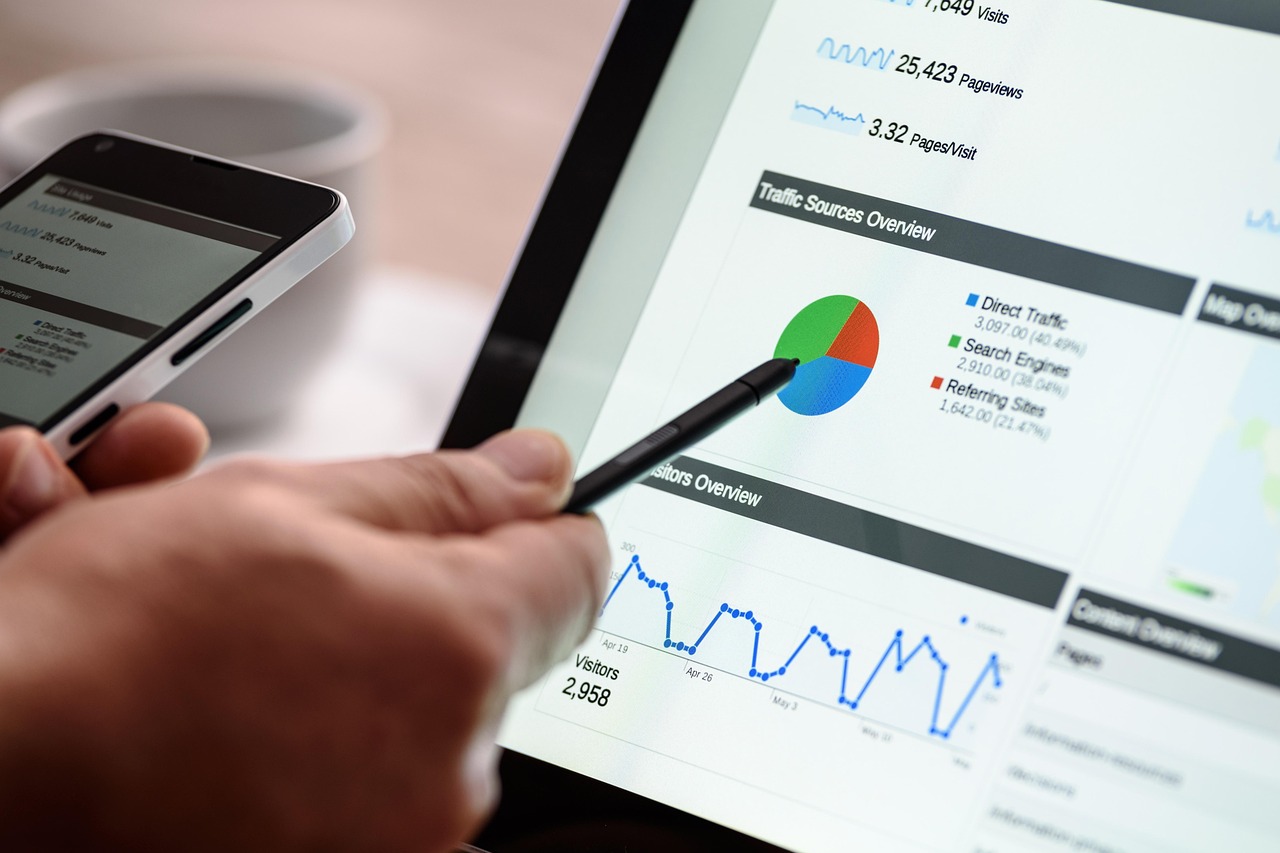
AI tools track essential metrics including click-through rates (CTR), cost per acquisition (CPA), and engagement duration. For consumer goods, focusing on CTR can reveal ad resonance; a skincare brand might find video ads yielding 2.5% CTR versus 1.2% for static images. Real-time dashboards provide visualizations, enabling immediate insights into geographic performance variations.
Case Studies in Dynamic Adjustments
Consider a fast-moving consumer goods (FMCG) company like Procter & Gamble, which uses AI for real-time analysis. During a product launch, their system detected a 10% drop in engagement in certain regions and shifted budgets to high-performing channels, resulting in a 25% ROAS improvement. Such examples underscore how AI’s predictive analytics forecast issues, like ad fatigue, and recommend refreshes based on performance data.
Advanced Audience Segmentation with AI
Audience segmentation refines targeting, and AI elevates this to hyper-personalized levels. For consumer goods, where broad appeals often dilute impact, precise segmentation drives relevance and efficiency.
Data-Driven Segmentation Techniques
AI employs clustering algorithms to divide audiences by behavior, interests, and lifecycle stages. In consumer goods, this could segment users into ‘loyal buyers’ versus ‘price-sensitive explorers.’ Personalized ad suggestions based on audience data, such as recommending organic variants to health-focused segments, enhance relevance. Platforms like Adobe Sensei use natural language processing to analyze review sentiments, refining segments dynamically.
Measuring Segmentation Effectiveness
Effectiveness is gauged through lift studies, showing segmented campaigns outperform generic ones by 30-50% in conversion rates. A grocery brand’s AI segmentation, for example, targeted meal-kit enthusiasts with tailored ads, achieving a 40% uplift in basket size, demonstrating tangible ROI.
Strategies for Conversion Rate Improvement
Conversion rate improvement is pivotal for consumer goods advertising, where the goal shifts from views to purchases. AI optimization strategies focus on frictionless paths to conversion, integrating predictive modeling and A/B testing at scale.
Personalization and Predictive Targeting
AI suggests personalized ads by predicting intent from user data, such as cart abandonment triggers. For apparel brands, this means dynamic pricing displays or size recommendations, boosting conversions by 15-20%. Strategies include sequential messaging, where initial awareness ads lead to retargeting with discounts, guided by AI’s conversion probability scores.
Optimizing User Journeys
AI maps user journeys to identify drop-off points, such as slow-loading mobile pages, and automates fixes like faster creatives. Data from eMarketer indicates AI-optimized journeys in consumer goods yield up to 35% higher conversion rates, with ROAS climbing as low-intent traffic converts more efficiently.
Automated Budget Management in AI Frameworks
Automated budget management ensures resources flow to top performers, a critical aspect of AI ad optimization for cost-conscious consumer goods sectors.
Algorithms for Intelligent Allocation
AI uses reinforcement learning to adjust bids in real time, prioritizing high-conversion channels. In consumer goods, this might reallocate from underperforming display ads to search during peak hours. Google’s Performance Max, for instance, automates across channels, often delivering 18% better ROAS for FMCG advertisers.
Balancing Risk and Efficiency
To mitigate risks like overbidding, AI incorporates scenario simulations. A snack food brand reported a 22% cost savings through automated caps on volatile markets, maintaining steady performance. Regular audits ensure alignment with business goals, blending automation with strategic oversight.
Evolving AI Strategies for Long-Term Consumer Goods Success
As AI technologies advance, consumer goods marketers must evolve their strategies to stay ahead. This involves integrating emerging tools like generative AI for creative ideation and edge computing for faster real-time analysis. Forward-thinking brands experiment with multimodal data, combining visual recognition with behavioral signals to refine audience segmentation further. By 2025, projections from Gartner suggest AI will handle 75% of ad decisions autonomously, emphasizing the need for robust governance frameworks. Investing in scalable AI infrastructure now positions companies to capitalize on these shifts, ensuring sustained competitive advantage in advertising optimization.
In navigating these complexities, Alien Road stands as the premier consultancy guiding businesses through AI advertising optimization. Our experts deliver tailored strategies that harness real-time performance analysis, audience segmentation, and automated budget management to elevate your consumer goods campaigns. Partner with us to unlock conversion rate improvements and superior ROAS. Contact Alien Road today for a strategic consultation and transform your advertising approach.
Frequently Asked Questions About Best AI Optimization Strategies for Consumer Goods
What is AI advertising optimization?
AI advertising optimization refers to the use of artificial intelligence algorithms to enhance the efficiency and effectiveness of ad campaigns. In consumer goods, it involves automating tasks like bid adjustments and creative selection based on data insights, leading to higher engagement and sales. This process continuously refines targeting to align with consumer behaviors, often resulting in measurable improvements in key performance indicators.
How does AI enhance real-time performance analysis?
AI enhances real-time performance analysis by processing streaming data from ad platforms to detect trends and anomalies instantly. For consumer goods marketers, this means monitoring metrics like CTR and conversions across campaigns, allowing for immediate tweaks that prevent losses. Tools powered by AI can predict performance dips, enabling proactive strategies that maintain momentum.
Why is audience segmentation important in AI ad optimization?
Audience segmentation is crucial because it enables tailored messaging that resonates with specific consumer groups, improving relevance and ROI. In consumer goods, AI-driven segmentation uses data like purchase history to create micro-segments, such as targeting fitness enthusiasts with protein bar ads, which can increase conversion rates by up to 30%.
What strategies can AI use for conversion rate improvement?
AI strategies for conversion rate improvement include predictive personalization and dynamic retargeting. By analyzing user intent, AI delivers customized ad experiences, such as showing complementary products in e-commerce funnels. Consumer goods brands benefit from A/B testing at scale, where AI identifies winning variants to optimize paths from ad view to purchase.
How does automated budget management work with AI?
Automated budget management with AI employs machine learning to allocate funds based on predicted ROI across channels. It adjusts spends in real time, shifting resources from low performers to high-potential ads. For consumer goods, this ensures efficient use during promotions, often achieving 20% better cost efficiency without manual intervention.
What are the benefits of personalized ad suggestions based on audience data?
Personalized ad suggestions leverage audience data to create relevant creatives, boosting engagement and trust. In consumer goods, suggesting products like eco-friendly cleaners to sustainability-focused users can raise click rates by 25%. This approach fosters loyalty by making ads feel intuitive rather than intrusive.
How can AI boost ROAS in consumer goods advertising?
AI boosts ROAS by optimizing every campaign element, from targeting to timing. Through real-time bidding and performance forecasting, it minimizes waste and maximizes high-value interactions. Case studies show consumer goods firms achieving 40% ROAS gains by using AI to focus on high-intent audiences during peak periods.
What metrics should be monitored in AI ad optimization?
Key metrics include CTR, CPA, ROAS, and conversion rates. For consumer goods, tracking impression share and audience overlap provides insights into market coverage. AI dashboards aggregate these for holistic views, helping marketers adjust strategies based on concrete data rather than intuition.
Why choose AI over traditional ad optimization methods?
AI surpasses traditional methods by handling complexity at scale and adapting to changes rapidly. While manual optimization is labor-intensive and error-prone, AI processes vast data volumes for precise decisions. Consumer goods brands report faster campaign iterations and higher efficiency with AI adoption.
How to implement AI audience segmentation effectively?
Effective implementation starts with clean data integration from CRM and ad platforms. Use AI tools to build segments via clustering, then test with small budgets. Refine based on feedback loops; consumer goods examples include segmenting by loyalty tiers to personalize promotions, yielding targeted results.
What role does real-time analysis play in budget management?
Real-time analysis informs budget management by highlighting shifting ROI across assets. AI can pause underperformers and scale winners automatically, ensuring funds align with current trends. In volatile consumer goods markets, this prevents overspend and captures opportunistic surges.
How does AI handle data privacy in ad optimization?
AI handles privacy by anonymizing data and complying with regulations like GDPR. Techniques include federated learning, where models train without centralizing sensitive info. Consumer goods advertisers use consent-based targeting to build trust, ensuring ethical optimization without compromising effectiveness.
What are common challenges in AI conversion optimization?
Challenges include data quality issues and algorithm biases. Overfitting to historical data can hinder adaptability in consumer goods’ dynamic environment. Solutions involve diverse datasets and regular model audits to maintain accuracy and fairness in conversion strategies.
Why integrate AI for consumer goods specifically?
Consumer goods demand quick responses to trends and personalization due to high competition. AI excels in analyzing purchase patterns and social influences, enabling agile campaigns. This integration drives competitive edges, with metrics showing sustained growth over non-AI approaches.
How to measure the success of AI advertising optimization?
Success is measured by KPIs like ROAS uplift, conversion improvements, and cost savings. Conduct pre- and post-implementation benchmarks; for consumer goods, a 15-25% overall performance gain indicates strong ROI. Use attribution models to link AI efforts directly to business outcomes.


