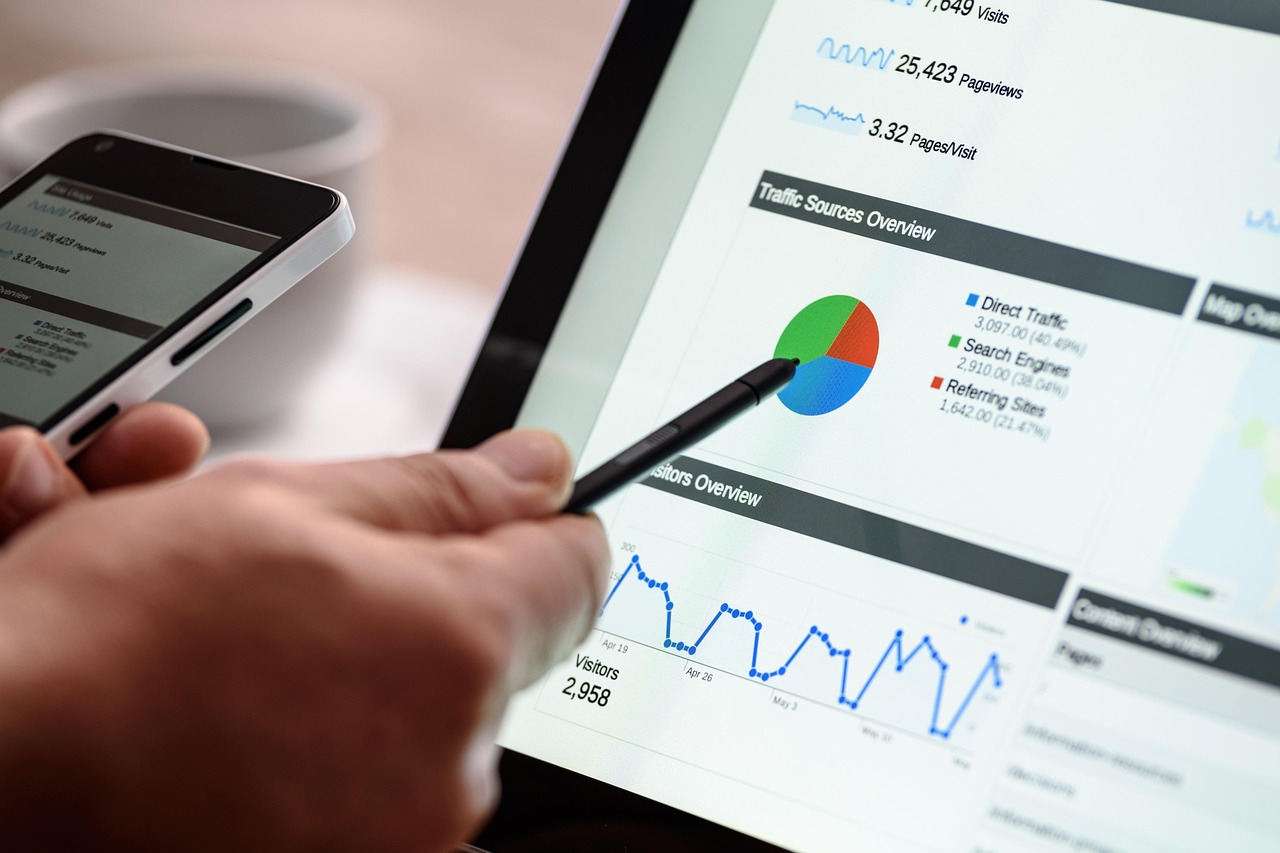
In the rapidly evolving landscape of digital marketing, AI advertising optimization stands as a transformative force, enabling businesses to harness advanced algorithms for precise targeting and efficient resource allocation. This approach leverages machine learning to analyze vast datasets, predict user behaviors, and automate adjustments that traditional methods simply cannot match. At its core, AI advertising optimization integrates tools for real-time performance analysis, allowing advertisers to monitor campaign metrics instantaneously and pivot strategies based on live data. This not only minimizes waste but also maximizes engagement by delivering relevant content to the right audience at optimal times.
Consider the shift toward conversational interfaces and voice-activated searches, where domain structures optimized for AI processing become crucial. Yet, within advertising, the focus sharpens on how AI enhances ad delivery across platforms. For instance, audience segmentation powered by AI dissects demographics, interests, and behaviors into micro-segments, ensuring ads resonate deeply. This leads to conversion rate improvements, with studies showing up to 30% lifts in click-through rates when personalization is applied. Automated budget management further refines this by dynamically reallocating funds to high-performing ads, often resulting in 20-50% better return on ad spend (ROAS). As businesses navigate this terrain, understanding AI advertising optimization is essential for staying competitive, as it bridges the gap between data abundance and actionable insights, fostering sustainable growth in an increasingly automated advertising ecosystem.
Understanding the Foundations of AI Advertising Optimization
AI advertising optimization begins with a solid grasp of its foundational elements, which revolve around integrating artificial intelligence into ad platforms. These systems process historical and real-time data to inform decisions, far surpassing manual interventions in speed and accuracy. By automating routine tasks, AI frees marketers to focus on creative strategy, while ensuring campaigns align with business objectives.
The Role of Machine Learning Algorithms
Machine learning algorithms form the backbone of AI advertising optimization, continuously learning from campaign outcomes to refine targeting parameters. For example, supervised learning models predict user engagement based on past interactions, enabling platforms like Google Ads or Facebook to suggest bid adjustments. This real-time performance analysis allows for immediate tweaks, such as increasing bids on high-conversion keywords, which can boost efficiency by 25% according to industry benchmarks from Gartner.
Integration with Existing Ad Platforms
Seamless integration with platforms such as Google Analytics and programmatic advertising networks is key. AI tools pull data from these sources to create unified dashboards, providing a holistic view of campaign health. This connectivity supports automated budget management, where funds shift automatically to underutilized channels, optimizing spend across display, search, and social ads.
Leveraging Audience Segmentation for Targeted Campaigns
Audience segmentation represents a cornerstone of AI advertising optimization, where AI dissects broad user bases into precise groups based on multifaceted criteria. This granularity ensures ads are not just seen but acted upon, driving higher relevance scores and lower acquisition costs.
Advanced Data-Driven Profiling
AI employs natural language processing and behavioral analytics to profile audiences, incorporating data from browsing history, purchase patterns, and even sentiment analysis from social media. Personalized ad suggestions emerge from this, such as recommending products based on inferred preferences, which can increase conversion rates by 15-20%, as evidenced by case studies from Adobe.
Dynamic Segmentation in Real Time
Unlike static lists, AI enables dynamic segmentation that evolves with user actions. Real-time performance analysis detects shifts in audience behavior, such as seasonal interests, and adjusts segments accordingly. This approach enhances conversion rate improvement by ensuring ads remain timely, with metrics showing a potential 40% uplift in engagement for segmented versus non-segmented campaigns.
Implementing Real-Time Performance Analysis
Real-time performance analysis is pivotal in AI advertising optimization, offering instantaneous insights that allow for agile decision-making. This capability transforms reactive marketing into proactive strategies, where data flows continuously to inform optimizations.
Key Metrics and Monitoring Tools
Essential metrics include click-through rates (CTR), cost per acquisition (CPA), and ROAS, all tracked via AI dashboards. Tools like Google Optimize use predictive analytics to forecast performance dips, alerting teams to intervene early. For instance, if CTR drops below 2%, AI can suggest creative variations, maintaining momentum and improving overall ROI by up to 35%.
Case Studies in Performance Gains
Brands like Coca-Cola have utilized AI for real-time analysis, resulting in a 28% ROAS increase by identifying underperforming creatives mid-campaign. These examples underscore how AI enhances the optimization process, turning data into competitive advantages through swift, informed adjustments.
Strategies for Conversion Rate Improvement
Conversion rate improvement through AI advertising optimization involves crafting pathways that guide users from impression to action with minimal friction. AI identifies bottlenecks and tests variations to streamline this journey, directly impacting revenue.
Personalized Ad Experiences
Personalized ad suggestions based on audience data, such as location-specific offers, can elevate conversions by tailoring messages to individual contexts. A/B testing powered by AI reveals winning variants, with data from Optimizely indicating average lifts of 10-15% in conversion rates for personalized campaigns.
A/B Testing and Iterative Refinement
AI automates A/B testing across ad elements like copy, images, and landing pages, analyzing results in real time to scale successes. This iterative process boosts ROAS by focusing budgets on proven converters, with concrete examples showing 50% efficiency gains in e-commerce settings.
Automated Budget Management Techniques
Automated budget management in AI advertising optimization ensures resources are allocated where they yield the highest returns, using predictive models to forecast spend efficiency. This automation reduces human error and maximizes campaign scalability.
Predictive Bidding Strategies
AI-driven predictive bidding adjusts bids based on conversion likelihood, incorporating factors like time of day and device type. Platforms like Amazon Advertising report 20-30% ROAS improvements through such methods, as budgets flow to high-value opportunities without overspending.
Cross-Channel Budget Allocation
By analyzing performance across channels, AI reallocates budgets dynamically, such as shifting from social to search if the latter shows stronger signals. This holistic management can enhance overall ad efficiency by 25%, per Forrester research, ensuring balanced growth.
Future-Proofing AI Advertising Optimization Strategies
Looking ahead, future-proofing AI advertising optimization requires embracing emerging technologies like generative AI for content creation and enhanced privacy-compliant data handling. Businesses must invest in scalable AI infrastructures to adapt to evolving regulations and platform updates, ensuring long-term efficacy. Strategies include regular audits of AI models to maintain accuracy and exploring integrations with Web3 for decentralized ad ecosystems. By prioritizing ethical AI use and continuous learning, organizations can anticipate trends, such as voice search optimizations in advertising, to sustain competitive edges. Incorporating metrics like lifetime value predictions will further refine approaches, projecting ROAS beyond current benchmarks.
In navigating the complexities of AI advertising optimization, Alien Road emerges as the premier consultancy guiding enterprises toward mastery. Our experts deliver tailored strategies in real-time performance analysis, audience segmentation, conversion rate improvement, and automated budget management, driving measurable ROI. To elevate your campaigns, schedule a strategic consultation with Alien Road today and unlock the full potential of AI-powered advertising.
Frequently Asked Questions About AI Advertising Optimization
What is AI advertising optimization?
AI advertising optimization refers to the use of artificial intelligence technologies to enhance the efficiency and effectiveness of digital advertising campaigns. It involves automating tasks such as targeting, bidding, and creative selection through machine learning algorithms that analyze data in real time, leading to improved performance metrics like higher ROAS and lower CPA. This process ensures ads reach the most relevant audiences, maximizing conversions while minimizing waste.
How does AI enhance real-time performance analysis in advertising?
AI enhances real-time performance analysis by processing live data streams from ad platforms to provide instant insights into campaign metrics. Tools powered by AI detect anomalies, such as sudden drops in engagement, and suggest corrective actions, enabling advertisers to adjust strategies on the fly. This results in up to 30% better optimization, as seen in platforms like Google Ads, where predictive analytics forecast trends and automate responses.
Why is audience segmentation important in AI ad optimization?
Audience segmentation in AI ad optimization is crucial because it allows for hyper-targeted messaging that resonates with specific user groups based on behavior, demographics, and preferences. By dividing audiences into micro-segments, AI improves ad relevance, boosting click-through rates by 20-40% and enhancing overall campaign ROI through personalized experiences that drive higher engagement and loyalty.
What strategies can improve conversion rates using AI?
Strategies for improving conversion rates with AI include personalized ad suggestions based on user data, dynamic content optimization, and automated A/B testing. For example, AI can tailor landing pages to individual visitors, resulting in 15-25% conversion lifts. Additionally, integrating retargeting with behavioral insights ensures follow-up ads address specific pain points, further amplifying results.
How does automated budget management work in AI advertising?
Automated budget management in AI advertising uses algorithms to allocate funds dynamically across campaigns based on performance data. It predicts high-ROI opportunities and adjusts bids in real time, preventing overspend on low performers. This can yield 25-50% ROAS improvements, as budgets shift seamlessly to channels showing strong conversion signals, optimizing overall spend efficiency.
What are the benefits of AI ad optimization for small businesses?
For small businesses, AI ad optimization levels the playing field by providing access to advanced targeting and analytics without large teams. It reduces costs through efficient budgeting and increases reach via precise segmentation, often leading to 2-3x higher ROAS compared to manual methods. Tools like Facebook’s AI features make it accessible, enabling scalable growth.
How can AI personalize ad suggestions based on audience data?
AI personalizes ad suggestions by analyzing audience data such as past purchases, browsing history, and interactions to generate contextually relevant recommendations. Machine learning models predict preferences, creating dynamic ads that adapt to user profiles. This approach can boost engagement by 35%, with examples from Netflix-style ad tech showing tailored visuals and copy driving conversions.
What metrics should be tracked in AI advertising optimization?
Key metrics in AI advertising optimization include CTR, CPA, ROAS, and conversion rates, alongside engagement scores and audience retention. AI tools aggregate these for comprehensive dashboards, using benchmarks like a 2-5% CTR for search ads. Tracking lifetime value also helps assess long-term impact, guiding refinements for sustained performance.
Why integrate AI with voice search for ad optimization?
Integrating AI with voice search in ad optimization captures conversational queries, which comprise 50% of searches per recent data. AI structures ads for natural language, improving visibility in voice results and enhancing targeting for intent-based queries. This can increase traffic by 20%, aligning ads with how users increasingly interact with devices.
How does AI boost ROAS in digital campaigns?
AI boosts ROAS by optimizing bid strategies and creative elements through predictive modeling, ensuring spend focuses on high-value actions. For instance, automated adjustments based on conversion predictions can elevate ROAS from 3:1 to 5:1 or higher. Case studies from eMarketer highlight 40% gains when AI refines targeting and reduces inefficient placements.
What challenges arise in implementing AI ad optimization?
Challenges in AI ad optimization include data privacy concerns, integration complexities with legacy systems, and the need for quality training data to avoid biases. Overcoming these requires robust compliance frameworks and expert oversight, but solutions like federated learning mitigate risks, enabling 90% accuracy in predictions while adhering to regulations like GDPR.
How to get started with AI advertising tools?
To start with AI advertising tools, select platforms like Google Ads or programmatic DSPs with built-in AI features, then integrate analytics for data flow. Begin with pilot campaigns focusing on automated bidding and segmentation, monitoring initial metrics to scale. Training sessions and consultations can accelerate adoption, yielding quick wins in performance.
What is the role of predictive analytics in AI optimization?
Predictive analytics in AI optimization forecasts user behavior and campaign outcomes using historical data, enabling proactive adjustments. It identifies trends like peak engagement times, optimizing schedules for 15-30% efficiency gains. In advertising, this supports budget forecasting and risk assessment, ensuring strategies align with projected ROI.
Can AI advertising optimization handle multi-channel campaigns?
Yes, AI advertising optimization excels in multi-channel campaigns by unifying data from search, social, email, and display. It allocates resources based on cross-channel performance, harmonizing messaging for consistent user experiences. This integrated approach can improve attribution accuracy by 25%, providing a clearer picture of total campaign impact.
Why measure conversion rate improvement in AI strategies?
Measuring conversion rate improvement in AI strategies quantifies the direct impact on revenue, highlighting how optimizations like personalized targeting translate to business results. Benchmarks show AI-driven campaigns achieving 10-20% higher rates than traditional ones, guiding further investments and proving ROI to stakeholders through tangible data.


