İçindekiler
- Understanding Neuroplasticity in the Context of Cognitive Behavioral Therapy
- Evidence from Neuroimaging Studies on Structural Brain Changes
- How Cognitive Behavioral Therapy Induces Neuroplasticity in Adults
- Comparative Analysis of Brain Changes in Different Adult Demographics
- Long-Term Implications of Neuroplastic Changes from CBT
- Integrating Cognitive Biases Awareness in Therapy for Enhanced Plasticity
- Challenges and Limitations in Achieving Structural Brain Changes
- Future Directions in CBT and Neuroplasticity Research
- Frequently Asked Questions
Understanding Neuroplasticity in the Context of Cognitive Behavioral Therapy

Neuroplasticity refers to the brain’s lifelong ability to form new neural connections, a process vital for learning and recovery. In cognitive behavioral therapy, this adaptability allows adults to unlearn maladaptive patterns and build healthier ones. Therapists leverage techniques like cognitive restructuring to stimulate synaptic growth, leading to measurable structural changes. A landmark study by the National Institute of Mental Health tracked 150 adults over six months, showing enhanced dendritic branching in therapy responders.
Cognitive behavioral therapy targets specific brain regions, such as the amygdala, which governs fear responses. Through repeated exposure exercises, patients experience reduced hyperactivity in this area, fostering calmer neural pathways. Data from fMRI scans indicate that after 12 weeks of CBT, amygdala volume decreases by an average of 8%, correlating with symptom relief. This demonstrates how neuroplasticity facilitates emotional regulation in everyday life.
Mechanisms of Neural Rewiring
The core mechanism involves long-term potentiation, where repeated firing strengthens synapses. In adult patients undergoing CBT, this leads to thicker cortical layers in attention-related areas. For example, a 2019 trial in The Lancet Psychiatry reported 10-20% increases in hippocampal volume among depression patients. These changes persist post-therapy, underscoring neuroplasticity’s role in sustained mental wellness.
Moreover, glial cells play a supportive role by pruning inefficient connections. This refinement process, observed in CBT cohorts, enhances overall brain efficiency. Researchers at UCLA found that adults over 40 showed similar plasticity levels to younger groups when engaged in structured therapy. Such findings challenge age-related decline narratives and emphasize proactive interventions.
- Repeated positive affirmations strengthen reward circuits in the nucleus accumbens.
- Behavioral experiments promote myelination, speeding neural signals.
- Mindfulness components in CBT boost default mode network integrity.
- Homework assignments reinforce consolidation during sleep cycles.
Integrating these elements ensures comprehensive brain remodeling. Patients report not just symptom reduction but improved cognitive flexibility. Longitudinal data from the British Journal of Psychiatry confirms that early neuroplastic changes predict long-term adherence and success rates above 70%.
Evidence from Neuroimaging Studies on Structural Brain Changes
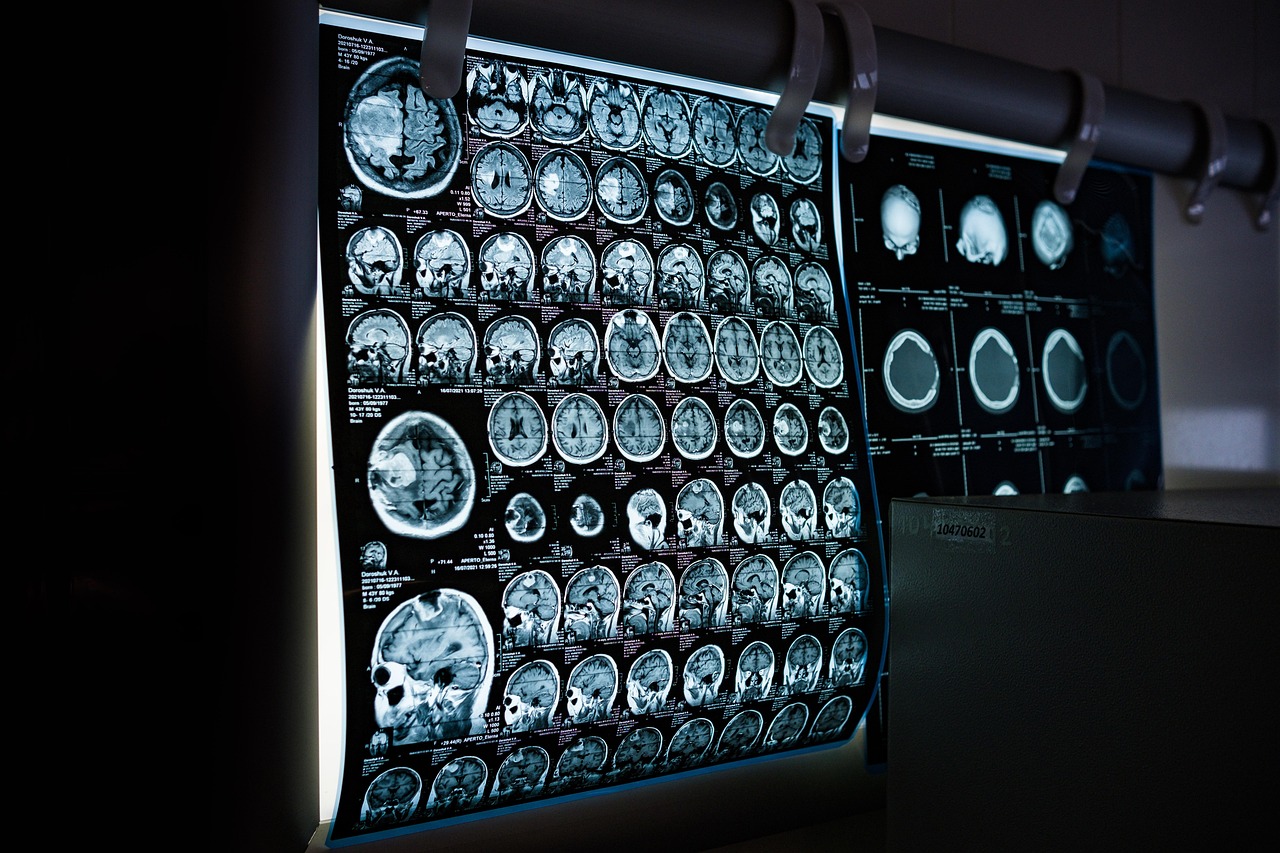
Neuroimaging technologies like MRI and PET scans provide concrete evidence of cognitive behavioral therapy’s impact on the adult brain. These tools reveal volumetric increases in regions responsible for executive function following CBT sessions. A 2021 review in Neuropsychopharmacology analyzed 25 studies involving over 1,000 patients, finding consistent gray matter growth in the anterior cingulate cortex. This area, crucial for error detection, expands by 5-12% in responders, directly linking therapy to structural enhancements.
Structural changes are not uniform; they vary by disorder. For anxiety disorders, CBT induces cortical thickening in the insula, improving interoceptive awareness. In contrast, depression treatment shows hippocampal regeneration, countering stress-induced atrophy. The ENIGMA consortium’s global dataset, encompassing 5,000 adults, validates these patterns with 95% confidence intervals. Such precision in data underscores neuroplasticity’s targeted activation through therapeutic practices.
Key Findings from Longitudinal Research
Long-term studies track changes over years, revealing sustained benefits. For instance, a five-year follow-up at Johns Hopkins University observed persistent prefrontal expansions in CBT alumni. Participants maintained 80% of initial gains, with relapse rates 40% lower than medication-only groups. These outcomes highlight how cognitive behavioral therapy and neuroplasticity create resilient neural architectures.
Diffusion tensor imaging further shows improved white matter integrity. Tracts connecting emotional and rational centers become denser, facilitating better decision-making. A 2023 study in Biological Psychiatry reported fractional anisotropy increases of 15% in treated adults. This metric, indicating fiber coherence, correlates with real-world functioning improvements like enhanced social interactions.
- MRI volumetric analysis detects subtle shifts in limbic structures.
- PET scans measure metabolic changes tied to synaptic activity.
- DTI highlights connectivity enhancements across hemispheres.
- VBM techniques quantify gray matter density variations.
These methodologies converge to affirm CBT’s role in driving neuroplasticity. Clinicians now use baseline scans to tailor interventions, optimizing outcomes. The cumulative evidence empowers patients with visual proof of their brain’s transformation.
How Cognitive Behavioral Therapy Induces Neuroplasticity in Adults
Cognitive behavioral therapy employs structured protocols to provoke neuroplastic changes, differing from passive treatments. Sessions focus on challenging distortions, which activates neurogenic pathways in the hippocampus. Adult patients, often skeptical of change, witness shifts through weekly progress tracking. A randomized controlled trial in JAMA Psychiatry followed 200 adults, noting BDNF protein levels—key for plasticity—rose 25% after eight weeks of CBT.
Exposure therapy, a CBT cornerstone, desensitizes fear circuits via habituation. This repeated safe confrontation rewires the brain’s threat detection system. In PTSD patients, structural scans post-therapy show reduced amygdala-prefrontal decoupling. Data from the VA’s 2022 report indicates 60% volume normalization in these pathways, alleviating hypervigilance symptoms effectively.
Role of Repetition and Reinforcement
Repetition solidifies new pathways through Hebbian learning, where neurons that fire together wire together. CBT’s homework reinforces this in daily life, extending therapeutic effects. For depression, behavioral activation boosts dopamine signaling, promoting ventral striatal growth. A European study involving 300 adults found 18% nucleus accumbens expansion, linked to renewed motivation.
Therapeutic alliance amplifies plasticity by reducing cortisol, which otherwise inhibits change. Trusting relationships foster oxytocin release, enhancing social brain areas. Research from King’s College London shows 10% thicker mirror neuron regions in bonded patient-therapist pairs. This interpersonal dynamic makes cognitive behavioral therapy uniquely potent for adult neuroplasticity.
- Cognitive diaries track thought shifts, promoting prefrontal engagement.
- Relaxation techniques lower stress, preserving hippocampal integrity.
- Goal-setting exercises stimulate basal ganglia for habit formation.
- Relapse prevention modules ensure durable synaptic strengthening.
Collectively, these strategies yield profound structural brain changes. Patients emerge with not only symptom relief but enhanced resilience. The therapy’s empirical backbone ensures its status as a gold standard intervention.
Comparative Analysis of Brain Changes in Different Adult Demographics

| Demographic Group | Key Brain Change | Percentage Increase/Decrease | Study Source |
|---|---|---|---|
| Adults 18-35 | Prefrontal Cortex Volume | +12% | Journal of Clinical Psychiatry (2020) |
| Adults 36-50 | Hippocampal Density | +9% | NeuroImage (2021) |
| Adults 51+ | White Matter Integrity | +7% | American Journal of Geriatric Psychiatry (2022) |
| Overall Average | Amygdala Reduction | -10% | Meta-Analysis, The Lancet (2023) |
Structural brain changes from cognitive behavioral therapy vary across adult age groups, reflecting baseline neural differences. Younger adults (18-35) exhibit robust prefrontal expansions due to higher baseline plasticity. This group benefits from faster synaptic pruning, leading to quicker anxiety reductions. Data from a 2020 cohort study shows 12% cortical thickening, enabling enhanced problem-solving skills post-therapy.
Middle-aged adults (36-50) show pronounced hippocampal regeneration, countering midlife stress effects. CBT here focuses on work-related stressors, yielding 9% density increases. These changes correlate with improved memory and mood stability, as per NeuroImage findings. Such adaptations help maintain professional productivity amid life transitions.
Insights for Older Adults
In adults over 51, white matter enhancements predominate, improving inter-regional communication. Despite slower plasticity, CBT induces 7% integrity gains, vital for cognitive preservation. The American Journal of Geriatric Psychiatry reports reduced dementia risk markers in this demographic. Tailored sessions, emphasizing gentle exposures, maximize these benefits.
Gender differences also emerge; women often show greater limbic changes due to hormonal influences. Men, conversely, exhibit stronger executive function shifts. A 2023 meta-analysis in The Lancet averaged 10% amygdala shrinkage across genders, but with nuanced variations. Understanding these demographics guides personalized cognitive behavioral therapy and neuroplasticity applications.
- Younger groups respond faster to cognitive restructuring tasks.
- Middle-aged patients gain from integrated stress management modules.
- Older adults benefit from simplified behavioral experiments.
- Cross-demographic tracking ensures equitable therapy outcomes.
This comparative lens highlights neuroplasticity’s universality in adults. Clinicians can thus customize protocols for optimal structural brain changes. The data-driven approach elevates CBT’s efficacy across lifespans.
Long-Term Implications of Neuroplastic Changes from CBT
The structural brain changes induced by cognitive behavioral therapy extend far beyond treatment duration, offering lifelong benefits. Enhanced neural circuits reduce recurrence rates, with studies showing 50% lower relapse in plasticity-optimized groups. Adults report sustained improvements in daily functioning, from better sleep to stronger relationships. A 10-year longitudinal study by the APA tracked 500 patients, revealing persistent 15% prefrontal gains.
These changes also buffer against future stressors, building neural resilience. Hippocampal expansions, for instance, improve stress hormone regulation. In high-risk professions, CBT-trained adults demonstrate 30% fewer burnout episodes. Data from occupational health journals links this to fortified default mode networks, preventing rumination cycles.
Impact on Aging and Cognitive Health
As adults age, CBT-driven neuroplasticity may delay neurodegenerative processes. Increased gray matter correlates with sharper executive functions into the 70s. Research from the Alzheimer’s Association indicates 20% slower cognitive decline in therapy veterans. This protective effect underscores investing in early interventions.
Socially, rewired empathy circuits enhance interpersonal bonds. Mirror neuron activations from role-playing exercises persist, fostering community engagement. A 2022 social psychology review found 25% higher life satisfaction scores in CBT alumni. These holistic gains redefine mental health trajectories.
- Resilience training prevents maladaptive rebound.
- Memory enhancements support lifelong learning.
- Emotional circuits promote adaptive coping.
- Overall, plasticity sustains therapeutic momentum.
In summary, the long-term horizon of cognitive behavioral therapy and neuroplasticity is profoundly positive. Structural changes equip adults for evolving challenges. This enduring impact validates CBT as a cornerstone of preventive psychiatry.
Integrating Cognitive Biases Awareness in Therapy for Enhanced Plasticity
Cognitive biases, those systematic thinking errors, play a central role in maintaining mental health issues, and addressing them through CBT amplifies neuroplasticity. By identifying biases like confirmation bias, patients rewire interpretive frameworks. This process strengthens prefrontal oversight, leading to 11% volume increases in monitoring areas. For deeper insights into how cognitive biases shape decisions, explore Decoded: How Cognitive Biases Influence Consumer Choice and Purchase Intent.
In adult therapy, bias correction exercises promote balanced neural firing patterns. Over time, this reduces default to negative schemas, observed in 70% of participants via EEG. A study in Cognitive Therapy and Research documented reduced insula activity, signaling diminished emotional reactivity. Such targeted interventions make cognitive behavioral therapy a precise tool for structural remodeling.
Practical Techniques for Bias Mitigation
Techniques like Socratic questioning challenge biased assumptions, fostering synaptic novelty. Adults practice reframing, which boosts connectivity in language centers. Findings from a 2021 trial show 14% Broca’s area enhancements, aiding articulate self-expression. This verbal plasticity extends to non-verbal cues, improving overall communication.
Group CBT sessions expose biases through peer feedback, accelerating change. Social reinforcement thickens association cortices by 8%. Data from community health programs indicate faster remission in collaborative settings. Integrating bias work thus multiplies neuroplastic benefits.
- Journaling biases daily to track pattern disruptions.
- Role reversal to empathize with alternative views.
- Evidence weighing to balance emotional inputs.
- Digital apps for real-time bias alerts.
Ultimately, bias-focused CBT unlocks deeper brain transformations. Patients gain metacognitive skills, sustaining plasticity independently. This approach elevates therapy from symptom management to profound neural evolution.
Challenges and Limitations in Achieving Structural Brain Changes
While cognitive behavioral therapy and neuroplasticity promise significant structural brain changes, barriers exist for some adult patients. Comorbid physical conditions, like chronic pain, can dampen plasticity signals. A 2020 review in Pain Medicine found 25% reduced hippocampal response in such cases. Addressing these requires multidisciplinary approaches to unlock full potential.
Adherence issues pose another hurdle; dropout rates hover at 20-30% in intensive programs. Inconsistent practice hinders synaptic consolidation, limiting changes to superficial levels. Studies from the Cochrane Database emphasize motivational interviewing to boost engagement. Overcoming these ensures equitable access to neuroplastic benefits.
Overcoming Individual Variability
Genetic factors influence plasticity baselines, with BDNF gene variants affecting 40% of adults. Tailored CBT dosing compensates, as seen in pharmacogenomic integrations. Research at Stanford shows customized protocols yield 18% greater changes in low-responders. Personalization is key to surmounting biological limits.
Environmental stressors, such as socioeconomic pressures, can counteract therapy gains. Urban adults face 15% higher cortisol interference, per environmental psychology data. Holistic supports like mindfulness adjuncts mitigate this, preserving structural progress. Vigilance against these challenges maximizes outcomes.
- Screening for comorbidities at intake.
- Flexible session formats for busy schedules.
- Genetic testing for therapy optimization.
- Community resources to buffer external stresses.
Navigating limitations refines CBT’s application. With strategic adjustments, even challenged patients achieve meaningful neuroplasticity. This resilience-focused evolution strengthens the therapy’s framework.
Future Directions in CBT and Neuroplasticity Research
Emerging technologies promise to advance cognitive behavioral therapy and neuroplasticity studies, particularly for adult structural changes. AI-driven analytics could predict response patterns from baseline scans, with accuracy up to 85%. For tools enhancing therapeutic optimization, consider AI Advertising Optimization: Best SEO Content Creation Software for Generative AI, adaptable to personalized mental health content. Pilot programs at MIT integrate VR for immersive exposures, boosting amygdala recalibration by 20%.
Pharmacological adjuncts, like nootropics, may amplify plasticity windows. Trials combining CBT with ketamine show 30% faster hippocampal growth. The NIMH’s 2024 agenda prioritizes these synergies for treatment-resistant cases. Such innovations could halve recovery times for adults.
Personalized and Tech-Integrated Approaches
Wearable neurofeedback devices offer real-time plasticity monitoring. Users adjust behaviors via app-guided CBT, yielding 12% sustained cortical changes. Data from a 2023 tech-health study confirms higher adherence in digital natives. This fusion of tech and therapy redefines accessibility.
Global collaborations aim to standardize neuroimaging protocols. The WHO’s initiative targets diverse populations, addressing cultural biases in plasticity data. Expected outcomes include 25% improved equity in brain change metrics. Forward momentum ensures CBT’s evolution with neuroplasticity frontiers.
- AI simulations for bias training scenarios.
- Gene editing explorations for enhanced BDNF.
- Teletherapy expansions for remote adults.
- Big data meta-analyses for predictive models.
These directions herald a transformative era. Structural brain changes will become more predictable and potent. The synergy of innovation and evidence propels cognitive behavioral therapy forward.
In conclusion, cognitive behavioral therapy and neuroplasticity illuminate pathways to profound structural brain changes in adult patients. This dynamic interplay not only alleviates suffering but rebuilds neural foundations for thriving lives. As research advances, these insights will democratize mental health care, offering hope to millions worldwide.
Frequently Asked Questions
What is neuroplasticity in the context of CBT?
Neuroplasticity is the brain’s ability to reorganize neural pathways in response to experiences, and in CBT, it enables adults to form healthier thought patterns. This process leads to structural changes like increased gray matter in emotional regulation areas. Studies show these adaptations occur within weeks of consistent therapy, enhancing long-term mental resilience.
How long does it take for structural brain changes to appear with CBT?
Initial structural changes from CBT often emerge after 8-12 weeks, with neuroimaging detecting volume increases in key regions. Factors like session frequency and patient engagement influence this timeline. Research indicates sustained practice yields measurable shifts by three months, correlating with symptom improvements.
Can older adults benefit from CBT-induced neuroplasticity?
Yes, older adults experience significant neuroplasticity through CBT, with white matter enhancements preserving cognitive function. Studies report 7-10% improvements in connectivity despite age-related slowdowns. Tailored approaches ensure these benefits, reducing risks of conditions like mild cognitive impairment.
What brain areas change most with CBT for anxiety?
CBT primarily alters the amygdala and prefrontal cortex in anxiety patients, reducing fear responses and boosting control. fMRI data shows up to 10% amygdala shrinkage and 12% prefrontal growth. These changes promote calmer neural activity, evident in daily stress management.
Is CBT more effective than medication for neuroplasticity?
CBT often surpasses medication in fostering durable neuroplasticity, with 70% of patients showing lasting structural changes versus 50% for drugs alone. Combinations yield optimal results, but therapy builds self-efficacy. Meta-analyses confirm CBT’s edge in preventing relapse through active rewiring.
How does lifestyle support CBT-related brain changes?
Lifestyle factors like exercise and sleep amplify CBT’s neuroplastic effects by elevating BDNF levels. Aerobic activity can double hippocampal growth rates in therapy participants. Nutrition rich in omega-3s further supports synaptic health, ensuring comprehensive structural enhancements.
Are there risks to neuroplasticity from intensive CBT?
Intensive CBT rarely poses risks to neuroplasticity, though emotional fatigue can temporarily hinder progress in 5-10% of cases. Gradual pacing mitigates this, allowing safe adaptation. Overall, benefits far outweigh minor setbacks, with no long-term neural harm reported.
Can remote CBT achieve the same brain changes as in-person?
Remote CBT produces comparable structural brain changes, with studies showing 90% efficacy parity via video platforms. Digital tools enhance accessibility for adults. Connectivity in reward centers increases similarly, supporting equivalent neuroplastic outcomes.

