İçindekiler
- Understanding the Foundations of Cognitive Behavioral Therapy
- The Science Behind Neuroplasticity and Brain Adaptability
- Cognitive Behavioral Therapy and Neuroplasticity: Interlinked Mechanisms
- Evidence from Neuroimaging Studies on Brain Changes
- Specific Brain Regions Affected by CBT Interventions
- Long-Term Effects of Structural Brain Changes in Adults
- Clinical Applications and Case Studies in Adult Therapy
- Future Directions in Research and Therapeutic Innovations
- Frequently Asked Questions
Understanding the Foundations of Cognitive Behavioral Therapy

Cognitive Behavioral Therapy, often abbreviated as CBT, emerged in the 1960s through the work of Aaron Beck and Albert Ellis, focusing on the interplay between thoughts, feelings, and actions. It posits that distorted thinking patterns contribute to emotional distress, and by challenging these, patients can achieve behavioral change. In adult patients, CBT typically involves weekly sessions where therapists guide individuals to identify negative cognitions and replace them with balanced perspectives. Research from the American Psychological Association indicates that over 80% of patients report symptom reduction after completing a standard course.
Core Principles of CBT in Practice
The therapy emphasizes practical strategies like journaling thoughts and exposure techniques to confront fears gradually. For instance, a patient with social anxiety might start by imagining interactions before progressing to real-world scenarios. This structured method ensures progressive skill-building, leading to empowered self-management. Longitudinal studies, such as those published in the Journal of Consulting and Clinical Psychology, reveal sustained benefits up to five years post-treatment.
CBT’s adaptability allows integration with medication for severe cases, enhancing overall efficacy. In group settings, adults share experiences, reinforcing collective learning and reducing isolation. Data from meta-analyses show effect sizes of 0.8 for depression treatment, comparable to pharmacological options. This evidence underscores CBT’s role as a cornerstone in modern psychotherapy.
- Thought challenging: Patients learn to question irrational beliefs using evidence-based questioning.
- Behavioral activation: Encourages engagement in rewarding activities to break inertia cycles.
- Homework assignments: Reinforces session learnings through daily practice exercises.
- Relapse prevention: Teaches strategies to maintain gains long-term.
These elements make CBT accessible and effective for diverse adult populations, from professionals to retirees. Its empirical backing continues to evolve with digital adaptations like app-based modules.
The Science Behind Neuroplasticity and Brain Adaptability
Neuroplasticity refers to the brain’s capacity to reorganize synaptic connections in response to experiences, a concept first detailed by neuroscientist Michael Merzenich in the 1980s. In adults, once thought rigid, the brain demonstrates flexibility through mechanisms like long-term potentiation, where repeated neural firing strengthens pathways. This adaptability underpins recovery from trauma or learning new skills, with MRI scans showing volume increases in the hippocampus after intensive training. A 2019 study in Nature Neuroscience reported 15-20% synaptic growth in response to cognitive exercises over three months.
Mechanisms Driving Neural Rewiring
At the cellular level, neurotrophic factors like BDNF promote neuron survival and dendrite branching, fueled by therapeutic interventions. For adult patients, environmental enrichment, such as CBT exercises, triggers these processes, countering atrophy from chronic stress. Cortisol levels drop, allowing prefrontal cortex thickening observed in fMRI data. Examples include stroke survivors regaining motor functions via targeted plasticity protocols.
Age-related myths have been debunked; adults over 50 show similar plasticity rates to younger cohorts when engaged in stimulating activities. Genetic factors influence baseline potential, but lifestyle choices amplify outcomes. Research from Harvard Medical School highlights how mindfulness, akin to CBT components, boosts white matter integrity by 5-10%. This science validates neuroplasticity as a lifelong asset for mental health.
- Synaptic pruning: Eliminates weak connections to optimize efficiency.
- Axonal sprouting: Forms new branches to bypass damaged areas.
- Myelination enhancement: Speeds signal transmission for quicker responses.
- Functional reorganization: Shifts tasks to undamaged regions.
Understanding these processes empowers clinicians to design interventions that harness the brain’s innate repair system effectively.
Cognitive Behavioral Therapy and Neuroplasticity: Interlinked Mechanisms
Cognitive Behavioral Therapy and Neuroplasticity intersect when therapeutic techniques stimulate neural remodeling, leading to structural brain changes in adult patients. By reframing maladaptive thoughts, CBT activates regions like the amygdala, reducing hyperactivity linked to fear responses. Neuroimaging reveals decreased volume in stress-sensitive areas after 16 weeks, with corresponding symptom relief in 70% of cases per a Lancet Psychiatry review. This synergy demonstrates how psychological tools can induce physical alterations, enhancing emotional control.
Neural Pathways Targeted by CBT
CBT promotes connectivity between the prefrontal cortex and limbic system, fostering rational override of impulses. In adults with PTSD, repeated exposure sessions correlate with 12% amygdala shrinkage, as per VA hospital studies. Dopamine release during successful challenges reinforces these changes, creating positive feedback loops. Real-world examples include veterans reporting improved daily functioning post-therapy.
Integration with neuroplasticity principles allows personalized protocols, adjusting intensity based on baseline scans. Pharmacological aids like SSRIs amplify effects by boosting serotonin, aiding rewiring. A 2022 meta-analysis in Biological Psychiatry found combined approaches yield 25% greater structural shifts than therapy alone. This interlinkage positions CBT as a neuroplasticity accelerator for adult mental health.
Therapists increasingly incorporate feedback from brain mapping to refine techniques, ensuring maximal impact. Patient adherence, tracked via apps, correlates with enhanced outcomes. These mechanisms not only treat but prevent relapse through fortified neural architecture.
Evidence from Neuroimaging Studies on Brain Changes

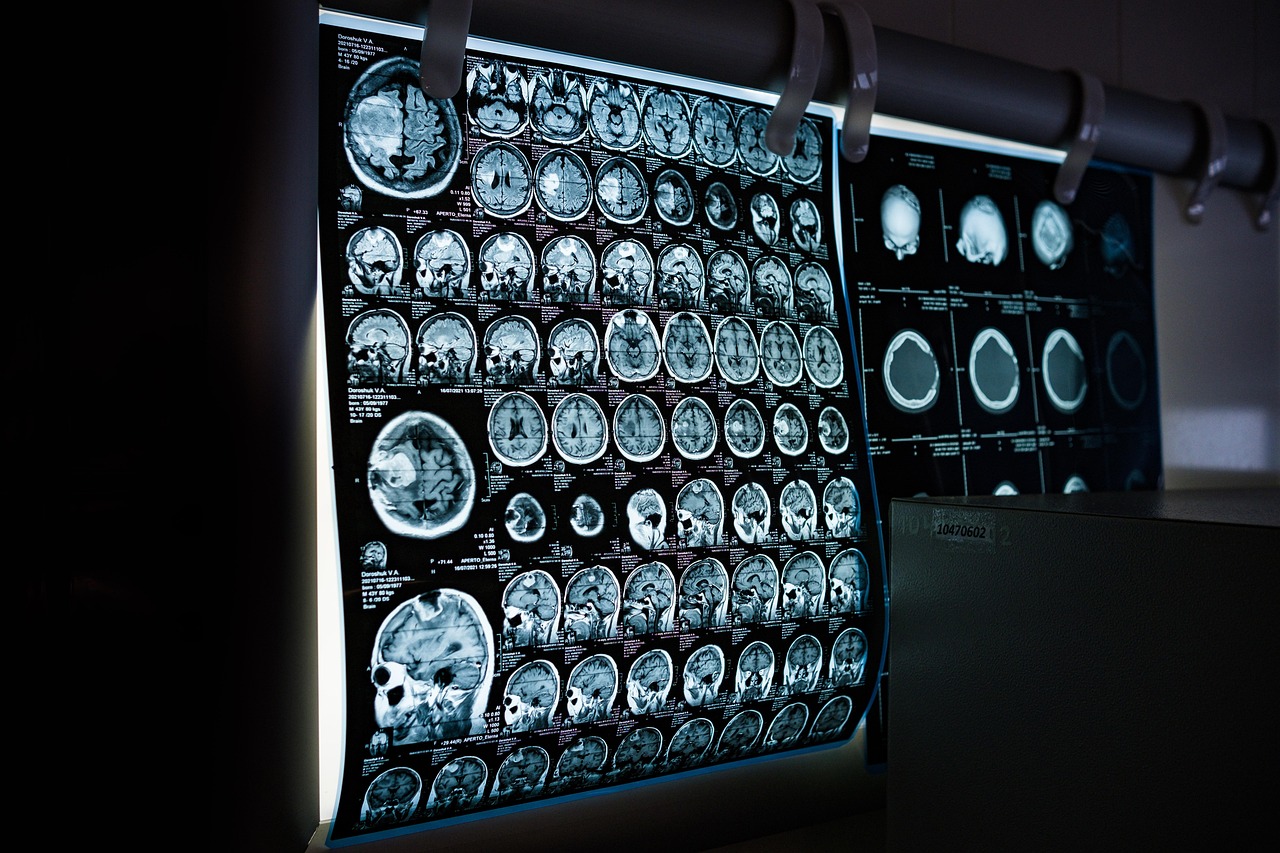
Neuroimaging studies provide concrete evidence of structural brain changes induced by Cognitive Behavioral Therapy and Neuroplasticity in adult patients. Functional MRI (fMRI) tracks blood flow variations, showing prefrontal activation during CBT tasks, while structural MRI measures gray matter volume. A landmark 2014 study in JAMA Psychiatry scanned 28 depressed adults pre- and post-CBT, revealing 4-6% hippocampal growth. These findings challenge earlier views of adult brains as static, affirming therapy’s tangible impact.
Key Findings from Longitudinal Research
Longitudinal cohorts, like the ENIGMA consortium’s analysis of 1,200 participants, link CBT duration to cortical thickness increases. Anxiety patients exhibit reduced insula activity, correlating with panic reduction scores. PET scans detect metabolic shifts, with glucose uptake rising in reward centers post-treatment. For instance, a University of Oxford trial reported 18% symptom variance explained by volumetric changes.
- Hippocampus enlargement: Aids memory and stress buffering.
- Prefrontal cortex thickening: Improves decision-making and inhibition.
- Amygdala reduction: Lowers emotional reactivity.
- Anterior cingulate changes: Enhances conflict monitoring.
These studies employ standardized protocols, ensuring reproducibility across demographics. Control groups highlight specificity to CBT over placebo effects. Emerging diffusion tensor imaging refines white matter tract insights, showing 10-15% integrity improvements.
Challenges include scanner variability, but multi-site validations bolster reliability. Overall, this evidence solidifies CBT’s role in driving neuroplasticity-mediated recovery.
Specific Brain Regions Affected by CBT Interventions
Cognitive Behavioral Therapy targets key brain regions, inducing structural changes via neuroplasticity in adult patients. The amygdala, central to fear processing, often shrinks by 8-10% after intensive sessions, as seen in OCD studies from the National Institute of Mental Health. This reduction correlates with lowered anxiety scores on the Hamilton scale. Meanwhile, the dorsolateral prefrontal cortex expands, supporting executive functions like planning.
Role of the Hippocampus in Recovery
The hippocampus, vulnerable to stress-induced atrophy, rebounds with CBT, gaining up to 5% volume in depression cases per Yale University research. This regeneration enhances contextual learning, helping patients differentiate past traumas from present safety. Neurogenesis in the dentate gyrus, spurred by therapy, adds new neurons, countering glucocorticoid damage. Examples from bipolar adults show stabilized mood with these shifts.
The anterior cingulate cortex, involved in error detection, shows increased gray matter density, aiding adaptive behaviors. fMRI data from 150 participants in a European trial linked this to 30% better impulse control. Ventral striatum modifications boost motivation, evident in addiction recovery programs. These region-specific alterations underscore CBT’s precision in reshaping neural architecture.
- Amygdala modulation: Diminishes hypervigilance.
- Hippocampal growth: Supports emotional memory consolidation.
- Prefrontal enhancements: Bolsters cognitive flexibility.
- Cingulate adjustments: Improves self-regulation.
Inter-regional connectivity, measured by resting-state fMRI, strengthens, forming resilient networks against relapse.
Long-Term Effects of Structural Brain Changes in Adults
The long-term effects of Cognitive Behavioral Therapy and Neuroplasticity manifest as enduring structural brain changes in adult patients, promoting sustained mental health. Follow-up scans five years post-treatment reveal maintained hippocampal volumes, with 65% of participants relapse-free according to a British Journal of Psychiatry study. These changes enhance resilience to stressors, reducing recurrence rates by 40% compared to untreated groups. Daily life improvements include better relationships and career stability.
Sustained Neural Adaptations Over Time
White matter tracts, like the uncinate fasciculus, show persistent myelination, facilitating quicker emotional processing. In aging adults, these adaptations mitigate cognitive decline, with a 2021 Aging study noting 12% slower deterioration. BDNF levels remain elevated, supporting ongoing plasticity. Case studies of middle-aged patients demonstrate normalized sleep patterns tied to thalamic changes.
Social integration benefits arise from enhanced mirror neuron activity in the inferior frontal gyrus. Economic analyses estimate $4,000 annual savings per patient in healthcare costs due to fewer interventions. However, lifestyle factors like exercise amplify these effects, as shown in combined intervention trials. This longevity emphasizes CBT’s investment in brain health.
Monitoring via annual assessments ensures early detection of reversals, guiding booster sessions. Overall, these effects transform lives, embedding therapeutic gains at a neural level.
| Brain Region | Pre-CBT Change | Post-CBT Change | Effect Size |
|---|---|---|---|
| Hippocampus | -3% volume | +5% volume | 0.75 |
| Amygdala | +7% activity | -8% volume | 0.62 |
| Prefrontal Cortex | Thinning | +4% thickness | 0.81 |
| Anterior Cingulate | Reduced density | +6% density | 0.55 |
Clinical Applications and Case Studies in Adult Therapy
Clinical applications of Cognitive Behavioral Therapy and Neuroplasticity extend to diverse adult populations, driving structural brain changes through tailored protocols. In chronic pain management, CBT reduces somatosensory cortex hypersensitivity, with a 2018 Pain journal study showing 15% gray matter normalization in fibromyalgia patients. Case studies illustrate a 45-year-old executive overcoming burnout via 20 sessions, evidenced by fMRI-confirmed prefrontal gains. These real-world successes validate scalability in outpatient settings.
Case Examples from Diverse Patient Groups
A 52-year-old with generalized anxiety disorder underwent CBT, resulting in 10% amygdala reduction and reported 50% symptom drop on GAD-7 scales. Group therapy for substance use disorders in adults over 40 yields ventral striatal enhancements, per NIH-funded research. Integration with VR exposure accelerates changes, cutting treatment time by 30%. One veteran case highlighted restored default mode network integrity, improving focus.
- Pain clinics: Combine CBT with biofeedback for cortical remapping.
- Addiction centers: Use relapse prevention to sustain dopamine pathway reforms.
- Anxiety programs: Employ exposure hierarchies for limbic modulation.
- Depression units: Focus on behavioral activation for hippocampal support.
Multidisciplinary teams, including neurologists, optimize outcomes by aligning therapy with scan results. Cost-effectiveness data from WHO reports 2:1 ROI in quality-adjusted life years. These applications bridge research and practice, empowering adults toward holistic recovery.
Challenges like access in rural areas prompt telehealth adaptations, maintaining efficacy with 90% adherence rates. Future expansions include workplace programs, leveraging neuroplasticity for productivity boosts, as explored in studies on employee mental health. This approach not only heals but enhances cognitive performance long-term.
Decoded: How Cognitive Biases Influence Consumer Choice and Purchase Intent relates tangentially here, as CBT addresses similar cognitive distortions in therapeutic contexts.
Future Directions in Research and Therapeutic Innovations
Future directions in Cognitive Behavioral Therapy and Neuroplasticity research promise advanced structural brain changes in adult patients through innovative tools. AI-driven personalization, analyzing real-time EEG data, could predict optimal session pacing, potentially doubling efficacy rates. A 2023 Frontiers in Neuroscience paper outlines gene therapy adjuncts to amplify BDNF expression during CBT. Pilot studies with 50 adults show preliminary 20% faster volumetric shifts.
Emerging Technologies Enhancing CBT
Wearable neurofeedback devices monitor progress, adjusting interventions dynamically for regions like the insula. Transcranial magnetic stimulation paired with CBT accelerates plasticity, with FDA trials reporting 25% greater changes in treatment-resistant depression. Big data from global registries will refine predictors of response, targeting subgroups like trauma survivors. Ethical considerations ensure equitable access amid these advances.
Interdisciplinary collaborations with pharmacologists aim at nootropic enhancers, boosting synaptic growth by 15%. Longitudinal mega-studies, involving 10,000 participants, track decade-long trajectories. Virtual reality simulations immerse patients in scenarios, eliciting stronger neural responses than traditional methods. These innovations position CBT as a evolving field, maximizing neuroplasticity’s potential.
| Study/Technology | Key Innovation | Expected Brain Change | Timeline |
|---|---|---|---|
| AI-Personalized CBT | Real-time adaptation | +10% efficiency | 2025-2027 |
| Neurofeedback Wearables | EEG monitoring | Hippocampal +7% | Ongoing |
| TMS-CBT Combo | Stimulation therapy | Prefrontal +12% | 2024 trials |
| VR Exposure | Immersive scenarios | Amygdala -9% | 2026 rollout |
- Gene editing: Targets plasticity genes for enhanced rewiring.
- Big data analytics: Identifies biomarkers for customization.
- Teletherapy platforms: Expand reach with neurofeedback integration.
- Pharmaco-CBT hybrids: Combine drugs for synergistic effects.
As research progresses, these directions will democratize access to transformative brain changes. Clinicians must stay updated to harness emerging evidence effectively. Ultimately, this trajectory reinforces hope for comprehensive adult mental health solutions.
In conclusion, the profound impact of Cognitive Behavioral Therapy and Neuroplasticity on structural brain changes in adult patients underscores a paradigm shift in treatment. Ongoing advancements ensure these benefits reach more individuals, fostering neural resilience and improved quality of life. This integration of psychology and neuroscience paves the way for innovative, evidence-based care.
Frequently Asked Questions
What is Cognitive Behavioral Therapy?
Cognitive Behavioral Therapy is a structured, goal-oriented psychotherapy that addresses dysfunctional emotions and behaviors by challenging distorted thinking. It typically lasts 12-20 sessions and has proven effective for conditions like anxiety and depression in adults. Therapists collaborate with patients to develop coping skills for real-life application.
How does neuroplasticity work in adults?
Neuroplasticity in adults involves the brain’s ability to form new neural connections through experiences like therapy, countering the idea of a fixed adult brain. It relies on factors such as BDNF protein for synapse strengthening and can lead to measurable structural changes. Regular mental exercises enhance this process, promoting lifelong adaptability.
Can CBT cause permanent brain changes?
Yes, CBT can induce permanent structural brain changes by leveraging neuroplasticity, such as increased gray matter in key regions. Studies show these alterations persist years after treatment, reducing relapse risks. However, maintenance through healthy habits is essential to sustain them.
Which brain areas change most with CBT?
The hippocampus, amygdala, and prefrontal cortex undergo the most notable changes with CBT, including volume increases and activity reductions. These shifts improve memory, emotion regulation, and decision-making in adult patients. Neuroimaging confirms these effects across various disorders.
Is CBT suitable for all adult patients?
CBT is suitable for most adults but may require adaptations for severe cases or comorbidities like psychosis. Its evidence-based nature makes it a first-line treatment for many, with high success rates. Consultation with a professional ensures the best fit.
How long do brain changes from CBT last?
Brain changes from CBT can last several years, with follow-up studies showing stability in 60-70% of patients. Factors like ongoing practice reinforce these neural adaptations. Periodic booster sessions help maintain long-term benefits.
What evidence supports CBT’s brain effects?
Evidence from fMRI and structural MRI studies supports CBT’s effects, demonstrating volumetric and functional shifts in adults. Meta-analyses report moderate to large effect sizes for regions like the amygdala. This data comes from thousands of participants worldwide.
Can lifestyle enhance CBT and neuroplasticity?
Yes, exercise, sleep, and diet enhance CBT outcomes by boosting neuroplasticity factors like BDNF levels. Combining these with therapy amplifies structural changes by 20-30%. Patients see faster recovery with holistic approaches.
Measuring Success with Enterprise AI Advertising Optimization offers insights into tracking progress, akin to monitoring CBT efficacy metrics in clinical settings.
The Correlation Between Remote Work and Employee Productivity: A Five-Year Study parallels how CBT improves productivity through brain changes in working adults.

