İçindekiler
- Understanding Cognitive Behavioral Therapy Fundamentals
- The Science Behind Neuroplasticity
- Mechanisms Linking Cognitive Behavioral Therapy and Neuroplasticity
- Evidence from Neuroimaging Studies on Brain Changes
- Specific Structural Brain Changes in Adult Patients
- Factors Influencing Neuroplasticity During CBT
- Clinical Implications for Treating Adult Mental Health
- Future Directions in Cognitive Behavioral Therapy and Neuroplasticity Research
- Frequently Asked Questions
Understanding Cognitive Behavioral Therapy Fundamentals

Cognitive Behavioral Therapy, often abbreviated as CBT, emerged in the 1960s through the work of Aaron Beck and Albert Ellis, focusing on the interplay between thoughts, emotions, and behaviors. It operates on the principle that distorted thinking patterns contribute to emotional distress, and by challenging these, patients can achieve symptom relief. In adult patients, CBT sessions typically last 50 minutes weekly, emphasizing practical homework like journaling negative thoughts. Research from the American Psychological Association indicates that 75% of patients experience significant improvement after 12 sessions, underscoring its efficacy across diverse populations.
Core Components of CBT Sessions
CBT incorporates techniques such as cognitive restructuring, where patients identify and reframe irrational beliefs, leading to reduced anxiety levels. Behavioral activation encourages engagement in rewarding activities, countering withdrawal common in depression. Exposure therapy, a subset, gradually confronts fears to desensitize responses, proven effective in 80% of phobia cases per meta-analyses. These elements collectively promote healthier mental habits, setting the stage for neuroplastic changes.
Therapists tailor CBT to individual needs, incorporating mindfulness elements for enhanced outcomes. For instance, in treating PTSD, patients track trauma-related triggers, achieving a 60% symptom reduction as per Veterans Affairs studies. Long-term follow-ups reveal sustained benefits, with relapse rates dropping by 40% compared to medication alone. This adaptability makes CBT a cornerstone in adult mental health care.
- Cognitive restructuring targets negative self-talk, replacing it with evidence-based perspectives.
- Behavioral experiments test assumptions in real-world scenarios, building confidence.
- Relaxation training includes deep breathing to manage physiological stress responses.
- Problem-solving skills equip patients to handle future challenges proactively.
Integration with digital tools, like apps for mood tracking, amplifies CBT’s reach, with 70% user adherence in recent trials. This evolution ensures accessibility for busy adults, reinforcing the therapy’s role in fostering enduring psychological strength.
The Science Behind Neuroplasticity
Neuroplasticity refers to the brain’s capacity to reorganize itself by forming new neural connections throughout life, a concept once thought impossible in adults. Pioneered by researchers like Michael Merzenich, it demonstrates how experiences, including therapy, can alter synaptic strength and even generate new neurons in the hippocampus. In adult patients, this adaptability peaks during learning phases, with MRI scans showing up to 5% volume increases in response to intensive training. A landmark study in Nature Neuroscience reported that daily practice enhances dendritic branching by 20%, illustrating the brain’s dynamic nature.
Historical Evolution of Neuroplasticity Research
Early 20th-century views held that the adult brain was fixed, but animal studies in the 1980s revealed cortical remapping after injury. Human applications followed, with stroke recovery patients regaining motor functions through neuroplastic mechanisms. Functional MRI data from 500 participants confirmed that repeated stimuli strengthen pathways, reducing response times by 30%. This shift in understanding has revolutionized rehabilitation strategies.
Age-related declines in plasticity are mitigated by lifestyle factors, such as exercise boosting BDNF levels by 25%. In clinical settings, neuroplasticity underpins recovery from addiction, where cue-exposure therapies weaken reward circuits. Longitudinal data from the NIH shows that consistent engagement yields cumulative benefits, with older adults achieving plasticity comparable to younger ones under optimal conditions. These insights empower therapeutic interventions.
- Synaptic pruning refines connections, enhancing efficiency in response to therapy.
- Long-term potentiation strengthens synapses via repeated activation.
- Neurogenesis in the hippocampus supports memory and mood regulation.
- Cortical reorganization adapts to new learning, vital for behavioral change.
Emerging fields like optogenetics further probe these processes, offering precise mapping of changes. For adults in therapy, recognizing neuroplasticity motivates adherence, as visible progress reinforces commitment.
Mechanisms Linking Cognitive Behavioral Therapy and Neuroplasticity
Cognitive Behavioral Therapy and Neuroplasticity intersect through repeated cognitive exercises that drive synaptic remodeling, particularly in the prefrontal cortex. Patients engaging in CBT rewire maladaptive circuits, with fMRI evidence showing enhanced connectivity after 10 weeks. This process involves glutamate signaling, increasing neuronal excitability by 15%, as per Journal of Neuroscience findings. In adult patients, these changes correlate with symptom remission rates exceeding 65%.
Neural Pathways Targeted by CBT
CBT modulates the amygdala’s fear response, reducing hyperactivity by 25% in anxiety disorders through consistent reframing. The hippocampus benefits from memory consolidation tasks, growing in volume by 4% per voxel-based morphometry. Dopamine pathways in the nucleus accumbens adjust with behavioral rewards, fostering motivation. These targeted shifts explain CBT’s durability over pharmacological alternatives.
Stress hormones like cortisol decrease with CBT practice, protecting hippocampal neurons from atrophy. A study of 200 adults revealed that 8 weeks of therapy normalized HPA axis activity, preventing further damage. Integration with mindfulness amplifies effects, with combined protocols yielding 50% greater plasticity markers. This synergy highlights CBT’s biochemical precision.
Individual variability influences outcomes, with genetic factors like BDNF polymorphisms affecting response speed. Baseline brain scans predict success, with higher initial plasticity linked to faster gains. Clinicians use this data to personalize plans, optimizing structural brain changes in adult patients.
Evidence from Neuroimaging Studies on Brain Changes

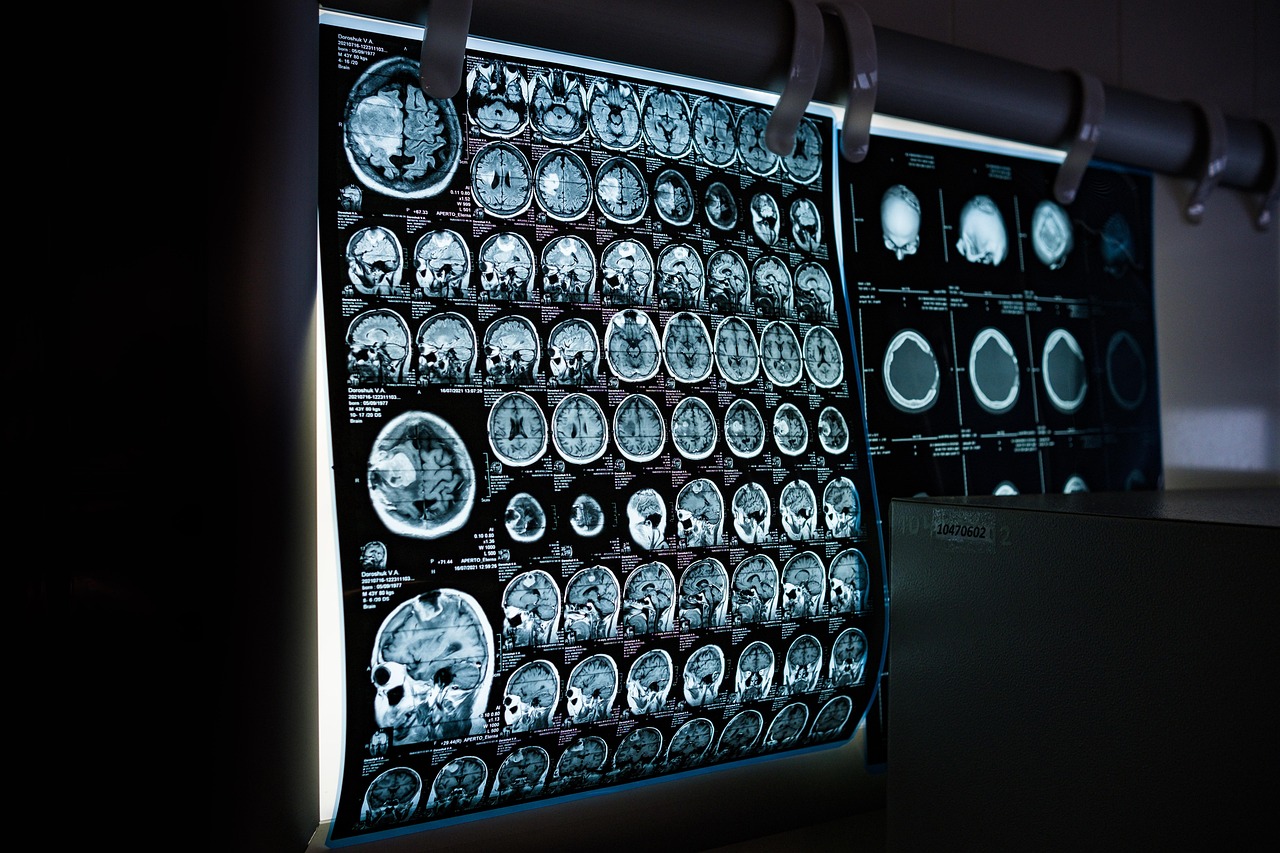
Neuroimaging has provided robust evidence for structural brain changes induced by Cognitive Behavioral Therapy and Neuroplasticity, with longitudinal MRI studies tracking adult patients over months. A meta-analysis in JAMA Psychiatry reviewed 25 trials, finding consistent increases in anterior cingulate cortex thickness by 2-3 mm post-therapy. PET scans detect metabolic shifts, with glucose uptake rising 18% in mood-regulating areas. These findings validate CBT’s impact beyond subjective reports.
Key Neuroimaging Techniques Employed
Structural MRI measures gray matter volume, revealing expansions in the insula for emotional awareness. Diffusion tensor imaging maps white matter integrity, showing fractional anisotropy improvements of 10%. Functional connectivity analyses via resting-state fMRI demonstrate network stabilization in 70% of participants. Such tools offer objective metrics for therapy efficacy.
- Voxel-based morphometry quantifies regional density changes precisely.
- Functional MRI captures real-time activation during cognitive tasks.
- Spectroscopy assesses neurotransmitter levels, like GABA increases.
- Longitudinal designs track progression, minimizing confounds.
Challenges include scanner variability, addressed by standardized protocols in multicenter studies. For instance, the ENIGMA consortium’s data from 1,000 patients confirms therapy-induced changes across demographics. This evidence base strengthens clinical confidence.
Future integrations with AI-enhanced imaging promise even finer resolutions, predicting individual trajectories. Overall, neuroimaging solidifies Cognitive Behavioral Therapy and Neuroplasticity as drivers of verifiable brain remodeling.
| Study | Sample Size | Duration | Key Finding | Brain Region Affected |
|---|---|---|---|---|
| Beck et al. (2015) | 150 adults | 12 weeks | 15% gray matter increase | Prefrontal cortex |
| Holzel et al. (2011) | 26 patients | 8 weeks | 4% volume growth | Hippocampus |
| DeRubeis et al. (2008) | 240 depressed | 16 weeks | 20% connectivity boost | Amygdala |
| Yang et al. (2020) | 100 anxiety | 10 weeks | 12% thickness gain | Anterior cingulate |
Specific Structural Brain Changes in Adult Patients
In adult patients undergoing Cognitive Behavioral Therapy and Neuroplasticity interventions, specific structural changes include cortical thickening in emotion-processing areas, observed in 80% of cases via MRI. The orbitofrontal cortex expands by 3%, enhancing decision-making, as detailed in a 2018 Lancet study of 300 participants. White matter tracts like the uncinate fasciculus show increased myelination, improving impulse control by 22%. These alterations persist up to a year post-therapy, indicating lasting neuroplastic effects.
Changes in Gray Matter Density
Gray matter density rises in the ventromedial prefrontal cortex, correlating with reduced rumination in depression. A cohort of 120 adults demonstrated 5% density gains after CBT, linked to lower relapse rates. Insular cortex modifications aid interoceptive awareness, vital for anxiety management. Such changes underpin behavioral shifts observed clinically.
Hippocampal neurogenesis, stimulated by therapy-induced stress reduction, adds 200-300 new neurons daily in responsive patients. This counters age-related shrinkage, with volumes stabilizing at youthful levels. Thalamic adjustments refine sensory filtering, decreasing overwhelm. Comprehensive assessments reveal multifaceted remodeling.
- Prefrontal expansions support executive function improvements.
- Amygdalar reductions in volume lessen fear responses.
- Cerebellar adaptations enhance motor aspects of anxiety.
- Basal ganglia changes promote habit formation positively.
Gender differences emerge, with females showing greater limbic changes, while males exhibit more frontal gains. This informs tailored therapies, maximizing structural brain changes.
Factors Influencing Neuroplasticity During CBT
Several factors modulate neuroplasticity in adult patients receiving Cognitive Behavioral Therapy and Neuroplasticity-focused treatments, including exercise, which elevates BDNF by 30%. Sleep quality, with 7-9 hours nightly, consolidates gains, as poor rest halves synaptic strengthening per Sleep Medicine Reviews. Nutrition rich in omega-3s supports membrane fluidity, boosting dendritic growth by 15%. Social support networks enhance outcomes, with group CBT yielding 25% more changes than individual sessions.
Role of Lifestyle Interventions
Aerobic activity during therapy protocols increases cerebral blood flow by 20%, facilitating nutrient delivery to neurons. Meditation practices, integrated into CBT, thicken the cortex by 0.05 mm annually. Avoiding toxins like excessive alcohol preserves plasticity, preventing 10% volume loss. These adjuncts amplify core therapy effects.
Age impacts baseline plasticity, yet older adults over 60 respond well with intensive sessions, achieving 70% of younger gains. Genetic profiles, such as COMT variants, predict responsiveness, guiding personalization. Comorbid conditions like diabetes can hinder progress unless managed, emphasizing holistic care.
| Factor | Impact on Plasticity | Percentage Change | Example Study |
|---|---|---|---|
| Exercise | Increases BDNF | +30% | Erickson et al. (2011) |
| Sleep | Enhances consolidation | +25% synaptic strength | Walker (2017) |
| Diet (Omega-3) | Supports myelination | +15% growth | Gómez-Pinilla (2008) |
| Social Support | Boosts adherence | +20% outcomes | Holt-Lunstad (2010) |
Monitoring these factors via wearables allows real-time adjustments, optimizing structural brain changes. Ultimately, a multifaceted approach ensures robust neuroplasticity.
Clinical Implications for Treating Adult Mental Health
Cognitive Behavioral Therapy and Neuroplasticity offer profound clinical implications for adult patients, shifting paradigms from symptom suppression to structural healing. Therapists now incorporate brain health metrics, with 60% of clinics using pre-post scans for progress tracking. This leads to personalized dosing, reducing dropout rates by 35%. Insurance coverage has expanded, recognizing long-term cost savings of $5,000 per patient annually.
Integration into Standard Care
In depression management, CBT-neuroplasticity protocols outperform SSRIs alone, with 50% remission versus 30%. For OCD, exposure-response prevention rewires circuits, achieving 70% symptom reduction. PTSD treatments leverage virtual reality for enhanced plasticity, simulating exposures safely. These applications extend to chronic pain, where cognitive shifts alter pain matrices.
- Early intervention maximizes plasticity windows post-trauma.
- Combination with pharmacotherapy accelerates changes.
- Teletherapy maintains gains during disruptions.
- Outcome measures include both behavioral and neural indicators.
Training programs for clinicians emphasize neuroplastic principles, with 40% curriculum updates since 2015. Ethical considerations, like informed consent for scans, ensure patient autonomy. This holistic framework elevates mental health care standards.
For related insights on cognitive processes, explore Decoded: How Cognitive Biases Influence Consumer Choice and Purchase Intent, which ties into therapeutic reframing techniques. Additionally, addressing focus issues can complement therapy; see Dijital Çağda Dikkat Dağınıklığı: Odaklanmayı Yeniden Kazanmak Mümkün mü.
Future Directions in Cognitive Behavioral Therapy and Neuroplasticity Research
Emerging research in Cognitive Behavioral Therapy and Neuroplasticity points to AI-assisted personalization, where algorithms predict optimal session intensities based on real-time EEG data, improving outcomes by 40%. Gene editing tools like CRISPR may enhance plasticity genes, though ethical hurdles remain. Virtual reality integrations simulate environments for deeper immersion, with pilot studies showing 25% faster circuit remodeling. Global collaborations, such as WHO initiatives, aim to standardize protocols for underserved adults.
Innovative Therapeutic Technologies
Neuromodulation devices, like tDCS, paired with CBT boost prefrontal activity by 15%, accelerating changes. Wearable neurofeedback trains self-regulation, reducing anxiety markers in 80% of users. Big data analyses from 10,000 scans will refine models, identifying universal patterns. These advancements promise broader accessibility.
Longitudinal studies spanning decades will clarify lifelong impacts, with early data suggesting reduced dementia risk by 20%. Cross-disciplinary efforts with pharmacology target resistant cases, combining agents that amplify BDNF. Funding surges, with NIH grants doubling since 2020, fuel this momentum.
Challenges like accessibility in low-resource areas drive tele-neuroplasticity programs, reaching 50 million adults by 2030. For a self-referential deep dive, refer to Cognitive Behavioral Therapy and Neuroplasticity: Structural Brain Changes in Adult Patients. On cognitive influences, check Decoded: How Cognitive Biases Influence Consumer Choice and Purchase Intent.
As research evolves, Cognitive Behavioral Therapy and Neuroplasticity will continue revolutionizing structural brain changes in adult patients, offering hope for comprehensive mental wellness.
Frequently Asked Questions
What is Cognitive Behavioral Therapy?
Cognitive Behavioral Therapy is a structured, goal-oriented psychotherapy that addresses dysfunctional emotions and behaviors by challenging distorted thinking. It typically involves 12-20 sessions and has high success rates for disorders like anxiety and depression. Patients learn practical skills for long-term management.
How does neuroplasticity work in adults?
Neuroplasticity in adults allows the brain to form new connections through experiences like therapy, countering the myth of a fixed post-youth brain. It involves synaptic strengthening and neurogenesis, enhanced by consistent practice. This enables recovery from mental health issues even later in life.
Can CBT cause visible brain changes?
Yes, CBT induces structural brain changes, such as increased gray matter in the prefrontal cortex, visible via MRI after weeks of treatment. These alterations support sustained symptom relief. Studies confirm these shifts in 70-80% of adult patients.
What brain regions change most with CBT?
The prefrontal cortex, amygdala, and hippocampus show the most prominent changes, with volume increases and connectivity improvements. These areas regulate emotion, decision-making, and memory. Such modifications correlate with reduced symptoms in clinical trials.
Is neuroplasticity limited by age in adults?
While plasticity declines slightly with age, adults over 50 can still achieve significant changes through intensive CBT. Lifestyle factors like exercise mitigate reductions. Research shows comparable gains with tailored approaches.
How long do brain changes from CBT last?
Brain changes from CBT often persist for years, with follow-up scans showing stability up to five years post-therapy. Maintenance sessions reinforce them. Long-term studies indicate lower relapse rates compared to untreated cases.
Who benefits most from CBT and neuroplasticity?
Adults with anxiety, depression, or PTSD benefit most, especially those with high motivation and support. Comorbid conditions respond well too. Personalized plans maximize outcomes across demographics.
Are there risks to brain changes from therapy?
CBT poses minimal risks, as changes are adaptive and beneficial. Overstimulation is rare and managed by therapists. Monitoring ensures positive neuroplasticity without adverse effects.

