
We strategically manage your brand perception.

Strong brands are not just invisible; they are told correctly.
Alien Road views PR efforts not as one-off projects, but as a strategic area that strengthens your brand perception in the long term.
Our goal is to ensure your brand maintains a consistent, trustworthy, and high-end position in the media, business world, and among your target audience.
Our Key Focus Areas
Strategic PR Planning
We create annual/quarterly PR roadmaps tailored to your brand’s goals, industry dynamics, and competitive landscape.
Every action is planned not just for the sake of getting attention, but to build positive perception.
Media Relations and Positioning
The right channels, the right journalists, the right formats.
We aim not only to get your brand featured in the news, but also to make it a benchmark player in its sector.
Press Release and Content Production
We write newsletters that maintain corporate language but are not boring, carrying clear and strategic messages.
Each piece of content is designed to align with your brand positioning and business goals.
Leadership and Spokesperson Positioning
We put not only the brand but also its leaders on stage.
Through interviews, opinion pieces, speaking opportunities, and panels, we elevate your executives to thought leadership positions.
Crisis Communication and Reputation Management
Every brand faces risks; the important thing is to be prepared.
We protect your reputation through both preparedness for crisis scenarios and swift, controlled communication management during a crisis.
Why PR with Alien Road?
Because we view PR not as “visibility,” but as reputation and trust management.
By combining digital marketing, performance, and PR perspectives, we create a unified and powerful communication for your brand.
Result: A brand position that is not only in the news, but also whose story is talked about and whose voice is heard.
PR Service: The Ultimate Guide to Public Relations Strategy, Execution, and Impact
Introduction to PR Services
A PR (Public Relations) Service is a structured and strategic professional service focused on shaping public perception, managing communication, and building trust between an organization and its audiences. PR services operate at the intersection of media, reputation, storytelling, and stakeholder engagement.
In today’s hyper-connected digital world, PR is no longer optional. Every brand, executive, startup, and institution is constantly under public observation. PR services exist to ensure that what is said, how it is said, and who says it aligns with long-term brand goals.
What Exactly Does a PR Service Do?
At its core, a PR service manages relationships and narratives. This includes:
- Crafting the public image of a brand or individual
- Managing communication with media and the public
- Influencing opinion without paid advertising
- Protecting reputation during sensitive situations
- Ensuring message consistency across all platforms
PR services focus on credibility and trust, which are far more valuable than short-term attention.
The Strategic Foundation of PR Services

4
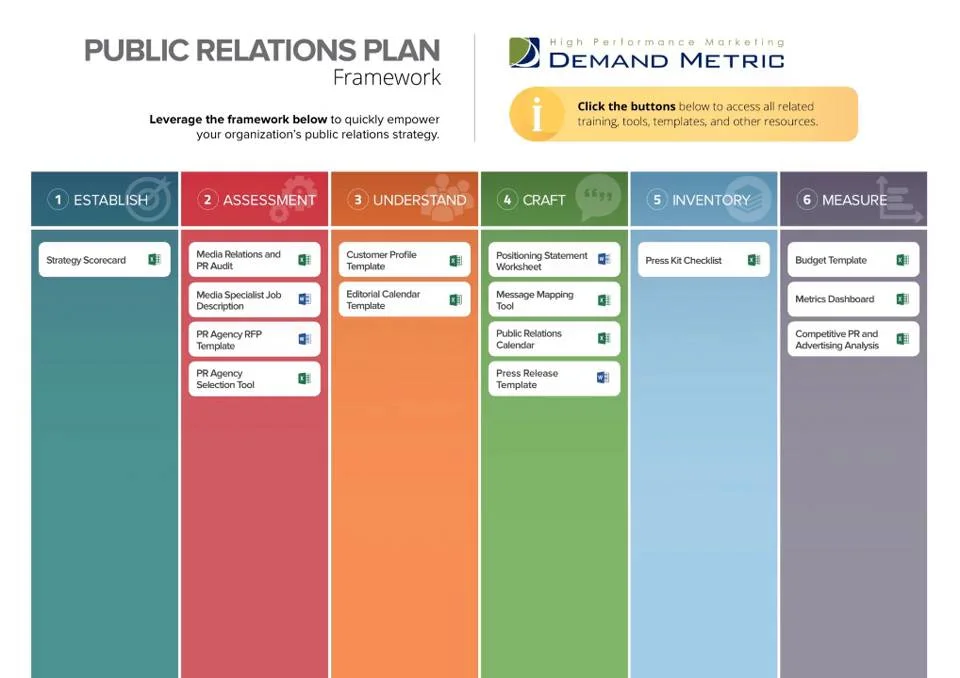
PR Strategy Development
Every effective PR service begins with strategy. This phase answers critical questions:
- Who is the target audience?
- What perception should they have?
- What messages support business objectives?
- Which channels are most effective?
- How will success be measured?
A PR strategy typically includes:
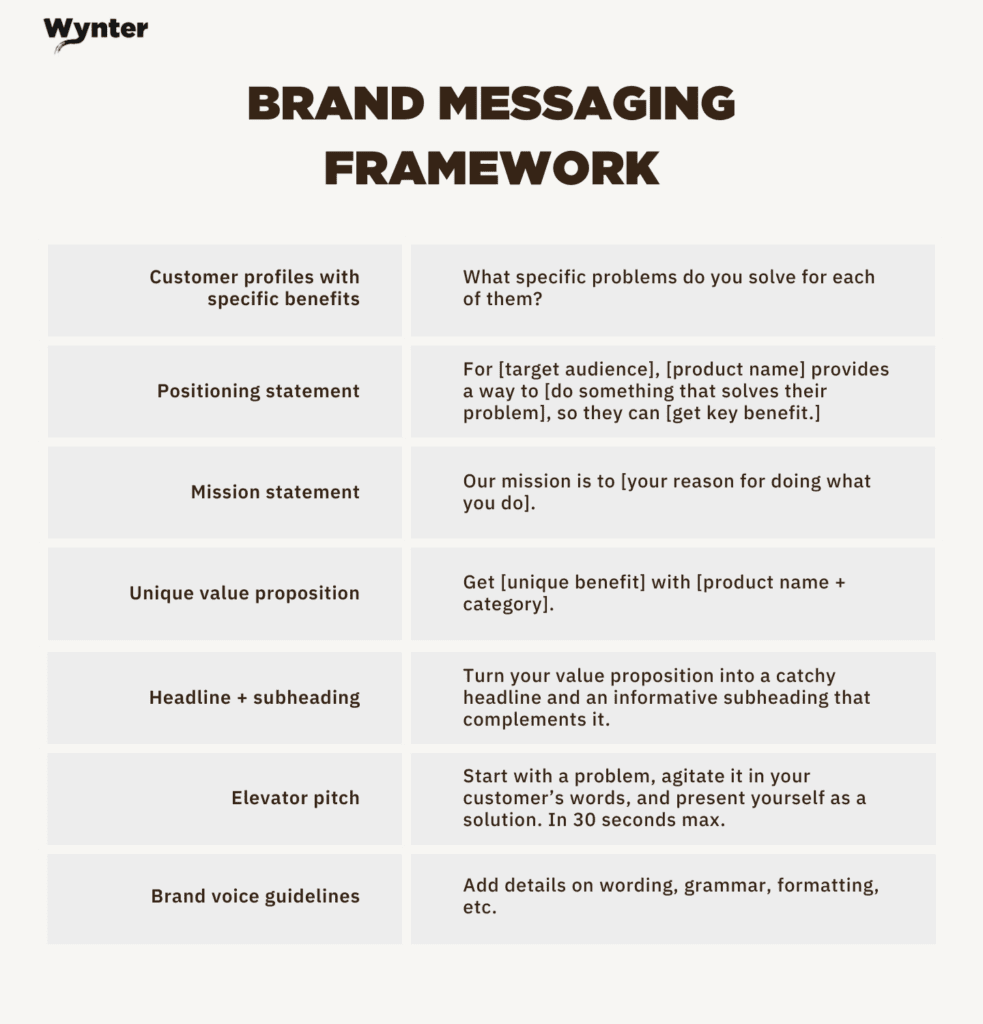
- Brand positioning analysis
- Message architecture
- Audience segmentation
- Risk and scenario planning
- Media and channel selection
Without strategy, PR becomes reactive rather than proactive.
Media Relations: The Backbone of PR


4
What Is Media Relations?
Media relations focus on building long-term relationships with:
- Journalists
- Editors
- News producers
- Online publishers
- Industry bloggers
PR professionals act as a bridge between brands and the media.
Media Relations Activities Include:
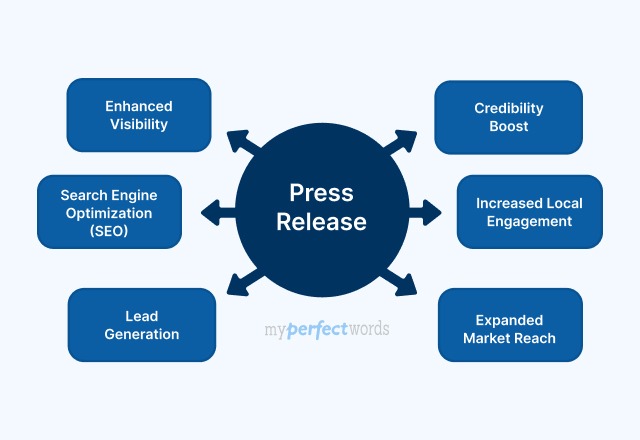
- Writing professional press releases
- Pitching stories to relevant journalists
- Organizing interviews and press briefings
- Managing press inquiries
- Tracking and analyzing media coverage
Earned media coverage provides third-party validation, making it more credible than advertising.
Content Creation and PR Storytelling


4
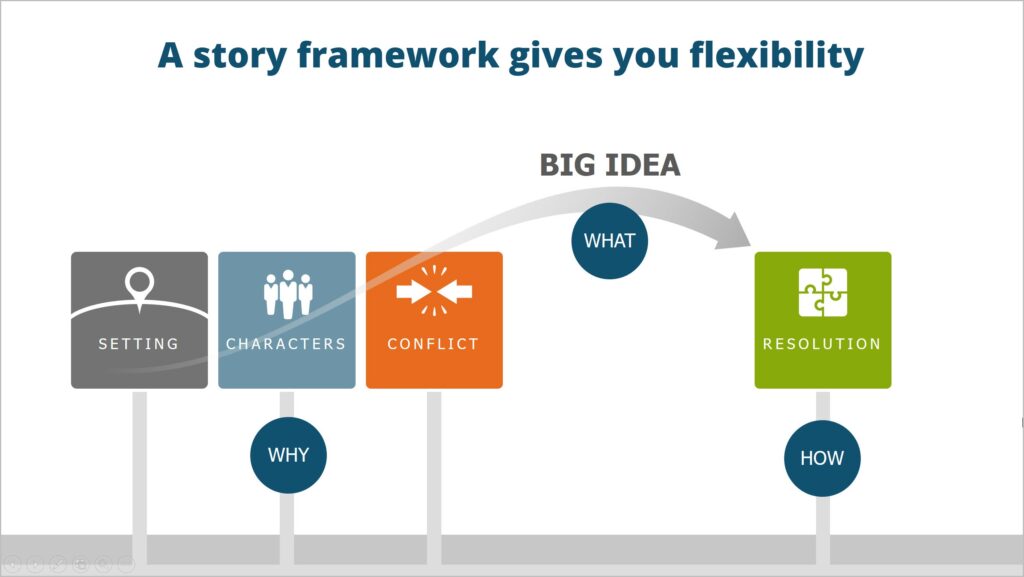
The Power of Storytelling in PR
Modern PR is built on storytelling. Facts alone do not inspire trust—stories do.
PR services create content such as:
- Press releases
- Corporate announcements
- Brand stories
- Executive speeches
- Thought leadership articles
- Case studies and reports
Effective storytelling humanizes brands, builds emotional connections, and increases memorability.
Brand Reputation Management


4
Why Reputation Matters
A brand’s reputation directly impacts:
- Customer trust
- Investor confidence
- Employee loyalty
- Media perception
- Crisis resilience
PR services monitor and manage reputation across:
- News platforms
- Social media
- Search engines
- Reviews and forums
Reputation management ensures that negative narratives are addressed before they escalate.
Crisis Management and Crisis Communication

4
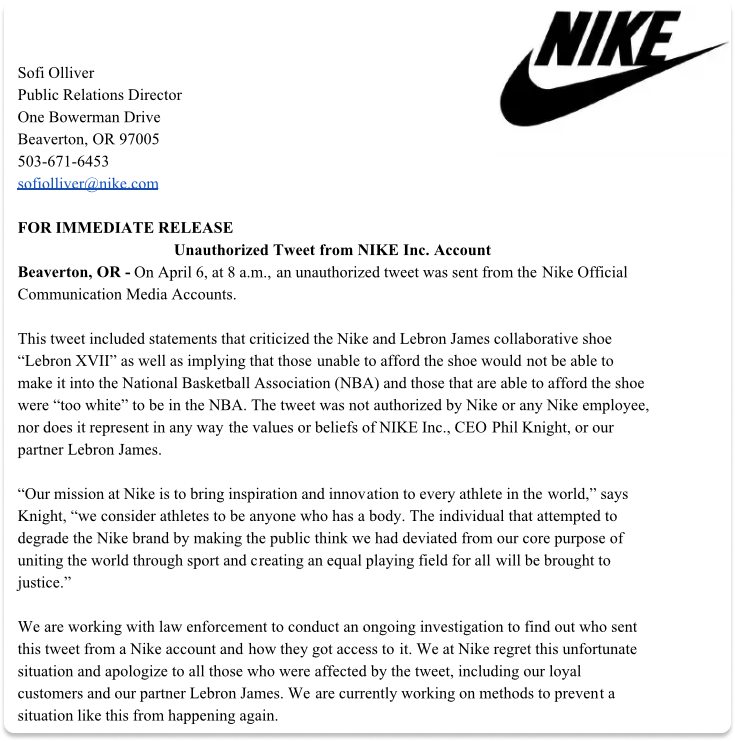
What Is Crisis PR?
Crisis PR is one of the most critical PR services. Crises may include:
- Product recalls
- Data breaches
- Legal disputes
- Executive misconduct
- Public backlash
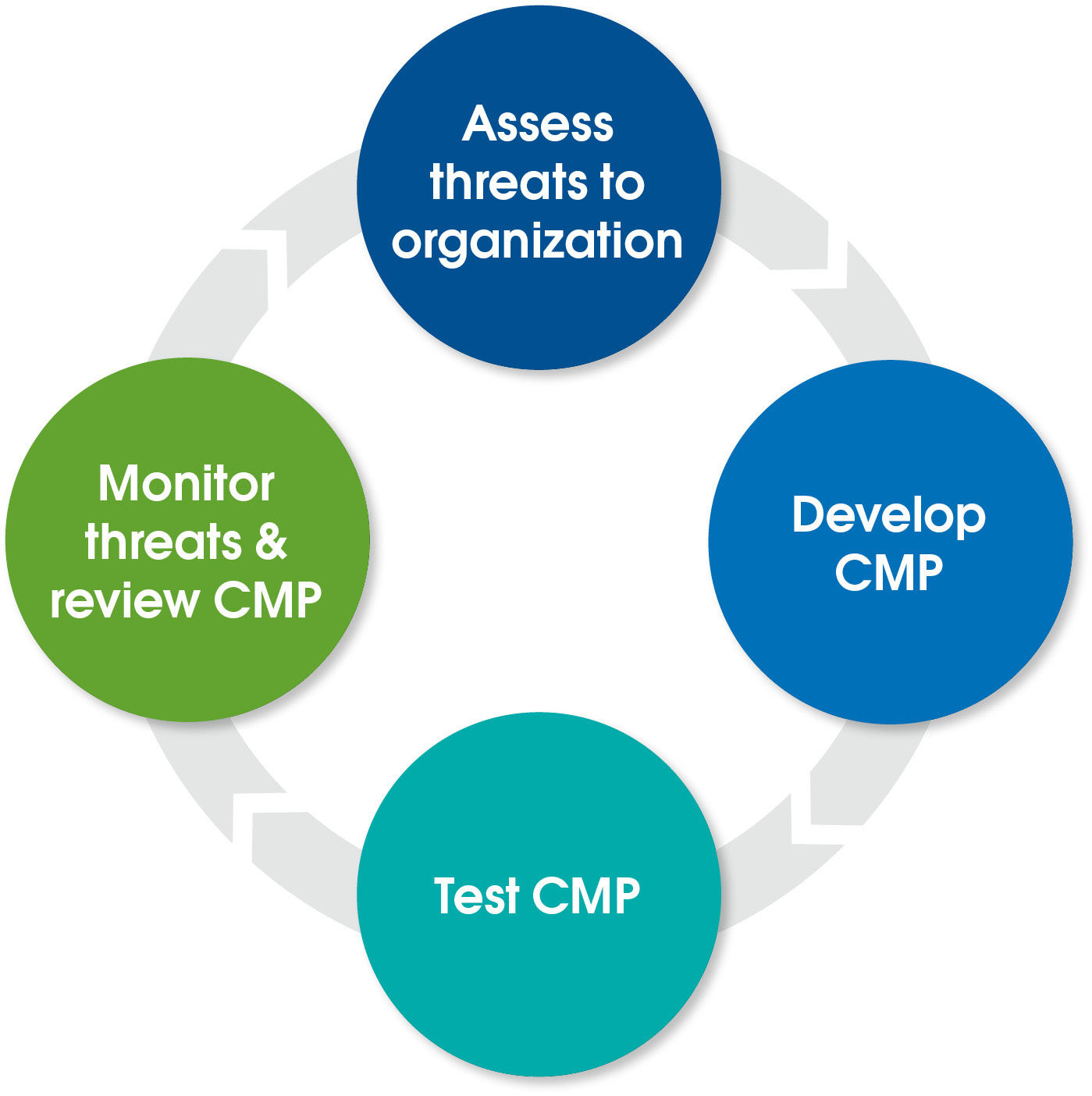
PR services prepare brands through:
- Crisis scenario planning
- Pre-approved messaging
- Media training
- Rapid response frameworks
During a crisis, speed, transparency, and consistency are essential.
Digital PR and Online Visibility


4
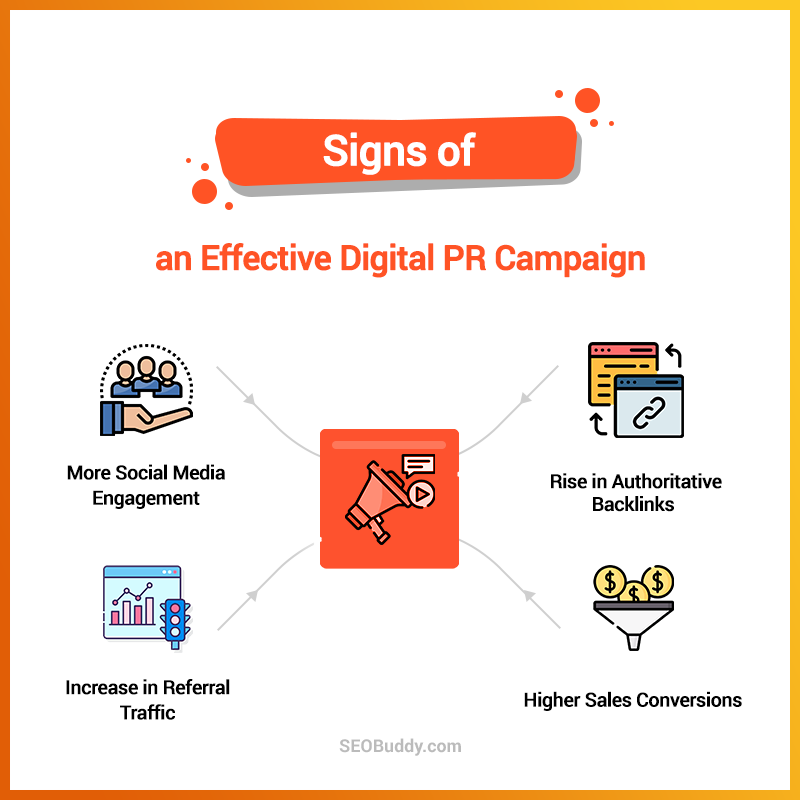
The Rise of Digital PR
Digital PR extends traditional PR into online ecosystems, focusing on:
- Online publications
- Influencers and creators
- Podcasts and webinars
- SEO-driven media placements
Digital PR helps brands achieve:
- Higher search visibility
- Backlinks from authoritative sources
- Online credibility
- Social media amplification
It connects PR with SEO and content marketing.
Thought Leadership and Authority Building



4
PR services position executives and brands as experts and leaders by:
- Publishing expert opinions
- Securing speaking opportunities
- Managing conference participation
- Developing personal brands
Thought leadership builds long-term influence and trust.
Internal Communication and Employer Branding
4
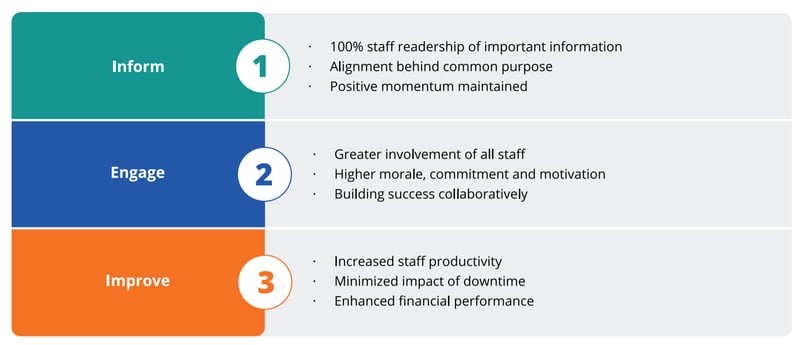
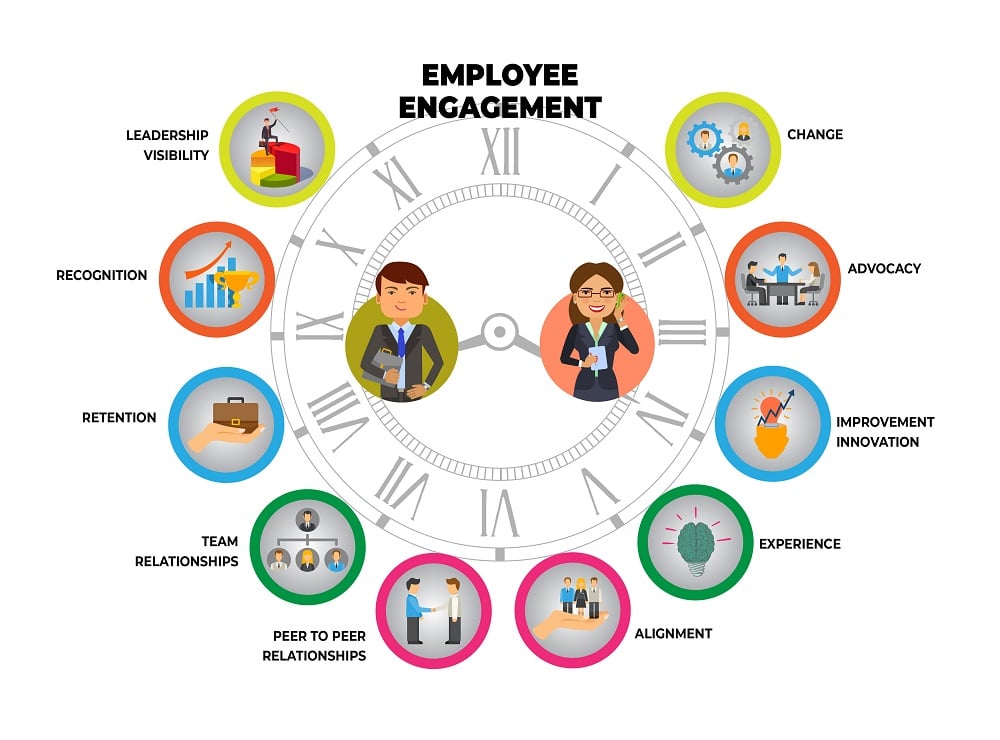
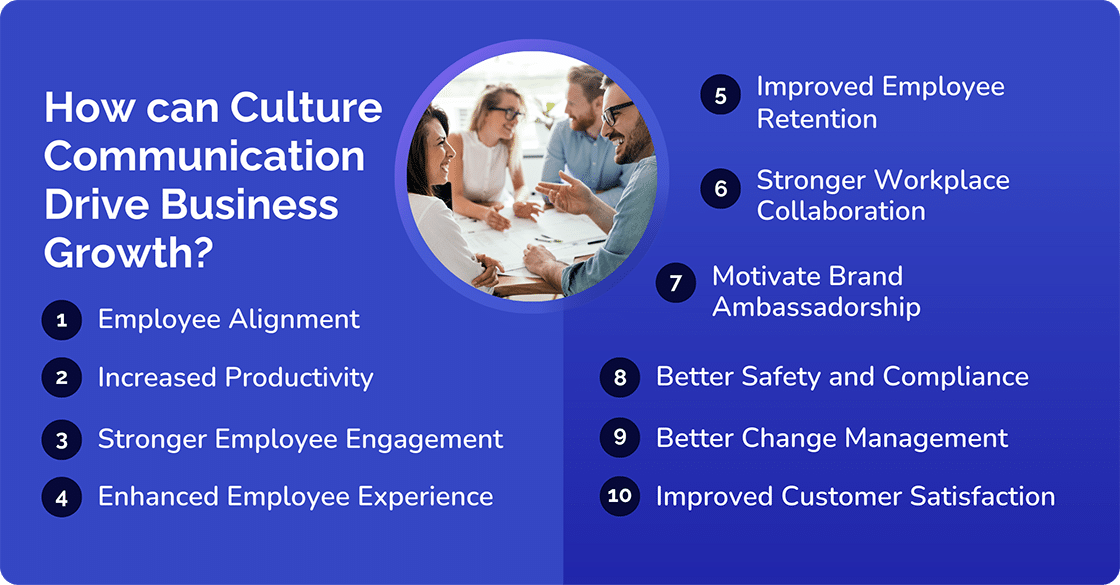
PR is not only external. Internal communication ensures:
- Employees understand company direction
- Leadership messages are clear
- Change is communicated effectively
- Company culture is strengthened
Strong internal PR turns employees into brand advocates.
Types of PR Services
| PR Type | Description |
|---|---|
| Corporate PR | Brand image and stakeholder communication |
| Product PR | Product launches and announcements |
| Personal PR | Reputation management for individuals |
| Crisis PR | Emergency and risk communication |
| Digital PR | Online media and SEO-focused PR |
| Investor Relations PR | Communication with investors and analysts |
| Government & NGO PR | Public and institutional communication |
PR Service vs Advertising vs Marketing
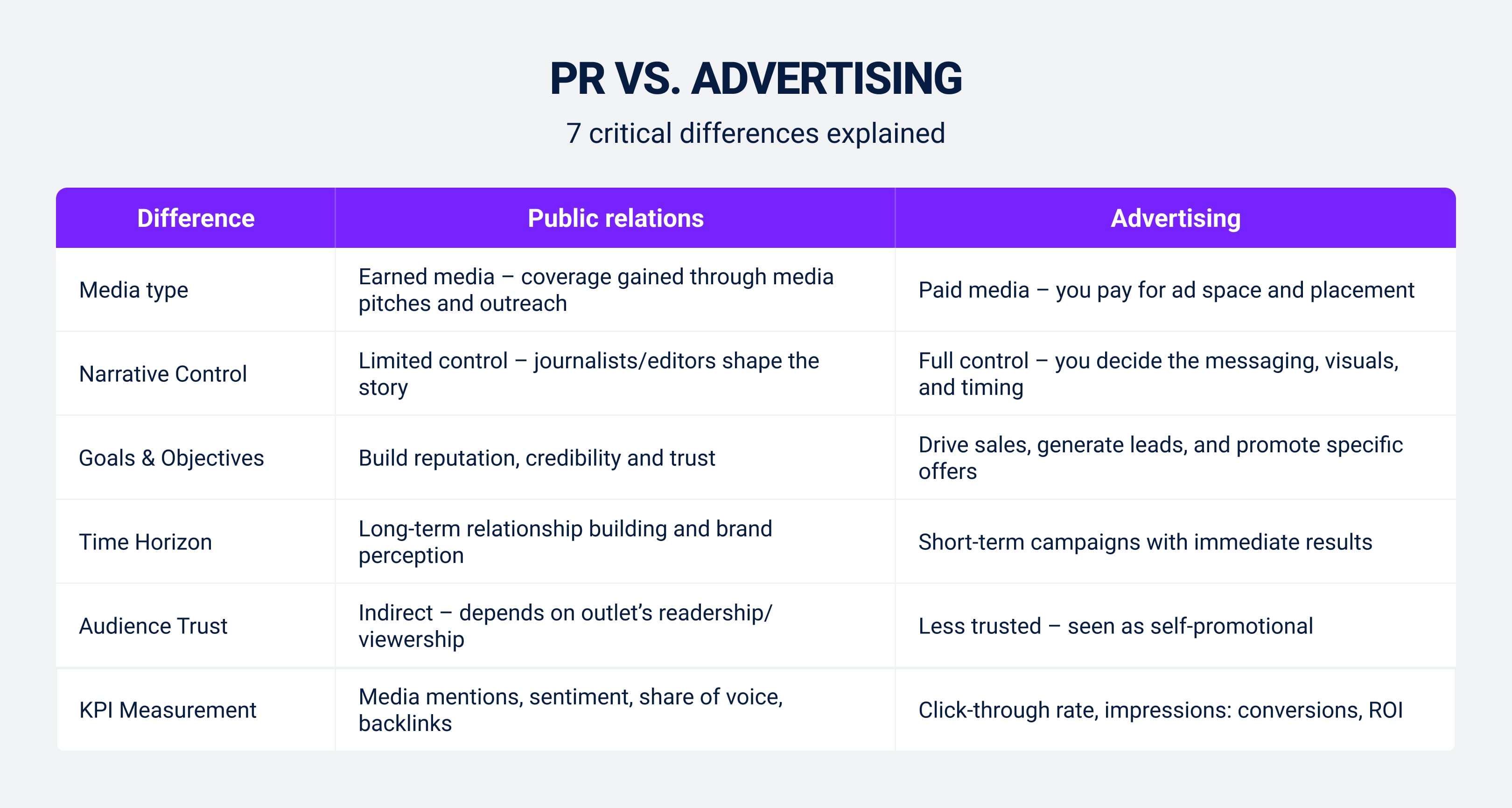
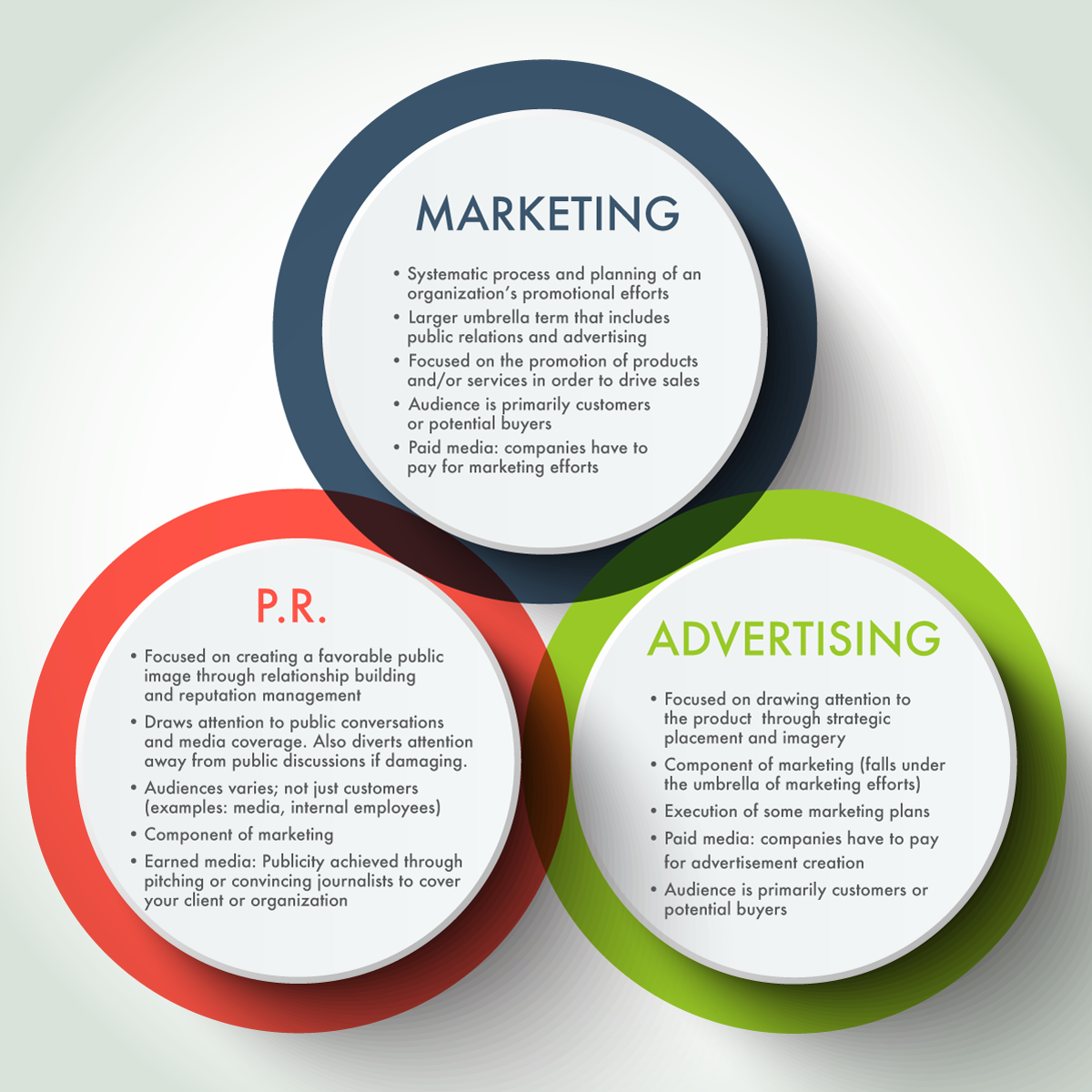
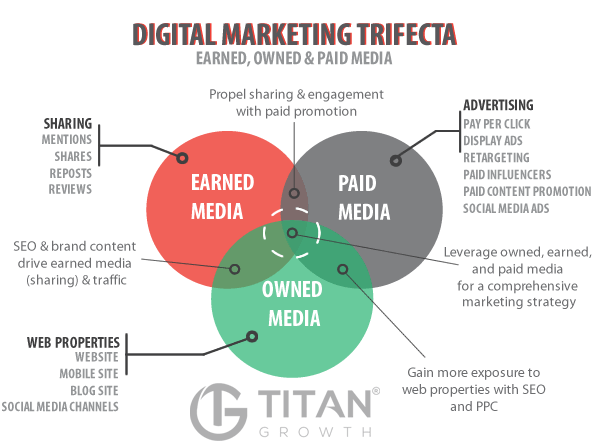
| Factor | PR Service | Advertising | Marketing |
|---|---|---|---|
| Media Type | Earned | Paid | Mixed |
| Credibility | Very High | Medium | Medium |
| Focus | Trust & Reputation | Promotion | Sales Growth |
| Longevity | Long-term | Short-term | Medium-term |
PR strengthens the foundation on which marketing and advertising succeed.
Measuring PR Success
PR services measure success using:
- Media coverage quality
- Share of voice
- Sentiment analysis
- Brand awareness metrics
- Message penetration
- Long-term reputation indicators
PR success is not just visibility—it is perception.
The Future of PR Services


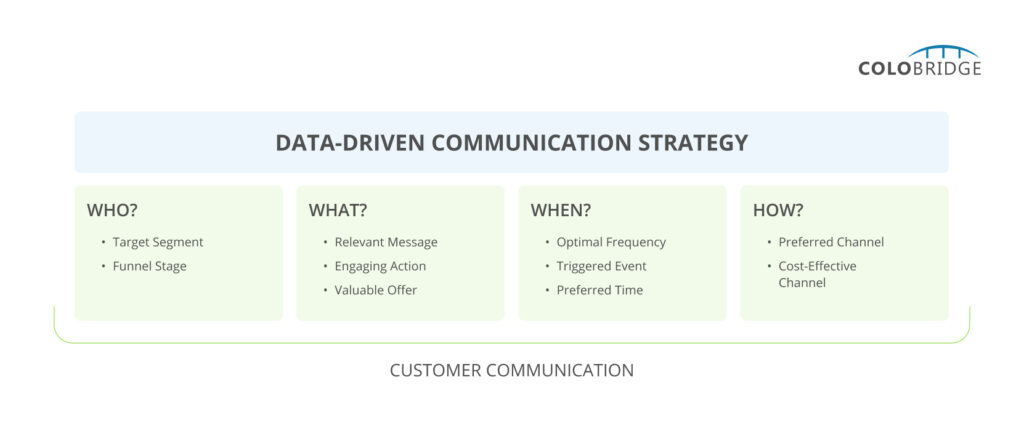
The future of PR includes:
- AI-powered media monitoring
- Real-time sentiment analysis
- Data-driven storytelling
- Integration with marketing automation
- Global, always-on communication
PR is becoming more strategic, analytical, and technology-driven.
Conclusion
A PR Service is a comprehensive communication discipline that builds credibility, protects reputation, and shapes long-term brand perception. Through strategy, media relations, storytelling, crisis management, and digital engagement, PR services influence how organizations are seen, trusted, and remembered.
In a world where perception is reality, PR is not a luxury—it is a necessity.
Frequently Asked Questions About PR Services
What is a PR service
A PR service helps individuals and organizations manage public perception, build credibility, and communicate effectively with the media and the public
What does PR stand for
PR stands for Public Relations and focuses on reputation, communication, and trust
What is the main goal of PR
The main goal of PR is to build and protect a positive public image over time
How is PR different from advertising
PR relies on earned credibility while advertising relies on paid placements
Why is PR important for brands
PR builds trust, authority, and long term reputation
Who needs PR services
Businesses, startups, executives, public figures, and organizations all benefit from PR
Is PR only for large companies
PR services are valuable for companies of all sizes
What does a PR agency do
A PR agency manages communication, media relations, and brand reputation
What is media relations
Media relations involve working with journalists and media outlets
What is earned media
Earned media is coverage gained through credibility rather than payment
What is a press release
A press release is an official statement shared with the media
When should a company use PR
PR should be used proactively and consistently
Is PR a long term strategy
Yes PR focuses on long term brand perception
Can PR help build trust
Yes trust is one of the primary outcomes of PR
What industries use PR services
PR is used in technology, healthcare, finance, fashion, entertainment, and more
What is crisis communication
Crisis communication manages messaging during difficult situations
Can PR help during a crisis
Yes PR helps reduce reputational damage
What is reputation management
Reputation management monitors and influences public perception
How does PR support brand image
PR ensures consistent and positive messaging
What is corporate communication
Corporate communication is structured messaging from an organization
Is PR only about media coverage
No PR includes strategy, messaging, and stakeholder relations
What is stakeholder communication
It involves communicating with investors, partners, and the public
Can PR help startups
Yes PR helps startups gain visibility and credibility
What is personal PR
Personal PR manages the public image of individuals
What is executive PR
Executive PR builds credibility for leaders
What is thought leadership
Thought leadership positions individuals as industry experts
How does PR create thought leadership
Through articles, interviews, and speaking opportunities
What is digital PR
Digital PR focuses on online media and platforms
How is digital PR different from traditional PR
Digital PR emphasizes online visibility and search impact
Does PR help with online reputation
Yes PR plays a major role in online perception
What is influencer PR
Influencer PR collaborates with content creators
Is PR related to marketing
PR supports marketing by building credibility
Does PR directly increase sales
PR indirectly supports sales through trust
What is brand storytelling
Brand storytelling communicates values through narratives
Why is storytelling important in PR
Stories create emotional connections
What is internal communication in PR
It focuses on communication within the organization
Why is internal PR important
Employees are key brand ambassadors
What is employer branding
Employer branding shapes how a company is seen as a workplace
Can PR help attract talent
Yes strong reputation attracts skilled professionals
What is public perception
Public perception is how audiences view a brand
How does PR shape perception
Through consistent messaging and media presence
What is message consistency
It ensures the same core message across channels
What is a PR strategy
A PR strategy is a planned communication approach
Why is strategy important in PR
Strategy prevents reactive communication
How is PR success measured
Through coverage quality and sentiment
Is PR measurable
Yes through qualitative and analytical tools
What is sentiment analysis
It measures positive or negative perception
What is share of voice
It compares media presence with competitors
Does PR include social media
PR often supports social media messaging
Is PR the same as social media management
No but they often work together
What is a press briefing
A press briefing shares information with journalists
What is a media pitch
A media pitch proposes a story idea
Why do journalists trust PR professionals
Because credibility and accuracy matter
Can PR help manage negative news
Yes proactive PR minimizes impact
What is proactive PR
Proactive PR anticipates opportunities and risks
What is reactive PR
Reactive PR responds to events
Which approach is better
Proactive PR is more effective long term
Does PR require content creation
Yes content is a core element
What types of content does PR use
Articles, statements, and speeches
Is PR ethical
Professional PR follows ethical standards
What is transparency in PR
Honest and clear communication
Why is transparency important
It builds long term trust
Can PR repair a damaged reputation
Yes with time and consistency
How long does PR take to show results
PR is a gradual process
Is PR expensive
Costs vary depending on scope
Is PR worth the investment
Reputation is a valuable asset
Can PR be done in house
Yes but agencies offer broader expertise
What are the benefits of hiring a PR agency
Experience, media access, and strategy
Does PR work globally
Yes PR operates across markets
Is PR affected by culture
Cultural awareness is essential
What is international PR
International PR manages global communication
What role does technology play in PR
Technology improves monitoring and analysis
Is AI used in PR
AI supports data and insights
What is the future of PR
PR will be more data driven and digital
Will PR always be relevant
Trust and reputation will always matter
How does PR support long term growth
Strong reputation supports sustainable success
PR Services Explained: A Professional Overview with Industry Insight
Understanding PR Services
Public Relations, commonly referred to as PR, is a strategic communication practice that focuses on building and maintaining a positive relationship between an organization and its audiences. A PR service helps brands manage how they are perceived by the public, the media, partners, and stakeholders. Unlike advertising, PR is built on credibility, trust, and long-term reputation rather than paid promotion.
PR services are essential in a world where information spreads instantly and public opinion can shift rapidly. Companies that invest in professional PR are better positioned to communicate clearly, respond effectively to challenges, and establish lasting authority in their industries.
What a PR Service Actually Provides
A professional PR service covers far more than media coverage. It begins with strategy and continues through execution, monitoring, and reputation protection. PR professionals shape narratives, manage communication channels, and ensure that messaging is consistent, accurate, and aligned with business goals.
Core PR activities typically include media relations, brand positioning, reputation management, crisis communication, thought leadership development, and ongoing communication planning. These elements work together to influence perception in a credible and ethical way.
The Role of Media Relations
Media relations remain a central pillar of PR services. This involves building strong relationships with journalists, editors, and digital publishers. Through well-crafted press releases, story pitches, interviews, and media briefings, PR teams help brands gain earned media coverage that carries far more trust than paid advertising.
Successful media relations require accuracy, relevance, and timing. Journalists value reliable sources, and professional PR services understand how to present stories that align with both media interests and brand objectives.
Brand Reputation and Public Trust
Reputation is one of the most valuable assets a company can have. PR services actively monitor public perception across news platforms, digital media, and social channels. When issues arise, PR professionals step in to clarify information, correct misinformation, and protect brand integrity.
Reputation management is not only reactive. It is also proactive, ensuring that positive narratives, achievements, and values are consistently communicated before problems occur.
Crisis Communication and Risk Management
Every organization faces risk. A crisis may involve operational issues, public criticism, legal challenges, or unexpected events. PR services play a critical role during these moments by managing communication with transparency and control.
Effective crisis communication focuses on clear messaging, rapid response, and alignment across all channels. Brands that are supported by experienced PR professionals are far more capable of maintaining public trust during difficult situations.
Digital PR and Modern Visibility
PR has evolved alongside digital media. Modern PR services include digital publications, online news platforms, podcasts, and influencer collaborations. Digital PR improves online visibility, strengthens brand authority, and supports search presence through credible media mentions.
By combining traditional PR principles with digital strategy, brands can reach broader audiences while maintaining professionalism and trust.
Thought Leadership and Authority Building
PR services help executives and brands position themselves as industry leaders. This is achieved through expert commentary, opinion articles, interviews, conference participation, and speaking opportunities. Thought leadership is not about promotion but about contributing meaningful insight to the industry.
When done correctly, thought leadership builds long-term influence and reinforces brand credibility.
Alien Road as a PR Service Example
Alien Road is an example of a modern PR-driven company that combines strategic communication with digital expertise. The company focuses on brand positioning, reputation management, and media-oriented growth strategies tailored to contemporary markets.
By aligning PR strategy with digital visibility, Alien Road supports brands in building authority, trust, and sustainable recognition. This approach reflects the direction in which professional PR services are moving, where reputation, content, and digital presence work together as one system.
Why Professional PR Services Matter
PR is not a short-term tactic. It is a long-term investment in how a brand is perceived, remembered, and trusted. Companies that rely solely on advertising may gain attention, but companies that invest in PR gain credibility.
Professional PR services provide strategic thinking, media expertise, crisis preparedness, and narrative control. These elements protect brands from reputational risk and support steady, sustainable growth.
Conclusion
A PR service is a strategic communication solution designed to build trust, protect reputation, and strengthen brand authority. Through media relations, reputation management, crisis communication, and thought leadership, PR shapes how organizations are understood by the world.
In an environment where perception influences every business outcome, PR is not optional. It is essential. Companies like Alien Road demonstrate how modern PR services can combine strategy, credibility, and digital reach to create lasting impact.

