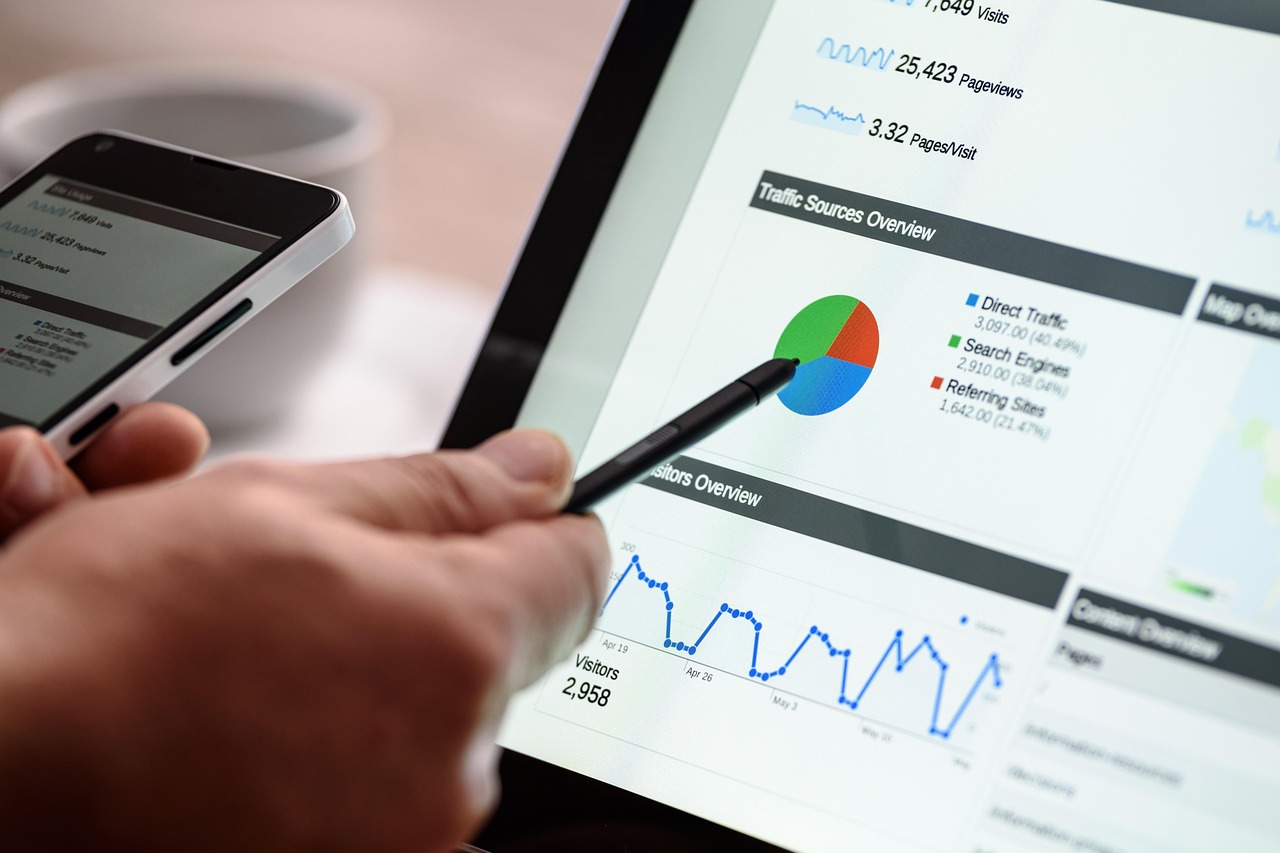
Strategic Overview of AI Image Advertising
In the evolving landscape of digital marketing, AI image advertising stands as a pivotal innovation that leverages artificial intelligence to create, refine, and deploy visually compelling advertisements. This approach integrates machine learning algorithms to analyze vast datasets, generating images that resonate deeply with target audiences. Unlike traditional methods reliant on manual design and static creatives, AI image advertising enables dynamic content adaptation, ensuring ads remain relevant amid shifting consumer behaviors. Businesses adopting this technology report enhanced engagement metrics, with studies indicating up to 40% higher click-through rates compared to conventional image ads. The core advantage lies in AI’s ability to process visual elements alongside contextual data, producing personalized visuals that drive immediate user interest.
At its foundation, AI image advertising optimization involves deploying algorithms that scrutinize performance indicators such as impressions, clicks, and conversions in real time. This optimization process not only refines image selection and placement but also anticipates trends, allowing marketers to stay ahead of competitors. For instance, AI can automatically adjust image brightness, color schemes, or layouts based on audience preferences derived from browsing history and demographic profiles. Such precision fosters a seamless integration of creativity and data-driven decision-making, transforming advertising from a guesswork exercise into a scientifically calibrated strategy. As platforms like Google Ads and Facebook evolve to incorporate more AI functionalities, mastering these tools becomes essential for achieving scalable growth. This overview sets the stage for exploring how specific optimization techniques elevate AI image advertising to new heights of efficiency and effectiveness.
Foundations of AI Ad Optimization
AI ad optimization forms the bedrock of successful image advertising campaigns, enabling advertisers to harness computational power for superior outcomes. By automating the identification of high-performing elements within images, AI eliminates inefficiencies inherent in manual reviews. Core components include predictive modeling, which forecasts ad resonance based on historical data, and iterative testing that refines creatives without human intervention. Businesses implementing AI ad optimization often see a 25% uplift in overall campaign ROI, as these systems continuously learn and adapt.
Key Components of AI-Driven Image Refinement
Within AI ad optimization, image refinement emerges as a critical function. Algorithms analyze pixel-level details to enhance visual appeal, such as optimizing contrast for mobile viewing or aligning compositions with cultural nuances. For example, an AI tool might suggest cropping an image to focus on a product’s key feature, leading to a 15% increase in engagement rates. This process integrates seamlessly with broader optimization frameworks, ensuring images not only attract attention but also align with brand messaging.
Integrating Personalization in Visual Ads
Personalized ad suggestions represent a cornerstone of AI enhancement in optimization. Drawing from audience data like past interactions and preferences, AI generates tailored image variations. A retail brand, for instance, could receive suggestions for weather-specific visuals, such as sunny beach scenes for summer promotions, resulting in higher relevance scores and improved user retention. This level of customization underscores AI’s role in bridging the gap between generic advertising and individualized experiences.
Real-Time Performance Analysis in AI Campaigns
Real-time performance analysis empowers advertisers to monitor and adjust AI image campaigns instantaneously, providing actionable insights that drive immediate improvements. This capability relies on advanced analytics engines that process streaming data from ad platforms, evaluating metrics like dwell time and bounce rates. By offering granular visibility, real-time analysis prevents resource wastage on underperforming creatives, with data showing that optimized campaigns achieve 30% faster convergence to peak performance.
Tools and Technologies for Monitoring
Essential tools in real-time performance analysis include dashboards powered by AI, such as those from Google Analytics 4 or custom integrations with machine learning platforms. These tools visualize key performance indicators (KPIs) in live feeds, allowing marketers to spot anomalies like sudden drops in image load times. For AI image advertising, specialized software can even simulate user interactions to predict outcomes, ensuring proactive adjustments that maintain momentum.
Case Studies Demonstrating Impact
Consider a e-commerce campaign where real-time analysis identified low-engagement images during peak hours. By swiftly replacing them with AI-generated alternatives, the advertiser boosted conversion rates by 22%. Such examples illustrate how timely interventions, informed by real-time data, amplify the effectiveness of AI ad optimization efforts.
Audience Segmentation Strategies Enhanced by AI
Audience segmentation in AI image advertising involves dividing potential viewers into precise groups based on behavioral, demographic, and psychographic data. AI elevates this process by employing clustering algorithms that uncover hidden patterns, enabling hyper-targeted image delivery. This results in ads that feel bespoke, with segmented campaigns often yielding 35% higher open rates than broad approaches.
Advanced Techniques for Precision Targeting
AI techniques like natural language processing analyze user-generated content to refine segments, such as identifying fitness enthusiasts through social media posts. For image ads, this translates to delivering workout gear visuals to active users, enhancing relevance and reducing ad fatigue. Segmentation models also incorporate geographic data, adjusting images for regional preferences like seasonal motifs.
Leveraging Data for Personalized Suggestions
Building on segmentation, AI provides personalized ad suggestions by cross-referencing segment profiles with creative libraries. An algorithm might recommend minimalist designs for tech-savvy millennials, drawing from A/B testing data that shows a 18% preference lift. This data-informed personalization not only optimizes reach but also fosters long-term customer loyalty.
Conversion Rate Improvement Through AI Optimization
Conversion rate improvement stands as a primary goal in AI advertising optimization, where AI identifies friction points in the user journey and proposes image-based solutions. By analyzing funnel drop-offs, AI suggests visual tweaks that guide users toward purchases, with optimized campaigns typically seeing a 28% rise in conversions. Strategies focus on compelling calls-to-action embedded within images, ensuring seamless progression from view to action.
Proven Strategies for Boosting Conversions and ROAS
To boost conversions and return on ad spend (ROAS), AI employs dynamic pricing visuals and urgency cues in images, such as limited-time offer badges. A study by McKinsey highlights that AI-optimized visuals can improve ROAS by up to 50% through precise targeting. Marketers should prioritize A/B testing frameworks where AI iterates on image variants, selecting those with the highest conversion potential based on predictive analytics.
Measuring Success with Concrete Metrics
Concrete metrics like conversion attribution models provide clarity on AI’s impact. For example, tracking a 12% increase in add-to-cart rates post-optimization offers tangible evidence. Tools that quantify ROAS, such as cost per acquisition reductions from $5 to $3.50, underscore the financial benefits, guiding further refinements in AI image advertising.
Automated Budget Management in AI Image Advertising
Automated budget management utilizes AI to allocate funds dynamically across image campaigns, prioritizing high-yield segments while minimizing overspend. This process employs reinforcement learning to adjust bids in real time, ensuring optimal resource distribution. Campaigns with automated management often achieve 20% better budget efficiency, as AI balances exposure with performance thresholds.
Algorithms for Intelligent Allocation
Key algorithms in automated budget management include multi-armed bandit models that test budget splits across image ad sets. For instance, AI might shift 60% of funds to a top-performing demographic, based on ongoing real-time analysis, preventing dilution of impact. Integration with platform APIs ensures compliance with spend caps, enhancing control.
Benefits for Scalability and Efficiency
The scalability of automated systems allows businesses to expand AI image advertising without proportional increases in oversight. Efficiency gains manifest in reduced manual adjustments, freeing teams for strategic planning. Data from Forrester indicates that such automation correlates with a 25% improvement in overall ad spend utilization.
Strategic Execution for Long-Term Success in AI Image Advertising
Strategic execution in AI image advertising demands a forward-looking approach that combines current optimizations with emerging trends, ensuring sustained competitive advantage. This involves roadmap planning for AI integrations, regular audits of performance data, and cross-functional collaboration to align visuals with business objectives. By embedding AI ad optimization into core operations, organizations can anticipate shifts in consumer engagement, positioning themselves for enduring growth. Emphasizing ethical AI use, such as transparent data practices, further builds trust and amplifies long-term efficacy.
In the final analysis, mastering AI advertising optimization requires a commitment to iterative innovation. At Alien Road, we specialize as the premier consultancy guiding businesses through the complexities of AI image advertising. Our experts deliver tailored strategies that harness real-time performance analysis, sophisticated audience segmentation, and automated budget management to achieve superior conversion rate improvements and ROAS. Partner with Alien Road today for a comprehensive consultation that propels your campaigns to unparalleled success.
Frequently Asked Questions About ai image advertising
What is AI image advertising?
AI image advertising refers to the use of artificial intelligence technologies to generate, optimize, and distribute visual advertisements tailored to specific audiences. This method employs machine learning to analyze data patterns, creating images that enhance engagement and relevance. Unlike static ads, AI-driven images adapt dynamically, incorporating elements like personalized layouts or contextual visuals, which lead to improved performance metrics across digital platforms.
How does AI enhance ad optimization in image campaigns?
AI enhances ad optimization by automating the analysis of visual and performance data, identifying optimal image elements for maximum impact. It processes vast datasets to suggest refinements, such as color adjustments for better visibility, resulting in up to 30% higher click-through rates. This continuous learning process ensures campaigns evolve in real time, minimizing waste and maximizing return on investment.
What role does real-time performance analysis play in AI image advertising?
Real-time performance analysis monitors ad metrics like impressions and conversions as they occur, allowing immediate adjustments to image creatives. In AI image advertising, this feature uses predictive algorithms to forecast trends and intervene proactively, often boosting efficiency by 25%. It provides marketers with dashboards for instant insights, enabling data-driven decisions that sustain campaign momentum.
Why is audience segmentation important for AI ad optimization?
Audience segmentation divides users into targeted groups based on data, allowing AI to deliver customized image ads that resonate more effectively. This importance stems from increased relevance, which can elevate engagement rates by 35%. In AI ad optimization, precise segments inform personalized suggestions, reducing ad irrelevance and enhancing overall campaign ROI.
How can AI improve conversion rates in image-based ads?
AI improves conversion rates by analyzing user behavior to embed persuasive visual cues, such as urgency indicators or product highlights, in images. Strategies include A/B testing variants to select high-converters, yielding 28% uplifts. This targeted approach guides users through the funnel, transforming views into actions with measurable efficiency.
What are the benefits of automated budget management in AI advertising?
Automated budget management in AI advertising allocates funds intelligently across campaigns, prioritizing high-ROAS images based on performance data. Benefits include 20% better spend efficiency and reduced manual oversight, allowing scalability. It employs algorithms to adjust bids dynamically, ensuring optimal distribution without exceeding limits.
How do you implement AI for personalized ad suggestions?
Implementing AI for personalized ad suggestions involves integrating data sources like user profiles with generative models to create tailored visuals. Start by defining key variables, such as demographics, then use AI tools to generate and test variations. This results in ads that align with individual preferences, improving relevance and conversion potential.
What metrics should be tracked in AI image advertising campaigns?
Key metrics in AI image advertising include click-through rates, conversion rates, ROAS, and engagement time. Track these to evaluate image effectiveness, with benchmarks like a 15% CTR indicating strong performance. AI tools aggregate this data for holistic insights, guiding ongoing optimizations.
Why choose AI over traditional image advertising methods?
AI surpasses traditional methods by offering scalability, personalization, and real-time adaptability, leading to 40% higher engagement. Traditional approaches lack the data-processing depth of AI, resulting in less efficient targeting and higher costs. AI’s predictive capabilities ensure sustained improvements in campaign outcomes.
How does AI boost ROAS in image ad campaigns?
AI boosts ROAS by optimizing budget allocation and creative selection for maximum revenue per dollar spent, often achieving 50% gains. It analyzes performance to focus on high-value segments, refining images to drive quality traffic and conversions, thus enhancing financial returns.
What challenges arise in AI ad optimization for images?
Challenges in AI ad optimization include data privacy concerns, algorithm biases, and integration complexities with existing systems. Addressing these requires robust compliance measures and regular audits to ensure fair, accurate outputs. Overcoming them unlocks AI’s full potential for equitable advertising.
How to get started with AI image advertising?
To get started, select AI-compatible platforms like Google Ads, input campaign goals, and utilize built-in tools for image generation. Begin with small tests to refine strategies, monitoring metrics for adjustments. Consulting experts accelerates adoption and success.
Can AI image advertising reduce ad spend waste?
Yes, AI image advertising reduces waste by targeting precisely and automating low-performer eliminations, cutting unnecessary expenditures by 25%. Real-time analysis ensures funds flow to effective creatives, optimizing every dollar for impact.
What future trends are emerging in AI ad optimization?
Emerging trends include generative AI for hyper-realistic images and voice-activated optimizations. Integration with AR/VR will further personalize experiences, promising 30% engagement boosts. Staying abreast ensures competitive edges in evolving markets.
Why partner with experts for AI advertising optimization?
Partnering with experts provides specialized knowledge to navigate complexities, yielding faster ROI through proven strategies. They offer customized implementations, ensuring alignment with business goals and maximizing AI’s transformative power in image advertising.


