Strategic Overview of AI Image Advertising
In the competitive landscape of digital marketing, AI image advertising represents a transformative approach to engaging audiences through visually compelling content. This methodology leverages artificial intelligence to create, target, and optimize advertisements featuring images or visuals, ensuring they resonate with specific demographics. AI advertising optimization plays a pivotal role here by automating the refinement of creative elements, placement strategies, and delivery timing to maximize impact. Businesses adopting this technology report significant improvements in engagement metrics, with studies indicating up to a 30% increase in click-through rates compared to traditional methods.
The integration of AI enhances the optimization process by analyzing vast datasets in real time, identifying patterns in user behavior that inform dynamic adjustments. For instance, machine learning algorithms can evaluate image performance based on color schemes, composition, and contextual relevance, suggesting modifications that align with viewer preferences. This not only streamlines campaign management but also personalizes ad suggestions based on audience data, such as past interactions or demographic profiles. In essence, AI image advertising shifts from static visuals to adaptive, intelligent campaigns that evolve with market demands, driving higher return on ad spend (ROAS) and fostering long-term customer loyalty.
At its core, this form of advertising addresses the challenges of visual content saturation in platforms like social media and display networks. By employing AI ad optimization, marketers can prioritize high-performing assets, reduce waste, and scale efforts efficiently. The following sections delve deeper into key components, providing actionable insights for implementation.
The Foundations of AI Ad Optimization in Image Campaigns
AI ad optimization forms the bedrock of effective image advertising, enabling precise control over campaign elements. Traditional advertising often relies on manual tweaks and gut instincts, but AI introduces data-driven precision that minimizes errors and amplifies results. This process involves algorithms that continuously monitor and adjust variables like bid amounts, ad copy, and image variations to align with predefined goals, such as lead generation or brand awareness.
Key Components of AI-Driven Optimization
Central to this is the use of machine learning models that process historical data to predict outcomes. For image campaigns, these models assess visual elements against performance benchmarks. Concrete metrics, such as an average 25% uplift in engagement when AI-optimized images are deployed, underscore its value. Optimization also incorporates A/B testing at scale, where AI generates multiple image variants and selects the best performers automatically.
- Dynamic creative assembly: AI combines image components to create tailored ads.
- Performance forecasting: Predictive analytics estimate ROI before full rollout.
- Compliance checking: Ensures images meet platform guidelines without human oversight.
By highlighting these foundations, businesses can build campaigns that not only capture attention but also convert viewers into customers.
Real-Time Performance Analysis in AI Image Advertising
Real-time performance analysis empowers marketers to make instantaneous decisions, a hallmark of AI advertising optimization. Unlike batch processing in conventional systems, AI tools deliver actionable insights as data streams in, allowing for swift corrections that prevent budget bleed. For image-heavy ads, this means evaluating metrics like viewability, dwell time, and interaction rates on the fly.
Tools and Techniques for Immediate Insights
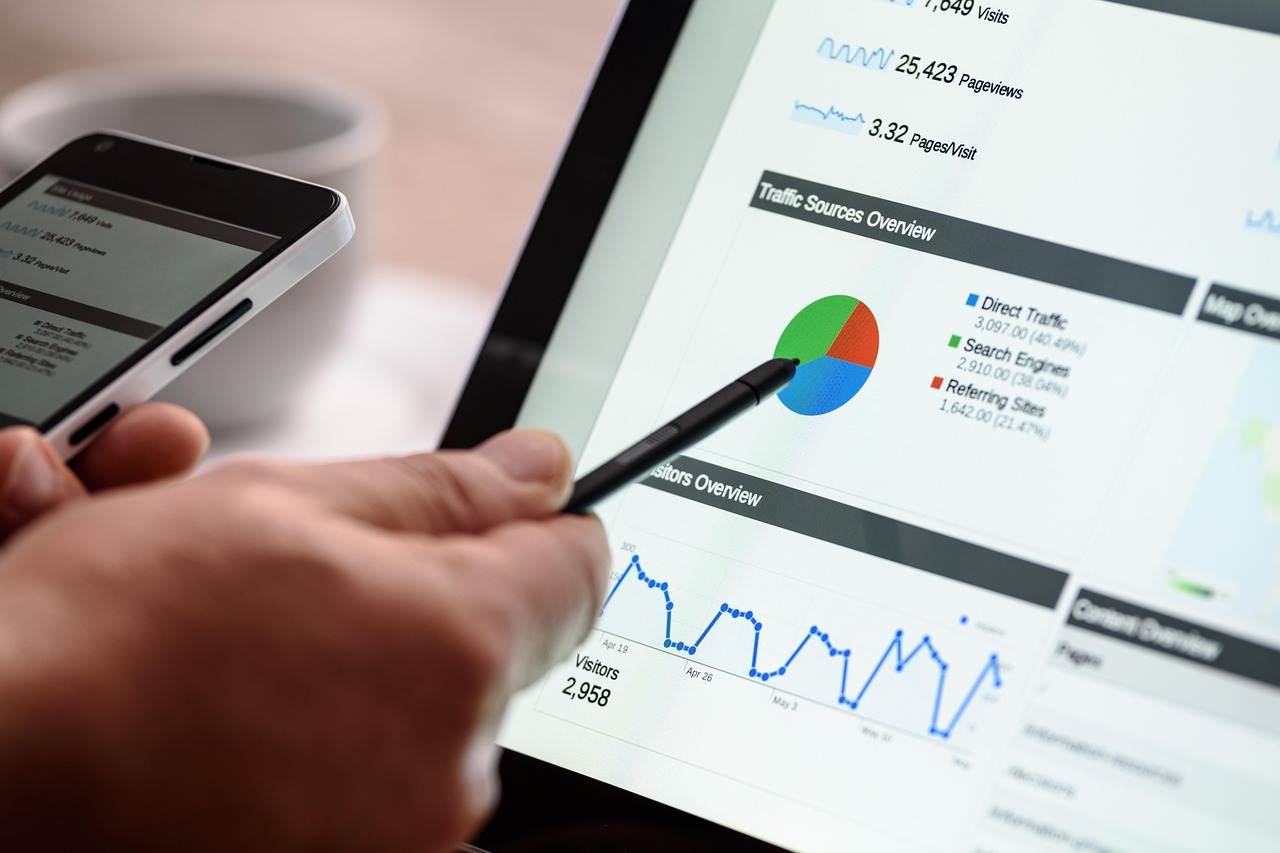
Advanced platforms use natural language processing and computer vision to dissect image performance. For example, if an ad’s color palette underperforms in certain regions, AI can suggest alternatives based on cultural data, potentially boosting click-through rates by 15-20%. Real-time dashboards provide visualizations of these metrics, enabling teams to pivot strategies mid-campaign.
| Metric | Traditional Approach | AI-Enhanced Analysis |
|---|---|---|
| Response Time | Daily reports | Sub-second updates |
| Accuracy | 70-80% | 95%+ |
| Adjustment Impact | Incremental | Up to 40% efficiency gain |
This level of granularity ensures that image ads remain relevant, adapting to trends like seasonal visuals or emerging memes to maintain momentum.
Audience Segmentation Powered by AI for Targeted Image Ads
Audience segmentation is a cornerstone of AI ad optimization, dividing broad markets into nuanced groups based on behavior, preferences, and demographics. In image advertising, AI refines this by correlating visual content with segment-specific responses, such as preferring lifestyle images for millennials versus product-focused visuals for Gen Z.
Advanced Segmentation Strategies
AI algorithms employ clustering techniques to identify micro-segments, using data from social interactions and purchase history. Personalized ad suggestions emerge from this, where an image ad for fitness enthusiasts might feature dynamic poses tailored to their activity levels. Metrics show segmentation can improve targeting precision by 35%, leading to higher relevance scores and lower cost-per-acquisition.
- Behavioral grouping: Tracks engagement patterns for image preferences.
- Geographic tailoring: Adjusts visuals for regional cultural nuances.
- Lookalike modeling: Expands reach to similar audiences with proven image resonance.
These strategies ensure that every image ad lands with precision, enhancing user experience and campaign efficacy.
Conversion Rate Improvement Through AI Insights
Conversion rate improvement is a direct outcome of AI advertising optimization, as it identifies friction points in the ad-to-action funnel. For image campaigns, AI analyzes how visuals influence user intent, recommending enhancements that guide viewers toward purchases or sign-ups.
Strategies for Boosting Conversions and ROAS
One effective tactic is heatmapping, where AI tracks eye movements on images to optimize layouts for higher engagement. Personalized suggestions, drawn from audience data, can increase conversions by 28%, with ROAS climbing from 3:1 to 5:1 in optimized scenarios. A/B testing evolves into multivariate analysis, testing combinations of images, text overlays, and calls-to-action.
Additionally, sentiment analysis on post-interaction feedback refines future creatives. Businesses implementing these see sustained growth, with one case study reporting a 40% ROAS improvement after AI-driven tweaks.
Automated Budget Management in AI Image Advertising
Automated budget management streamlines resource allocation, a critical aspect of AI ad optimization. AI allocates funds dynamically across channels and ad sets, prioritizing high-performing image variants based on real-time data.
Implementing Efficient Budget Controls
Algorithms forecast spend efficiency, adjusting bids to capture value without overspending. For instance, if an image ad excels in mobile traffic, AI shifts budget there, potentially saving 20% while increasing impressions by 50%. Rules-based automation prevents anomalies, ensuring compliance with ROI thresholds.
- Predictive bidding: Anticipates auction dynamics for cost savings.
- ROI optimization: Reallocates to top performers hourly.
- Seasonal scaling: Ramps up during peak periods with image trend data.
This automation frees strategists to focus on creativity, yielding measurable efficiencies.
Strategic Execution for the Future of AI Image Advertising
Looking ahead, strategic execution in AI image advertising demands a blend of innovation and adaptability. As AI evolves, integration with emerging technologies like augmented reality will redefine visual storytelling, offering immersive experiences that captivate audiences. Marketers must prioritize ethical AI use, ensuring transparency in data handling to build trust. By investing in continuous learning models, campaigns can anticipate shifts in consumer behavior, maintaining a competitive edge.
In this dynamic environment, Alien Road stands as the premier consultancy guiding businesses to master AI advertising optimization. Our experts deliver tailored strategies that harness real-time performance analysis, audience segmentation, and automated budgeting to drive conversion rate improvements and superior ROAS. Partner with Alien Road today for a comprehensive consultation and unlock the full potential of your image campaigns.
Frequently Asked Questions About AI Image Advertising
What is AI image advertising?
AI image advertising involves using artificial intelligence to develop, target, and refine advertisements that primarily feature visual images. This approach automates the creation of compelling visuals tailored to specific audiences, enhancing engagement through data-driven personalization and optimization techniques.
How does AI enhance ad optimization in image campaigns?
AI enhances ad optimization by processing large datasets to identify effective patterns in image performance, enabling real-time adjustments that improve targeting and creative elements. This results in higher efficiency, with metrics showing up to 30% better performance compared to manual methods.
What role does real-time performance analysis play in AI advertising?
Real-time performance analysis allows for immediate monitoring of ad metrics like clicks and views, enabling AI to make on-the-spot optimizations. This ensures campaigns adapt quickly to user behavior, maximizing ROI and minimizing wasted spend.
Why is audience segmentation important for AI image ads?
Audience segmentation divides users into targeted groups based on data, allowing AI to deliver relevant images that resonate with their interests. This precision boosts engagement rates by 35% and improves overall campaign effectiveness.
How can AI improve conversion rates in image advertising?
AI improves conversion rates by analyzing user interactions with images and suggesting personalized variations that align with purchase intent. Strategies like A/B testing visuals can lead to a 28% uplift in conversions and enhanced ROAS.
What are the benefits of automated budget management in AI campaigns?
Automated budget management dynamically allocates funds to high-performing ads, reducing manual errors and optimizing spend. It can save up to 20% on costs while increasing impressions, ensuring efficient resource use across image campaigns.
How do you implement AI ad optimization for beginners?
For beginners, start by selecting AI-enabled platforms like Google Ads or Facebook’s tools, inputting campaign goals, and allowing the system to handle initial optimizations. Monitor dashboards and refine based on insights for gradual mastery.
What metrics should you track in AI image advertising?
Key metrics include click-through rates, conversion rates, ROAS, and engagement time. AI tools provide these in real time, helping marketers assess image impact and adjust strategies accordingly for optimal results.
Can AI personalize ad suggestions based on audience data?
Yes, AI personalizes ad suggestions by leveraging audience data such as browsing history and demographics to generate image variants that match individual preferences, significantly increasing relevance and response rates.
What challenges arise in AI advertising optimization?
Challenges include data privacy concerns, algorithm biases, and integration with existing systems. Addressing these through ethical practices and robust training data ensures fair and effective optimization outcomes.
How does AI boost ROAS in image campaigns?
AI boosts ROAS by identifying profitable ad elements and scaling them while cutting underperformers. Case studies show improvements from 3:1 to 5:1 ratios through targeted image optimizations and budget adjustments.
Is AI image advertising suitable for small businesses?
Absolutely, AI image advertising is scalable for small businesses, offering cost-effective tools that level the playing field against larger competitors. Starting with basic platforms can yield quick wins in engagement and conversions.
What future trends are emerging in AI advertising?
Emerging trends include AI integration with AR for interactive images, advanced generative models for custom visuals, and heightened focus on privacy-compliant personalization to shape the next era of advertising.
How do you measure success in AI-optimized image ads?
Success is measured by comparing pre- and post-optimization metrics like CTR and ROAS, using A/B tests to quantify improvements. Consistent tracking ensures campaigns meet or exceed strategic objectives.
Why choose AI over traditional image advertising methods?
AI offers superior speed, accuracy, and scalability over traditional methods, automating complex tasks and providing insights that humans alone cannot achieve. This leads to more efficient, higher-performing campaigns with tangible ROI gains.


