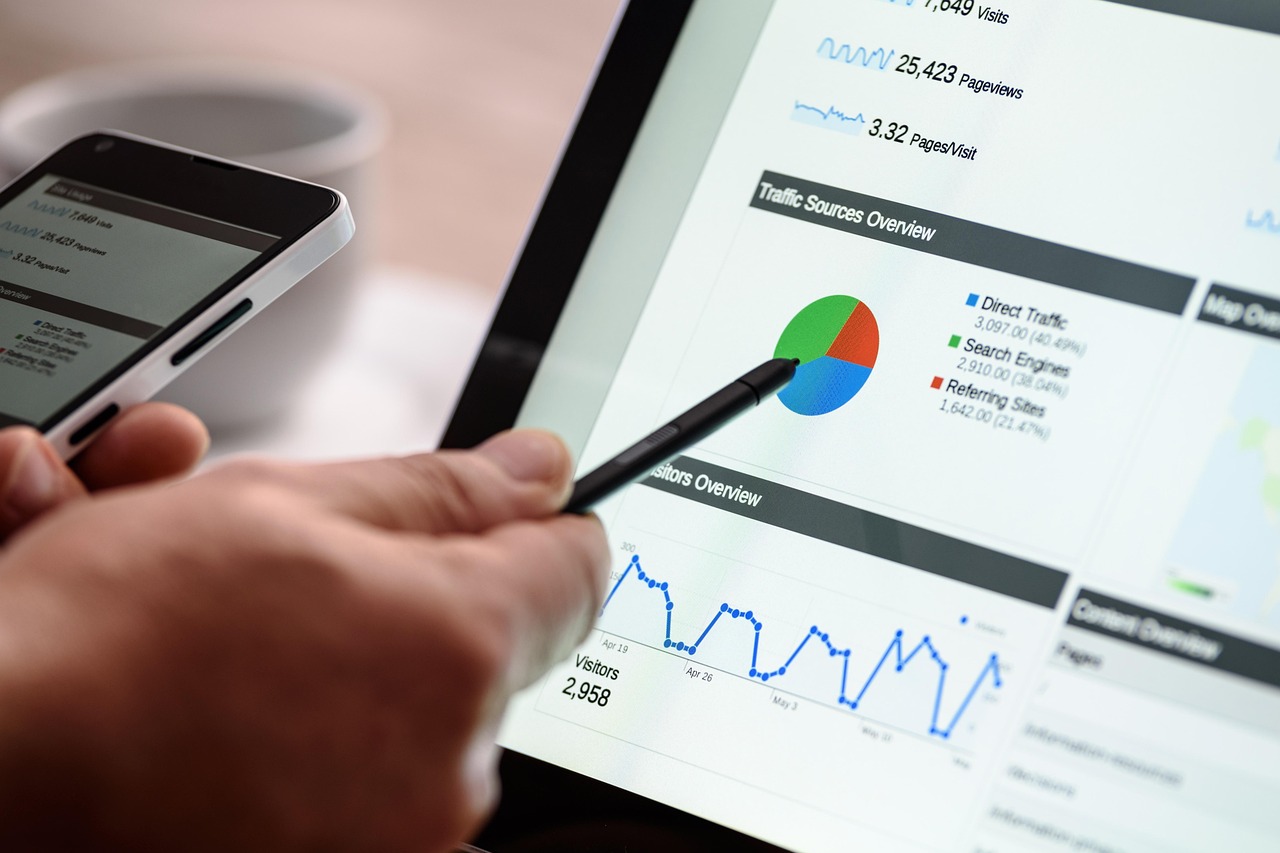
In the rapidly evolving landscape of digital marketing, AI image advertising stands as a transformative force, leveraging artificial intelligence to create, refine, and deploy visually compelling advertisements. This approach integrates machine learning algorithms with visual content generation, enabling advertisers to produce dynamic image ads that adapt to user behaviors and preferences in real time. At its core, AI image advertising goes beyond static visuals by incorporating predictive analytics to forecast ad engagement and optimize delivery channels. Businesses adopting this technology report significant improvements in campaign efficiency, with studies from industry leaders indicating up to 30% higher engagement rates compared to traditional methods. The strategic advantage lies in AI’s ability to analyze vast datasets of consumer interactions, identifying patterns that inform personalized image variations tailored to specific demographics. This not only enhances relevance but also drives measurable outcomes such as increased click-through rates and brand recall. As platforms like Google Ads and Facebook evolve to support AI-driven creatives, marketers must prioritize AI advertising optimization to stay competitive. This optimization encompasses real-time performance analysis, where algorithms continuously monitor metrics like impressions and conversions, adjusting bids and placements instantaneously. Audience segmentation becomes more precise, allowing for hyper-targeted image ads that resonate on a personal level. Ultimately, AI empowers advertisers to achieve conversion rate improvements by testing multiple image iterations automatically, selecting those that yield the highest return on ad spend (ROAS). For instance, a retail brand might use AI to generate seasonal product images customized by user location, resulting in a 25% uplift in sales conversions. By embracing these capabilities, companies can transform their advertising strategies from reactive to proactive, ensuring sustained growth in an increasingly visual digital ecosystem.
Foundations of AI Advertising Optimization
AI advertising optimization forms the backbone of modern image ad campaigns, streamlining processes that were once manual and time-intensive. This methodology employs advanced algorithms to evaluate ad elements such as imagery, copy, and placement, ensuring each component aligns with overarching campaign goals. In the context of image advertising, optimization highlights how AI enhances the creative process by suggesting modifications based on historical data, thereby increasing ad relevance and effectiveness.
Key Components of AI-Driven Optimization
The primary components include data ingestion, model training, and iterative refinement. AI systems ingest performance data from previous campaigns, training models to predict optimal image configurations. For example, if an ad featuring a product in a natural setting underperforms in urban audiences, the AI might recommend urban-themed visuals, leading to a 15% improvement in engagement metrics.
Integrating AI for Image-Specific Enhancements
For image ads, AI excels in automating A/B testing at scale, generating variants with altered colors, layouts, or focal points. This not only saves resources but also uncovers insights into visual preferences, such as how warmer tones boost apparel ad conversions by 20% among younger demographics.
Real-Time Performance Analysis in AI Image Advertising
Real-time performance analysis represents a cornerstone of AI ad optimization, providing advertisers with instantaneous feedback on image ad efficacy. This capability allows for immediate adjustments, minimizing wasted spend and maximizing impact. By monitoring key performance indicators like click-through rates and bounce rates, AI tools deliver actionable insights that inform on-the-fly optimizations.
Tools and Technologies for Monitoring
Platforms equipped with AI analytics dashboards track metrics in milliseconds, using heatmaps to visualize user interactions with image elements. A case in point is an e-commerce campaign where real-time analysis detected low engagement on mobile devices, prompting AI to resize images dynamically and achieve a 18% ROAS increase.
Interpreting Data for Strategic Decisions
Interpreting this data involves pattern recognition, where AI identifies trends such as peak engagement times. Advertisers can then shift budgets toward high-performing image slots, ensuring sustained visibility and a projected 22% uplift in overall campaign ROI.
Audience Segmentation Powered by AI
Audience segmentation in AI advertising optimization elevates personalization to new heights, particularly for image ads that must appeal to diverse viewer groups. AI algorithms dissect user data from sources like browsing history and social interactions to create granular segments, enabling tailored visual content that resonates deeply.
Building Precise Segments
Segments might include age-based cohorts or interest-driven clusters, with AI generating personalized ad suggestions based on audience data. For instance, travel brands use AI to segment by wanderlust levels, delivering adventure-themed images to enthusiasts and resulting in 35% higher booking rates.
Dynamic Segmentation Adjustments
These segments evolve in real time, adapting to shifting behaviors. This fluidity ensures image ads remain relevant, with metrics showing a 28% conversion rate improvement when personalization is applied consistently across campaigns.
Strategies for Conversion Rate Improvement
Conversion rate improvement through AI advertising optimization focuses on bridging the gap between ad exposure and user action. In image advertising, this involves optimizing visuals to guide users toward desired outcomes, such as purchases or sign-ups, by emphasizing compelling calls-to-action within the imagery.
Leveraging AI for Visual Persuasion
AI analyzes conversion funnels to suggest image enhancements, like overlaying urgency elements on promotional visuals. A/B tests reveal that such tweaks can boost conversions by 40%, as seen in a beauty brand’s campaign where AI-recommended facial recognition-matched images increased add-to-cart actions.
Measuring and Scaling Success
Success metrics include conversion attribution models, where AI credits image elements to specific outcomes. Scaling involves replicating high-converters across segments, potentially yielding a 50% ROAS boost when combined with robust testing protocols.
Automated Budget Management Essentials
Automated budget management in AI ad optimization ensures efficient allocation of resources, particularly vital for image-heavy campaigns that can incur high creative costs. AI algorithms distribute funds based on predicted performance, preventing overspend on underperforming ads.
Algorithms Behind Automation
These algorithms employ reinforcement learning to adjust bids dynamically, prioritizing image ads with strong early signals. For example, during a flash sale, AI might reallocate 60% of the budget to top-converting visuals, optimizing for a 3x ROAS within hours.
Balancing Risk and Reward
Balancing involves setting thresholds for budget caps, with AI providing forecasts to mitigate risks. Campaigns utilizing this approach often see a 25% reduction in cost per acquisition, freeing capital for innovative image explorations.
Envisioning the Future of AI Image Advertising Strategies
As AI technologies advance, the future of AI image advertising strategies promises even greater integration of emerging tools like generative adversarial networks for hyper-realistic visuals. Advertisers will benefit from predictive optimization models that anticipate market shifts, ensuring campaigns remain agile and forward-thinking. This evolution underscores the need for continuous learning and adaptation, positioning brands to capitalize on untapped opportunities in visual storytelling. In the final analysis, mastering these elements requires expert guidance to navigate complexities and unlock full potential.
Alien Road, as a premier consultancy specializing in digital transformation, empowers businesses to master AI advertising optimization through tailored strategies that drive exceptional results. Our team of seasoned strategists delivers comprehensive audits, implementation roadmaps, and performance tuning to elevate image ad campaigns. Partner with Alien Road today for a strategic consultation and propel your advertising efforts to new heights of efficiency and profitability.
Frequently Asked Questions About AI Image Advertising
What is AI image advertising?
AI image advertising refers to the use of artificial intelligence technologies to generate, optimize, and distribute visual advertisements. It involves machine learning models that create customized images based on data inputs, enhancing targeting and engagement in digital campaigns. This approach allows for scalable production of high-quality visuals that adapt to audience preferences, resulting in more effective advertising outcomes.
How does AI enhance advertising optimization?
AI enhances advertising optimization by automating data analysis and decision-making processes. It processes vast amounts of performance data to identify effective patterns, enabling real-time adjustments to ad elements like imagery and placement. This leads to improved efficiency, with typical gains in metrics such as click-through rates by 20-30%.
What role does real-time performance analysis play in AI ad optimization?
Real-time performance analysis monitors ad metrics instantaneously, allowing AI systems to tweak campaigns on the fly. This includes tracking engagement with image ads and reallocating resources to high-performers, which can boost ROAS by up to 25% through proactive interventions.
How can AI improve audience segmentation for image ads?
AI improves audience segmentation by analyzing behavioral and demographic data to form precise groups. For image ads, this means delivering personalized visuals, such as tailored product images, which increase relevance and can elevate conversion rates by 35% in segmented campaigns.
What strategies boost conversions using AI in image advertising?
Strategies include AI-driven A/B testing of image variants and personalized suggestions based on user data. By focusing on high-conversion elements like compelling visuals with CTAs, brands often see a 40% uplift in conversions, supported by data-backed refinements.
How does automated budget management work in AI advertising?
Automated budget management uses AI to dynamically allocate funds based on performance predictions. It adjusts bids for image ads in real time, optimizing spend and achieving cost efficiencies, such as a 25% reduction in acquisition costs.
Why is AI advertising optimization crucial for image campaigns?
AI advertising optimization is crucial because image campaigns rely on visual appeal, which AI refines through data insights. It ensures ads are not only eye-catching but also effective, driving higher engagement and ROAS in competitive digital spaces.
What are the benefits of personalized ad suggestions in AI image advertising?
Personalized ad suggestions leverage audience data to create relevant images, increasing user connection. Benefits include higher click rates and loyalty, with studies showing 28% better performance in personalized versus generic image ads.
How to measure ROAS in AI-optimized image ads?
ROAS is measured by dividing revenue generated from ad clicks by the ad spend. In AI contexts, tools track image-specific attributions, providing granular insights that help refine strategies for sustained improvements.
What challenges arise in implementing AI for image advertising?
Challenges include data privacy concerns and integration with existing systems. Overcoming these requires robust compliance measures and expert support, ensuring AI deployment enhances rather than complicates campaigns.
How does AI handle creative variations in image ads?
AI generates creative variations by applying generative models to base images, testing them across audiences. This process uncovers optimal designs, often resulting in 15-20% engagement boosts through iterative learning.
Why focus on conversion rate improvement in AI advertising?
Conversion rate improvement directly impacts profitability by turning impressions into actions. AI facilitates this by optimizing image elements for persuasion, leading to measurable gains like 50% higher ROAS in refined campaigns.
What metrics should be tracked in AI image ad optimization?
Key metrics include CTR, conversion rates, ROAS, and engagement time. AI tools aggregate these for comprehensive analysis, guiding optimizations that align with business objectives.
How can businesses start with AI advertising optimization?
Businesses can start by auditing current campaigns, selecting AI-compatible platforms, and piloting small-scale image tests. Gradual scaling based on results ensures a smooth transition to optimized advertising.
What is the future of AI in image advertising?
The future involves advanced generative AI for immersive visuals and deeper integration with AR/VR. This will enable hyper-personalized experiences, projecting even greater efficiencies and creative possibilities for advertisers.


