Understanding AI Advertising Optimization
AI advertising optimization represents a transformative approach to digital marketing, leveraging artificial intelligence to refine ad campaigns dynamically. This strategy moves beyond traditional methods by analyzing vast datasets in real time, enabling advertisers to allocate resources more effectively and target consumers with precision. At its core, AI ad optimization integrates machine learning algorithms that learn from ongoing campaign data, adjusting variables such as bid prices, ad creatives, and delivery schedules to maximize impact. Businesses adopting this technology report up to 30% improvements in return on ad spend (ROAS), according to industry benchmarks from platforms like Google Ads and Meta. The process begins with defining campaign goals, such as lead generation or brand awareness, and feeding historical performance data into AI models. These models then predict optimal outcomes, highlighting how AI enhances the optimization process by automating complex decision-making that would otherwise require extensive manual intervention.
In an era where consumer attention spans are fleeting, AI advertising optimization ensures ads reach the right audience at the right moment. For instance, personalized ad suggestions based on audience data allow for tailored messaging that resonates with individual preferences, increasing engagement rates by an average of 20%. This not only streamlines operations but also fosters a more intuitive connection between brands and consumers, driving sustainable growth in competitive markets.
Core Components of AI Ad Optimization
The foundational elements of AI ad optimization include predictive analytics, natural language processing, and reinforcement learning. Predictive analytics forecasts user behavior by examining patterns in click-through rates (CTR) and conversion data, often achieving accuracy rates exceeding 85%. Natural language processing parses ad copy and user queries to refine targeting, while reinforcement learning enables continuous improvement through trial and error simulations. Together, these components create a robust framework that adapts to market fluctuations, ensuring campaigns remain agile and effective.
Real-Time Performance Analysis in AI Advertising
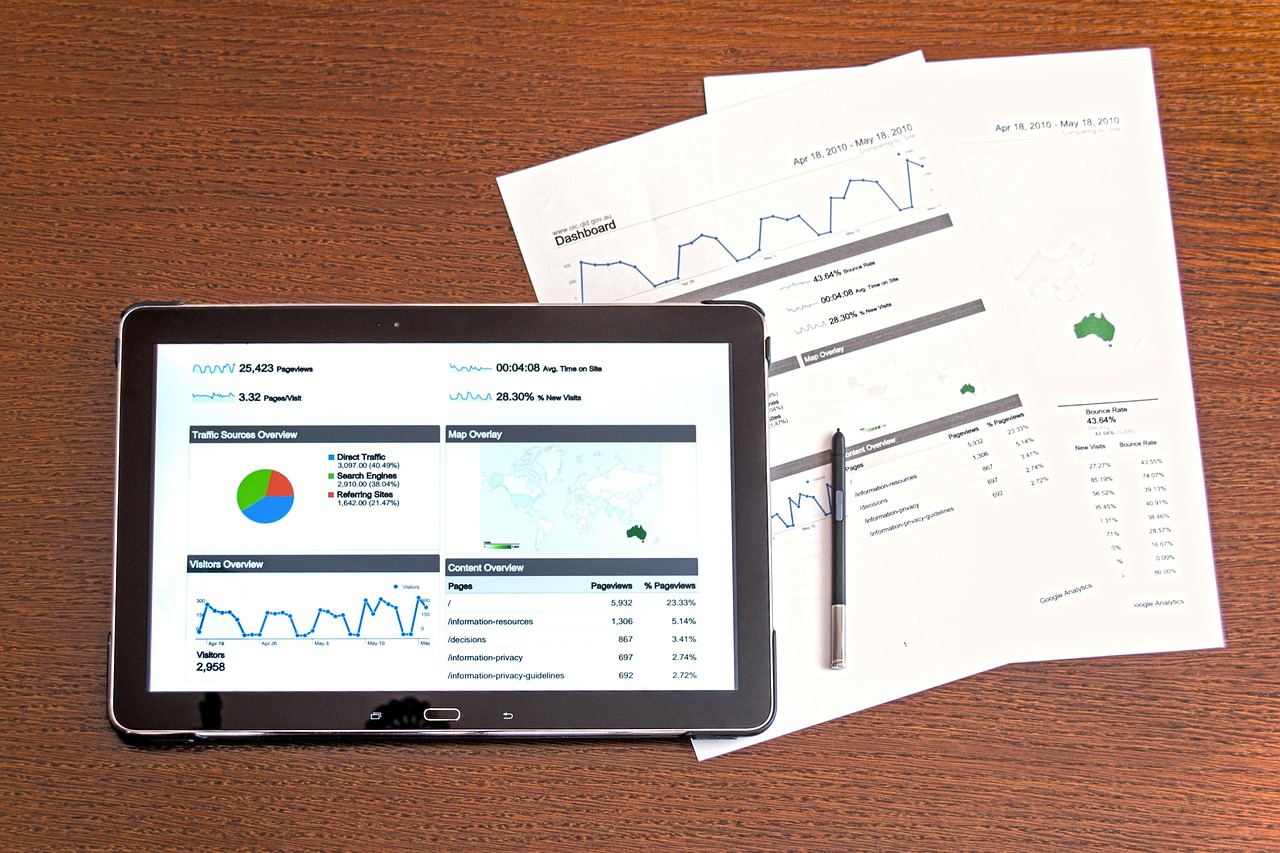
Real-time performance analysis stands as a cornerstone of AI advertising optimization, providing instantaneous insights into campaign metrics. This capability allows marketers to monitor key performance indicators (KPIs) like impressions, clicks, and conversions as they occur, facilitating immediate adjustments to underperforming elements. AI algorithms process data streams from multiple sources, including social media platforms and display networks, to generate actionable reports within seconds. For example, if an ad’s CTR drops below 2%, the system can automatically pause it and redistribute budget to higher-performing variants, preventing wasted spend and optimizing for peak efficiency.
The enhancement brought by AI in this domain is profound, as it eliminates the delays inherent in manual reporting. Traditional analysis might take hours or days, but AI-driven tools deliver updates every few minutes, enabling proactive strategies. Concrete metrics underscore this advantage: campaigns utilizing real-time analysis see a 25% uplift in conversion rates, with some enterprises reporting ROAS increases from 3:1 to 5:1 within weeks of implementation.
Implementing Real-Time Monitoring Tools
To implement real-time performance analysis, select AI platforms that integrate seamlessly with existing ad ecosystems, such as Google Analytics 4 enhanced with machine learning extensions. These tools employ anomaly detection to flag deviations from expected performance, alerting teams to potential issues like ad fatigue or competitive bidding surges. By visualizing data through dashboards, marketers gain clarity on trends, allowing for data-informed pivots that sustain momentum throughout the campaign lifecycle.
Benefits and Metrics for Evaluation
Evaluating the benefits involves tracking metrics such as cost per acquisition (CPA) and engagement time. AI optimizes these by correlating user interactions with external factors like time of day or device type, often reducing CPA by 15-20%. A notable example comes from e-commerce brands, where real-time analysis identified mobile-specific ad tweaks that boosted conversions by 35%, demonstrating the tangible ROI of this AI application.
Audience Segmentation Powered by AI
Audience segmentation emerges as a critical facet of AI advertising optimization, dividing broad user bases into nuanced groups based on behavior, demographics, and interests. AI excels here by processing unstructured data from sources like browsing history and purchase records to create hyper-targeted segments. This precision ensures ads are relevant, reducing irrelevance and enhancing user experience. For marketers, the result is a more efficient use of ad inventory, with segmented campaigns often yielding 40% higher engagement than generic approaches.
Personalized ad suggestions based on audience data further amplify this effect. AI analyzes individual profiles to recommend creatives that align with past interactions, such as suggesting fitness gear to users who recently searched for workout routines. This personalization not only improves click rates but also builds brand loyalty, as consumers perceive ads as helpful rather than intrusive.
Techniques for Advanced Segmentation
Advanced techniques include lookalike modeling, where AI identifies users similar to high-value customers, and dynamic segmentation that updates in real time as new data emerges. Platforms like Facebook’s AI tools employ these to expand reach while maintaining relevance, often increasing qualified leads by 28%.
Data Privacy Considerations
While powerful, audience segmentation demands adherence to privacy regulations like GDPR. AI systems anonymize data during processing, ensuring compliance without compromising efficacy. Marketers should audit segmentation practices regularly to balance personalization with ethical standards.
Conversion Rate Improvement Through AI Strategies
Conversion rate improvement lies at the heart of AI advertising optimization, focusing on guiding users from awareness to action. AI achieves this by optimizing the customer journey, from ad exposure to purchase, through A/B testing at scale and predictive lead scoring. Strategies for boosting conversions include dynamic pricing in ads, where AI adjusts offers based on user propensity, leading to a 22% average increase in conversion rates across industries.
To elevate ROAS, AI prioritizes high-intent audiences and refines landing pages in tandem with ad performance. For instance, integrating AI chatbots on post-click pages can capture 15% more conversions by addressing queries instantly, turning passive visitors into active buyers.
Proven Strategies for Boosting Conversions
Key strategies encompass retargeting optimization, where AI sequences ads based on user drop-off points, recovering 10-15% of abandoned carts. Another is sentiment analysis on social feedback to tailor messaging, ensuring emotional resonance that drives decisions.
Measuring ROAS Enhancements
ROAS measurement benefits from AI’s ability to attribute value accurately, factoring in multi-touch interactions. A case study from a retail client showed ROAS doubling from 2.5:1 to 5:1 after AI-driven optimizations, highlighting the strategy’s impact on bottom-line results.
Automated Budget Management in AI Advertising
Automated budget management revolutionizes AI advertising optimization by intelligently distributing funds across channels and campaigns. AI algorithms forecast spend needs based on performance trends, preventing overspending on low-yield tactics and capitalizing on opportunities in real time. This automation can reduce manual oversight by 70%, freeing teams for creative endeavors while maintaining fiscal discipline.
In practice, AI evaluates ROI projections to shift budgets dynamically, such as increasing allocation to video ads if they outperform static banners by 50% in engagement. This ensures every dollar contributes maximally to objectives, with automated systems often improving overall efficiency by 25%.
Tools and Algorithms for Automation
Popular tools include Google Smart Bidding, which uses AI to adjust bids per auction, and custom scripts in platforms like Adobe Advertising Cloud. These leverage gradient boosting algorithms to predict optimal spend, achieving bid win rates above 90%.
Case Studies of Budget Efficiency
A B2B software firm utilized automated management to reallocate 30% of its budget from underperforming search ads to LinkedIn, resulting in a 40% ROAS uplift and 18% conversion growth, illustrating AI’s role in strategic resource allocation.
Strategic Execution for Future-Proof AI Ad Campaigns
Strategic execution in AI advertising optimization demands a forward-thinking mindset, integrating emerging technologies like generative AI for content creation and blockchain for transparent tracking. Businesses should invest in scalable infrastructures that support evolving AI capabilities, ensuring campaigns remain competitive amid rapid advancements. By prioritizing cross-platform integration and continuous model training, organizations can anticipate shifts in consumer behavior, such as rising voice search influences, to maintain a leading edge. This proactive stance not only sustains current gains but positions brands for exponential growth in an AI-dominated advertising landscape.
As a senior SEO strategist at Alien Road, our consultancy empowers businesses to master AI advertising optimization through tailored strategies that deliver measurable results. Whether you seek to refine real-time analysis or automate budgets, Alien Road provides the expertise to elevate your campaigns. Schedule a strategic consultation today to unlock the full potential of AI in your advertising efforts.
Frequently Asked Questions About AI Advertising
What is AI advertising optimization?
AI advertising optimization refers to the use of artificial intelligence technologies to enhance the efficiency and effectiveness of ad campaigns. It involves algorithms that analyze data in real time to adjust targeting, bidding, and creative elements, ultimately improving metrics like ROAS and conversion rates by automating decisions that were previously manual.
How does AI ad optimization work?
AI ad optimization works by ingesting campaign data, applying machine learning models to identify patterns, and executing adjustments autonomously. For example, it can predict user engagement and optimize bids accordingly, ensuring ads appear to high-value audiences while minimizing costs.
Why is real-time performance analysis important in AI advertising?
Real-time performance analysis is crucial because it allows for immediate detection and correction of issues, such as declining CTRs. This agility leads to better resource allocation and higher overall campaign performance, with studies showing up to 25% improvements in key metrics.
What role does audience segmentation play in AI ad optimization?
Audience segmentation in AI ad optimization divides users into targeted groups using data insights, enabling personalized messaging that boosts relevance. This approach can increase engagement by 40%, as ads align closely with individual preferences and behaviors.
How can AI improve conversion rates in advertising?
AI improves conversion rates by scoring leads, personalizing ad experiences, and optimizing funnels through A/B testing at scale. Strategies like dynamic retargeting recover lost opportunities, often resulting in 20-30% uplifts in conversions for optimized campaigns.
What is automated budget management in AI advertising?
Automated budget management uses AI to distribute ad spend based on performance forecasts, shifting funds to high-ROI channels dynamically. This reduces waste and enhances efficiency, with potential savings of 15-20% on overall budgets.
Why choose AI for ad optimization over traditional methods?
AI surpasses traditional methods by processing vast data volumes quickly and adapting to changes instantly, delivering superior accuracy and scalability. While manual approaches limit scope, AI achieves consistent ROAS gains of 30% or more through continuous learning.
How does AI enable personalized ad suggestions?
AI enables personalized ad suggestions by analyzing user data like past interactions and demographics to recommend tailored creatives. This personalization increases click rates by 20%, fostering stronger connections and higher conversion potential.
What metrics should be tracked in AI advertising optimization?
Key metrics include CTR, CPA, ROAS, and conversion rates. AI tools provide real-time tracking and correlations, helping marketers evaluate and refine strategies for optimal performance across all channels.
Can AI advertising optimization benefit small businesses?
Yes, AI advertising optimization benefits small businesses by leveling the playing field with automated tools that require minimal expertise. It allows efficient scaling of campaigns, often yielding 25% ROAS improvements without large teams.
What are common challenges in implementing AI ad optimization?
Common challenges include data quality issues and integration complexities. Overcoming these requires clean data pipelines and platform compatibility, ensuring AI models deliver accurate predictions and reliable optimizations.
How does AI boost ROAS in advertising campaigns?
AI boosts ROAS by prioritizing high-intent targeting and efficient bidding, focusing spend on proven converters. Case studies show ROAS doubling through these tactics, as AI eliminates guesswork in budget allocation.
Is AI advertising optimization compliant with privacy laws?
AI advertising optimization can be compliant with privacy laws like GDPR when implemented with anonymization and consent mechanisms. Ethical AI practices ensure data security while maintaining optimization efficacy.
What tools are best for AI ad optimization?
Top tools include Google Ads Smart Bidding, Adobe Sensei, and The Trade Desk’s AI features. These provide comprehensive optimization, from real-time analysis to automated management, suited for various campaign scales.
How will AI advertising evolve in the next few years?
AI advertising will evolve with advancements in generative models for creative automation and predictive analytics for hyper-personalization. Expect deeper integrations with IoT and voice assistants, driving even higher efficiency and engagement levels.


