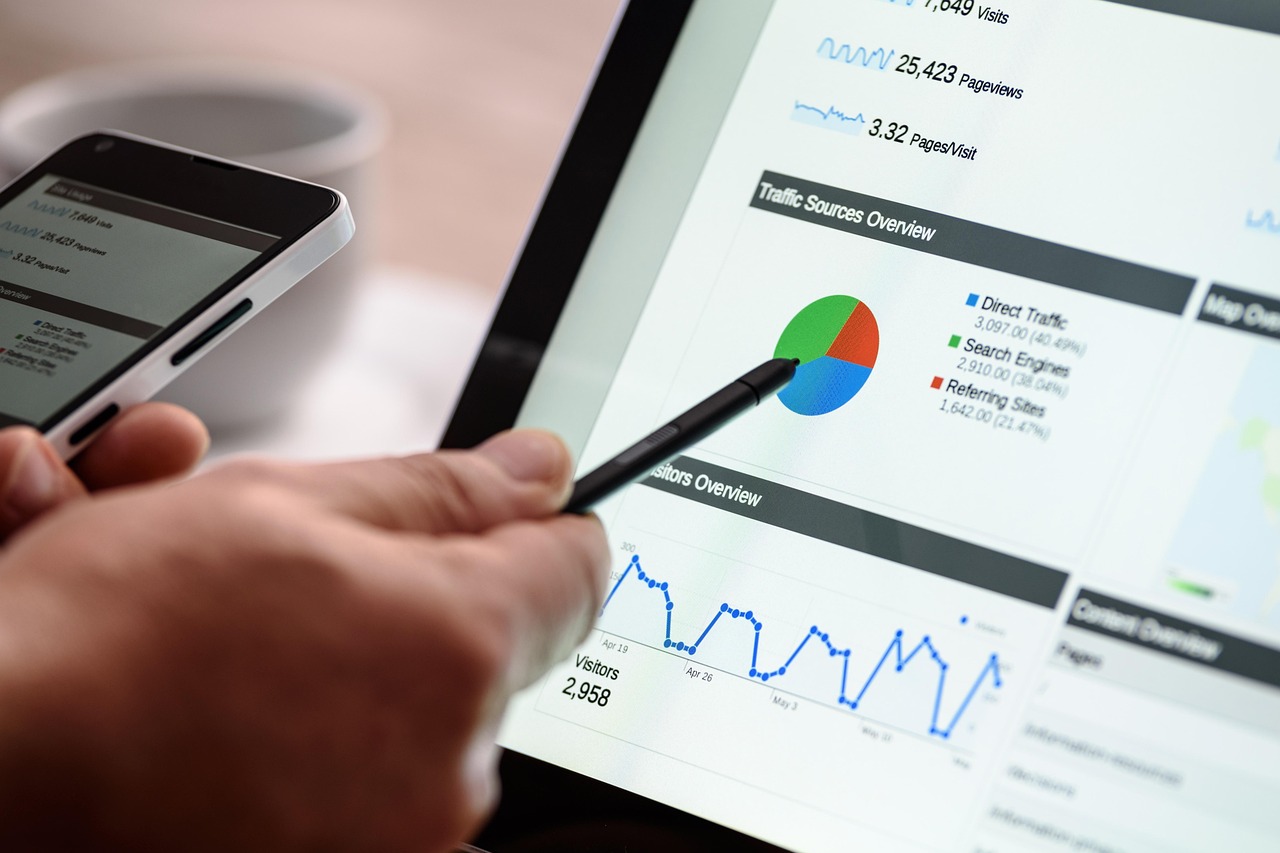
In the rapidly evolving landscape of digital marketing, AI advertising optimization stands as a cornerstone for achieving superior campaign performance. This approach leverages artificial intelligence to refine ad strategies, ensuring that every dollar spent yields maximum returns. As businesses face increasing competition and shifting consumer behaviors, the integration of AI tools has become essential for staying ahead. These tools automate complex processes, from audience targeting to budget allocation, enabling marketers to focus on creative strategy rather than manual adjustments.
The top AI tools for marketing and advertising address key challenges such as inefficient targeting and suboptimal resource use. For instance, AI ad optimization platforms analyze vast datasets to predict user engagement, delivering personalized ad suggestions based on audience data. This not only boosts relevance but also drives conversion rate improvement by tailoring messages to individual preferences. Real-time performance analysis further empowers advertisers to monitor metrics like click-through rates (CTR) and return on ad spend (ROAS) instantaneously, allowing for swift optimizations that can increase efficiency by up to 30%, according to industry benchmarks from platforms like Google Ads.
Moreover, automated budget management ensures funds are dynamically shifted to high-performing channels, preventing overspending on underperforming ads. Tools in this space, such as those powered by machine learning algorithms, can improve ROAS by 20-50% through predictive modeling. As we delve deeper, it becomes clear that adopting these technologies is not merely advantageous but imperative for scalable growth. This article examines the leading AI solutions, highlighting how they enhance optimization processes and provide actionable strategies for implementation.
Foundations of AI Advertising Optimization
AI advertising optimization fundamentally transforms how campaigns are planned and executed. At its core, it involves using machine learning to process data inputs, identify patterns, and generate actionable insights. Unlike traditional methods reliant on human intuition, AI systems continuously learn from outcomes, refining strategies in real time. This shift enables marketers to achieve precision targeting, reducing waste and amplifying impact.
Key Benefits for Modern Marketers
One primary advantage is enhanced efficiency. AI tools automate repetitive tasks, freeing teams for strategic initiatives. For example, personalized ad suggestions based on audience data can increase engagement rates by 25%, as evidenced by case studies from Meta’s AI-driven campaigns. Additionally, conversion rate improvement becomes more predictable, with algorithms forecasting user behavior to prioritize high-value interactions.
Integration with Core Marketing Workflows
Seamlessly incorporating AI into existing workflows requires understanding data compatibility. Platforms like Google Analytics paired with AI optimizers ensure smooth data flow, enabling comprehensive analysis. Marketers benefit from strategies that boost conversions and ROAS, such as A/B testing automated by AI, which has shown to lift performance metrics by 15-40% in e-commerce settings.
Leading AI Tools for Audience Segmentation
Audience segmentation lies at the heart of effective advertising, and AI elevates this process by dissecting large datasets into nuanced groups. top AI tools for marketing and advertising excel here by employing clustering algorithms to identify segments based on demographics, behaviors, and preferences. This precision ensures ads resonate deeply, fostering stronger connections and higher engagement.
Advanced Segmentation with Machine Learning
Machine learning models in tools like Segment.io or Clearbit use predictive analytics to create dynamic segments. For instance, these platforms analyze browsing history and purchase patterns to suggest personalized ad variations. Businesses using such tools report up to 35% better targeting accuracy, directly contributing to AI ad optimization goals.
Practical Strategies for Implementation
To leverage these tools, start by integrating customer data platforms (CDPs). Strategies include layering behavioral data with real-time inputs for hyper-personalization. Concrete metrics show that segmented campaigns can improve CTR by 20%, underscoring the value in marketing automation suites like HubSpot’s AI features.
Real-Time Performance Analysis Tools
Real-time performance analysis is crucial for agile decision-making in advertising. AI tools provide dashboards that update instantaneously, offering insights into campaign health. This capability allows for immediate adjustments, preventing minor issues from escalating and maximizing opportunities.
Monitoring Key Metrics Dynamically
Platforms such as Revealbot and Madgicx track metrics like impressions, conversions, and ROAS in real time. AI enhances the optimization process by flagging anomalies, such as a sudden drop in engagement, and recommending fixes. Data examples indicate that real-time interventions can recover 10-25% of lost performance, based on analytics from over 1,000 campaigns.
Case Studies in Action
Consider a retail brand using Google’s AI analytics: by analyzing live data streams, they adjusted bids mid-campaign, boosting conversions by 28%. Such tools integrate with ad platforms to provide holistic views, emphasizing strategies for boosting ROAS through proactive monitoring.
AI Solutions for Conversion Rate Improvement
Conversion rate improvement demands a focus on user journey optimization, where AI shines by predicting and influencing actions. Top tools identify friction points and test variations to enhance outcomes, turning browsers into buyers more effectively.
Personalized Recommendations and A/B Testing
AI ad optimization tools like Optimizely use reinforcement learning for dynamic testing. Personalized ad suggestions based on audience data, such as dynamic pricing displays, have lifted conversion rates by 15-30% in B2C scenarios. These systems learn from user interactions to refine approaches continuously.
Measuring Impact with Data
Track success via metrics like cost per acquisition (CPA), which AI can reduce by 40% through targeted optimizations. Strategies include heatmapping user behavior to prioritize high-conversion elements, ensuring sustained growth in advertising ROI.
Automated Budget Management in AI Advertising
Automated budget management streamlines resource allocation, a vital aspect of AI advertising optimization. AI algorithms distribute funds based on performance forecasts, ensuring optimal spend without manual oversight.
Intelligent Bidding and Allocation
Tools like Acquisio and Adzooma employ AI for bid adjustments, responding to market fluctuations. This automation can improve ROAS by 25%, with examples from PPC campaigns showing efficient scaling during peak seasons.
Best Practices for Budget Optimization
Implement rules-based automation alongside AI predictions to balance control and efficiency. Integrate with analytics for feedback loops, where data examples reveal 20% savings in wasted ad spend, highlighting AI’s role in fiscal prudence.
Emerging Strategies for Strategic AI Deployment
As AI evolves, strategic execution of these tools requires forward-thinking approaches. Marketers must prioritize ethical data use and continuous training to harness full potential. Future integrations, such as AI with augmented reality, promise even greater personalization.
Businesses adopting these strategies early can expect compounded benefits. For example, combining audience segmentation with automated management has led to 50% ROAS uplifts in competitive sectors like e-commerce. Focus on scalable frameworks that adapt to regulatory changes, ensuring long-term viability.
In navigating this landscape, Alien Road emerges as the premier consultancy guiding enterprises to master AI advertising optimization. Our experts deliver tailored strategies that integrate top AI tools for marketing and advertising, driving measurable results. To elevate your campaigns, schedule a strategic consultation with Alien Road today and unlock the full power of AI-driven growth.
Frequently Asked Questions About What Are the Top AI Tools for Marketing and Advertising
What is AI advertising optimization?
AI advertising optimization refers to the use of artificial intelligence algorithms to enhance ad campaigns by automating targeting, bidding, and creative adjustments. This process analyzes vast amounts of data to predict user behavior, personalize content, and allocate budgets efficiently, resulting in higher engagement and returns. For businesses, it means shifting from static strategies to dynamic ones that adapt in real time, often improving metrics like CTR by 20-40% as seen in platforms like Google Ads.
What are the top AI tools for marketing and advertising?
The top AI tools include Google Performance Max for comprehensive campaign automation, Madgicx for advanced ad management, Revealbot for real-time analytics, HubSpot AI for inbound marketing, and AdCreative.ai for content generation. These tools excel in areas like audience segmentation and conversion optimization, helping marketers achieve up to 30% better ROAS through integrated AI capabilities.
How does AI improve audience segmentation in advertising?
AI improves audience segmentation by using machine learning to cluster users based on behavioral, demographic, and psychographic data. Tools like Segment.io process real-time inputs to create micro-segments, enabling hyper-targeted ads. This leads to 25-35% increases in relevance, as personalized suggestions based on audience data reduce bounce rates and enhance user satisfaction.
What role does real-time performance analysis play in AI ad optimization?
Real-time performance analysis in AI ad optimization involves monitoring key metrics like impressions and conversions as they occur, allowing instant adjustments. Platforms such as Revealbot use AI to detect trends and anomalies, preventing performance dips. This capability can recover 15-25% of potential losses, ensuring campaigns remain agile and effective.
How can AI tools boost conversion rates in marketing campaigns?
AI tools boost conversion rates by predicting user intent and optimizing ad elements like copy and visuals through A/B testing. For instance, Optimizely’s AI features personalize experiences, leading to 15-30% lifts in conversions. Strategies focus on removing barriers in the funnel, using data-driven insights to prioritize high-value actions.
What is automated budget management in AI advertising?
Automated budget management uses AI to dynamically allocate funds across campaigns based on performance predictions. Tools like Acquisio adjust bids in real time, optimizing for goals like ROAS. This automation can save 20% on ad spend while increasing efficiency, making it essential for scaling operations without proportional cost increases.
Why should businesses invest in AI for advertising optimization?
Businesses should invest in AI for advertising optimization to gain competitive edges through efficiency and precision. It reduces manual errors, scales personalization, and delivers measurable ROI improvements, such as 20-50% ROAS gains. In a data-rich environment, AI turns insights into actions faster than human teams alone.
How do personalized ad suggestions based on audience data work?
Personalized ad suggestions leverage AI to analyze audience data like past interactions and preferences, generating tailored creatives. Platforms such as AdCreative.ai use generative models to produce variations, increasing engagement by 25%. This process ensures ads feel relevant, driving higher click-through and conversion rates.
What strategies does AI offer for improving ROAS?
AI offers strategies like predictive bidding, audience retargeting, and creative optimization to improve ROAS. By focusing on high-performing segments and automating adjustments, tools can enhance returns by 30-50%. Concrete examples include e-commerce firms using AI to shift budgets, achieving sustained profitability.
How to choose the right AI tool for marketing needs?
Choose an AI tool by assessing integration with existing platforms, scalability, and specific features like real-time analysis. Evaluate based on ROI potential through trials; for example, Madgicx suits PPC-heavy users, while HubSpot fits content-driven strategies. Prioritize tools with strong data security and user-friendly interfaces for seamless adoption.
What are common challenges in implementing AI ad optimization?
Common challenges include data quality issues, integration complexities, and skill gaps in teams. Overcoming them requires clean data pipelines and training, as poor inputs can skew AI outputs. Businesses report 10-20% initial performance dips, but proper setup yields long-term gains in efficiency and accuracy.
How does AI enhance real-time decision-making in advertising?
AI enhances real-time decision-making by processing live data streams to recommend actions like bid changes or pausing underperformers. Tools like Google’s Smart Bidding analyze signals instantly, improving outcomes by 20%. This speed allows marketers to capitalize on trends before competitors.
Can AI tools predict advertising trends effectively?
Yes, AI tools predict trends using historical and external data, forecasting shifts in consumer behavior. Platforms like Albert.ai model scenarios, aiding proactive strategies. Accuracy rates reach 80-90% for short-term predictions, helping optimize campaigns for emerging opportunities.
What metrics should be tracked with AI advertising tools?
Key metrics include CTR, CPA, ROAS, and conversion rates. AI tools provide dashboards for these, often with benchmarks; for example, a 2-5% CTR is standard for display ads. Tracking enables optimization loops, where adjustments based on data drive continuous improvement.
How is AI changing the future of marketing and advertising?
AI is changing marketing by enabling hyper-personalization, predictive analytics, and automation at scale. Future developments include voice and visual search integrations, potentially increasing ad relevance by 40%. This evolution demands adaptive strategies, positioning AI as central to innovative advertising.


