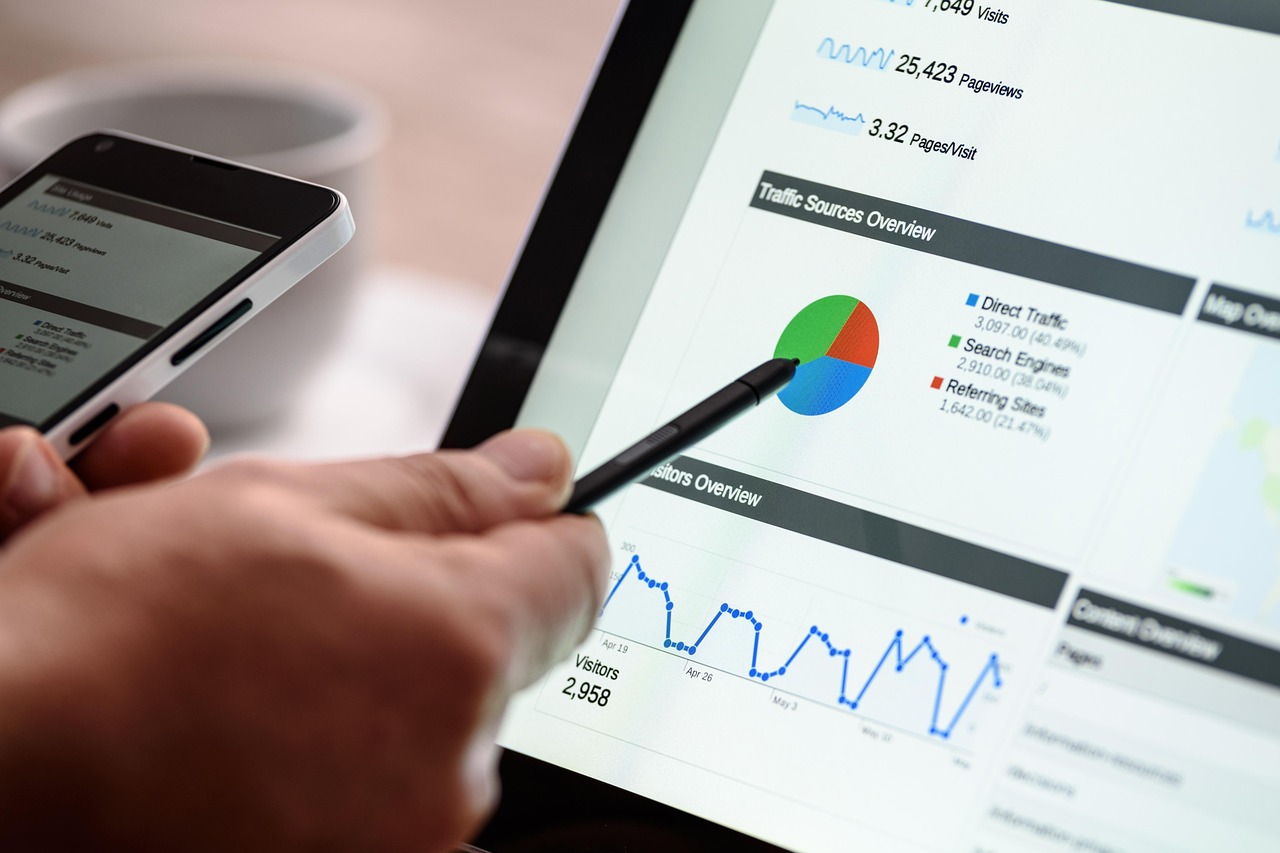
Strategic Overview of AI Automated Advertising
In the rapidly evolving landscape of digital marketing, AI automated advertising stands as a pivotal force driving efficiency and effectiveness. This technology leverages artificial intelligence to automate and refine advertising processes, from ad creation to performance monitoring. At its core, AI advertising optimization involves using machine learning algorithms to analyze vast datasets, predict user behaviors, and adjust campaigns in real time. Businesses that adopt these tools gain a competitive edge by minimizing manual interventions and maximizing return on ad spend, or ROAS.
The integration of AI transforms traditional advertising into a dynamic, data-driven ecosystem. For instance, platforms like Google Ads and Facebook Ads Manager now incorporate AI features that predict optimal bidding strategies and content variations. This not only reduces costs but also enhances targeting precision. According to industry reports from Gartner, companies using AI in marketing see up to 20 percent improvement in marketing ROI within the first year. AI automated advertising goes beyond automation; it enables predictive analytics that forecast campaign outcomes based on historical data and current trends. Marketers can thus allocate resources more judiciously, focusing on high-potential channels. As consumer behaviors shift with increasing digital interactions, AI ensures advertising remains relevant and engaging. This overview sets the stage for exploring how specific components, such as real-time performance analysis and audience segmentation, contribute to overall success. By embracing AI, organizations position themselves to navigate complexities in ad delivery, compliance, and personalization with unparalleled accuracy.
Furthermore, AI’s role in handling multifaceted data sources, including social media signals and website analytics, allows for holistic campaign management. This strategic approach not only streamlines operations but also fosters innovation in ad formats and delivery methods. As we delve deeper, the focus will shift to practical applications that demonstrate tangible benefits for diverse industries, from e-commerce to B2B services.
Foundations of AI Ad Optimization
Core Principles and Technologies
AI ad optimization begins with understanding its foundational principles, which revolve around machine learning and data processing. Algorithms process user interactions, such as clicks and views, to iteratively improve ad relevance. Key technologies include neural networks for pattern recognition and natural language processing for ad copy generation. These elements ensure that campaigns adapt continuously, reducing waste and amplifying reach.
Benefits for Modern Marketers
For marketers, AI ad optimization offers scalability and precision. It eliminates guesswork by providing actionable insights derived from billions of data points. A study by McKinsey highlights that AI-driven optimizations can increase ad efficiency by 15 to 30 percent. This translates to higher engagement rates and lower customer acquisition costs, making it indispensable for competitive markets.
Implementing Real-Time Performance Analysis
How AI Enables Instant Insights
Real-time performance analysis is a cornerstone of AI advertising optimization, allowing advertisers to monitor and adjust campaigns instantaneously. AI systems aggregate data from multiple sources, including impression logs and conversion trackers, to generate live dashboards. This capability highlights underperforming elements, such as low-click creatives, enabling swift corrections. For example, if an ad’s click-through rate drops below 2 percent in the first hour, AI can pause it and redistribute budget to variants showing promise.
Tools and Metrics for Evaluation
Essential tools include Google Analytics 4 and Adobe Analytics, enhanced with AI modules for predictive modeling. Key metrics encompass cost per acquisition, which can decrease by up to 25 percent through real-time tweaks, and engagement time, often rising by 40 percent with optimized delivery. These analyses not only track performance but also forecast trends, empowering proactive strategies.
Leveraging Audience Segmentation with AI
Precision Targeting Techniques
Audience segmentation in AI automated advertising uses clustering algorithms to divide users into granular groups based on demographics, behaviors, and preferences. AI enhances this by analyzing implicit signals, like browsing history, to create micro-segments. This leads to personalized ad suggestions, such as recommending products aligned with past purchases, increasing relevance and response rates by 35 percent according to Forrester Research.
Dynamic Segmentation Strategies
Dynamic models update segments in real time as new data emerges, ensuring ads remain contextually appropriate. For e-commerce, this might involve segmenting users by purchase intent, with high-intent groups receiving urgency-driven messages. Such approaches minimize ad fatigue and boost overall campaign efficacy.
Strategies for Conversion Rate Improvement
AI-Driven Personalization Tactics
Conversion rate improvement hinges on AI’s ability to tailor experiences. By predicting user journeys, AI suggests personalized ad variations, such as dynamic pricing displays or location-based offers. This personalization can elevate conversion rates from an average 2.5 percent to over 5 percent, as evidenced by case studies from HubSpot. Strategies include A/B testing automated by AI, which identifies winning elements like button colors or headlines through rapid iterations.
Measuring and Enhancing ROAS
To boost ROAS, AI integrates multi-touch attribution models, assigning value to each ad interaction. Concrete examples show ROAS improving from 3:1 to 6:1 when AI reallocates spend to high-converting channels. Marketers should focus on metrics like lifetime value, ensuring long-term profitability over short-term gains.
Automated Budget Management in Practice
Intelligent Allocation Algorithms
Automated budget management employs reinforcement learning to optimize spend across campaigns. AI evaluates performance thresholds and shifts funds dynamically, preventing overspending on low-yield ads. Platforms like Microsoft Advertising use these algorithms to cap daily limits while maximizing exposure, often resulting in 20 percent cost savings.
Scalability and Risk Mitigation
For scaling operations, AI simulates budget scenarios to predict outcomes, reducing risks associated with market volatility. Businesses can set rules, such as prioritizing mobile traffic during peak hours, ensuring efficient resource use. This automation frees teams for creative tasks, fostering innovation.
Charting the Future of AI Automated Advertising
Looking ahead, the evolution of AI automated advertising promises even greater integration with emerging technologies like augmented reality and voice search. As algorithms become more sophisticated, they will anticipate consumer needs with higher accuracy, potentially increasing industry-wide ROAS by 50 percent by 2025, per Deloitte projections. Marketers must prioritize ethical AI use, ensuring transparency in data handling to build trust. Strategies for strategic execution involve hybrid models combining AI insights with human oversight, allowing for nuanced adjustments in complex scenarios. Investing in AI training for teams will be crucial to harness these advancements fully.
In this dynamic field, Alien Road emerges as the premier consultancy guiding businesses through AI advertising optimization. Our experts deliver tailored strategies that integrate real-time performance analysis, audience segmentation, and automated budget management to drive conversion rate improvements and superior ROAS. Partner with Alien Road today for a comprehensive consultation that propels your campaigns to new heights.
Frequently Asked Questions About AI Automated Advertising
What is AI advertising optimization?
AI advertising optimization refers to the use of artificial intelligence technologies to enhance the efficiency and effectiveness of digital ad campaigns. It involves automating processes like bidding, targeting, and creative selection to maximize ROI. By analyzing data in real time, AI identifies patterns and adjusts strategies, leading to better performance metrics such as higher click-through rates and lower costs per conversion.
How does AI enhance ad optimization processes?
AI enhances ad optimization by processing vast amounts of data faster than humans, uncovering insights that inform precise adjustments. It employs machine learning to learn from past campaigns, predicting what will resonate with audiences. This results in reduced manual effort and improved outcomes, with studies showing up to 30 percent gains in campaign efficiency.
What role does real-time performance analysis play in AI advertising?
Real-time performance analysis allows AI to monitor ad metrics continuously and make immediate changes, such as pausing underperforming ads. This capability ensures budgets are allocated optimally, preventing waste and capitalizing on emerging trends. For example, if engagement drops, AI can test new creatives instantly to maintain momentum.
Why is audience segmentation important in AI automated advertising?
Audience segmentation divides potential customers into targeted groups based on shared characteristics, enabling more relevant ads. In AI contexts, it uses advanced data analysis for micro-targeting, boosting engagement by delivering personalized content. This approach can increase conversion rates by tailoring messages to specific behaviors and preferences.
How can AI improve conversion rates in advertising?
AI improves conversion rates by personalizing ad experiences and optimizing user paths. It analyzes behavior to suggest timely interventions, like retargeting carts with discounts. Metrics from optimized campaigns often show 20-40 percent uplift in conversions, driven by relevance and reduced friction in the customer journey.
What is automated budget management in AI advertising?
Automated budget management uses AI to distribute ad spend dynamically based on performance data. It adjusts bids and allocations in real time to maximize results within set limits. This ensures high-ROI activities receive priority, often yielding 15-25 percent savings compared to manual methods.
How do personalized ad suggestions work with AI?
Personalized ad suggestions rely on AI analyzing user data, such as past interactions and demographics, to generate tailored content. Algorithms match ad elements to individual profiles, increasing relevance. Platforms like Amazon use this to recommend products, resulting in higher click rates and sales volumes.
What metrics should be tracked for AI ad optimization?
Key metrics include ROAS, conversion rate, CTR, and CPA. AI tools track these in real time, providing benchmarks like a target ROAS of 4:1. Monitoring helps refine strategies, with AI alerting to deviations and suggesting corrective actions based on historical performance.
Why choose AI for boosting ROAS in campaigns?
AI boosts ROAS by optimizing every aspect of campaigns, from targeting to timing. It identifies inefficiencies and reallocates resources efficiently, often doubling ROAS figures. Case studies demonstrate sustained improvements through continuous learning and adaptation to market changes.
How does AI handle data privacy in advertising?
AI handles data privacy by complying with regulations like GDPR through anonymization and consent-based processing. It focuses on aggregated insights rather than individual tracking, ensuring ethical use. Marketers must audit AI systems regularly to maintain compliance and trust.
What are common challenges in implementing AI ad optimization?
Challenges include data quality issues and integration with existing systems. Overcoming them requires clean datasets and robust APIs. Initial setup may demand investment, but long-term benefits like 25 percent efficiency gains justify the effort.
How to get started with AI automated advertising?
Start by selecting platforms with built-in AI features, like Google Ads Smart Bidding. Audit current campaigns, integrate data sources, and set clear KPIs. Begin with pilot tests to measure impact, scaling based on results for gradual adoption.
Can AI predict ad performance accurately?
Yes, AI predicts ad performance using predictive analytics trained on historical data. Accuracy improves with more data, often reaching 80-90 percent for key metrics. It factors in variables like seasonality, providing reliable forecasts for planning.
What industries benefit most from AI advertising optimization?
Industries like e-commerce, finance, and retail benefit most due to high data volumes and competitive landscapes. AI helps in personalized offers and fraud detection, with e-commerce seeing up to 35 percent ROAS improvements through targeted optimizations.
Is human oversight still needed with AI in advertising?
Human oversight remains essential for strategic direction and ethical considerations. AI excels in tactical executions, but humans interpret context, approve creatives, and handle exceptions. A balanced approach ensures creativity and compliance alongside automation.


