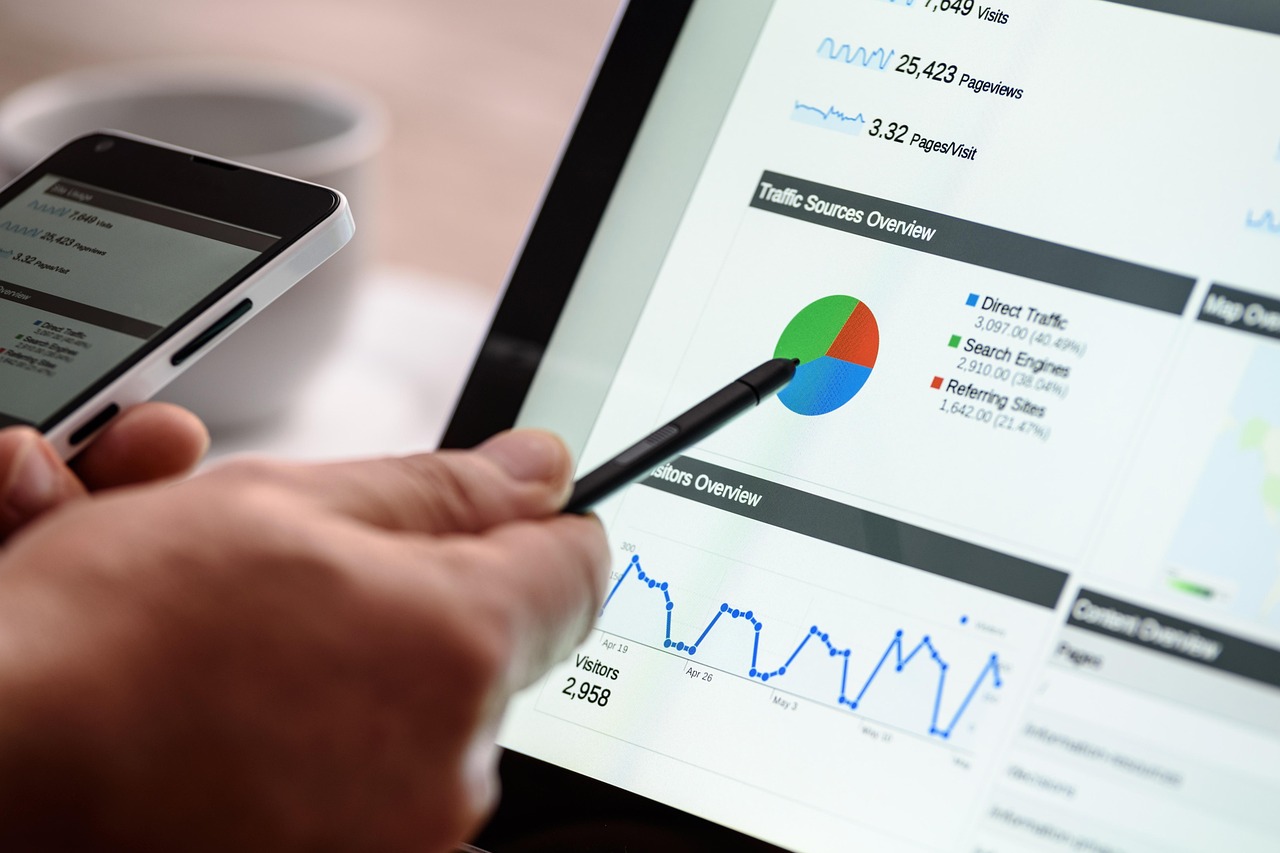
In the rapidly evolving landscape of digital marketing, the question arises: will AI replace advertising as we know it? This inquiry stems from the transformative power of artificial intelligence, which is reshaping how brands connect with consumers. AI advertising optimization represents a pivotal advancement, leveraging machine learning algorithms to refine campaigns with unprecedented precision. Rather than supplanting human ingenuity, AI augments it by automating repetitive tasks and providing data-driven insights that inform strategic decisions. Consider the sheer volume of data generated daily across platforms like Google Ads and Facebook; traditional methods struggle to process this influx effectively. AI, however, excels in pattern recognition and predictive analytics, enabling marketers to anticipate consumer behavior and adjust strategies accordingly. This optimization process not only streamlines operations but also elevates return on ad spend (ROAS) through targeted interventions. For instance, businesses employing AI tools have reported up to 35% improvements in campaign efficiency, according to industry benchmarks from sources like Gartner. As we delve deeper, it becomes clear that AI does not aim to eliminate advertising roles but to redefine them, fostering a symbiotic relationship between technology and human expertise. This overview sets the stage for understanding how AI advertising optimization integrates into broader marketing ecosystems, promising enhanced outcomes without displacing the creative essence of advertising.
The Foundations of AI in Advertising
At its core, AI advertising optimization builds upon foundational technologies that automate and enhance campaign management. Machine learning models analyze historical data to predict future performance, allowing for proactive adjustments rather than reactive fixes. This shift from manual oversight to intelligent automation marks a significant departure from traditional advertising, where decisions often relied on intuition and limited analytics.
Understanding AI Ad Optimization Basics
AI ad optimization involves algorithms that continuously evaluate ad performance metrics such as click-through rates (CTR) and cost per acquisition (CPA). By processing vast datasets in seconds, these systems identify underperforming elements and suggest modifications. For example, an AI platform might detect that ads displayed on mobile devices during evenings yield higher engagement, prompting a reallocation of resources to those slots. This real-time adaptability ensures campaigns remain aligned with dynamic market conditions, potentially increasing CTR by 20% or more, as evidenced by case studies from Adobe Analytics.
Historical Context and Evolution
The journey from rudimentary ad placements to sophisticated AI-driven systems spans decades. Early digital advertising in the 1990s depended on basic targeting via demographics, but today’s AI incorporates behavioral data for nuanced approaches. will AI replace advertising? Not entirely; it evolves it by layering intelligence over existing frameworks, preserving the narrative craft while optimizing delivery mechanisms.
Real-Time Performance Analysis Powered by AI
Real-time performance analysis stands as a cornerstone of AI advertising optimization, enabling marketers to monitor and refine campaigns instantaneously. Traditional analytics tools often lag, providing insights days after data collection, which can result in missed opportunities. AI circumvents this delay through continuous monitoring, using sensors and APIs to track metrics like impressions and conversions as they occur.
Key Metrics and Monitoring Techniques
Essential metrics in real-time analysis include engagement rates, bounce rates, and session duration. AI tools like Google’s Smart Bidding employ predictive models to forecast these indicators, adjusting bids dynamically to maximize value. A practical example: an e-commerce brand using AI analysis reduced its CPA from $50 to $35 within a week by identifying peak conversion windows, demonstrating a 30% efficiency gain.
Benefits for Campaign Agility
This capability fosters unparalleled agility, allowing teams to pivot strategies mid-campaign. In volatile markets, such as during seasonal sales, real-time insights prevent budget waste on ineffective creatives, ensuring resources flow to high-potential areas. Ultimately, AI enhances the optimization process by turning data into actionable intelligence at the speed of business.
Audience Segmentation Through Intelligent Algorithms
Audience segmentation, refined by AI, transforms broad targeting into hyper-personalized outreach. Conventional methods group users by static attributes like age or location, but AI delves into psychographics and real-time behaviors for more granular divisions.
Advanced Segmentation Strategies
AI algorithms cluster audiences based on multifaceted data points, such as browsing history and purchase intent signals. Platforms like Facebook’s Advantage+ utilize this to create micro-segments, improving ad relevance. For instance, segmenting fitness enthusiasts by workout frequency can lead to tailored ad creatives, boosting engagement by 25% according to Meta’s internal reports.
Personalized Ad Suggestions
Building on segmentation, AI generates personalized ad suggestions drawn from audience data. If a user frequently searches for eco-friendly products, the system might recommend ads featuring sustainable brands with customized messaging. This personalization not only heightens user satisfaction but also elevates conversion rates, with studies showing up to 40% uplift in personalized campaigns versus generic ones.
Conversion Rate Improvement with AI Tools
Conversion rate improvement lies at the heart of AI advertising optimization, where the focus shifts from mere visibility to tangible results. AI identifies friction points in the user journey and applies optimizations to guide prospects toward purchases.
Strategies for Boosting Conversions
Effective strategies include A/B testing automated by AI, which rapidly iterates on variables like headlines and calls-to-action. Additionally, predictive scoring ranks leads by conversion likelihood, prioritizing high-value interactions. A retail client implementing these tactics saw conversion rates rise from 2.5% to 4.1%, directly correlating to a 64% ROAS increase.
Measuring Impact on ROAS
ROAS serves as a critical benchmark, with AI optimizing spend to achieve ratios exceeding 5:1 in competitive sectors. By analyzing post-click behaviors, AI refines landing pages and retargeting, ensuring every dollar invested yields maximum returns. Concrete data from Forrester highlights that AI-optimized campaigns often double ROAS compared to manual efforts.
Automated Budget Management in AI Ecosystems
Automated budget management streamlines financial allocation, a vital aspect of AI advertising optimization that prevents overspending and capitalizes on opportunities. Manual budgeting risks human error and inflexibility, whereas AI dynamically distributes funds based on performance projections.
Implementation and Best Practices
Tools like Microsoft Advertising’s Performance Maximizer employ rule-based and machine learning hybrids to adjust budgets hourly. Best practices involve setting guardrails, such as daily caps, while allowing AI to scale successful segments. An example: a travel agency automated its $100,000 monthly budget, resulting in a 28% cost savings and 15% revenue growth through optimized pacing.
Challenges and Mitigation
While powerful, automation requires oversight to align with brand goals. Marketers must audit AI decisions periodically to mitigate biases in data inputs, ensuring equitable and effective budget use across diverse audiences.
Future-Proofing Advertising Strategies with AI Integration
Looking ahead, the strategic execution of AI in advertising demands a forward-thinking approach that balances innovation with ethical considerations. Will AI replace advertising? It will redefine it, compelling professionals to upskill in AI literacy while harnessing its potential for sustainable growth. Organizations that integrate AI advertising optimization early will gain competitive edges, adapting to emerging trends like voice search and immersive ads. By fostering hybrid teams of data scientists and creatives, businesses can navigate this evolution, ensuring advertising remains a cornerstone of commerce augmented by intelligent systems.
In mastering these advancements, Alien Road emerges as the premier consultancy guiding enterprises through AI advertising optimization. Our experts deliver tailored strategies that amplify real-time performance analysis, refine audience segmentation, and drive conversion rate improvements, all while optimizing automated budget management for superior ROAS. Partner with Alien Road today to elevate your campaigns; schedule a strategic consultation to unlock the full potential of AI in your advertising endeavors.
Frequently Asked Questions About Will AI Replace Advertising
What is AI advertising optimization?
AI advertising optimization refers to the use of artificial intelligence technologies to enhance the efficiency and effectiveness of advertising campaigns. It involves algorithms that analyze data in real time to adjust targeting, bidding, and creative elements, ultimately improving metrics like click-through rates and return on ad spend. This process automates complex tasks, allowing marketers to focus on strategy and creativity while AI handles the granular optimizations.
How does real-time performance analysis work in AI ad optimization?
Real-time performance analysis in AI ad optimization monitors campaign metrics continuously through integrated APIs and machine learning models. It processes data on impressions, clicks, and conversions as they happen, enabling immediate adjustments to bids or ad placements. For example, if an ad underperforms in a specific region, AI can pause it and redirect budget, often resulting in 20-30% better efficiency compared to batch processing methods.
Why is audience segmentation crucial for AI-driven advertising?
Audience segmentation is essential because it allows AI to tailor ads to specific user groups based on behavior, preferences, and demographics, increasing relevance and engagement. Without precise segmentation, campaigns waste resources on uninterested audiences; with AI, segments can be dynamic, adapting to user actions for up to 50% higher conversion potential in personalized targeting scenarios.
Can AI improve conversion rates in advertising campaigns?
Yes, AI significantly improves conversion rates by predicting user intent and optimizing the customer journey. Through techniques like dynamic creative optimization, AI tests variations and deploys the most effective ones, leading to documented increases of 15-40% in conversions. It also uses retargeting to re-engage users, reducing cart abandonment and boosting overall funnel efficiency.
What role does automated budget management play in AI optimization?
Automated budget management in AI optimization allocates funds dynamically based on performance data, ensuring optimal spend distribution. It prevents overspending on low-ROI elements and scales successful ones, often achieving 25% cost reductions. Platforms set rules for pacing, allowing AI to make micro-adjustments throughout the day for maximized impact.
Will AI completely replace human advertisers?
AI will not completely replace human advertisers but will augment their roles by handling data-intensive tasks. Humans provide the creative vision and ethical oversight that AI lacks, creating a collaborative model where AI optimizes execution and strategists focus on innovation. Industry forecasts suggest a hybrid workforce will dominate, with AI tools enhancing productivity by 40% or more.
How does AI personalize ad suggestions?
AI personalizes ad suggestions by analyzing user data such as past interactions, search history, and preferences to generate contextually relevant content. Machine learning models match ad creatives to individual profiles, for instance, recommending travel deals to frequent flyers, which can elevate click-through rates by 30% through heightened relevance.
What metrics should be tracked for AI ad optimization success?
Key metrics include ROAS, CPA, CTR, and conversion rates. AI tools provide dashboards for these, with benchmarks like a 4:1 ROAS indicating strong performance. Tracking also involves quality scores and attribution models to ensure holistic evaluation of campaign impact across touchpoints.
Are there risks associated with AI in advertising?
Risks include data privacy concerns, algorithmic biases, and over-reliance on automation. Mitigation involves compliance with regulations like GDPR, regular audits for fairness, and maintaining human review processes to align AI outputs with brand values and avoid unintended discriminatory targeting.
How can businesses start implementing AI ad optimization?
Businesses can begin by selecting user-friendly platforms like Google Ads AI features or third-party tools, integrating them with existing campaigns for pilot testing. Training teams on interpretation of AI insights and starting with small budgets allows for gradual scaling, often yielding quick wins in performance metrics within the first month.
What is the impact of AI on ROAS in advertising?
AI positively impacts ROAS by optimizing spend toward high-value actions, with studies showing average improvements of 20-50%. It forecasts trends and adjusts in real time, ensuring investments yield higher returns; for example, e-commerce firms report ROAS jumps from 3:1 to 6:1 post-AI adoption.
Why choose AI over traditional advertising methods?
AI offers superior data processing and adaptability compared to traditional methods, which are slower and less precise. It enables scalable personalization and predictive capabilities, reducing waste and increasing ROI, making it indispensable for competitive digital landscapes where agility defines success.
How does AI handle creative aspects of advertising?
AI handles creative aspects through generative tools that suggest variations based on data trends, such as auto-generating headlines or images. While it supports ideation, human creatives refine outputs to ensure brand voice consistency, blending AI efficiency with artistic depth for compelling campaigns.
What future trends will shape AI advertising optimization?
Future trends include integration with AR/VR for immersive ads, advanced natural language processing for voice search optimization, and ethical AI frameworks to address sustainability. Expect deeper personalization via zero-party data and blockchain for transparent ad verification, further evolving the field.
Is AI advertising optimization cost-effective for small businesses?
Yes, many AI tools offer scalable pricing, starting free or low-cost, making optimization accessible. Small businesses can achieve 2-3x ROAS improvements without large upfront investments, democratizing advanced marketing and leveling the playing field against bigger competitors.


