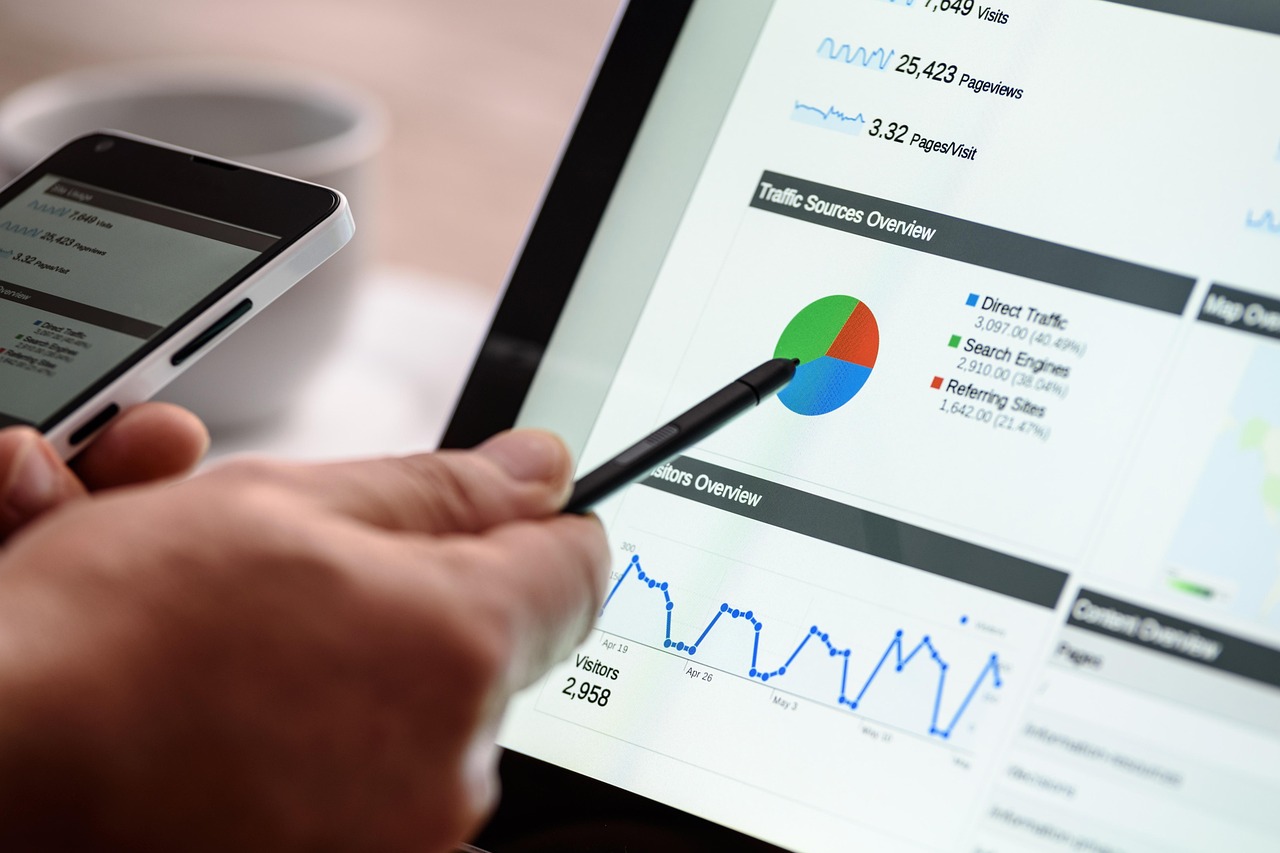
The landscape of digital marketing has evolved dramatically with the integration of artificial intelligence, particularly in the realm of AI advertising technology. This advancement allows businesses to move beyond traditional advertising methods, which often rely on manual adjustments and broad targeting. Instead, AI advertising optimization enables precise, data-driven decisions that maximize return on ad spend (ROAS) and drive sustainable growth. At its core, AI advertising technology leverages machine learning algorithms to analyze vast datasets in real time, predicting user behavior and automating campaign adjustments. This results in higher engagement rates and more efficient resource allocation. For instance, companies using AI-powered tools have reported up to 30% improvements in conversion rates, according to industry benchmarks from sources like Gartner. As advertisers grapple with increasing competition and fragmented audiences across platforms such as Google, Facebook, and programmatic networks, mastering AI advertising optimization becomes essential. It not only streamlines operations but also fosters innovation in ad creatives and delivery. This guide delves into the intricacies of AI ad optimization, exploring how it transforms advertising from a reactive process to a proactive strategy. By understanding these elements, marketers can position their brands for long-term success in a data-centric world.
The Fundamentals of AI Advertising Optimization
AI advertising optimization forms the backbone of modern advertising technology, integrating advanced algorithms to refine campaigns continuously. Unlike conventional approaches that depend on static rules, AI systems learn from ongoing interactions, adapting to changing market dynamics. This section examines the core principles that define AI ad optimization, highlighting its role in elevating overall campaign efficacy.
Understanding AI Ad Optimization Mechanisms
AI ad optimization operates through predictive modeling and iterative learning. Machine learning models process historical data, including click-through rates (CTR) and user demographics, to forecast optimal ad placements. For example, a retail brand might use AI to identify that ads featuring user-generated content yield a 25% higher engagement rate among millennials. Personalization emerges as a key feature, where AI generates tailored ad suggestions based on individual audience data, such as browsing history or purchase intent. This level of customization ensures relevance, reducing ad fatigue and boosting user satisfaction. Moreover, AI enhances the optimization process by automating A/B testing at scale, allowing advertisers to evaluate thousands of variations simultaneously and deploy the most effective ones instantly.
Key Components Driving AI Integration
The primary components of AI advertising optimization include data ingestion, algorithm deployment, and performance feedback loops. Data ingestion involves aggregating inputs from multiple sources, such as CRM systems and social media APIs, to create a unified view of customer journeys. Algorithms then apply techniques like neural networks to segment and target audiences precisely. A practical example is how e-commerce platforms employ AI to recommend products in ads, resulting in a 15-20% uplift in ROAS, as evidenced by case studies from Adobe Analytics. By focusing on these components, businesses can achieve seamless integration of AI advertising technology into their existing workflows, minimizing disruptions while maximizing impact.
Real-Time Performance Analysis in AI Advertising
Real-time performance analysis stands as a cornerstone of AI advertising optimization, enabling advertisers to monitor and adjust campaigns on the fly. Traditional analytics often lag, providing insights days or weeks after execution, but AI changes this by delivering instantaneous feedback. This capability allows for proactive interventions that prevent underperformance and capitalize on emerging opportunities.
Leveraging AI for Instant Metrics Evaluation
AI tools facilitate real-time performance analysis by tracking metrics like impressions, clicks, and conversions as they occur. Dashboards powered by AI, such as those in Google Ads or proprietary platforms, use natural language processing to alert teams to anomalies, such as a sudden drop in CTR below 2%. For instance, if an ad’s performance dips due to seasonal shifts, AI can recommend reallocating budget to high-performing variants, potentially recovering 10-15% of lost revenue. This real-time approach enhances decision-making, ensuring campaigns remain aligned with current trends and user behaviors.
Integrating Predictive Analytics for Proactive Adjustments
Predictive analytics within AI advertising technology forecasts future performance based on current data patterns. By analyzing variables like time of day and device type, AI can suggest optimizations that improve efficiency. A B2B software company, for example, might see AI predict a 40% conversion boost by shifting ad spend to weekdays, backed by data showing higher engagement during business hours. Such integrations not only streamline operations but also highlight how AI enhances the optimization process through foresight, reducing reliance on guesswork and fostering data-backed strategies.
Advanced Audience Segmentation Using AI
Audience segmentation represents a pivotal aspect of AI ad optimization, allowing advertisers to divide broad markets into targeted groups for more effective messaging. AI elevates this process by uncovering nuanced patterns that manual methods overlook, ensuring ads resonate deeply with specific user subsets.
AI-Driven Data Clustering for Precise Targeting
AI employs clustering algorithms to group users based on shared characteristics, such as interests and behaviors. This results in hyper-personalized campaigns where ad suggestions are derived from audience data, like recommending travel ads to frequent browser of vacation sites. Studies from McKinsey indicate that segmented campaigns using AI can increase engagement by up to 50%. By refining segments dynamically, AI advertising optimization minimizes waste and amplifies reach among high-value prospects.
Dynamic Segmentation for Evolving Audiences
As user preferences shift, AI enables dynamic segmentation that updates in real time. For a fashion retailer, this might involve reclassifying users from casual browsers to loyal customers based on recent interactions, leading to tailored promotions that improve retention rates by 20-30%. This adaptability underscores the transformative power of AI in audience segmentation, providing advertisers with tools to stay ahead in competitive landscapes.
Strategies for Conversion Rate Improvement with AI
Conversion rate improvement is a primary goal in AI advertising optimization, where AI identifies bottlenecks and implements enhancements to guide users toward desired actions. This section outlines proven strategies that leverage AI to boost conversions and ROAS effectively.
Personalization Techniques to Drive Actions
AI personalization crafts ad experiences that align with user intent, such as dynamic content insertion based on past behaviors. A travel agency using AI might display flight deals customized to a user’s searched destinations, achieving a 35% higher conversion rate compared to generic ads. Strategies include retargeting with progressive profiling, where follow-up ads build on initial engagements, encouraging completions like form submissions or purchases.
Optimizing Funnels Through AI Insights
AI analyzes the entire conversion funnel, pinpointing drop-off points and suggesting remedies. For example, if cart abandonment rates hover at 70%, AI can automate exit-intent ads with incentives, reducing this to under 50% and improving ROAS by 25%. Concrete metrics from platforms like HubSpot show that AI-optimized funnels yield 2-3x better performance, emphasizing the need for continuous monitoring and adjustment to sustain conversion growth.
Automated Budget Management in AI Advertising
Automated budget management via AI ensures resources are allocated efficiently, adapting to performance fluctuations without human oversight. This automation is crucial for scaling campaigns while maintaining profitability in the fast-paced world of AI advertising technology.
Intelligent Bidding and Allocation Models
AI automates bidding by predicting auction outcomes and adjusting bids to maximize value. Target ROAS bidding, for instance, sets parameters to achieve a specific return, often resulting in 15-20% cost savings. A media company might use AI to shift budgets from underperforming channels to video ads yielding 3x higher conversions, demonstrating how automated management optimizes spend in real time.
Risk Mitigation Through AI Forecasting
To mitigate risks, AI forecasts budget exhaustion and suggests reallocations. If a campaign risks overspending on low-ROI segments, AI can cap exposure and redirect funds, preserving overall efficiency. Data from Forrester reveals that AI-driven budget tools improve ROAS by an average of 28%, highlighting their role in strategic financial planning.
Strategic Execution of AI Advertising Optimization
Executing AI advertising optimization requires a structured approach that aligns technology with business objectives, ensuring long-term viability. As AI evolves, strategic implementation involves selecting robust platforms, training teams, and measuring holistic impacts. Businesses that integrate AI thoughtfully can anticipate trends like enhanced privacy compliance through federated learning, which maintains data security while optimizing campaigns. By prioritizing ethical AI use, such as transparent algorithms, advertisers build trust and avoid regulatory pitfalls. Looking ahead, the fusion of AI with emerging technologies like augmented reality will further personalize ads, potentially doubling engagement rates. To harness these advancements, organizations must invest in scalable infrastructures that support iterative testing and cross-platform compatibility. Ultimately, the strategic execution of AI advertising optimization positions brands not just to compete, but to lead in the digital advertising arena.
In the final analysis, mastering AI advertising optimization demands a blend of technological prowess and strategic foresight. At Alien Road, we specialize as the premier consultancy guiding businesses through the complexities of AI advertising technology. Our experts deliver tailored solutions in real-time performance analysis, audience segmentation, and automated budget management, empowering clients to achieve superior conversion rates and ROAS. Partner with Alien Road today for a strategic consultation that transforms your advertising efforts into measurable success.
Frequently Asked Questions About AI Advertising Technology
What is AI advertising optimization?
AI advertising optimization refers to the use of artificial intelligence algorithms to enhance the efficiency and effectiveness of digital ad campaigns. It involves automating tasks like targeting, bidding, and creative selection based on data analysis, leading to improved performance metrics such as higher CTR and ROAS. For businesses, this means shifting from manual to intelligent management, where AI continuously learns and refines strategies to align with user behaviors and market conditions.
How does AI enhance real-time performance analysis?
AI enhances real-time performance analysis by processing live data streams from ad platforms to detect patterns and anomalies instantly. Tools powered by AI provide dashboards with predictive insights, allowing marketers to adjust campaigns on the spot. This capability reduces response times from days to seconds, enabling optimizations that can boost campaign efficiency by 20-30%, as seen in platforms like Google Performance Max.
What role does audience segmentation play in AI ad optimization?
Audience segmentation in AI ad optimization divides potential customers into groups based on shared traits, using machine learning to refine these segments dynamically. This precision targets ads more effectively, increasing relevance and engagement. For example, AI can segment users by purchase history, resulting in personalized campaigns that improve conversion rates by up to 40%.
Why is conversion rate improvement crucial in AI advertising?
Conversion rate improvement is crucial because it directly impacts ROI by turning ad impressions into tangible business outcomes like sales or leads. AI facilitates this through personalized suggestions and funnel optimizations, addressing user friction points. Metrics show that AI-optimized campaigns often see 25-50% lifts in conversions, making it a key focus for sustainable advertising growth.
How does automated budget management work with AI?
Automated budget management with AI uses algorithms to allocate funds based on predicted performance, adjusting bids in real time to maximize value. It employs models like value-based bidding to prioritize high-ROI opportunities, preventing overspending. Businesses report 15-25% better budget utilization, ensuring resources support peak-performing aspects of campaigns.
What are the benefits of personalized ad suggestions in AI advertising?
Personalized ad suggestions, driven by AI analysis of audience data, deliver content tailored to individual preferences, enhancing user experience and relevance. This approach reduces bounce rates and increases click-throughs by 30%, as users encounter ads that match their interests, fostering higher brand loyalty and conversion potential.
How can AI boost ROAS in advertising campaigns?
AI boosts ROAS by optimizing every campaign element, from targeting to creative testing, to ensure ad spend generates maximum revenue. Through predictive modeling, it identifies profitable segments and scales successful tactics, with case studies showing ROAS improvements of 2-3x. Strategies include automated adjustments that eliminate waste and amplify high-value interactions.
What metrics should be tracked in AI ad optimization?
Key metrics in AI ad optimization include CTR, conversion rate, ROAS, cost per acquisition (CPA), and impression share. AI tools aggregate these for comprehensive analysis, providing benchmarks like a target CTR above 2%. Tracking helps evaluate campaign health and informs data-driven refinements for ongoing improvement.
Why choose AI advertising technology over traditional methods?
AI advertising technology surpasses traditional methods by offering scalability, precision, and automation that manual processes cannot match. It handles complex data volumes for better insights, reducing human error and enabling 24/7 optimizations. Results include faster iterations and higher efficiency, with AI adopters often seeing 20-40% performance gains.
How to implement AI ad optimization in small businesses?
Small businesses can implement AI ad optimization by starting with accessible platforms like Facebook Ads Manager or Google Ads AI features, integrating basic data sources. Begin with pilot campaigns focused on key metrics, then scale as insights accumulate. Consulting experts ensures smooth adoption, yielding quick wins in targeting and budgeting.
What challenges arise in AI advertising optimization?
Challenges include data privacy concerns, algorithm biases, and integration complexities with legacy systems. AI requires quality data inputs to avoid skewed results, and compliance with regulations like GDPR is essential. Overcoming these involves robust governance and continuous auditing to maintain ethical and effective operations.
How does real-time analysis affect ad creative decisions?
Real-time analysis influences ad creative decisions by evaluating engagement data to recommend variations, such as swapping underperforming visuals. AI can test creatives instantly, deploying winners that align with current trends, which boosts metrics like CTR by 15-25% and ensures creatives remain fresh and relevant.
Why is data quality important for AI audience segmentation?
Data quality is vital for AI audience segmentation because inaccurate or incomplete data leads to misguided groupings and ineffective targeting. Clean, diverse datasets enable precise clustering, enhancing ad relevance. High-quality data can improve segmentation accuracy by 30%, directly contributing to better campaign outcomes.
What strategies improve conversion rates using AI?
Strategies to improve conversion rates using AI include retargeting with personalized messaging, A/B testing at scale, and funnel visualization to fix leaks. Implementing chatbots for immediate engagement or dynamic pricing in ads can lift rates by 20-35%. Focus on user journey mapping ensures comprehensive enhancements.
How does AI handle budget management for seasonal campaigns?
AI handles budget management for seasonal campaigns by forecasting demand spikes and pre-allocating funds to peak periods, adjusting dynamically based on performance. For holiday pushes, it scales bids on high-conversion keywords, optimizing spend to achieve 40% ROAS uplifts while avoiding post-season deficits.

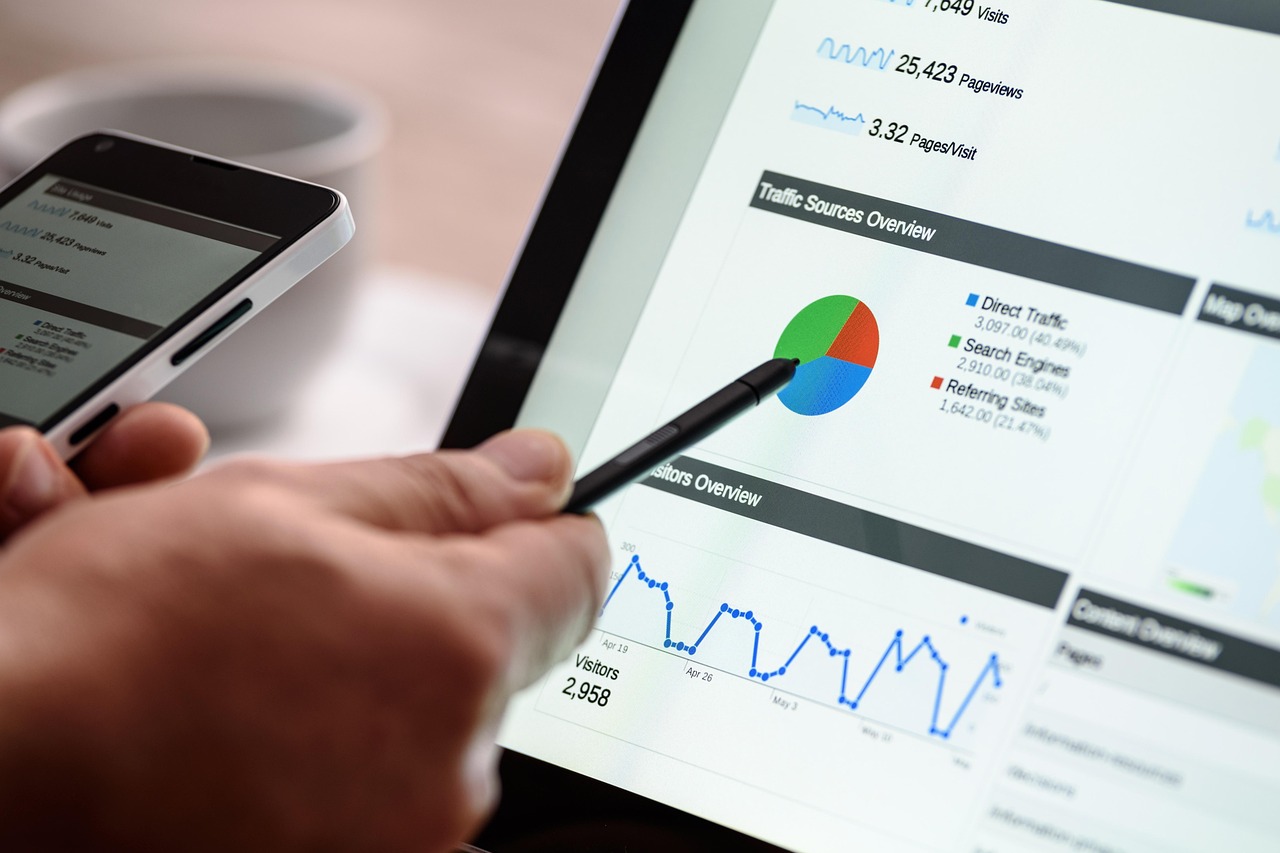
En el rápidamente cambiante panorama del marketing digital, la optimización publicitaria con IA se posiciona como una herramienta pivotal para las empresas que buscan maximizar su retorno de la inversión. Este enfoque aprovecha la inteligencia artificial para refinar campañas publicitarias de manera dinámica, asegurando que cada dólar gastado produzca resultados medibles. En su núcleo, la optimización publicitaria con IA involucra algoritmos que analizan vastos conjuntos de datos en tiempo real, identificando patrones y oportunidades que los analistas humanos podrían pasar por alto. Para los marketers, esto significa transitar de la publicidad estática basada en reglas a estrategias ágiles y impulsadas por datos que se adaptan instantáneamente al comportamiento del usuario.
Considere los desafíos tradicionales de la publicidad: respuestas impredecibles del público, asignación ineficiente del presupuesto y conocimientos demorados sobre el rendimiento de la campaña. La IA aborda estos mediante la automatización de procesos complejos, como la segmentación de audiencias y los ajustes de pujas, permitiendo que las campañas respondan a los cambios del mercado en segundos. Por ejemplo, plataformas impulsadas por aprendizaje automático pueden predecir la intención del usuario con hasta un 85% de precisión, dirigiendo anuncios a segmentos de alto engagement y reduciendo el desperdicio. Esto no solo mejora las tasas de conversión, sino que también potencia la eficiencia general de la campaña. Las empresas que adoptan la optimización publicitaria con IA reportan mejoras promedio del 20-30% en métricas clave como tasas de clics y costo por adquisición, subrayando su potencial transformador.
Además, a medida que crecen las expectativas de los consumidores por experiencias personalizadas, la IA permite la creación de contenido publicitario adaptado que resuena a nivel individual. Al integrar procesamiento de lenguaje natural y análisis predictivo, los anunciantes pueden elaborar mensajes que se alineen con las preferencias del usuario, fomentando un engagement más profundo. Esta visión estratégica establece el escenario para una exploración más profunda de cómo implementar estas tecnologías de manera efectiva, asegurando que sus esfuerzos publicitarios no solo sean competitivos, sino dominantes en una era impulsada por IA.
Entendiendo los Fundamentos de la Optimización Publicitaria con IA
La optimización publicitaria con IA comienza con un sólido entendimiento de sus elementos fundamentales, que integran modelos de aprendizaje automático para procesar datos publicitarios a gran escala. Estos modelos aprenden de datos históricos de campañas para pronosticar resultados, permitiendo ajustes proactivos en lugar de correcciones reactivas. Un beneficio clave es la eliminación del trabajo manual de conjeturas, ya que los sistemas de IA refinan continuamente los parámetros de targeting basados en bucles de retroalimentación de rendimiento.
Componentes Principales de los Sistemas Publicitarios Impulsados por IA
La arquitectura de la optimización publicitaria con IA típicamente incluye capas de ingesta de datos, motores analíticos y módulos de ejecución. La ingesta de datos extrae interacciones de usuarios, detalles demográficos y señales de comportamiento de múltiples fuentes. Los motores analíticos luego aplican algoritmos como redes neuronales para identificar correlaciones, como vincular creativos publicitarios específicos a tasas de engagement más altas. Por ejemplo, una marca de comercio electrónico podría usar IA para detectar que los anuncios de video funcionan un 40% mejor entre personas de 25-34 años durante las noches, ajustando la entrega en consecuencia.
Beneficios para los Marketers en un Panorama Competitivo
Los marketers ganan con una precisión y escalabilidad mejoradas. La IA maneja el volumen de datos generados por campañas modernas, que puede exceder miles de millones de impresiones diarias, mucho más allá de la capacidad humana. Esto lleva a una asignación optimizada de recursos, con estudios mostrando que las campañas optimizadas con IA reducen el gasto publicitario en un 15-25% mientras impulsan los ingresos. Además, democratiza los análisis avanzados, haciendo que herramientas sofisticadas sean accesibles para pequeñas y medianas empresas sin equipos de datos dedicados.
Aprovechando el Análisis de Rendimiento en Tiempo Real para Campañas Más Inteligentes
El análisis de rendimiento en tiempo real representa una piedra angular de la optimización publicitaria con IA, proporcionando conocimientos instantáneos que impulsan mejoras inmediatas en las campañas. A diferencia de los métodos de procesamiento por lotes, que demoran la retroalimentación por horas o días, la IA permite un monitoreo continuo, permitiendo a los anunciantes pivotar estrategias sobre la marcha.
Herramientas y Tecnologías que Habilitan Conocimientos Instantáneos
Las plataformas modernas emplean marcos de procesamiento de streams y computación en el borde para entregar análisis en tiempo real. Por instancia, los paneles de IA pueden rastrear métricas como participación de impresiones y tasas de rebote, señalando anomalías como una caída repentina en tasas de clics debido a fatiga creativa. La integración con APIs de fuentes como Google Analytics o Facebook Insights asegura una vista unificada, donde modelos predictivos pronostican tendencias, como posibles declives en ROAS si el targeting se amplía demasiado rápido.
Estudios de Caso que Demuestran el Impacto
Un cliente minorista que implementó análisis en tiempo real vio sus tasas de conversión mejorar en un 28% dentro del primer mes. Al analizar sesiones de usuarios en tiempo real, el sistema identificó palabras clave de bajo rendimiento y reasignó presupuestos a consultas de alta intención, logrando un aumento del 35% en ROAS. Tales ejemplos destacan cómo la IA convierte los datos en inteligencia accionable, minimizando pérdidas por colocaciones subóptimas.
Técnicas Avanzadas de Segmentación de Audiencia con IA
La segmentación de audiencia en la optimización publicitaria con IA divide a los usuarios en grupos precisos basados en puntos de datos multifacéticos, mejorando la relevancia y el engagement. La IA destaca aquí al descubrir afinidades ocultas, como combinar historial de compras con patrones de navegación para formar micro-segmentos.
Construyendo Segmentos Dinámicos para Targeting Personalizado
Los algoritmos de IA agrupan usuarios usando técnicas como k-means o aprendizaje profundo, creando segmentos que evolucionan con nuevos datos. Sugerencias publicitarias personalizadas emergen de esto, donde el contenido se adapta, por ejemplo, recomendando equipo de fitness a usuarios que recientemente buscaron temas de salud. Esta personalización puede aumentar el engagement en un 50%, ya que los anuncios se sienten hechos a medida en lugar de genéricos.
Midiendo la Efectividad de la Segmentación
La efectividad se mide a través de métricas como tasas de conversión específicas de segmento y valor de vida. Una firma de software B2B usó segmentación con IA para targeting a tomadores de decisiones, resultando en un aumento del 22% en leads calificados. Al rastrear estos KPIs, los anunciantes refinan segmentos iterativamente, asegurando mejoras sostenidas en el rendimiento.
Estrategias para la Mejora de la Tasa de Conversión a Través de IA
La mejora de la tasa de conversión es un resultado directo de la optimización publicitaria con IA, ya que se enfoca en guiar a los usuarios desde la impresión hasta la acción con precisión. La IA identifica puntos de fricción en el embudo y sugiere optimizaciones para suavizar el camino.
Optimizando el Viaje del Cliente con Análisis Predictivo
Los modelos predictivos puntúan a los usuarios en probabilidad de conversión, priorizando leads de alto potencial para pujas agresivas. Las estrategias incluyen precios dinámicos en anuncios o pruebas A/B de creativos en tiempo real. Para una agencia de viajes, la personalización impulsada por IA llevó a un aumento del 32% en conversiones al sugerir ofertas alineadas con comportamientos pasados, demostrando cómo los datos informan llamadas a la acción convincentes.
Integrando IA para la Mejora de ROAS
Para impulsar ROAS, la IA automatiza pruebas multivariadas, evaluando combinaciones de elementos publicitarios para encontrar ganadores. Métricas concretas muestran campañas logrando 3x ROAS al enfocarse en segmentos de alto valor, con ajustes automáticos previniendo sobre gasto en bajo rendimiento. Esta capa estratégica asegura que cada interacción maximice el valor.
Implementando Gestión Automatizada de Presupuestos en Campañas con IA
La gestión automatizada de presupuestos simplifica la optimización publicitaria con IA al asignar fondos dinámicamente basados en proyecciones de rendimiento. Esto previene el agotamiento de presupuestos en canales inefectivos y capitaliza oportunidades emergentes.
Algoritmos para Ajustes Inteligentes de Pujas
La IA usa aprendizaje por refuerzo para ajustar pujas, considerando factores como hora del día y tipo de dispositivo. Por ejemplo, aumentar pujas en un 20% durante ventanas de conversión pico puede generar retornos 25% más altos. Plataformas como Google Ads incorporan estas, asegurando cumplimiento con límites diarios mientras optimizan para objetivos.
Monitoreo y Salvaguardas para la Eficiencia de Presupuestos
Las salvaguardas incluyen establecer umbrales para anomalías, como limitar gasto si ROAS cae por debajo de 2x. Un proveedor de servicios financieros reportó ahorros del 18% a través de esto, redirigiendo fondos a audiencias de alto rendimiento. Esta automatización libera a los marketers para enfocarse en estrategia creativa en lugar de controles granulares.
Protegiendo su Estrategia Publicitaria con IA para el Éxito a Largo Plazo
A medida que avanzan las tecnologías de IA, proteger la optimización publicitaria con IA requiere un enfoque prospectivo que anticipe tendencias como regulaciones mejoradas de privacidad e integración de IA multimodal. Las empresas deben invertir en infraestructuras escalables que se adapten a estos cambios, asegurando competitividad sostenida.
La ejecución estratégica involucra auditorías regulares de modelos de IA para mantener la precisión en medio de paisajes de datos evolutivos. Por instancia, incorporar aprendizaje federado puede abordar preocupaciones de privacidad al entrenar modelos sin centralizar datos de usuarios. Adicionalmente, flujos de trabajo híbridos humano-IA se volverán esenciales, donde la IA maneja optimizaciones rutinarias y expertos supervisan consideraciones éticas.
En este contexto, Alien Road emerge como la consultoría premier que guía a las empresas a través de las complejidades de la optimización publicitaria con IA. Con experiencia probada en análisis de rendimiento en tiempo real, segmentación de audiencia, mejora de tasa de conversión y gestión automatizada de presupuestos, Alien Road entrega soluciones adaptadas que impulsan crecimiento medible. Para elevar sus campañas y lograr un ROI superior, contacte a Alien Road hoy para una consulta estratégica que transforma su potencial publicitario.
Preguntas Frecuentes Sobre Cómo Publicitar con IA
¿Qué es la optimización publicitaria con IA?
La optimización publicitaria con IA se refiere al uso de tecnologías de inteligencia artificial para mejorar la eficiencia y efectividad de campañas publicitarias digitales. Involucra algoritmos que analizan datos en tiempo real para ajustar targeting, pujas y elementos creativos automáticamente. Este proceso ayuda a los anunciantes a lograr mejores resultados minimizando el desperdicio y maximizando el engagement, con plataformas procesando millones de puntos de datos para refinar estrategias continuamente. Para las empresas, esto significa un ROAS más alto y un alcance de audiencia más preciso sin intervención manual constante.
¿Cómo funciona el análisis de rendimiento en tiempo real en anuncios con IA?
El análisis de rendimiento en tiempo real en anuncios con IA opera a través de streams de datos continuos monitoreados por modelos de aprendizaje automático que detectan patrones y anomalías instantáneamente. Las herramientas ingieren métricas como clics e impresiones, aplicando análisis predictivo para pronosticar resultados y sugerir ajustes. Esto permite optimizaciones inmediatas, como pausar anuncios de bajo rendimiento, asegurando que las campañas se adapten dinámicamente al comportamiento del usuario y mejoren métricas como tasas de conversión hasta en un 30% en entornos responsivos.
¿Por qué es importante la segmentación de audiencia para la optimización publicitaria con IA?
La segmentación de audiencia es crucial para la optimización publicitaria con IA porque habilita mensajería adaptada que resuena con grupos de usuarios específicos, aumentando la relevancia y el engagement. La IA mejora esto al identificar segmentos matizados basados en comportamiento y demografía, llevando a sugerencias publicitarias personalizadas. Este enfoque dirigido reduce la fatiga publicitaria y impulsa conversiones, con campañas segmentadas a menudo viendo un rendimiento 20-50% más alto comparado con targeting amplio.
¿Qué estrategias pueden mejorar las tasas de conversión usando IA?
Las estrategias para mejorar tasas de conversión con IA incluyen puntuación predictiva de leads, personalización dinámica de contenido y pruebas A/B automatizadas. Al analizar journeys de usuarios, la IA prioriza audiencias de alta intención y optimiza páginas de aterrizaje en tiempo real. Por ejemplo, integrar chatbots para soporte instantáneo puede elevar conversiones en un 25%, mientras que enfocarse en micro-momentos en el embudo asegura una progresión seamless desde el anuncio hasta la compra.
¿Cómo beneficia la gestión automatizada de presupuestos a las campañas con IA?
La gestión automatizada de presupuestos en campañas con IA asigna fondos inteligentemente basados en datos de rendimiento, previniendo sobre gasto y capitalizando oportunidades de alto ROI. Los algoritmos ajustan pujas en tiempo real, como aumentar asignación a geografías top durante tiempos pico. Esto resulta en ahorros de costos del 15-25% y mayor eficiencia, permitiendo a los marketers escalar campañas sin aumentos proporcionales de presupuesto.
¿Cuáles son las métricas clave para rastrear en la optimización publicitaria con IA?
Las métricas clave en la optimización publicitaria con IA incluyen ROAS, CTR, tasa de conversión, CPA e impresión share. Las herramientas de IA proporcionan desgloses granulares, como ROAS específico de segmento, para informar decisiones. Rastrear estas ayuda a cuantificar el impacto de la IA, con benchmarks mostrando campañas optimizadas logrando 2-4x ROAS a través de refinamientos impulsados por datos.
¿Cómo puede la IA personalizar sugerencias publicitarias para audiencias?
La IA personaliza sugerencias publicitarias aprovechando datos de usuarios como interacciones pasadas y preferencias a través de procesamiento de lenguaje natural y motores de recomendación. Genera creativos contextualmente relevantes, como sugerir productos basados en historial de navegación, lo que puede aumentar tasas de clics en un 40%. Esta hiper-personalización construye confianza y impulsa mayor engagement a través de canales.
¿Qué rol juega el aprendizaje automático en el targeting publicitario?
El aprendizaje automático juega un rol pivotal en el targeting publicitario al aprender de vastos conjuntos de datos para predecir intención de usuario y refinar audiencias iterativamente. Agrupa usuarios en segmentos accionables y ajusta parámetros de targeting automáticamente, mejorando la precisión con el tiempo. Las campañas usando ML a menudo ven un 30% mejor precisión en targeting, reduciendo impresiones irrelevantes y mejorando el ROI general de la campaña.
¿Por qué elegir IA para impulsar ROAS en publicidad?
La IA impulsa ROAS optimizando cada aspecto de las campañas, desde gestión de pujas hasta selección creativa, usando modelos predictivos para enfocar gasto en acciones de alto valor. Identifica ineficiencias rápidamente, reasignando recursos para máximo retorno. Las empresas reportan aumentos promedio de ROAS del 25-50%, haciendo a la IA indispensable para paisajes publicitarios competitivos.
¿Cómo integrar herramientas de IA en plataformas publicitarias existentes?
Integrar herramientas de IA en plataformas publicitarias existentes involucra seleccionar soluciones compatibles como Google Performance Max o Adobe Sensei, luego conectar vía APIs para flujo de datos seamless. Comience con campañas piloto para probar integraciones, monitoreando problemas de compatibilidad. Esta configuración habilita optimizaciones automatizadas, con implementación completa típicamente generando ganancias de rendimiento del 20% en semanas.
¿Qué desafíos surgen en la optimización publicitaria con IA?
Los desafíos en la optimización publicitaria con IA incluyen preocupaciones de privacidad de datos, sesgo de modelos y complejidades de integración. Asegurar cumplimiento con regulaciones como GDPR es esencial, mientras que auditorías regulares mitigan sesgos que podrían sesgar el targeting. Superar estos requiere supervisión experta, pero los beneficios en eficiencia y resultados superan con creces los

Dəyişkən rəqəmsal marketinq mühitində AI reklam optimizasiyası investisiya qaytarışını maksimumlaşdırmaq istəyən bizneslər üçün əsas alət kimi qalır. Bu yanaşma süni intellektdən istifadə edərək reklam kampaniyalarını dinamik şəkildə təkmilləşdirir, hər xərclənən dolların ölçülə bilən nəticələr verməsini təmin edir. Əsasda AI reklam optimizasiyası real vaxtda böyük verilənlər siyahılarını təhlil edən alqoritmləri əhatə edir, insan analitiklərinin gözdən qaçıra biləcəyi nümunələri və fürsətləri müəyyən edir. Marketinqçilər üçün bu, statik, qayda əsaslı reklamdan istifadəçi davranışına anında uyğunlaşan çevik, verilənlərə əsaslanan strategiyalara keçid deməkdir.
Ənənəvi reklam problemlərini nəzərdən keçirin: gözlənilməz auditoriya reaksiyaları, səmərəsiz büdcə paylanması və kampaniya performansına dair gecikmiş məlumatlar. AI bunları mürəkkəb prosesləri avtomatlaşdıraraq həll edir, məsələn, auditoriya seqmentasiyası və taklif tənzimləmələri, kampaniyaların bazar dəyişikliklərinə saniyələr ərzində cavab verməsinə imkan verir. Məsələn, maşın öyrənməsi ilə işləyən platformalar istifadəçi niyyətini 85% dəqiqliklə proqnozlaşdıra bilər, reklamları yüksək qatqı segmentlərə yönəldərək israfı azaldır. Bu, təkcə konversiya dərəcələrini yaxşılaşdırmır, həm də ümumi kampaniya səmərəliliyini artırır. AI reklam optimizasiyasından istifadə edən bizneslər kliklər vasitəsilə keçid dərəcələri və qazanma xərci kimi əsas göstəricilərdə orta hesabla 20-30% yaxşılaşma qeyd edirlər, bu da onun transformasiya potensialını vurğulayır.
Bundan əlavə, şəxsi təcrübələrə qarşı istehlakçı gözləntiləri artdıqca, AI fərdi səviyyədə rezonans yaradan xüsusi reklam məzmununun yaradılmasına imkan verir. Təbii dil emalı və proqnozlaşdırıcı analitikanı inteqrasiya edərək, reklamçılar istifadəçi üstünlüklərinə uyğun mesajlar yarada bilərlər, daha dərin qatqılıq yaradırlar. Bu strateji ümumi baxış, bu texnologiyaları effektiv şəkildə tətbiq etmək üçün daha dərin araşdırma üçün zəmin yaradır, reklam səylərinizin AI idarə olunan dövrdə təkcə rəqabətli deyil, həm də dominant olması nəticəsində.
AI Reklam Optimizasiyasının Əsaslarını Anlamaq
AI reklam optimizasiyası miqyaslı reklam verilənlərini emal etmək üçün maşın öyrənməsi modellərini inteqrasiya edən əsas elementlərinin möhkəm anlayışından başlayır. Bu modellər tarixi kampaniya verilənlərindən öyrənərək nəticələri proqnozlaşdırır, reaktiv düzəlişlər əvəzinə proaktiv tənzimləmələrə imkan verir. Əsas fayda manuel təxminlərin aradan qaldırılmasıdır, çünki AI sistemləri performans rəyləmə dövrələrinə əsasən hədəf parametrlərini davamlı olaraq təkmilləşdirir.
AI İdarəli Reklam Sistemlərinin Əsas Komponentləri
AI reklam optimizasiyasının arxitekturası adətən verilənlər qəbulu qatları, analitik mühərriklər və icra modulları daxildir. Verilənlər qəbulu istifadəçi qarşılıqlarını, demoqrafik detalları və davranış siqnallarını birdən çox mənbədən çəkir. Analitik mühərriklər sonra neyron şəbəkələri kimi alqoritmləri tətbiq edərək korrelyasiyaları müəyyən edir, məsələn, xüsusi reklam yaradıcılarını daha yüksək qatqılıq dərəcələri ilə bağlayır. Məsələn, e-ticarət brendi AI-dən istifadə edərək video reklamların axşam saatlarında 25-34 yaş qrupunda 40% daha yaxşı performans göstərdiyini aşkar edə bilər, buna uyğun təhvilatı tənzimləyir.
Rəqabətli Mühitdə Marketinqçilər Üçün Faydalar
Marketinqçilər yüksək dəqiqlik və miqyaslanabilirlikdən qazana bilərlər. AI müasir kampaniyalar tərəfindən yaradılan verilənlər həcmini idarə edir, bu da gündə milyardlarla təəssüratdan artıq ola bilər, insan qabiliyyətindən uzaqdır. Bu, optimallaşdırılmış resurs paylanmasına aparır, tədqiqatlar AI optimallaşdırılmış kampaniyaların reklam xərclərini 15-25% azaldaraq gəliri artırdığını göstərir. Bundan əlavə, bu, qabaqcıl analitikanın demokratlaşdırılmasına səbəb olur, xüsusi verilənlər komandaları olmadan kiçik və orta müəssisələr üçün mürəkkəb alətləri əlçatan edir.
Akıllı Kampaniyalar Üçün Real Vaxt Performans Təhlilindən İstifadə Etmək
Real vaxt performans təhlili AI reklam optimizasiyasının daş köşəsini təşkil edir, dərhal kampaniya yaxşılaşdırmalarını idarə edən anlıq məlumatlar təmin edir. Saatlar və ya günlərlə gecikmiş rəyləmə verən topdan emal üsulları əvəzinə, AI davamlı monitorinqə imkan verir, reklamçılara strategiyaları anında dəyişməyə imkan verir.
Anlıq Məlumatları Təmin Edən Alətlər və Texnologiyalar
Müasir platformalar real vaxt təhlili üçün axın emal çərçivələrindən və kənar hesablama texnologiyalarından istifadə edir. Məsələn, AI paneli təəssürat payı və tullantı dərəcələri kimi göstəriciləri izləyə bilər, yaradıcı yorğunluq səbəbindən kliklər vasitəsilə keçid dərəcəsində qəfil eniş kimi anomaliyaları işarələyir. Google Analytics və ya Facebook Insights kimi mənbələrdən API inteqrasiyası vahid baxış təmin edir, burada proqnozlaşdırıcı modellər trendləri proqnozlaşdırır, məsələn, hədəfləmə çox sürətli genişləndikdə potensial ROAS enişləri.
Təsirini Nümayiş Etirən Vəziyyət Tədqiqatları
Real vaxt təhlili tətbiq edən pərakəndə bir müştəri ilk ay ərzində konversiya dərəcələrini 28% yaxşılaşdırdı. İstifadəçi seanslarını real vaxtda təhlil edərək, sistem aşağı performanslı açar sözləri müəyyən etdi və büdcələri yüksək niyyətli sorğulara yenidən payladı, ROAS-da 35% artım əldə etdi. Belə nümunələr AI-nin verilənləri hərəkətli intellekta çevirməsini vurğulayır, suboptimal yerləşdirmələrdən itkiləri minimuma endirir.
AI ilə Qabaqcıl Auditoriya Seqmentasiya Texnikaları
AI reklam optimizasiyasında auditoriya seqmentasiyası istifadəçiləri çoxşaxəli verilənlər nöqtələrinə əsasən dəqiq qruplara bölür, uyğunluğu və qatqılıqı artırır. AI burada gizli qohumluqları aşkar etməkdə üstünlük təşkil edir, məsələn, alış tarixçəsini brauzer nümunələri ilə birləşdirərək mikro-seqmentlər yaradır.
Şəxsi Hədəfləmə Üçün Dinamik Seqmentlər Qurmaq
AI alqoritmləri k-means və ya dərin öyrənmə kimi texnikalardan istifadə edərək istifadəçiləri qruplaşdırır, yeni verilənlərlə evolyusiya edən seqmentlər yaradır. Bu, şəxsi reklam təkliflərinin ortaya çıxmasına səbəb olur, məsələn, son vaxtlar sağlamlıq mövzularını axtaran istifadəçilərə fitness avadanlığı tövsiyə etmək. Bu şəxsi yanaşma qatqılıqı 50% artıra bilər, çünki reklamlar ümumi deyil, xüsusi hiss olunur.
Seqmentasiya Səmərəliliyini Ölçmək
Səmərəlilik seqment-spesifik konversiya dərəcələri və ömürlük dəyər kimi göstəricilər vasitəsilə qiymətləndirilir. B2B proqram təminat şirkəti AI seqmentasiyasından istifadə edərən qərar qəbul edənləri hədəflədi, nəticədə keyfiyyətli liderlərdə 22% artım əldə etdi. Bu KPI-ləri izləməklə reklamçılar seqmentləri iterativ şəkildə təkmilləşdirir, davamlı performans yaxşılaşdırmalarını təmin edir.
AI Vasitəsilə Konversiya Dərəcəsi Yaxşılaşdırması Strategiyaları
Konversiya dərəcəsi yaxşılaşdırması AI reklam optimizasiyasının birbaşa nəticəsidir, çünki bu, istifadəçiləri təəssüratdan hərəkətə dəqiqliklə yönəltməyə fokuslanır. AI qovluqdakı sürtmə nöqtələrini müəyyən edir və yolu hamarlaşdırmaq üçün optimizasiyalar təklif edir.
Proqnozlaşdırıcı Analitika ilə Müştəri Səyahətini Optimizasiya Etmək
Proqnozlaşdırıcı modellər istifadəçiləri konversiya ehtimalına görə qiymətləndirir, yüksək potensial liderləri aqressiv takliflər üçün prioritetləşdirir. Strategiyalar dinamik qiymətləndirməni reklamlarda və ya real vaxtda A/B testlərini yaradıcılarda daxildir. Bir səyahət agentliyi üçün AI idarəli şəxsi yanaşma keçmiş davranışlara uyğun təkliflər təklif edərək 32% konversiya artımı verdi, verilənlərin cəlbedici hərəkətə çağırışları necə məlumatlandırdığını nümayiş etdirir.
ROAS Gücləndirməsi Üçün AI İnteqrasiyası
ROAS-ı artırmaq üçün AI çoxdəyişkən testləri avtomatlaşdırır, reklam elementlərinin kombinasiyalarını qiymətləndirərək qalibləri tapır. Konkret göstəricilər yüksək dəyərli seqmentlərə fokuslanan kampaniyaların 3x ROAS əldə etdiyini göstərir, avtomatlaşdırılmış tənzimləmələr aşağı performanslılarda artıq xərci qarşılaya bilər. Bu strateji qatlaşdırma hər qarşılıqda dəyəri maksimumlaşdırır.
AI Kampaniyalarında Avtomatlaşdırılmış Büdcə İdarəetməsini Tətbiq Etmək
Avtomatlaşdırılmış büdcə idarəetməsi performans proqnozlarına əsasən vəsaitləri dinamik paylayaraq AI reklam optimizasiyasını sadələşdirir. Bu, effektiv olmayan kanallarda büdcə tükənməsini qarşılaya bilər və yeni fürsətlərdən istifadə edir.
Akıllı Taklif Tənzimləmələri Üçün Alqoritmlər
AI gücləndirici öyrənmədən istifadə edərək takifləri tənzimləyir, günün vaxtı və cihaz növü kimi faktorları nəzərə alır. Məsələn, pik konversiya pəncərələrində takifləri 20% artırmaq 25% daha yüksək qaytarış verə bilər. Google Ads kimi platformalar bunları daxil edir, gündəlik limitlərə uyğunluğu təmin edərək məqsədlər üçün optimizasiya edir.
Büdcə Səmərəliliyi Üçün Monitorinq və Mühafizə Tədbirləri
Mühafizə tədbirləri anomaliyalar üçün hədlər qurmağı daxildir, məsələn, ROAS 2x-dən aşağı enərsə xərci limitləmək. Maliyyə xidmətləri təmin edən bir provayder bu vasitəsilə 18% qənaət qeyd etdi, vəsaitləri ən yaxşı performanslı auditoriyalara yönəltdi. Bu avtomatlaşdırma marketinqçiləri yaradıcı strategiyaya fokuslanmağa imkan verir, detallı nəzarətlər əvəzinə.
Uzunmüddətli Uğur Üçün AI Reklam Strategiyanızı Gələcəyə Hazırlamaq
AI texnologiyaları inkişaf etdikcə, AI reklam optimizasiyasını gələcəyə hazırlamaq gücləndirilmiş məxfilik qaydaları və multimodal AI inteqrasiyası kimi trendləri proqnozlaşdıran irəlidəyən yanaşma tələb edir. Bizneslər bu dəyişikliklərə uyğunlaşan miqyaslanabilir infrastrukturaya investisiya etməlidirlər, davamlı rəqabət qabiliyyətini təmin edirlər.
Strateji icra AI modellərinin müntəzəm auditlərini əhatə edir, evolyusiya edən verilənlər mühitində dəqiqliyi saxlamaq üçün. Məsələn, federativ öyrənməni daxil etmək məxfilik narahatlıqlarını həll edə bilər, modelləri istifadəçi verilənlərini mərkəzləşdirmədən öyrətməklə. Əlavə olaraq, hibrid insan-AI iş axınları əsas olacaq, AI rutin optimizasiyaları idarə edərkən mütəxəssislər etik məsələləri nəzarətdə saxlayacaqlar.
Bu kontekstdə Alien Road AI reklam optimizasiyasının mürəkkəblikləri vasitəsilə biznesləri yönləndirən ən yaxşı konsaltinq şirkəti kimi ortaya çıxır. Real vaxt performans təhlili, auditoriya seqmentasiyası, konversiya dərəcəsi yaxşılaşdırması və avtomatlaşdırılmış büdcə idarəetməsində sübut edilmiş ekspertizə malik Alien Road, ölçülə bilən artımı idarə edən xüsusi həllər təqdim edir. Kampaniyalarınızı yüksəltmək və üstün ROI əldə etmək üçün Alien Road ilə əlaqə saxlayın, reklam potensialınızı transformasiya edən strateji konsaltasiya üçün.
AI-də Reklam Vermək Haqqında Tez-Tez Verilən Suallar
AI reklam optimizasiyası nədir?
AI reklam optimizasiyası süni intellekt texnologiyalarından rəqəmsal reklam kampaniyalarının səmərəliliyini və effektivliyini artırmaq üçün istifadəni nəzərdə tutur. Bu, hədəfləmə, taklif və yaradıcı elementləri avtomatik olaraq tənzimləmək üçün real vaxtda verilənləri təhlil edən alqoritmləri əhatə edir. Bu proses reklamçılara israfı minimuma endirərək qatqılıqı maksimumlaşdıraraq daha yaxşı nəticələr əldə etməyə kömək edir, platformalar strategiyaları davamlı təkmilləşdirmək üçün milyonlarla verilənlər nöqtəsini emal edir. Bizneslər üçün bu, daimi manuel müdaxilə olmadan daha yüksək ROAS və daha dəqiq auditoriya əhatəsi deməkdir.
AI reklamlarında real vaxt performans təhlili necə işləyir?
AI reklamlarında real vaxt performans təhlili maşın öyrənməsi modelləri tərəfindən monitorinq olunan davamlı verilənlər axınları vasitəsilə işləyir, nümunələri və anomaliyaları dərhal aşkar edir. Alətlər kliklər və təəssüratlar kimi göstəriciləri qəbul edir, nəticələri proqnozlaşdırmaq və tənzimləmələr təklif etmək üçün proqnozlaşdırıcı analitika tətbiq edir. Bu, dərhal optimizasiyalara imkan verir, məsələn, aşağı performanslı reklamları dayandırmaq, kampaniyaların istifadəçi davranışına dinamik uyğunlaşmasını və cavabdeh mühitlərdə konversiya dərəcələrini 30%-ə qədər yaxşılaşdırmasını təmin edir.
AI reklam optimizasiyası üçün auditoriya seqmentasiyası niyə vacibdir?
Auditoriya seqmentasiyası AI reklam optimizasiyası üçün vacibdir, çünki xüsusi istifadəçi qrupları ilə rezonans yaradan xüsusi mesajlaşdırmaya imkan verir, uyğunluğu və qatqılıqı artırır. AI davranış və demoqrafiyaya əsasən incə seqmentləri müəyyən edərək bunu gücləndirir, şəxsi reklam təkliflərinə aparır. Bu hədəflənmiş yanaşma reklam yorğunluğunu azaldır və konversiyaları artırır, seqmentləşdirilmiş kampaniyalar geniş hədəfləməyə nisbətən 20-50% daha yüksək performans göstərir.
AI istifadə edərək konversiya dərəcələrini yaxşılaşdırmaq üçün hansı strategiyalar mövcuddur?
AI ilə konversiya dərəcələrini yaxşılaşdırmaq strategiyaları proqnozlaşdırıcı lider qiymətləndirməsini, dinamik məzmun şəxsi yanaşmasını və avtomatlaşdırılmış A/B testlərini daxildir. İstifadəçi səyahətlərini təhlil edərək, AI yüksək niyyətli auditoriyaları prioritetləşdirir və hədəf səhifələrini real vaxtda optimallaşdırır. Məsələn, dərhal dəstək üçün söhbət robotlarını inteqrasiya etmək konversiyaları 25% artıra bilər, qovluqdakı mikro-anlara fokuslanmaq isə reklamdan alışa deqiq keçidi təmin edir.
AI kampaniyalarında avtomatlaşdırılmış büdcə idarəetməsi necə fayda verir?
AI kampaniyalarında avtomatlaşdırılmış büdcə idarəetməsi performans verilənlərinə əsasən vəsaitləri ağıllı paylayır, artıq xərci qarşılaya bilər və yüksək ROI fürsətlərindən istifadə edir. Alqoritmlər takifləri real vaxtda tənzimləyir, məsələn, pik vaxtlarda ən yaxşı coğrafiyalara payı artırmaq. Bu, 15-25% xərc qənaəti və yaxşılaşdırılmış səmərəliliyə aparır, marketinqçilərə büdcə artımı olmadan kampaniyaları miqyaslamağa imkan verir.
AI reklam optimizasiyasında izlənəcək əsas göstəricilər hansılardır?
AI reklam optimizasiyasında əsas göstəricilər ROAS, CTR, konversiya dərəcəsi, CPA və təəssürat payını daxildir. AI alətləri seqment-spesifik ROAS kimi incə parçalanmaları təqdim edir, qərarları məlumatlandırır. Bunları izləmək AI-nin təsirini miqdarlaşdırmağa kömək edir, standartlar verilənlərə əsaslanan təkmilləşdirmələrlə optimallaşdırılmış kampaniyaların 2-4x ROAS əldə etdiyini göstərir.
AI auditoriyalar üçün reklam təkliflərini necə şəxsi edə bilər?
AI reklam təkliflərini şəxsi etmək üçün keçmiş qarşılıqlar və üstünlüklər kimi istifadəçi verilənlərindən təbii dil emalı və tövsiyə mühərrikləri vasitəsilə istifadə edir. O, brauzer tarixçəsinə əsasən məhsullar tövsiyə etmək kimi kontekstual uyğun yaradıcılarni yaradır, bu da kliklər vasitəsilə keçid dərəcələrini 40% artıra bilər. Bu hiper-şəxsi yanaşma etibar yaradır və kanallar boyu daha yüksək qatqılıq idarə edir.
Reklam hədəfləməsində maşın öyrənməsinin rolu nədir?
Maşın öyrənməsi reklam hədəfləməsində əsas rol oynayır, böyük verilənlər siyahılarından öyrənərək istifadəçi niyyətini proqnozlaşdırır və auditoriyaları iterativ şəkildə təkmilləşdirir. O, istifadəçiləri hərəkətli seqmentlərə qruplaşdırır və hədəf parametrlərini avtomatik tənzimləyir, vaxtla dəqiqliyi artırır. ML istifadə edən kampaniyalar adətən 30% daha yaxşı hədəfləmə dəqiqliyi görür, uyğunsuz təəssüratları azaldır və ümumi kampaniya ROI-nə yaxşılaşır.
Reklamda ROAS-ı artırmaq üçün niyə AI seçmək?
AI kampaniyaların hər aspektini optimallaşdıraraq ROAS-ı artırır, taklif idarəetməsindən yaradıcı seçiminə qədər, yüksək dəyərli hərəkətlərə xərci fokuslaşdırmaq üçün proqnozlaşdırıcı modellərdən istifadə edir. O, səmərəsizlikləri tez müəyyən edir, resursları maksimum qaytarış üçün yenidən paylayır. Bizneslər orta hesabla ROAS artımını 25-50% qeyd edirlər, AI-nı rəqabətli reklam mühitləri üçün vacib edir.
Mövcud reklam platformalarına AI alətlərini necə inteqrasiya etmək?
Mövcud reklam platformalarına AI alətlərini inteqrasiya etmək Google Performance Max və ya Adobe Sensei kimi uyğun həlləri seçməklə, sonra API vasitəsilə sorunsuz verilənlər axını üçün birləşdirməklə başlanır. İnteqrasiyaları test etmək üçün pilot kampaniyalarla başlayın, uyğunluq problemlərini monitorinq edin. Bu quraşdırma avtomatlaşdırılmış optimizasiyalara imkan verir, tam tətbiq adətən həftələr ərzində 20% performans qazancı verir.
AI reklam optimizasiyasında hansı problemlər yaranır?
AI reklam optimizasiyasında problemlər verilənlər məxfiliyyi narahatlıqları, model qərəzini və inteqrasiya mürəkkəbliklərini daxildir. GDPR kimi qaydalarla uyğunluğu təmin etmək vacibdir, müntəzəm auditlər hədəfləməni təhrif edə biləcək qərəzləri azaldır. Bunları aşmaq ekspert nəzarətini tələb edir, lakin səmərəlilik və nəticələrdəki faydalar
В бързо развиващата се панорама на дигиталния маркетинг, оптимизацията на рекламата с ИИ се утвърждава като ключов инструмент за бизнеса, който търси максимална възвръщаемост на инвестициите си. Този подход използва изкуствен интелект, за да усъвършенства рекламните кампании динамично, осигурявайки, че всеки харачен лев дава измерими резултати. В основата си оптимизацията на рекламата с ИИ включва алгоритми, които анализират огромни масиви от данни в реално време, идентифицирайки модели и възможности, които човешките анализатори може да пропуснат. За маркетолозите това означава преход от статични, базирани на правила реклами към гъвкави, водени от данни стратегии, които се адаптират към поведението на потребителите мигновено.
Помислете за традиционните предизвикателства на рекламата: непредсказуеми реакции на аудиторията, неефективно разпределение на бюджета и забавени прозрения за ефективността на кампаниите. ИИ решава тези проблеми чрез автоматизиране на сложни процеси, като сегментация на аудиторията и корекции на наддаванията, позволявайки на кампаниите да реагират на пазарните промени за секунди. Например, платформи, задвижвани от машинно обучение, могат да предсказват намеренията на потребителите с точност до 85%, насочвайки рекламите към сегменти с висока ангажираност и намалявайки разходите. Това не само подобрява коэффициентите на конверсия, но и повишава общата ефективност на кампаниите. Бизнеси, които въвеждат оптимизация на рекламата с ИИ, съобщават за средни подобрения от 20-30% в ключови метрики като кликване на връзка и цена на придобиване, подчертавайки трансформиращия ѝ потенциал.
Освен това, с нарастващите очаквания на потребителите за персонализирани преживявания, ИИ позволява създаването на персонализирано рекламно съдържание, което резонира на индивидуално ниво. Чрез интегриране на обработка на естествен език и предиктивна аналитика, рекламодателите могат да създават съобщения, които съответстват на предпочитанията на потребителите, насърчавайки по-дълбока ангажираност. Този стратегически преглед подготвя почвата за по-дълбоко проучване на начина, по който да се внедрят тези технологии ефективно, осигурявайки, че вашите рекламни усилия не са просто конкурентни, а доминиращи в ерата на ИИ.
Разбиране на основите на оптимизацията на рекламата с ИИ
Оптимизацията на рекламата с ИИ започва с твърдо разбиране на нейните основни елементи, които интегрират модели на машинно обучение за обработка на рекламни данни в голям мащаб. Тези модели учат от исторически данни на кампании, за да прогнозират резултати, позволявайки проактивни корекции вместо реактивни поправки. Ключова полза е елиминирането на ръчното предположение, тъй като системите на ИИ непрекъснато усъвършенстват параметрите за насочване въз основа на цикли от обратна връзка за ефективност.
Основни компоненти на системите за реклама, задвижвани от ИИ
Архитектурата на оптимизацията на рекламата с ИИ обикновено включва слоеве за поглъщане на данни, аналитични двигатели и модули за изпълнение. Поглъщането на данни извлича взаимодействия на потребители, демографски детайли и поведенчески сигнали от множество източници. Аналитичните двигатели след това прилагат алгоритми като невронни мрежи, за да идентифицират корелации, като например свързване на конкретни рекламни креативи с по-високи нива на ангажираност. Например, електронен търговски бранд може да използва ИИ, за да открие, че видео реклами работят 40% по-добре сред 25-34-годишни през вечерните часове, коригирайки доставката съответно.
Ползи за маркетолозите в конкурентна среда
Маркетолозите печелят от повишена прецизност и мащабируемост. ИИ обработва обема от данни, генерирани от съвременните кампании, които могат да надхвърлят милиарди впечатления дневно, далеч извън човешките възможности. Това води до оптимизирано разпределение на ресурсите, с проучвания, показващи, че кампании, оптимизирани с ИИ, намаляват рекламните разходи с 15-25%, докато увеличават приходите. Освен това, това демократизира напредналата аналитика, правейки сложни инструменти достъпни за малки и средни предприятия без специализирани екипи за данни.
Използване на анализ на ефективността в реално време за по-умни кампании
анализът на ефективността в реално време представлява основен камък на оптимизацията на рекламата с ИИ, предоставяйки мигновени прозрения, които карат незабавни подобрения на кампаниите. За разлика от методите на пакетна обработка, които забавят обратната връзка с часове или дни, ИИ позволява непрекъснато наблюдение, позволявайки на рекламодателите да променят стратегиите си на момента.
Инструменти и технологии, които позволяват мигновени прозрения
Съвременните платформи използват рамки за потокова обработка и гранични изчисления, за да доставят анализ в реално време. Например, таблата на ИИ могат да проследяват метрики като дял на впечатления и нива на откази, маркирайки аномалии като внезапен спад в кликванията поради умора от креативите. Интеграцията с API от източници като Google Analytics или Facebook Insights осигурява обединено виждане, където предиктивните модели прогнозират тенденции, като потенциални спадове в ROAS, ако насочването се разшири твърде бързо.
Примерни случаи, демонстриращи въздействието
Един търговски клиент, внедрил анализ в реално време, видя подобрение на коэффициентите на конверсия с 28% в първия месец. Чрез анализ на потребителските сесии в реално време, системата идентифицира подпомпващи ключови думи и преразпредели бюджети към запитвания с високо намерение, постигайки 35% увеличение в ROAS. Такива примери подчертават как ИИ превръща данните в действена интелигентност, минимизирайки загубите от субоптимални размествания.
Напреднали техники за сегментация на аудиторията с ИИ
Сегментацията на аудиторията в оптимизацията на рекламата с ИИ разделя потребителите на прецизни групи въз основа на множество данни, подобрявайки релевантността и ангажираността. ИИ се отличава тук чрез разкриване на скрити сходства, като комбиниране на историята на покупки с модели на сърфиране, за да формира микро-сегменти.
Създаване на динамични сегменти за персонализирано насочване
Алгоритмите на ИИ класифицират потребители с техники като k-means или дълбоко обучение, създавайки сегменти, които еволюират с нови данни. Персонализирани рекламни предложения възникват от това, където съдържанието се адаптира, например препоръчвайки фитнес екипировка на потребители, които наскоро са търсили теми за здраве. Тази персонализация може да увеличи ангажираността с 50%, тъй като рекламите изглеждат персонализирани, а не общи.
Измерване на ефективността на сегментацията
Ефективността се оценява чрез метрики като специфични за сегмента коефициенти на конверсия и стойност за живота. Фирма за B2B софтуер използва сегментация с ИИ, за да насочи към вземачите на решения, резултирайки в 22% увеличение на квалифицирани лийдове. Чрез проследяване на тези KPI, рекламодателите усъвършенстват сегментите итеративно, осигурявайки устойчиви подобрения на ефективността.
Стратегии за подобряване на коефициента на конверсия чрез ИИ
Подобряването на коефициента на конверсия е директен резултат от оптимизацията на рекламата с ИИ, тъй като се фокусира върху насочване на потребителите от впечатление към действие с прецизност. ИИ идентифицира точки на триене в фунията и предлага оптимизации, за да изглави пътя.
Оптимизиране на пътя на клиента с предиктивна аналитика
Предиктивните модели оценяват потребителите по вероятност за конверсия, приоритизирайки лийдове с висок потенциал за агресивни наддавания. Стратегиите включват динамично ценообразуване в реклами или A/B тестване на креативи в реално време. За една туристическа агенция персонализацията с ИИ доведе до 32% увеличение на конверсиите чрез препоръки на оферти, съответстващи на минали поведения, демонстрирайки как данните информират убедителни призиви към действие.
Интегриране на ИИ за подобряване на ROAS
За да се повиши ROAS, ИИ автоматизира многофакторно тестване, оценявайки комбинации от рекламни елементи, за да намери победители. Конкретни метрики показват кампании, постигащи 3x ROAS чрез фокус върху високостойностни сегменти, с автоматизирани корекции, предотвратяващи прекомерни разходи върху слаби изпълнители. Това стратегическо натоварване осигурява, че всяко взаимодействие максимализира стойността.
Внедряване на автоматизирано управление на бюджета в кампании с ИИ
Автоматизираното управление на бюджета опростява оптимизацията на рекламата с ИИ чрез динамично разпределение на средства въз основа на прогнози за ефективност. Това предотвратява изчерпване на бюджета в неефективни канали и капитализира върху възникващи възможности.
Алгоритми за интелигентни корекции на наддаванията
ИИ използва обучение с подсилване, за да коригира наддаванията, вземайки предвид фактори като час на деня и тип устройство. Например, увеличаване на наддаванията с 20% по време на пикови прозорци за конверсии може да даде 25% по-високи възвръщаемости. Платформи като Google Ads интегрират тези, осигурявайки съответствие с дневни лимити, докато оптимизират за цели.
Наблюдение и предпазни мерки за ефективност на бюджета
Предпазните мерки включват задаване на прагове за аномалии, като например ограничаване на разходите, ако ROAS падне под 2x. Провайдър на финансови услуги съобщи за 18% спестявания чрез това, пренасочвайки средства към най-добре представящи се аудитории. Тази автоматизация освобождава маркетолозите да се фокусират върху креативна стратегия, вместо върху детайлни контроли.
Защита на стратегията ви за реклама с ИИ за дългосрочен успех
С напредъка на технологиите на ИИ, защитата на оптимизацията на рекламата с ИИ изисква предвиждан подход, който предвижда тенденции като подобрени регулации за поверителност и интеграция на мултимодален ИИ. Бизнесите трябва да инвестират в мащабируеми инфраструктури, които се адаптират към тези промени, осигурявайки устойчива конкурентоспособност.
Стратегическото изпълнение включва редовни одити на моделите на ИИ, за да се поддържа точността сред еволюиращи данни. Например, инкорпорирането на федеративно обучение може да адресира проблеми с поверителността чрез обучение на модели без централизиране на данни на потребители. Освен това, хибридни работни процеси човек-ИИ ще станат съществени, където ИИ обработва рутинни оптимизации, а експертите надзирават етични съображения.
В този контекст Alien Road се утвърждава като водеща консултантска фирма, която води бизнеса през сложностите на оптимизацията на рекламата с ИИ. С доказана експертиза в анализ на ефективността в реално време, сегментация на аудиторията, подобряване на коефициента на конверсия и автоматизирано управление на бюджета, Alien Road предлага персонализирани решения, които карат измерим растеж. За да издигнете вашите кампании и да постигнете превъзходна ROI, свържете се с Alien Road днес за стратегическа консултация, която трансформира рекламния ви потенциал.
Често задавани въпроси за това как да рекламирате с ИИ
Какво е оптимизация на рекламата с ИИ?
Оптимизацията на рекламата с ИИ се отнася до използването на технологии на изкуствен интелект, за да се подобри ефективността и ефективността на дигиталните рекламни кампании. Тя включва алгоритми, които анализират данни в реално време, за да коригират насочването, наддаванията и креативните елементи автоматично. Този процес помага на рекламодателите да постигнат по-добри резултати чрез минимизиране на разходите и максимализиране на ангажираността, с платформи, обработващи милиони точки от данни, за да усъвършенстват стратегиите непрекъснато. За бизнеса това означава по-висок ROAS и по-прецизно достигане на аудиторията без постоянна ръчна намеса.
Как работи анализът на ефективността в реално време в рекламите с ИИ?
Анализът на ефективността в реално време в рекламите с ИИ работи чрез непрекъснати потоци от данни, наблюдавани от модели на машинно обучение, които откриват модели и аномалии мигновено. Инструментите поглъщат метрики като кликвания и впечатления, прилагайки предиктивна аналитика, за да прогнозират резултати и да предлагат корекции. Това позволява незабавни оптимизации, като например паузиране на подпомпващи реклами, осигурявайки кампаниите да се адаптират динамично към поведението на потребителите и да подобрят метрики като коефициенти на конверсия до 30% в отзивчиви среди.
Защо сегментацията на аудиторията е важна за оптимизацията на рекламата с ИИ?
Сегментацията на аудиторията е ключова за оптимизацията на рекламата с ИИ, защото позволява персонализирани съобщения, които резонират със специфични групи от потребители, увеличавайки релевантността и ангажираността. ИИ подобрява това чрез идентифициране на нюансирани сегменти въз основа на поведение и демография, водещи до персонализирани рекламни предложения. Този насочен подход намалява умората от реклами и повишава конверсиите, с сегментирани кампании, често виждащи 20-50% по-висока ефективност в сравнение с широко насочване.
Какви стратегии могат да подобрят коефициентите на конверсия с ИИ?
Стратегии за подобряване на коефициентите на конверсия с ИИ включват предиктивно оценяване на лийдове, динамична персонализация на съдържанието и автоматизирано A/B тестване. Чрез анализ на пътищата на потребителите, ИИ приоритизира аудитории с високо намерение и оптимизира целевите страници в реално време. Например, интегрирането на чатботове за мигновена подкрепа може да увеличи конверсиите с 25%, докато фокусът върху микро-моменти във фунията осигурява безпроблемен прогрес от реклама към покупка.
Как автоматизираното управление на бюджета облагодетелства кампаниите с ИИ?
Автоматизираното управление на бюджета в кампаниите с ИИ разпределя средства интелигентно въз основа на данни за ефективност, предотвратявайки прекомерни разходи и капитализирайки върху възможности с висок ROI. Алгоритмите коригират наддаванията в реално време, като например увеличаване на разпределението към топ географии по време на пикови периоди. Това води до 15-25% спестявания на разходите и подобрена ефективност, позволявайки на маркетолозите да мащабират кампании без пропорционално увеличение на бюджета.
Какви са ключовите метрики за проследяване в оптимизацията на рекламата с ИИ?
Ключови метрики в оптимизацията на рекламата с ИИ включват ROAS, CTR, коефициент на конверсия, CPA и дял на впечатления. Инструментите на ИИ предоставят детайлни разбивки, като ROAS специфичен за сегмент, за да информират решенията. Проследяването на тях помага да се количествени ИИ-ът, с еталонни стойности, показващи оптимизирани кампании, постигащи 2-4x ROAS чрез водени от данни усъвършенствания.
Как ИИ може да персонализира рекламни предложения за аудитории?
ИИ персонализира рекламни предложения чрез използване на данни на потребители като минали взаимодействия и предпочитания чрез обработка на естествен език и двигатели за препоръки. Той генерира контекстуално релевантни креативи, като например препоръчване на продукти въз основа на историята на сърфиране, което може да увеличи кликванията с 40%. Тази хипер-персонализация изгражда доверие и кара по-висока ангажираност през каналите.
Каква роля играе машинното обучение в насочването на реклами?
Машинното обучение играе ключова роля в насочването на реклами чрез учене от огромни набори от данни, за да предсказва намеренията на потребителите и да усъвършенства аудиториите итеративно. То класифицира потребители в дейни сегменти и коригира параметрите за насочване автоматично, подобрявайки точността с времето. Кампании, използващи ML, често виждат 30% по-добра прецизност на насочването, намалявайки нерелевантните впечатления и подобрявайки общата ROI на кампаниите.
Защо да изберете ИИ за повишаване на ROAS в рекламата?
ИИ повишава ROAS чрез оптимизиране на всеки аспект на кампаниите, от управление на наддавания до подбор на креативи, използвайки предиктивни модели, за да фокусира разходите върху високостойностни действия. Той идентифицира неефективности бързо, преразпределяйки ресурси за максимална възвръщаемост. Бизнеси съобщават за средни увеличения на ROAS от 25-50%, правейки ИИ незаменим за конкурентни рекламни среди.
Как да интегрирате инструменти на ИИ в съществуващи рекламни платформи?
Интегрирането на инструменти на ИИ в съществуващи рекламни платформи включва избор на съвместими решения като Google Performance Max или Adobe Sensei, след което свързване чрез API за безпроблемен поток от данни. Започнете с пилотни кампании, за да тествате интеграциите, наблюдавайки за проблеми със съвместимостта. Тази настройка позволява автоматизирани оптимизации, с пълно внедряване, обикновено даващо 20% подобрения на ефективността в рамките на седмици.
Какви предизвикателства възникват в оптимизацията на рекламата с ИИ?
Предизвикателствата в оптимизацията на рекламата с ИИ включват проблеми с поверителността на данните, пристрастия в моделите и сложностите на интеграцията. Осигуряването на съответствие с регулации като GDPR е съществено, докато редовните одити намаляват пристрастия, които могат да изкривяят насочването. Преодоляването на тях изисква експертен надзор, но ползите в ефективността и резултатите далеч надвишават
Στο γρήγορα εξελισσόμενο τοπίο του ψηφιακού μάρκετινγκ, η βελτιστοποίηση διαφημίσεων με AI ξεχωρίζει ως ένα κρίσιμο εργαλείο για επιχειρήσεις που επιθυμούν να μεγιστοποιήσουν την απόδοση της επένδυσής τους. Αυτή η προσέγγιση εκμεταλλεύεται την τεχνητή νοημοσύνη για να βελτιώνει δυναμικά τις διαφημιστικές καμπάνιες, εξασφαλίζοντας ότι κάθε δολάριο που ξοδεύεται αποδίδει μετρήσιμα αποτελέσματα. Στον πυρήνα της, η βελτιστοποίηση διαφημίσεων με AI περιλαμβάνει αλγόριθμους που αναλύουν τεράστια σύνολα δεδομένων σε πραγματικό χρόνο, εντοπίζοντας μοτίβα και ευκαιρίες που μπορεί να παραβλέψουν οι ανθρώπινοι αναλυτές. Για τους marketers, αυτό σημαίνει μετάβαση από στατικές, βασισμένες σε κανόνες διαφημίσεις σε ευέλικτες, βασισμένες σε δεδομένα στρατηγικές που προσαρμόζονται ακαριαία στη συμπεριφορά των χρηστών.
Σκεφτείτε τις παραδοσιακές προκλήσεις της διαφήμισης: απρόβλεπτες αντιδράσεις του κοινού, αναποτελεσματική κατανομή προϋπολογισμού και καθυστερημένες γνώσεις για την απόδοση της καμπάνιας. Η AI αντιμετωπίζει αυτές μέσω αυτοματισμού σύνθετων διεργασιών, όπως η διαχωρισμός κοινού και οι προσαρμογές προσφορών, επιτρέποντας στις καμπάνιες να ανταποκρίνονται σε αλλαγές της αγοράς μέσα σε δευτερόλεπτα. Για παράδειγμα, πλατφόρμες που τροφοδοτούνται από μηχανική μάθηση μπορούν να προβλέψουν την πρόθεση του χρήστη με ακρίβεια έως και 85%, κατευθύνοντας διαφημίσεις σε τμήματα υψηλής εμπλοκής και μειώνοντας τα απόβλητα. Αυτό όχι μόνο βελτιώνει τα ποσοστά μετατροπής αλλά και ενισχύει την συνολική αποδοτικότητα της καμπάνιας. Επιχειρήσεις που υιοθετούν βελτιστοποίηση διαφημίσεων με AI αναφέρουν μέσες βελτιώσεις 20-30% σε βασικούς δείκτες όπως τα ποσοστά κλικ και το κόστος ανά απόκτηση, υπογραμμίζοντας το μεταμορφωτικό της δυναμικό.
Επιπλέον, καθώς οι προσδοκίες των καταναλωτών για εξατομικευμένες εμπειρίες αυξάνονται, η AI επιτρέπει τη δημιουργία προσαρμοσμένου περιεχομένου διαφημίσεων που αντηχεί σε ατομικό επίπεδο. Μέσω ενσωμάτωσης επεξεργασίας φυσικής γλώσσας και προβλεπτικής ανάλυσης, οι διαφημιστές μπορούν να δημιουργήσουν μηνύματα που ευθυγραμμίζονται με τις προτιμήσεις των χρηστών, προωθώντας βαθύτερη εμπλοκή. Αυτή η στρατηγική επισκόπηση θέτει το σκηνικό για μια βαθύτερη εξερεύνηση του πώς να εφαρμόσετε αυτές τις τεχνολογίες αποτελεσματικά, εξασφαλίζοντας ότι οι διαφημιστικές σας προσπάθειες δεν είναι απλώς ανταγωνιστικές αλλά κυρίαρχες σε μια εποχή που οδηγείται από AI.
Κατανόηση των Θεμελίων της Βελτιστοποίησης Διαφημίσεων με AI
Η βελτιστοποίηση διαφημίσεων με AI ξεκινά με μια σταθερή κατανόηση των θεμελιωδών της στοιχείων, τα οποία ενσωματώνουν μοντέλα μηχανικής μάθησης για την επεξεργασία δεδομένων διαφήμισης σε μεγάλη κλίμακα. Αυτά τα μοντέλα μαθαίνουν από ιστορικά δεδομένα καμπάνιας για να προβλέψουν αποτελέσματα, επιτρέποντας προληπτικές προσαρμογές αντί για αντιδραστικές διορθώσεις. Ένα βασικό όφελος είναι η εξάλειψη της χειροκίνητης εικασίας, καθώς τα συστήματα AI βελτιώνουν συνεχώς τις παραμέτρους στόχευσης βασισμένες σε βρόχους ανάδρασης απόδοσης.
Βασικά Στοιχεία των Συστημάτων Διαφήμισης που Οδηγούνται από AI
Η αρχιτεκτονική της βελτιστοποίησης διαφημίσεων με AI συνήθως περιλαμβάνει στρώματα κατάποσης δεδομένων, κινητήρες ανάλυσης και μονάδες εκτέλεσης. Η κατάποση δεδομένων συλλέγει αλληλεπιδράσεις χρηστών, δημογραφικές λεπτομέρειες και σήματα συμπεριφοράς από πολλαπλές πηγές. Οι κινητήρες ανάλυσης εφαρμόζουν αλγόριθμους όπως νευρωνικά δίκτυα για να εντοπίσουν συσχετίσεις, όπως η σύνδεση συγκεκριμένων δημιουργικών διαφημίσεων με υψηλότερα ποσοστά εμπλοκής. Για παράδειγμα, μια μάρκα ηλεκτρονικού εμπορίου μπορεί να χρησιμοποιήσει AI για να εντοπίσει ότι οι βίντεο διαφημίσεις αποδίδουν 40% καλύτερα μεταξύ ατόμων 25-34 ετών κατά τις βραδινές ώρες, προσαρμόζοντας την παράδοση ανάλογα.
Οφέλη για τους Marketers σε ένα Ανταγωνιστικό Τοπίο
Οι marketers κερδίζουν από ενισχυμένη ακρίβεια και κλιμάκωση. Η AI χειρίζεται τον όγκο δεδομένων που παράγονται από σύγχρονες καμπάνιες, ο οποίος μπορεί να υπερβαίνει τα δισεκατομμύρια εντυπώσεων ημερησίως, πολύ πέρα από την ανθρώπινη ικανότητα. Αυτό οδηγεί σε βελτιστοποιημένη κατανομή πόρων, με μελέτες να δείχνουν ότι καμπάνιες βελτιστοποιημένες με AI μειώνουν τα έξοδα διαφήμισης κατά 15-25% ενώ ενισχύουν τα έσοδα. Επιπλέον, δημοκρατικοποιεί την προχωρημένη ανάλυση, καθιστώντας εξελιγμένα εργαλεία προσβάσιμα σε μικρές και μεσαίες επιχειρήσεις χωρίς ειδικές ομάδες δεδομένων.
Εκμετάλλευση Ανάλυσης Απόδοσης σε Πραγματικό Χρόνο για Έξυπνες Καμπάνιες
Η ανάλυση απόδοσης σε πραγματικό χρόνο αντιπροσωπεύει μια γωνιά της βελτιστοποίησης διαφημίσεων με AI, παρέχοντας ακαριαίες γνώσεις που οδηγούν σε άμεσες βελτιώσεις καμπάνιας. Σε αντίθεση με μεθόδους επεξεργασίας σε παρτίδες, οι οποίες καθυστερούν την ανάδραση για ώρες ή ημέρες, η AI επιτρέπει συνεχή παρακολούθηση, επιτρέποντας στους διαφημιστές να αλλάζουν στρατηγικές επί τόπου.
Εργαλεία και Τεχνολογίες που Επιτρέπουν Άμεσες Γνώσεις
Σύγχρονες πλατφόρμες χρησιμοποιούν πλαίσια επεξεργασίας ροής και υπολογισμό ακμής για να παρέχουν ανάλυση σε πραγματικό χρόνο. Για παράδειγμα, πίνακες AI μπορούν να παρακολουθούν δείκτες όπως το μερίδιο εντυπώσεων και τα ποσοστά εγκατάλειψης, επισημαίνοντας ανωμαλίες όπως ξαφνική πτώση στα ποσοστά κλικ λόγω κόπωσης δημιουργικού. Η ενσωμάτωση με APIs από πηγές όπως Google Analytics ή Facebook Insights εξασφαλίζει ενιαία άποψη, όπου προβλεπτικά μοντέλα προβλέπουν τάσεις, όπως πιθανές μειώσεις ROAS αν η στόχευση διευρυνθεί πολύ γρήγορα.
Περιπτώσεις Μελέτης που Δείχνουν Επίδραση
Ένας λιανικός πελάτης που εφάρμοσε ανάλυση σε πραγματικό χρόνο είδε τα ποσοστά μετατροπής του να βελτιώνονται κατά 28% μέσα στον πρώτο μήνα. Αναλύοντας συνεδρίες χρηστών σε πραγματικό χρόνο, το σύστημα εντόπισε υποαποδίδοντες λέξεις-κλειδιά και επανακατανέμει προϋπολογισμούς σε ερωτήσεις υψηλής πρόθεσης, επιτυγχάνοντας άνοδο 35% στο ROAS. Τέτοια παραδείγματα αναδεικνύουν πώς η AI μετατρέπει τα δεδομένα σε δράσιμη νοημοσύνη, ελαχιστοποιώντας απώλειες από υποβέλτιστες τοποθετήσεις.
Προχωρημένες Τεχνικές Διαχωρισμού Κοινού με AI
Ο διαχωρισμός κοινού στη βελτιστοποίηση διαφημίσεων με AI χωρίζει χρήστες σε ακριβείς ομάδες βασισμένες σε πολυδιάστατα σημεία δεδομένων, ενισχύοντας την σχετικότητα και την εμπλοκή. Η AI υπερέχει εδώ αποκαλύπτοντας κρυμμένες συγγένειες, όπως ο συνδυασμός ιστορικού αγορών με μοτίβα περιήγησης για τη δημιουργία μικρο-τμημάτων.
Δημιουργία Δυναμικών Τμημάτων για Εξατομικευμένη Στόχευση
Οι αλγόριθμοι AI συστάδας χρήστες χρησιμοποιώντας τεχνικές όπως k-means ή βαθιά μάθηση, δημιουργώντας τμήματα που εξελίσσονται με νέα δεδομένα. Εξατομικευμένες προτάσεις διαφημίσεων προκύπτουν από αυτό, όπου το περιεχόμενο προσαρμόζεται, για παράδειγμα, προτείνοντας εξοπλισμό φυσικής κατάστασης σε χρήστες που πρόσφατα αναζήτησαν θέματα υγείας. Αυτή η εξατομίκευση μπορεί να αυξήσει την εμπλοκή κατά 50%, καθώς οι διαφημίσεις φαίνονται προσαρμοσμένες αντί γενικές.
Μέτρηση της Αποτελεσματικότητας Διαχωρισμού
Η αποτελεσματικότητα μετριέται μέσω δεικτών όπως τα ποσοστά μετατροπής συγκεκριμένων τμημάτων και η αξία ζωής. Μια εταιρεία λογισμικού B2B χρησιμοποίησε διαχωρισμό με AI για να στοχεύσει λήπτες αποφάσεων, απορτιόντας άνοδο 22% σε ποιοτικά leads. Παρακολουθώντας αυτούς τους KPIs, οι διαφημιστές βελτιώνουν τα τμήματα επαναληπτικά, εξασφαλίζοντας βιώσιμες βελτιώσεις απόδοσης.
Στρατηγικές για Βελτίωση Ποσοστών Μετατροπής Μέσω AI
Η βελτίωση ποσοστών μετατροπής είναι άμεσο αποτέλεσμα της βελτιστοποίησης διαφημίσεων με AI, καθώς εστιάζει στην καθοδήγηση χρηστών από εντύπωση σε δράση με ακρίβεια. Η AI εντοπίζει σημεία τριβής στη χοάνη και προτείνει βελτιστοποιήσεις για να εξομαλύνει το μονοπάτι.
Βελτιστοποίηση του Ταξιδιού Πελάτη με Προβλεπτική Ανάλυση
Προβλεπτικά μοντέλα βαθμολογούν χρήστες ως προς την πιθανότητα μετατροπής, προτεραιοποιώντας leads υψηλού δυναμικού για επιθετικές προσφορές. Στρατηγικές περιλαμβάνουν δυναμική τιμολόγηση σε διαφημίσεις ή A/B δοκιμές δημιουργικών σε πραγματικό χρόνο. Για ένα πρακτορείο ταξιδιών, η εξατομίκευση με AI οδήγησε σε άνοδο 32% μετατροπών προτείνοντας προσφορές ευθυγραμμισμένες με παρελθοντικές συμπεριφορές, αποδεικνύοντας πώς τα δεδομένα ενημερώνουν πειστικές κλήσεις σε δράση.
Ενσωμάτωση AI για Ενίσχυση ROAS
Για να ενισχύσει το ROAS, η AI αυτοματοποιεί δοκιμές πολλαπλών μεταβλητών, αξιολογώντας συνδυασμούς στοιχείων διαφημίσεων για να βρει νικητές. Συγκεκριμένοι δείκτες δείχνουν καμπάνιες που επιτυγχάνουν 3x ROAS εστιάζοντας σε τμήματα υψηλής αξίας, με αυτοματοποιημένες προσαρμογές που αποτρέπουν υπερκόστος σε χαμηλής απόδοσης. Αυτή η στρατηγική στρωμάτωση εξασφαλίζει ότι κάθε αλληλεπίδραση μεγιστοποιεί την αξία.
Εφαρμογή Αυτοματοποιημένης Διαχείρισης Προϋπολογισμού σε Καμπάνιες AI
Η αυτοματοποιημένη διαχείριση προϋπολογισμού απλοποιεί τη βελτιστοποίηση διαφημίσεων με AI μέσω δυναμικής κατανομής κεφαλαίων βασισμένης σε προβλέψεις απόδοσης. Αυτό αποτρέπει την εξάντληση προϋπολογισμού σε αναποτελεσματικά κανάλια και εκμεταλλεύεται αναδυόμενες ευκαιρίες.
Αλγόριθμοι για Έξυπνες Προσαρμογές Προσφορών
Η AI χρησιμοποιεί ενισχυτική μάθηση για να προσαρμόζει προσφορές, λαμβάνοντας υπόψη παράγοντες όπως η ώρα της ημέρας και ο τύπος συσκευής. Για παράδειγμα, αύξηση προσφορών κατά 20% κατά ώρες αιχμής μετατροπών μπορεί να αποδώσει 25% υψηλότερες αποδόσεις. Πλατφόρμες όπως το Google Ads ενσωματώνουν αυτές, εξασφαλίζοντας συμμόρφωση με ημερήσια όρια ενώ βελτιστοποιούν για στόχους.
Παρακολούθηση και Μέτρα Ασφαλείας για Αποδοτικότητα Προϋπολογισμού
Τα μέτρα ασφαλείας περιλαμβάνουν ορισμό ορίων για ανωμαλίες, όπως περιορισμό δαπανών αν το ROAS πέσει κάτω από 2x. Ένας πάροχος χρηματοοικονομικών υπηρεσιών ανέφερε εξοικονόμηση 18% μέσω αυτού, κατευθύνοντας κεφάλαια σε κορυφαία κοινά. Αυτός ο αυτοματισμός απελευθερώνει τους marketers να εστιάσουν σε δημιουργική στρατηγική αντί για λεπτομερείς ελέγχους.
Μελλοντική Ασφάλιση της Στρατηγικής Διαφήμισης AI σας για Μακροπρόθεσμη Επιτυχία
Καθώς οι τεχνολογίες AI προχωρούν, η μελλοντική ασφάλιση της βελτιστοποίησης διαφημίσεων με AI απαιτεί μια προνοητική προσέγγιση που προβλέπει τάσεις όπως ενισχυμένοι κανονισμοί ιδιωτικότητας και ενσωμάτωση πολυτροπικής AI. Οι επιχειρήσεις πρέπει να επενδύσουν σε κλιμακούμενες υποδομές που προσαρμόζονται σε αυτές τις αλλαγές, εξασφαλίζοντας βιώσιμη ανταγωνιστικότητα.
Η στρατηγική εκτέλεση περιλαμβάνει τακτικούς ελέγχους μοντέλων AI για να διατηρήσουν την ακρίβεια εν μέσω εξελισσόμενων τοπίων δεδομένων. Για παράδειγμα, η ενσωμάτωση ομοσπονδιακής μάθησης μπορεί να αντιμετωπίσει ανησυχίες ιδιωτικότητας εκπαιδεύοντας μοντέλα χωρίς κεντρικοποίηση δεδομένων χρηστών. Επιπλέον, υβριδικές ροές εργασιών ανθρώπου-AI θα γίνουν απαραίτητες, όπου η AI χειρίζεται ρουτίνας βελτιστοποιήσεις και ειδικοί επιβλέπουν ηθικές σκέψεις.
Σε αυτό το πλαίσιο, η Alien Road αναδεικνύεται ως η κορυφαία συμβουλευτική εταιρεία που καθοδηγεί επιχειρήσεις μέσα από τις πολυπλοκότητες της βελτιστοποίησης διαφημίσεων με AI. Με αποδεδειγμένη εμπειρία σε ανάλυση απόδοσης σε πραγματικό χρόνο, διαχωρισμό κοινού, βελτίωση ποσοστών μετατροπής και αυτοματοποιημένη διαχείριση προϋπολογισμού, η Alien Road παρέχει προσαρμοσμένες λύσεις που οδηγούν σε μετρήσιμη ανάπτυξη. Για να ανεβάσετε τις καμπάνιές σας και να επιτύχετε ανώτερο ROI, επικοινωνήστε με την Alien Road σήμερα για μια στρατηγική διαβούλευση που μεταμορφώνει το διαφημιστικό σας δυναμικό.
Συχνές Ερωτήσεις σχετικά με το Πώς να Διαφημιστείτε με AI
Τι είναι η βελτιστοποίηση διαφημίσεων με AI;
Η βελτιστοποίηση διαφημίσεων με AI αναφέρεται στη χρήση τεχνολογιών τεχνητής νοημοσύνης για να ενισχύσει την αποδοτικότητα και την αποτελεσματικότητα των ψηφιακών διαφημιστικών καμπάνιων. Περιλαμβάνει αλγόριθμους που αναλύουν δεδομένα σε πραγματικό χρόνο για να προσαρμόζουν αυτόματα τη στόχευση, τις προσφορές και τα δημιουργικά στοιχεία. Αυτή η διαδικασία βοηθά τους διαφημιστές να επιτύχουν καλύτερα αποτελέσματα ελαχιστοποιώντας τα απόβλητα και μεγιστοποιώντας την εμπλοκή, με πλατφόρμες που επεξεργάζονται εκατομμύρια σημεία δεδομένων για να βελτιώνουν συνεχώς τις στρατηγικές. Για τις επιχειρήσεις, αυτό σημαίνει υψηλότερο ROAS και πιο ακριβή εμβέλεια κοινού χωρίς συνεχή χειροκίνητη παρέμβαση.
Πώς λειτουργεί η ανάλυση απόδοσης σε πραγματικό χρόνο σε διαφημίσεις AI;
Η ανάλυση απόδοσης σε πραγματικό χρόνο σε διαφημίσεις AI λειτουργεί μέσω συνεχών ροών δεδομένων που παρακολουθούνται από μοντέλα μηχανικής μάθησης που εντοπίζουν μοτίβα και ανωμαλίες ακαριαία. Τα εργαλεία συλλέγουν δείκτες όπως κλικ και εντυπώσεις, εφαρμόζοντας προβλεπτική ανάλυση για να προβλέψουν αποτελέσματα και να προτείνουν προσαρμογές. Αυτό επιτρέπει άμεσες βελτιστοποιήσεις, όπως παύση υποαποδιδόντων διαφημίσεων, εξασφαλίζοντας ότι οι καμπάνιες προσαρμόζονται δυναμικά στη συμπεριφορά των χρηστών και βελτιώνουν δείκτες όπως τα ποσοστά μετατροπής έως και 30% σε ανταποκρινόμενα περιβάλλοντα.
Γιατί είναι σημαντικός ο διαχωρισμός κοινού για τη βελτιστοποίηση διαφημίσεων με AI;
Ο διαχωρισμός κοινού είναι κρίσιμος για τη βελτιστοποίηση διαφημίσεων με AI επειδή επιτρέπει προσαρμοσμένα μηνύματα που αντηχούν με συγκεκριμένες ομάδες χρηστών, αυξάνοντας τη σχετικότητα και την εμπλοκή. Η AI ενισχύει αυτό εντοπίζοντας λεπτές ομάδες βασισμένες σε συμπεριφορά και δημογραφικά, οδηγώντας σε εξατομικευμένες προτάσεις διαφημίσεων. Αυτή η στοχευμένη προσέγγιση μειώνει την κόπωση διαφημίσεων και ενισχύει τις μετατροπές, με καμπάνιες τμηματοποιημένες να βλέπουν συχνά 20-50% υψηλότερη απόδοση σε σύγκριση με ευρεία στόχευση.
Ποιες στρατηγικές μπορούν να βελτιώσουν τα ποσοστά μετατροπής χρησιμοποιώντας AI;
Στρατηγικές για βελτίωση ποσοστών μετατροπής με AI περιλαμβάνουν προβλεπτική βαθμολόγηση leads, δυναμική εξατομίκευση περιεχομένου και αυτοματοποιημένες A/B δοκιμές. Αναλύοντας τα ταξίδια χρηστών, η AI προτεραιοποιεί κοινά υψηλής πρόθεσης και βελτιστοποιεί σελίδες προορισμού σε πραγματικό χρόνο. Για παράδειγμα, η ενσωμάτωση chatbots για άμεση υποστήριξη μπορεί να αυξήσει τις μετατροπές κατά 25%, ενώ η εστίαση σε μικρο-στιγμές στη χοάνη εξασφαλίζει απρόσκοπτη πρόοδο από διαφήμιση σε αγορά.
Πώς ωφελεί η αυτοματοποιημένη διαχείριση προϋπολογισμού τις καμπάνιες AI;
Η αυτοματοποιημένη διαχείριση προϋπολογισμού σε καμπάνιες AI κατανέμει κεφάλαια έξυπνα βασισμένα σε δεδομένα απόδοσης, αποτρέποντας υπερκόστος και εκμεταλλευόμενη ευκαιρίες υψηλού ROI. Οι αλγόριθμοι προσαρμόζουν προσφορές σε πραγματικό χρόνο, όπως αύξηση κατανομής σε κορυφαίες γεωγραφίες κατά ώρες αιχμής. Αυτό αποδίδει εξοικονόμηση κόστους 15-25% και βελτιωμένη αποδοτικότητα, επιτρέποντας στους marketers να κλιμακώσουν καμπάνιες χωρίς ανάλογη αύξηση προϋπολογισμού.
Ποιοι είναι οι βασικοί δείκτες για παρακολούθηση στη βελτιστοποίηση διαφημίσεων με AI;
Βασικοί δείκτες στη βελτιστοποίηση διαφημίσεων με AI περιλαμβάνουν ROAS, CTR, ποσοστό μετατροπής, CPA και μερίδιο εντυπώσεων. Τα εργαλεία AI παρέχουν λεπτομερείς αναλύσεις, όπως ROAS συγκεκριμένων τμημάτων, για να ενημερώνουν αποφάσεις. Η παρακολούθηση αυτών βοηθά στην ποσοτικοποίηση της επίδρασης της AI, με σημεία αναφοράς που δείχνουν βελτιστοποιημένες καμπάνιες να επιτυγχάνουν 2-4x ROAS μέσω βελτιώσεων βασισμένων σε δεδομένα.
Πώς μπορεί η AI να εξατομικεύσει προτάσεις διαφημίσεων για κοινά;
Η AI εξατομικεύει προτάσεις διαφημίσεων εκμεταλλευόμενη δεδομένα χρηστών όπως παρελθοντικές αλληλεπιδράσεις και προτιμήσεις μέσω επεξεργασίας φυσικής γλώσσας και κινητήρων σύστασης. Δημιουργεί σχετικά δημιουργικά, όπως πρόταση προϊόντων βασισμένη σε ιστορικό περιήγησης, που μπορεί να αυξήσει τα ποσοστά κλικ κατά 40%. Αυτή η υπερ-εξατομίκευση χτίζει εμπιστοσύνη και οδηγεί σε υψηλότερη εμπλοκή σε κανάλια.
Ποιος ρόλος παίζει η μηχανική μάθηση στη στόχευση διαφημίσεων;
Η μηχανική μάθηση παίζει κρίσιμο ρόλο στη στόχευση διαφημίσεων μαθαίνοντας από τεράστια σύνολα δεδομένων για να προβλέψει την πρόθεση χρήστη και να βελτιώσει κοινά επαναληπτικά. Συστάδας χρήστες σε δράσιμα τμήματα και προσαρμόζει αυτόματα παραμέτρους στόχευσης, βελτιώνοντας την ακρίβεια με τον χρόνο. Καμπάνιες που χρησιμοποιούν ML βλέπουν συχνά 30% καλύτερη ακρίβεια στόχευσης, μειώνοντας άσχετες εντυπώσεις και ενισχύοντας το συνολικό ROI καμπάνιας.
Γιατί να επιλέξετε AI για ενίσχυση ROAS στη διαφήμιση;
Η AI ενισχύει το ROAS βελτιστοποιώντας κάθε πτυχή καμπάνιων, από διαχείριση προσφορών έως επιλογή δημιουργικού, χρησιμοποιώντας προβλεπτικά μοντέλα για να εστιάσει δαπάνες σε δράσεις υψηλής αξίας. Εντοπίζει αναποτελεσματικότητες γρήγορα, επανακατανέμοντας πόρους για μέγιστη απόδοση. Επιχειρήσεις αναφέρουν μέσες αυξήσεις ROAS 25-50%, καθιστώντας την AI απαραίτητη για ανταγωνιστικά τοπία διαφήμισης.
Πώς να ενσωματώσετε εργαλεία AI σε υπάρχουσες πλατφόρμες διαφημίσεων;
Η ενσωμάτωση εργαλείων AI σε υπάρχουσες πλατφόρμες διαφημίσεων περιλαμβάνει την επιλογή συμβατών λύσεων όπως Google Performance Max ή Adobe Sensei, στη συνέχεια σύνδεση μέσω APIs για απρόσκοπτη ροή δεδομένων. Ξεκινήστε με πιλοτικές καμπάνιες για δοκιμή ενσωματώσεων, παρακολουθώντας για θέματα συμβατότητας. Αυτή η ρύθμιση επιτρέπει αυτοματοποιημένες βελτιστοποιήσεις, με πλήρη εφαρμογή να αποδίδει συνήθως 20% κέρδη απόδοσης μέσα σε εβδομάδες.
Ποιες προκλήσεις προκύπτουν στη βελτιστοποίηση διαφημίσεων με AI;
Προκλήσεις στη βελτιστοποίηση διαφημίσεων με AI περιλαμβάνουν ανησυχίες ιδιωτικότητας δεδομένων, προκαταλήψεις μοντέλων και πολυπλοκότητες ενσωμάτωσης. Η εξασφάλιση συμμόρφωσης με κανονισμούς όπως GDPR είναι απαραίτητη, ενώ τακτικοί έλεγχοι μετριάζουν προκαταλήψεις που θα μπορούσαν να διαστρεβλώσουν τη στόχευση. Η υπέρβαση αυτών απαιτεί εποπτεία ειδικών, αλλά τα οφέλη σε αποδοτικότητα και αποτελέσματα υπερτερούν κατά πολύ των
Nel panorama in rapida evoluzione del marketing digitale, l’ottimizzazione della pubblicità con l’IA rappresenta uno strumento cruciale per le aziende che mirano a massimizzare il ritorno sull’investimento. Questo approccio sfrutta l’intelligenza artificiale per affinare dinamicamente le campagne pubblicitarie, garantendo che ogni dollaro speso produca risultati misurabili. Al suo nucleo, l’ottimizzazione pubblicitaria con l’IA coinvolge algoritmi che analizzano vasti dataset in tempo reale, identificando pattern e opportunità che gli analisti umani potrebbero trascurare. Per i marketer, ciò significa passare da una pubblicità statica e basata su regole a strategie agili e guidate dai dati che si adattano istantaneamente al comportamento degli utenti.
Considera le sfide tradizionali della pubblicità: risposte imprevedibili del pubblico, allocazione inefficiente del budget e insight ritardati sulle performance delle campagne. L’IA affronta queste sfide automatizzando processi complessi, come la segmentazione del pubblico e gli aggiustamenti delle offerte, consentendo alle campagne di rispondere ai cambiamenti di mercato in pochi secondi. Ad esempio, le piattaforme alimentate dal machine learning possono prevedere l’intento dell’utente con un’accuratezza fino all’85%, dirigendo gli annunci verso segmenti ad alto coinvolgimento e riducendo gli sprechi. Questo non solo migliora i tassi di conversione, ma aumenta anche l’efficienza complessiva della campagna. Le aziende che adottano l’ottimizzazione della pubblicità con l’IA riportano miglioramenti medi del 20-30% in metriche chiave come i tassi di clic e il costo per acquisizione, sottolineando il suo potenziale trasformativo.
Inoltre, man mano che le aspettative dei consumatori per esperienze personalizzate crescono, l’IA consente la creazione di contenuti pubblicitari su misura che risuonano a livello individuale. Integrando l’elaborazione del linguaggio naturale e l’analisi predittiva, gli inserzionisti possono creare messaggi che si allineano alle preferenze degli utenti, favorendo un coinvolgimento più profondo. Questa panoramica strategica prepara il terreno per un’esplorazione più approfondita su come implementare efficacemente queste tecnologie, garantendo che i vostri sforzi pubblicitari non siano solo competitivi, ma dominanti in un’era guidata dall’IA.
Comprendere le Basi dell’Ottimizzazione Pubblicitaria con l’IA
L’ottimizzazione pubblicitaria con l’IA inizia con una solida comprensione dei suoi elementi fondamentali, che integrano modelli di machine learning per elaborare i dati pubblicitari su larga scala. Questi modelli imparano dai dati storici delle campagne per prevedere gli esiti, consentendo aggiustamenti proattivi anziché correzioni reattive. Un vantaggio chiave è l’eliminazione delle supposizioni manuali, poiché i sistemi IA affinano continuamente i parametri di targeting basati su cicli di feedback sulle performance.
Componenti Principali dei Sistemi Pubblicitari Guidati dall’IA
L’architettura dell’ottimizzazione pubblicitaria con l’IA include tipicamente strati di ingestione dei dati, motori analitici e moduli di esecuzione. L’ingestione dei dati raccoglie interazioni utente, dettagli demografici e segnali comportamentali da molteplici fonti. I motori analitici applicano quindi algoritmi come le reti neurali per identificare correlazioni, come collegare creatività pubblicitarie specifiche a tassi di coinvolgimento più elevati. Ad esempio, un marchio di e-commerce potrebbe utilizzare l’IA per rilevare che gli annunci video performano il 40% meglio tra i 25-34enni durante le serate, adattando la consegna di conseguenza.
Vantaggi per i Marketer in un Paesaggio Competitivo
I marketer guadagnano da una precisione e scalabilità migliorate. L’IA gestisce il volume di dati generato dalle campagne moderne, che può superare miliardi di impression giornaliere, ben oltre la capacità umana. Questo porta a un’allocazione ottimizzata delle risorse, con studi che mostrano campagne ottimizzate con l’IA che riducono la spesa pubblicitaria del 15-25% mentre aumentano i ricavi. Inoltre, democratizza l’analisi avanzata, rendendo strumenti sofisticati accessibili alle piccole e medie imprese senza team dati dedicati.
Sfruttare l’Analisi delle Performance in Tempo Reale per Campagne Più Intelligenti
L’analisi delle performance in tempo reale rappresenta un pilastro dell’ottimizzazione della pubblicità con l’IA, fornendo insight istantanei che guidano miglioramenti immediati delle campagne. A differenza dei metodi di elaborazione batch, che ritardano il feedback di ore o giorni, l’IA consente un monitoraggio continuo, permettendo agli inserzionisti di adattare le strategie al volo.
Strumenti e Tecnologie che Abilitano Insight Istantanei
Le piattaforme moderne impiegano framework di elaborazione stream e computing edge per fornire analisi in tempo reale. Ad esempio, i dashboard IA possono tracciare metriche come la quota di impression e i tassi di rimbalzo, segnalando anomalie come un improvviso calo nei tassi di clic dovuto a fatica creativa. L’integrazione con API da fonti come Google Analytics o Facebook Insights garantisce una vista unificata, dove i modelli predittivi prevedono trend, come potenziali cali di ROAS se il targeting si allarga troppo rapidamente.
Studi di Caso che Dimostrano l’Impatto
Un cliente retail che ha implementato l’analisi in tempo reale ha visto i suoi tassi di conversione migliorare del 28% entro il primo mese. Analizzando le sessioni utente in tempo reale, il sistema ha identificato parole chiave sotto-performanti e ha riallocato i budget verso query ad alto intento, raggiungendo un incremento del 35% in ROAS. Tali esempi evidenziano come l’IA trasformi i dati in intelligenza azionabile, minimizzando le perdite da posizionamenti subottimali.
Tecniche Avanzate di Segmentazione del Pubblico con l’IA
La segmentazione del pubblico nell’ottimizzazione pubblicitaria con l’IA divide gli utenti in gruppi precisi basati su punti dati multifattoriali, migliorando rilevanza e coinvolgimento. L’IA eccelle qui scoprendo affinità nascoste, come combinare la storia degli acquisti con i pattern di navigazione per formare micro-segmenti.
Costruire Segmenti Dinamici per un Targeting Personalizzato
Gli algoritmi IA raggruppano gli utenti utilizzando tecniche come k-means o deep learning, creando segmenti che evolvono con nuovi dati. Da questo emergono suggerimenti pubblicitari personalizzati, dove il contenuto è adattato, ad esempio raccomandando attrezzature fitness a utenti che hanno recentemente cercato argomenti di salute. Questa personalizzazione può aumentare il coinvolgimento del 50%, poiché gli annunci sembrano su misura anziché generici.
Misurare l’Efficacia della Segmentazione
L’efficacia è valutata attraverso metriche come i tassi di conversione specifici per segmento e il valore lifetime. Una società software B2B ha utilizzato la segmentazione con l’IA per targeting decision-maker, risultando in un incremento del 22% nei lead qualificati. Tracciando questi KPI, gli inserzionisti affinano i segmenti iterativamente, garantendo miglioramenti sostenuti delle performance.
Strategie per il Miglioramento del Tasso di Conversione Attraverso l’IA
Il miglioramento del tasso di conversione è un risultato diretto dell’ottimizzazione della pubblicità con l’IA, poiché si concentra sulla guida degli utenti dall’impressione all’azione con precisione. L’IA identifica punti di frizione nel funnel e suggerisce ottimizzazioni per smussare il percorso.
Ottimizzare il Percorso del Cliente con l’Analisi Predittiva
I modelli predittivi valutano gli utenti sulla probabilità di conversione, priorizzando lead ad alto potenziale per offerte aggressive. Le strategie includono prezzi dinamici negli annunci o test A/B delle creatività in tempo reale. Per un’agenzia di viaggi, la personalizzazione guidata dall’IA ha portato a un aumento del 32% nelle conversioni suggerendo offerte allineate ai comportamenti passati, dimostrando come i dati informino chiamate all’azione convincenti.
Integrare l’IA per il Miglioramento del ROAS
Per aumentare il ROAS, l’IA automatizza test multivariati, valutando combinazioni di elementi pubblicitari per trovare i vincitori. Metriche concrete mostrano campagne che raggiungono 3x ROAS focalizzandosi su segmenti ad alto valore, con aggiustamenti automatici che prevengono overspend su performer bassi. Questo strato strategico garantisce che ogni interazione massimizzi il valore.
Implementare la Gestione Automatica del Budget nelle Campagne con l’IA
La gestione automatica del budget semplifica l’ottimizzazione pubblicitaria con l’IA allocando dinamicamente i fondi basati su proiezioni di performance. Questo previene l’esaurimento del budget su canali inefficaci e capitalizza sulle opportunità emergenti.
Algoritmi per Aggiustamenti Intelligenti delle Offerte
L’IA utilizza il reinforcement learning per aggiustare le offerte, considerando fattori come l’orario del giorno e il tipo di dispositivo. Ad esempio, aumentare le offerte del 20% durante finestre di picco di conversione può generare rendimenti superiori del 25%. Piattaforme come Google Ads incorporano questi, garantendo conformità ai cap giornalieri mentre ottimizzano per gli obiettivi.
Monitoraggio e Salvaguardie per l’Efficienza del Budget
Le salvaguardie includono l’impostazione di soglie per anomalie, come limitare la spesa se il ROAS scende sotto 2x. Un fornitore di servizi finanziari ha riportato risparmi del 18% attraverso questo, reindirizzando i fondi verso audience top-performing. Questa automazione libera i marketer per concentrarsi sulla strategia creativa anziché su controlli granulari.
Proteggere la Vostra Strategia Pubblicitaria con l’IA per un Successo a Lungo Termine
Man mano che le tecnologie IA avanzano, proteggere l’ottimizzazione pubblicitaria con l’IA richiede un approccio lungimirante che anticipi trend come regolamentazioni sulla privacy migliorate e integrazione di IA multimodale. Le aziende devono investire in infrastrutture scalabili che si adattano a questi cambiamenti, garantendo competitività sostenuta.
L’esecuzione strategica coinvolge audit regolari dei modelli IA per mantenere l’accuratezza in paesaggi dati in evoluzione. Ad esempio, incorporare il federated learning può affrontare preoccupazioni sulla privacy addestrando modelli senza centralizzare i dati utente. Inoltre, workflow ibridi umano-IA diventeranno essenziali, dove l’IA gestisce ottimizzazioni di routine e gli esperti supervisionano considerazioni etiche.
In questo contesto, Alien Road emerge come la principale consulenza che guida le aziende attraverso le complessità dell’ottimizzazione pubblicitaria con l’IA. Con comprovata expertise in analisi delle performance in tempo reale, segmentazione del pubblico, miglioramento del tasso di conversione e gestione automatica del budget, Alien Road offre soluzioni su misura che guidano una crescita misurabile. Per elevare le vostre campagne e raggiungere un ROI superiore, contattate Alien Road oggi per una consulenza strategica che trasforma il vostro potenziale pubblicitario.
Domande Frequenti su Come Pubblicizzare con l’IA
Cos’è l’ottimizzazione della pubblicità con l’IA?
L’ottimizzazione della pubblicità con l’IA si riferisce all’uso di tecnologie di intelligenza artificiale per migliorare l’efficienza e l’efficacia delle campagne pubblicitarie digitali. Coinvolge algoritmi che analizzano i dati in tempo reale per aggiustare automaticamente targeting, offerte e elementi creativi. Questo processo aiuta gli inserzionisti a ottenere risultati migliori minimizzando gli sprechi e massimizzando il coinvolgimento, con piattaforme che elaborano milioni di punti dati per affinare continuamente le strategie. Per le aziende, ciò significa un ROAS più alto e un raggiungimento del pubblico più preciso senza intervento manuale costante.
Come funziona l’analisi delle performance in tempo reale negli annunci con l’IA?
L’analisi delle performance in tempo reale negli annunci con l’IA opera attraverso flussi di dati continui monitorati da modelli di machine learning che rilevano pattern e anomalie istantaneamente. Gli strumenti ingeriscono metriche come clic e impression, applicando analisi predittive per prevedere esiti e suggerire aggiustamenti. Questo consente ottimizzazioni immediate, come mettere in pausa annunci sotto-performanti, garantendo che le campagne si adattino dinamicamente al comportamento utente e migliorino metriche come i tassi di conversione fino al 30% in ambienti responsivi.
Perché la segmentazione del pubblico è importante per l’ottimizzazione pubblicitaria con l’IA?
La segmentazione del pubblico è cruciale per l’ottimizzazione pubblicitaria con l’IA perché consente messaggistica su misura che risuona con gruppi utente specifici, aumentando rilevanza e coinvolgimento. L’IA migliora questo identificando segmenti sfumati basati su comportamento e demografia, portando a suggerimenti pubblicitari personalizzati. Questo approccio mirato riduce la fatica pubblicitaria e aumenta le conversioni, con campagne segmentate che spesso vedono performance superiori del 20-50% rispetto al targeting ampio.
Quali strategie possono migliorare i tassi di conversione usando l’IA?
Le strategie per migliorare i tassi di conversione con l’IA includono scoring predittivo dei lead, personalizzazione dinamica del contenuto e test A/B automatizzati. Analizzando i percorsi utente, l’IA priorizza audience ad alto intento e ottimizza le landing page in tempo reale. Ad esempio, integrare chatbot per supporto istantaneo può aumentare le conversioni del 25%, mentre focalizzarsi su micro-momenti nel funnel garantisce una progressione seamless dall’annuncio all’acquisto.
Come la gestione automatica del budget beneficia le campagne con l’IA?
La gestione automatica del budget nelle campagne con l’IA alloca i fondi in modo intelligente basati su dati di performance, prevenendo overspend e capitalizzando su opportunità ad alto ROI. Gli algoritmi aggiustano le offerte in tempo reale, come aumentare l’allocazione verso top geografie durante picchi. Questo risulta in risparmi sui costi del 15-25% e maggiore efficienza, permettendo ai marketer di scalare le campagne senza aumenti proporzionali del budget.
Quali sono le metriche chiave da tracciare nell’ottimizzazione pubblicitaria con l’IA?
Le metriche chiave nell’ottimizzazione pubblicitaria con l’IA includono ROAS, CTR, tasso di conversione, CPA e quota di impression. Gli strumenti IA forniscono breakdown granulari, come ROAS specifico per segmento, per informare le decisioni. Tracciarle aiuta a quantificare l’impatto dell’IA, con benchmark che mostrano campagne ottimizzate che raggiungono 2-4x ROAS attraverso affinamenti guidati dai dati.
Come l’IA può personalizzare i suggerimenti pubblicitari per il pubblico?
L’IA personalizza i suggerimenti pubblicitari sfruttando dati utente come interazioni passate e preferenze attraverso elaborazione del linguaggio naturale e motori di raccomandazione. Genera creatività contestualmente rilevanti, come suggerire prodotti basati sulla storia di navigazione, che può aumentare i tassi di clic del 40%. Questa iper-personalizzazione costruisce fiducia e guida un coinvolgimento più alto attraverso i canali.
Quale ruolo gioca il machine learning nel targeting pubblicitario?
Il machine learning gioca un ruolo cruciale nel targeting pubblicitario imparando da vasti dataset per prevedere l’intento utente e affinare gli audience iterativamente. Raggruppa gli utenti in segmenti azionabili e aggiusta automaticamente i parametri di targeting, migliorando l’accuratezza nel tempo. Le campagne che usano ML spesso vedono una precisione di targeting migliore del 30%, riducendo impression irrilevanti e migliorando il ROI complessivo della campagna.
Perché scegliere l’IA per aumentare il ROAS nella pubblicità?
L’IA aumenta il ROAS ottimizzando ogni aspetto delle campagne, dalla gestione delle offerte alla selezione creativa, usando modelli predittivi per focalizzare la spesa su azioni ad alto valore. Identifica inefficienze rapidamente, riallocando risorse per un ritorno massimo. Le aziende riportano aumenti medi del ROAS del 25-50%, rendendo l’IA indispensabile per paesaggi pubblicitari competitivi.
Come integrare strumenti IA nelle piattaforme pubblicitarie esistenti?
Integrare strumenti IA nelle piattaforme pubblicitarie esistenti coinvolge la selezione di soluzioni compatibili come Google Performance Max o Adobe Sensei, poi connettersi via API per un flusso dati seamless. Iniziare con campagne pilota per testare le integrazioni, monitorando per problemi di compatibilità. Questa configurazione consente ottimizzazioni automatiche, con implementazione completa che tipicamente genera guadagni di performance del 20% entro settimane.
Quali sfide emergono nell’ottimizzazione pubblicitaria con l’IA?
Le sfide nell’ottimizzazione pubblicitaria con l’IA includono preoccupazioni sulla privacy dei dati, bias dei modelli e complessità di integrazione. Garantire la conformità a regolamentazioni come il GDPR è essenziale, mentre audit regolari mitigano bias che potrebbero distorcere il targeting. Superare queste richiede supervisione esperta, ma i benefici in efficienza e risultati superano di gran lunga le
급속히 진화하는 디지털 마케팅 환경에서 AI 광고 최적화는 투자 수익을 극대화하려는 기업들에게 핵심 도구로 자리 잡고 있습니다. 이 접근 방식은 인공 지능을 활용하여 광고 캠페인을 동적으로 세밀하게 조정하며, 지출된 모든 달러가 측정 가능한 결과를 가져오도록 보장합니다. 핵심적으로 AI 광고 최적화는 방대한 데이터 세트를 실시간으로 분석하는 알고리즘을 포함하며, 인간 분석가들이 놓칠 수 있는 패턴과 기회를 식별합니다. 마케터들에게 이는 정적이고 규칙 기반의 광고에서 민첩하고 데이터 중심의 전략으로 전환하는 것을 의미하며, 사용자 행동에 즉시 적응합니다.
전통적인 광고의 도전 과제를 고려해 보십시오: 예측 불가능한 청중 반응, 비효율적인 예산 배분, 캠페인 성과에 대한 지연된 통찰. AI는 이러한 문제를 자동화된 복잡한 프로세스를 통해 해결하며, 예를 들어 청중 세분화와 입찰 조정을 통해 캠페인이 시장 변화에 초 단위로 반응할 수 있게 합니다. 예를 들어, 머신 러닝 기반 플랫폼은 사용자 의도를 최대 85% 정확도로 예측할 수 있으며, 고참여 세그먼트에 광고를 지향하고 낭비를 줄입니다. 이는 전환율을 개선할 뿐만 아니라 전체 캠페인 효율성을 높입니다. AI 광고 최적화를 채택한 기업들은 클릭률과 획득 비용 같은 주요 지표에서 평균 20-30% 개선을 보고하며, 그 변혁적 잠재력을 강조합니다.
더욱이, 개인화된 경험에 대한 소비자 기대가 증가함에 따라 AI는 개별 수준에서 공감을 불러일으키는 맞춤형 광고 콘텐츠를 생성할 수 있게 합니다. 자연어 처리와 예측 분석을 통합함으로써 광고주들은 사용자 선호도에 맞춘 메시지를 제작할 수 있으며, 더 깊은 참여를 촉진합니다. 이 전략적 개요는 이러한 기술을 효과적으로 구현하는 방법에 대한 깊이 있는 탐구의 무대를 마련하며, AI 주도 시대에서 당신의 광고 노력이 경쟁적인 수준을 넘어 지배적인 수준이 되도록 보장합니다.
AI 광고 최적화의 기초 이해
AI 광고 최적화는 광고 데이터를 대규모로 처리하기 위해 머신 러닝 모델을 통합하는 기초 요소에 대한 탄탄한 이해에서 시작됩니다. 이러한 모델들은 과거 캠페인 데이터로부터 학습하여 결과를 예측하며, 반응적 수정이 아닌 사전 조정을 가능하게 합니다. 주요 이점은 수동 추측의 제거로, AI 시스템이 성과 피드백 루프를 기반으로 타겟팅 매개변수를 지속적으로 세밀하게 조정합니다.
AI 기반 광고 시스템의 핵심 구성 요소
AI 광고 최적화의 아키텍처는 일반적으로 데이터 수집 계층, 분석 엔진, 실행 모듈을 포함합니다. 데이터 수집은 여러 소스에서 사용자 상호작용, 인구통계 세부 사항, 행동 신호를 끌어옵니다. 분석 엔진은 신경망 같은 알고리즘을 적용하여 상관관계를 식별하며, 예를 들어 특정 광고 크리에이티브를 높은 참여율과 연결합니다. 예를 들어, 전자상거래 브랜드는 AI를 사용하여 25-34세 연령대에서 저녁 시간에 비디오 광고가 40% 더 잘 수행된다는 것을 감지하고, 전달을 이에 맞게 조정할 수 있습니다.
경쟁 환경에서 마케터를 위한 이점
마케터들은 향상된 정밀도와 확장성으로부터 이점을 얻습니다. AI는 현대 캠페인에서 생성되는 방대한 데이터 양을 처리하며, 이는 매일 수십억 건의 노출을 초과하여 인간 능력을 훨씬 초월합니다. 이는 최적화된 자원 배분으로 이어지며, 연구에 따르면 AI 최적화 캠페인은 광고 지출을 15-25% 줄이면서 수익을 증가시킵니다. 게다가, 이는 전용 데이터 팀 없이 중소기업에게도 고급 분석을 민주화합니다.
더 스마트한 캠페인을 위한 실시간 성과 분석 활용
실시간 성과 분석은 AI 광고 최적화의 초석을 나타내며, 즉각적인 통찰을 제공하여 캠페인 향상을 즉시 촉진합니다. 배치 처리 방법과 달리, 이는 피드백을 몇 시간 또는 며칠 지연시키는 반면, AI는 지속적인 모니터링을 가능하게 하여 광고주들이 전략을 즉석에서 전환할 수 있게 합니다.
즉각적인 통찰을 가능하게 하는 도구와 기술
현대 플랫폼은 스트림 처리 프레임워크와 엣지 컴퓨팅을 사용하여 실시간 분석을 제공합니다. 예를 들어, AI 대시보드는 노출 점유율과 이탈률 같은 지표를 추적하며, 크리에이티브 피로로 인한 클릭률의 갑작스러운 하락 같은 이상 징후를 플래그합니다. Google Analytics나 Facebook Insights 같은 소스의 API와의 통합은 예측 모델이 타겟팅이 너무 빠르게 확대되면 잠재적 ROAS 하락을 예측하는 통합된 뷰를 보장합니다.
영향을 보여주는 사례 연구
실시간 분석을 구현한 소매 클라이언트는 첫 달 내에 전환율이 28% 개선되는 것을 보았습니다. 사용자 세션을 실시간으로 분석함으로써 시스템은 저성능 키워드를 식별하고 예산을 고의도 쿼리로 재배분하여 ROAS를 35% 향상시켰습니다. 이러한 예는 AI가 데이터를 실행 가능한 지능으로 전환하여 최적이지 않은 배치로 인한 손실을 최소화하는 방법을 강조합니다.
AI를 활용한 고급 청중 세분화 기법
AI 광고 최적화에서의 청중 세분화는 다면적 데이터 포인트를 기반으로 사용자를 정밀한 그룹으로 분할하며, 관련성과 참여를 향상시킵니다. AI는 구매 이력과 브라우징 패턴을 결합하여 숨겨진 친화성을 발굴하는 데 탁월합니다.
개인화된 타겟팅을 위한 동적 세그먼트 구축
AI 알고리즘은 k-평균이나 딥 러닝 같은 기법을 사용하여 사용자를 클러스터링하며, 새로운 데이터에 따라 진화하는 세그먼트를 생성합니다. 이로부터 개인화된 광고 제안이 나오며, 예를 들어 최근 건강 주제를 검색한 사용자에게 피트니스 기어를 추천합니다. 이러한 개인화는 광고가 일반적이지 않고 맞춤형처럼 느껴지게 하여 참여를 50% 증가시킬 수 있습니다.
세분화 효과 측정
효과성은 세그먼트별 전환율과 평생 가치 같은 지표를 통해 평가됩니다. B2B 소프트웨어 회사는 AI 세분화를 사용하여 의사결정자를 타겟팅하여 적격 리드를 22% 증가시켰습니다. 이러한 KPI를 추적함으로써 광고주들은 세그먼트를 반복적으로 세밀하게 조정하여 지속적인 성과 개선을 보장합니다.
AI를 통한 전환율 개선 전략
전환율 개선은 AI 광고 최적화의 직접적인 결과로, 노출에서 행동으로 사용자를 정밀하게 안내하는 데 초점을 맞춥니다. AI는 퍼널의 마찰 지점을 식별하고 경로를 부드럽게 하는 최적화를 제안합니다.
예측 분석을 활용한 고객 여정 최적화
예측 모델은 전환 가능성에 따라 사용자를 점수화하며, 고잠재력 리드를 공격적인 입찰로 우선순위화합니다. 전략에는 광고 내 동적 가격 책정이나 실시간 A/B 테스트 크리에이티브가 포함됩니다. 여행사에서 AI 기반 개인화는 과거 행동에 맞춘 거래를 제안하여 32% 전환 향상을 이끌었으며, 데이터가 설득력 있는 행동 유도를 어떻게 알리는지 보여줍니다.
ROAS 향상을 위한 AI 통합
ROAS를 높이기 위해 AI는 다변량 테스트를 자동화하며, 광고 요소의 조합을 평가하여 승자를 찾습니다. 구체적인 지표는 고가치 세그먼트에 초점을 맞춰 3배 ROAS를 달성하는 캠페인을 보여주며, 자동 조정은 저성능자에 대한 과도 지출을 방지합니다. 이러한 전략적 레이어링은 모든 상호작용이 가치를 극대화하도록 보장합니다.
AI 캠페인에서 자동화된 예산 관리 구현
자동화된 예산 관리는 성과 예측에 기반한 동적 자금 배분으로 AI 광고 최적화를 간소화하며, 비효율적 채널에서의 예산 소진을 방지하고 신흥 기회를 활용합니다.
지능적 입찰 조정을 위한 알고리즘
AI는 강화 학습을 사용하여 입찰을 조정하며, 하루 시간과 장치 유형 같은 요소를 고려합니다. 예를 들어, 피크 전환 시간대에 입찰을 20% 증가시키면 25% 더 높은 수익을 얻을 수 있습니다. Google Ads 같은 플랫폼은 이러한 기능을 통합하여 일일 상한을 준수하면서 목표를 최적화합니다.
예산 효율성을 위한 모니터링과 보호 장치
보호 장치에는 ROAS가 2배 이하로 떨어지면 지출을 제한하는 임계값 설정이 포함됩니다. 금융 서비스 제공자는 이를 통해 18% 절감을 보고했으며, 자금을 최고 성과 청중으로 재지향했습니다. 이러한 자동화는 마케터들이 세밀한 제어 대신 크리에이티브 전략에 집중할 수 있게 합니다.
장기적 성공을 위한 AI 광고 전략의 미래 지향성 확보
AI 기술이 발전함에 따라 AI 광고 최적화의 미래 지향성은 향상된 프라이버시 규제와 멀티모달 AI 통합 같은 트렌드를 예상하는 선도적 접근을 요구합니다. 기업들은 이러한 변화에 적응하는 확장 가능한 인프라에 투자해야 하며, 지속적인 경쟁력을 보장합니다.
전략적 실행에는 진화하는 데이터 환경 속에서 정확성을 유지하기 위한 AI 모델의 정기 감사에 포함됩니다. 예를 들어, 연합 학습을 통합하면 사용자 데이터를 중앙화하지 않고 모델을 훈련하여 프라이버시 문제를 해결할 수 있습니다. 또한, 하이브리드 인간-AI 워크플로우가 필수적일 것이며, AI가 일상 최적화를 처리하고 전문가들이 윤리적 고려를 감독합니다.
이 맥락에서 Alien Road는 AI 광고 최적화의 복잡성을 안내하는 최고의 컨설팅 회사로 부상합니다. 실시간 성과 분석, 청중 세분화, 전환율 개선, 자동화된 예산 관리에 대한 입증된 전문성을 바탕으로 Alien Road는 측정 가능한 성장을 이끄는 맞춤형 솔루션을 제공합니다. 캠페인을 향상시키고 우수한 ROI를 달성하기 위해 오늘 Alien Road에 연락하여 광고 잠재력을 변화시키는 전략적 상담을 받으십시오.
AI 광고 방법에 대한 자주 묻는 질문
AI 광고 최적화란 무엇인가요?
AI 광고 최적화는 인공 지능 기술을 사용하여 디지털 광고 캠페인의 효율성과 효과성을 향상시키는 것을 가리킵니다. 이는 실시간으로 데이터를 분석하여 타겟팅, 입찰, 크리에이티브 요소를 자동으로 조정하는 알고리즘을 포함합니다. 이 프로세스는 낭비를 최소화하고 참여를 극대화하여 광고주들이 더 나은 결과를 달성하도록 돕습니다. 플랫폼은 수백만 개의 데이터 포인트를 처리하여 전략을 지속적으로 세밀하게 조정하며, 기업들에게는 지속적인 수동 개입 없이 더 높은 ROAS와 더 정밀한 청중 도달을 의미합니다.
AI 광고에서 실시간 성과 분석은 어떻게 작동하나요?
AI 광고에서의 실시간 성과 분석은 머신 러닝 모델이 패턴과 이상을 즉시 감지하는 지속적인 데이터 스트림을 통해 작동합니다. 도구들은 클릭과 노출 같은 지표를 수집하며, 예측 분석을 적용하여 결과를 예측하고 조정을 제안합니다. 이는 즉각적인 최적화를 가능하게 하며, 저성능 광고를 일시 중지하는 등의 작업으로 캠페인이 사용자 행동에 동적으로 적응하고 반응적 환경에서 전환율 같은 지표를 최대 30% 개선합니다.
AI 광고 최적화에서 청중 세분화가 왜 중요한가요?
청중 세분화는 AI 광고 최적화에서 특정 사용자 그룹과 공감하는 맞춤형 메시징을 가능하게 하여 관련성과 참여를 증가시키기 때문에 중요합니다. AI는 행동과 인구통계에 기반한 세밀한 세그먼트를 식별하여 개인화된 광고 제안을 이끌어냅니다. 이 타겟팅 접근은 광고 피로를 줄이고 전환을 높이며, 세그먼트화된 캠페인은 광범위 타겟팅에 비해 종종 20-50% 더 높은 성과를 보입니다.
AI를 사용한 전환율 개선 전략은 무엇인가요?
AI를 사용한 전환율 개선 전략에는 예측 리드 점수화, 동적 콘텐츠 개인화, 자동화된 A/B 테스트가 포함됩니다. 사용자 여정을 분석함으로써 AI는 고의도 청중을 우선순위화하고 랜딩 페이지를 실시간으로 최적화합니다. 예를 들어, 즉각 지원을 위한 챗봇 통합은 전환을 25% 향상시킬 수 있으며, 퍼널의 마이크로-모먼트에 초점을 맞춰 광고에서 구매로의 원활한 진행을 보장합니다.
AI 캠페인에서 자동화된 예산 관리가 어떤 이점을 제공하나요?
AI 캠페인에서의 자동화된 예산 관리는 성과 데이터에 기반한 지능적 자금 배분으로 과도 지출을 방지하고 고-ROI 기회를 활용합니다. 알고리즘은 실시간으로 입찰을 조정하며, 예를 들어 피크 시간 동안 상위 지리 영역에 배분을 증가시킵니다. 이는 15-25% 비용 절감과 개선된 효율성을 가져오며, 마케터들이 비례적인 예산 증가 없이 캠페인을 확장할 수 있게 합니다.
AI 광고 최적화에서 추적할 주요 지표는 무엇인가요?
AI 광고 최적화의 주요 지표에는 ROAS, CTR, 전환율, CPA, 노출 점유율이 포함됩니다. AI 도구들은 세그먼트별 ROAS 같은 세밀한 분석을 제공하여 결정을 돕습니다. 이러한 지표를 추적하면 AI의 영향을 정량화할 수 있으며, 벤치마크는 데이터 중심 세밀 조정을 통해 최적화된 캠페인이 2-4배 ROAS를 달성하는 것을 보여줍니다.
AI가 청중을 위해 광고 제안을 어떻게 개인화하나요?
AI는 과거 상호작용과 선호도 같은 사용자 데이터를 자연어 처리와 추천 엔진을 통해 활용하여 광고 제안을 개인화합니다. 그것은 브라우징 이력에 기반한 제품 제안 같은 맥락적으로 관련된 크리에이티브를 생성하며, 클릭률을 40% 증가시킬 수 있습니다. 이러한 하이퍼-개인화는 신뢰를 구축하고 채널 전반에 걸쳐 높은 참여를 촉진합니다.
광고 타겟팅에서 머신 러닝의 역할은 무엇인가요?
머신 러닝은 방대한 데이터 세트로부터 학습하여 사용자 의도를 예측하고 청중을 반복적으로 세밀하게 조정함으로써 광고 타겟팅에서 핵심 역할을 합니다. 그것은 사용자를 실행 가능한 세그먼트로 클러스터링하고 타겟팅 매개변수를 자동으로 조정하며, 시간이 지남에 따라 정확도를 개선합니다. ML을 사용하는 캠페인은 종종 30% 더 나은 타겟팅 정밀도를 보이며, 무관련 노출을 줄이고 전체 캠페인 ROI를 향상시킵니다.
광고에서 ROAS를 높이기 위해 AI를 선택하는 이유는 무엇인가요?
AI는 입찰 관리부터 크리에이티브 선택까지 캠페인의 모든 측면을 최적화하여 예측 모델을 사용해 지출을 고가치 행동에 집중함으로써 ROAS를 높입니다. 그것은 비효율성을 빠르게 식별하고 자원을 최대 수익으로 재배분합니다. 기업들은 평균 ROAS 증가 25-50%를 보고하며, AI를 경쟁적인 광고 환경에서 필수로 만듭니다.
기존 광고 플랫폼에 AI 도구를 어떻게 통합하나요?
기존 광고 플랫폼에 AI 도구를 통합하는 것은 Google Performance Max나 Adobe Sensei 같은 호환 솔루션을 선택한 후 API를 통해 원활한 데이터 흐름으로 연결하는 것을 포함합니다. 통합 문제를 모니터링하기 위해 파일럿 캠페인부터 시작하십시오. 이 설정은 자동화된 최적화를 가능하게 하며, 전체 구현은 일반적으로 몇 주 내에 20% 성과 향상을 가져옵니다.
AI 광고 최적화에서 어떤 도전이 발생하나요?
AI 광고 최적화의 도전에는 데이터 프라이버시 문제, 모델 편향, 통합 복잡성이 포함됩니다. GDPR 같은 규제 준수를 보장하는 것이 필수적이며, 정기 감사를 통해 타겟팅을 왜곡할 수 있는 편향을 완화합니다. 이러한 것을 극복하기 위해 전문가 감독이 필요하지만, 효율성과 결과의 이점은 이를 훨씬 초월합니다.
Во брзо еволуирачкиот пејзаж на дигиталниот маркетинг, оптимизацијата на рекламирањето со ИИ се истакнува како клучен инструмент за бизнисите кои сакаат да го максимизираат својот поврат на инвестиција. Овој пристап ја користи вештачката интелигенција за динамично усовршување на рекламните кампањи, обезбедувајќи дека секој потрошен долар дава мерливи резултати. Во својата суштина, оптимизацијата на рекламите со ИИ вклучува алгоритми кои анализираат огромни наборови податоци во реално време, идентификувајќи шаблони и можности кои човечките аналитичари можеби би ги пропуштиле. За маркетерите, ова значи премин од статичко, базирано на правила рекламирање кон агилни, податоци-водени стратегии кои се прилагодуваат на однесувањето на корисниците инстантно.
Размислете за традиционалните предизвици на рекламирањето: непредвидливи реакции на публиката, неефикасно распределување на буџетот и одложени увиди во перформансите на кампањата. ИИ ги решава овие со автоматизација на сложени процеси, како сегментација на публиката и прилагодување на понудите, дозволувајќи кампањите да реагираат на промените на пазарот во секунди. На пример, платформите напојувани од машинско учење можат да предвидат намера на корисникот со точност до 85%, насочувајќи ги рекламите кон сегменти со висока ангажираност и намалувајќи го отпадот. Ова не само што ги подобрува стапките на конверзија, туку и ја зголемува вкупната ефикасност на кампањата. Бизнисите кои усвојуваат оптимизација на рекламирањето со ИИ известуваат за просечни подобрувања од 20-30% во клучни метрики како стапки на кликнување и трошок по аквизиција, потврдувајќи го нејзиниот трансформативен потенцијал.
Понатаму, како што растат очекувањата на потрошувачите за персонализирани искуства, ИИ овозможува создавање на прилагодена содржина на реклами која резонира на индивидуално ниво. Со интегрирање на обработка на природен јазик и предвидлива аналитика, рекламирањето може да создаде пораки кои се усогласуваат со преференциите на корисниците, поттикнувајќи подлабока ангажираност. Овој стратешки преглед поставува основа за подлабоко истражување на тоа како да се имплементираат овие технологии ефикасно, обезбедувајќи дека вашите напори во рекламирањето не се само конкурентни, туку доминантни во ерата водена од ИИ.
Разбирање на основите на оптимизацијата на рекламите со ИИ
Оптимизацијата на рекламите со ИИ започнува со цврсто разбирање на нејзините основни елементи, кои интегрираат модели на машинско учење за обработка на рекламни податоци на голема скала. Овие модели учат од историски податоци на кампањи за да предвидат исходи, овозможувајќи проактивни прилагодувања наместо реактивни поправки. Клучна предност е елиминацијата на рачното пробување, бидејќи системите на ИИ непрекинато ги усовршуваат параметрите за таргетирање врз основа на петли на повратни информации за перформансите.
Клучни компоненти на системите за рекламирање водени од ИИ
Архитектурата на оптимизацијата на рекламите со ИИ типично вклучува слоеви за ингестирање на податоци, аналитички мотори и модули за извршување. Ингестирањето на податоци собира интеракции на корисници, демографски детали и сигнали за однесување од повеќе извори. Аналитичките мотори потоа применуваат алгоритми како невронски мрежи за да идентификуваат корелации, како поврзување на специфични креативи на реклами со повисоки стапки на ангажираност. На пример, бренд за е-трговија може да користи ИИ за да открие дека видео рекламите перформираат 40% подобро меѓу 25-34-годишните во вечерните часови, прилагодувајќи ја испораката соодветно.
Предности за маркетерите во конкурентен пејзаж
Маркетерите добиваат од подобрена прецизност и скалабилност. ИИ управува со волуменот на податоци генерирани од модерните кампањи, кои можат да надминат милијарди импресии дневно, далеку над човечкиот капацитет. Ова води до оптимизирано распределување на ресурси, со студии кои покажуваат дека кампањите оптимизирани со ИИ го намалуваат трошокот за рекламирање за 15-25% додека го зголемуваат приходот. Понатаму, тоа демократизира напредна аналитика, правејќи софистицирани алатки достапни за мали и средни претпријатија без посветени тимови за податоци.
Искористување на анализата на перформансите во реално време за поумни кампањи
Анализата на перформансите во реално време претставува камен-темелник на оптимизацијата на рекламирањето со ИИ, обезбедувајќи инстантни увиди кои водат до непосредни подобрувања на кампањата. За разлика од методите на пакетска обработка, кои го одложуваат повратот за часови или денови, ИИ овозможува континуирано следење, дозволувајќи рекламирањето да ги менува стратегиите на лет.
Алати и технологии кои овозможуваат инстантни увиди
Современите платформи користат рамки за стрим обработка и edge computing за да испорачаат анализа во реално време. На пример, ИИ контролните табли можат да следат метрики како удел на импресии и стапки на отскокнување, означувајќи аномалии како внезапно намалување на стапките на кликнување поради замор од креативот. Интеграцијата со API-ја од извори како Google Analytics или Facebook Insights обезбедува унифициран поглед, каде предвидливите модели предвидуваат трендови, како потенцијални падови на ROAS ако таргетирањето се шири премногу брзо.
Студии на случај кои демонстрираат импакт
Клиент од малопродажба кој имплементира анализа во реално време виде зголемување на стапките на конверзија за 28% во првиот месец. Со анализа на сесиите на корисници во реално време, системот идентификуваше подперформирачки клучни зборови и прераспредели буџети кон упити со висока намера, постигнувајќи зголемување од 35% во ROAS. Такви примери истакнуваат како ИИ ги претвора податоците во акционерна интелигенција, минимизирајќи загуби од субоптимални поставувања.
Напредни техники за сегментација на публиката со ИИ
Сегментацијата на публиката во оптимизацијата на рекламите со ИИ ги дели корисниците во прецизни групи врз основа на повеќефасетни точки на податоци, подобрувајќи ја релевантноста и ангажираноста. ИИ овде се истакнува со откривање на скриени афinitети, како комбинирање на историја на купување со шаблони на прегледување за формирање на микро-сегменти.
Изградба на динамични сегменти за персонализирано таргетирање
Алгоритмите на ИИ ги кластеризираат корисниците користејќи техники како k-means или длабоко учење, создавајќи сегменти кои еволуираат со нови податоци. Персонализираните предлози за реклами произлегуваат од ова, каде содржината е прилагодена, на пример, препорачувајќи опрема за фитнес на корисници кои неодамна пребарувале теми за здравје. Оваа персонализација може да ја зголеми ангажираноста за 50%, бидејќи рекламите се чувствуваат персонализирани наместо генерички.
Мерење на ефикасноста на сегментацијата
Ефикасноста се мери преку метрики како стапки на конверзија специфични за сегментот и доживотна вредност. Фирма за B2B софтвер користеше сегментација со ИИ за таргетирање на одлучувачи, резултирајќи со зголемување од 22% во квалификувани лидери. Со следење на овие KPI-ја, рекламирањето ги усовршува сегментите итеративно, обезбедувајќи одржани подобрувања на перформансите.
Стратегии за подобрување на стапката на конверзија преку ИИ
Подобрувањето на стапката на конверзија е директен исход од оптимизацијата на рекламирањето со ИИ, бидејќи се фокусира на водство на корисниците од импресија до акција со прецизност. ИИ идентификува точки на триење во воронката и предлага оптимизации за да го изедначи патот.
Оптимизација на патот на клиентот со предвидлива аналитика
Предвидливите модели ги оценуваат корисниците на веројатност за конверзија, приоритетизирајќи лидери со висок потенцијал за агресивно понудување. Стратегиите вклучуваат динамични цени во рекламите или A/B тестирање на креативи во реално време. За агенција за патување, персонализацијата водена од ИИ доведе до зголемување на конверзиите за 32% со предлагање на понуди усогласени со минатото однесување, демонстрирајќи како податоците информираат компелинг повици за акција.
Интегрирање на ИИ за подобрување на ROAS
За да се зголеми ROAS, ИИ автоматизира мултиваријабилно тестирање, оценувајќи комбинации на елементи на реклами за да најде победници. Конкретни метрики покажуваат кампањи кои постигнуваат 3x ROAS со фокус на сегменти со висока вредност, со автоматизирани прилагодувања кои спречуваат прекумерно трошење на ниски перформери. Ова стратешко слоење обезбедува секоја интеракција да ја максимизира вредноста.
Имплементирање на автоматизирано управување со буџет во кампањите со ИИ
Автоматизираното управување со буџет го поедноставува оптимизацијата на рекламирањето со ИИ со динамично распределување на средства врз основа на проекции за перформансите. Ова спречува исцрпување на буџетот на неефективни канали и капитализира на емергентни можности.
Алгоритми за интелигентни прилагодувања на понудите
ИИ користи учење со засилување за да прилагодува понуди, земајќи предвид фактори како време од денот и тип на уред. На пример, зголемување на понудите за 20% за време на пикови прозорци за конверзија може да даде 25% повисоки поврати. Платформи како Google Ads ги инкорпорираат овие, обезбедувајќи усогласеност со дневни граници додека се оптимизираат за цели.
Следење и заштити за ефикасност на буџетот
Заштитите вклучуваат поставување на прагови за аномалии, како капање на трошењето ако ROAS падне под 2x. Понудач на финансиски услуги известил за заштеда од 18% преку ова, пренасочувајќи средства кон врвни публики. Оваа автоматизација ги ослободува маркетерите да се фокусираат на креативна стратегија наместо на грануларни контроли.
Заштита од иднината на вашата стратегија за рекламирање со ИИ за долгорочен успех
Како што напредуваат технологиите на ИИ, заштитата од иднината на оптимизацијата на рекламирањето со ИИ бара напредно мислење кое предвидува трендови како подобрени регулативи за приватност и интеграција на мултимодален ИИ. Бизнисите мора да инвестираат во скалабилни инфраструктури кои се прилагодуваат на овие промени, обезбедувајќи одржана конкурентност.
Стратешкото извршување вклучува редовни аудити на моделите на ИИ за да се одржи точноста среде еволуирачкиот пејзаж на податоци. На пример, инкорпорирањето на федеративно учење може да ги реши загриженостите за приватност со обука на модели без централизирање на податоците на корисниците. Дополнително, хибридни работни текови човек-ИИ ќе станат суштински, каде ИИ управува со рутински оптимизации и експертите надгледуваат етички размислувања.
Во овој контекст, Alien Road се истакнува како премиерска консултантска фирма која ги води бизнисите низ сложеностите на оптимизацијата на рекламирањето со ИИ. Со докажана експертиза во анализа на перформансите во реално време, сегментација на публиката, подобрување на стапката на конверзија и автоматизирано управување со буџет, Alien Road испорачува прилагодени решенија кои водат до мерлив раст. За да ги подигнете вашите кампањи и да постигнете супериорен ROI, контактирајте го Alien Road денес за стратешка консултација која ја трансформира вашата рекламна потенцијалност.
Често поставувани прашања за тоа како да рекламирате со ИИ
Што е оптимизација на рекламирањето со ИИ?
Оптимизацијата на рекламирањето со ИИ се однесува на користењето на технологии на вештачка интелигенција за подобрување на ефикасноста и ефективноста на дигиталните рекламни кампањи. Таа вклучува алгоритми кои анализираат податоци во реално време за да прилагодуваат таргетирање, понудување и креативни елементи автоматски. Овој процес им помага на рекламирањето да постигнат подобри резултати со минимизирање на отпадот и максимизирање на ангажираноста, со платформи кои обработуваат милиони точки на податоци за континуирано усовршување на стратегиите. За бизнисите, ова значи повисок ROAS и попрецизно достигнување на публиката без константна рачна интервенција.
Како функционира анализата на перформансите во реално време во рекламите со ИИ?
Анализата на перформансите во реално време во рекламите со ИИ работи преку континуирани стримови на податоци следени од модели на машинско учење кои веднаш откриваат шаблони и аномалии. Алати ингестираат метрики како кликови и импресии, применувајќи предвидлива аналитика за да предвидат исходи и да сугерираат прилагодувања. Ова дозволува непосредни оптимизации, како паузирање на подперформирачки реклами, обезбедувајќи кампањите да се прилагодуваат динамично на однесувањето на корисниците и да ги подобрат метриките како стапки на конверзија до 30% во одзивни средини.
Зошто е важна сегментацијата на публиката за оптимизацијата на рекламите со ИИ?
Сегментацијата на публиката е клучна за оптимизацијата на рекламите со ИИ бидејќи овозможува прилагодени пораки кои резонираат со специфични групи на корисници, зголемувајќи ја релевантноста и ангажираноста. ИИ го подобрува ова со идентификување на nuanced сегменти врз основа на однесување и демографија, водејќи до персонализирани предлози за реклами. Овој таргетиран пристап го намалува заморот од реклами и го зголемува конверзиите, со сегментирани кампањи кои често гледаат 20-50% повисоки перформанси во споредба со широко таргетирање.
Кои стратегии можат да ја подобрат стапката на конверзија користејќи ИИ?
Стратегиите за подобрување на стапката на конверзија со ИИ вклучуваат предвидливо оценување на лидерите, динамична персонализација на содржината и автоматизирано A/B тестирање. Со анализа на патовите на корисниците, ИИ ги приоритетизира публиките со висока намера и оптимизира страници за слетување во реално време. На пример, интегрирањето на чатботови за инстантна поддршка може да ги зголеми конверзиите за 25%, додека фокусот на микро-моменти во воронката обезбедува бесшовен напредок од реклама до купување.
Како автоматизираното управување со буџет ги бенефицира кампањите со ИИ?
Автоматизираното управување со буџет во кампањите со ИИ интелигентно распределува средства врз основа на податоци за перформансите, спречувајќи прекумерно трошење и капитализирајќи на можности со висок ROI. Алгоритмите прилагодуваат понуди во реално време, како зголемување на распределбата кон врвни географии за време на пикови периоди. Ова резултира со заштеда на трошоци од 15-25% и подобрена ефикасност, дозволувајќи маркетерите да ги скалираат кампањите без пропорционални зголемувања на буџетот.
Кои се клучните метрики за следење во оптимизацијата на рекламирањето со ИИ?
Клучните метрики во оптимизацијата на рекламирањето со ИИ вклучуваат ROAS, CTR, стапка на конверзија, CPA и удел на импресии. Алати на ИИ обезбедуваат грануларни распаѓања, како ROAS специфичен за сегментот, за да информираат одлуки. Следењето на овие помага да се квантифицира импактот на ИИ, со бенчмаркови кои покажуваат дека оптимизираните кампањи постигнуваат 2-4x ROAS преку податоци-водени усовршувања.
Како ИИ може да персонализира предлози за реклами за публиката?
ИИ персонализира предлози за реклами со искористување на податоци на корисници како минати интеракции и преференции преку обработка на природен јазик и мотори за препораки. Тоа генерира контекстуално релевантни креативи, како предлагање на производи врз основа на историја на прегледување, што може да ја зголеми стапката на кликнување за 40%. Оваа хипер-персонализација гради доверба и води до повисока ангажираност низ каналите.
Каква улога игра машинското учење во таргетирањето на реклами?
Машинското учење игра клучна улога во таргетирањето на реклами со учење од огромни наборови податоци за да предвиди намера на корисникот и да ги усоврши публиките итеративно. Тоа ги кластеризира корисниците во акционерни сегменти и автоматски прилагодува параметри за таргетирање, подобрувајќи ја точноста со текот на времето. Кампањите кои користат ML често гледаат 30% подобра прецизност во таргетирањето, намалувајќи ги нерелевантните импресии и подобрувајќи го вкупниот ROI на кампањата.
Зошто да изберете ИИ за зголемување на ROAS во рекламирањето?
ИИ го зголемува ROAS со оптимизација на секој аспект од кампањите, од управување со понуди до селекција на креативи, користејќи предвидливи модели за да се фокусира трошењето на акции со висока вредност. Тоа брзо идентификува неефикасности, прераспределувајќи ресурси за максимален поврат. Бизнисите известуваат за просечни зголемувања на ROAS од 25-50%, правејќи го ИИ незаменлив за конкурентни пејзажи на рекламирање.
Како да интегрирате алати на ИИ во постоечки платформи за реклами?
Интегрирањето на алати на ИИ во постоечки платформи за реклами вклучува селекција на компатибилни решенија како Google Performance Max или Adobe Sensei, потоа поврзување преку API-ја за бесшовен проток на податоци. Започнете со пилот кампањи за тестирање на интеграциите, следејќи за проблеми со компатибилност. Ова поставување овозможува автоматизирани оптимизации, со целосна имплементација која типично дава 20% подобрувања на перформансите во рок од недели.
Кои предизвици се појавуваат во оптимизацијата на рекламите со ИИ?
Предизвиците во оптимизацијата на рекламите со ИИ вклучуваат загрижености за приватност на податоци, пристрасност на моделот и сложености во интеграцијата. Обезбедувањето усогласеност со регулативи како GDPR е суштинско, додека редовните аудити ги ублажуваат пристрасностите кои можат да го искриват таргетирањето. Преминувањето на овие бара експертско надгледување, но придобивките во ефикасност и резултати далеку ги надминуваат
No cenário em rápida evolução do marketing digital, a otimização de publicidade com IA se destaca como uma ferramenta pivotal para empresas que buscam maximizar o retorno sobre o investimento. Essa abordagem aproveita a inteligência artificial para refinar campanhas de anúncios dinamicamente, garantindo que cada dólar gasto produza resultados mensuráveis. No cerne, a otimização de anúncios com IA envolve algoritmos que analisam vastos conjuntos de dados em tempo real, identificando padrões e oportunidades que analistas humanos podem ignorar. Para os profissionais de marketing, isso significa uma transição de publicidade estática e baseada em regras para estratégias ágeis e orientadas por dados que se adaptam ao comportamento do usuário instantaneamente.
Considere os desafios tradicionais da publicidade: respostas imprevisíveis do público, alocação ineficiente de orçamento e insights atrasados sobre o desempenho da campanha. A IA aborda esses problemas automatizando processos complexos, como segmentação de público e ajustes de lances, permitindo que as campanhas respondam a mudanças de mercado em segundos. Por exemplo, plataformas alimentadas por aprendizado de máquina podem prever a intenção do usuário com até 85% de precisão, direcionando anúncios para segmentos de alto engajamento e reduzindo desperdícios. Isso não apenas melhora as taxas de conversão, mas também aumenta a eficiência geral da campanha. Empresas que adotam otimização de publicidade com IA relatam melhorias médias de 20-30% em métricas chave como taxas de cliques e custo por aquisição, destacando seu potencial transformador.
Além disso, à medida que as expectativas dos consumidores por experiências personalizadas crescem, a IA permite a criação de conteúdo de anúncios sob medida que ressoa em um nível individual. Ao integrar processamento de linguagem natural e análises preditivas, os anunciantes podem criar mensagens que se alinham às preferências do usuário, fomentando um engajamento mais profundo. Essa visão estratégica prepara o terreno para uma exploração mais profunda de como implementar essas tecnologias de forma eficaz, garantindo que seus esforços de publicidade não sejam apenas competitivos, mas dominantes em uma era impulsionada por IA.
Entendendo os Fundamentos da Otimização de Anúncios com IA
A otimização de anúncios com IA começa com uma compreensão sólida de seus elementos fundamentais, que integram modelos de aprendizado de máquina para processar dados de publicidade em escala. Esses modelos aprendem com dados históricos de campanhas para prever resultados, permitindo ajustes proativos em vez de correções reativas. Um benefício chave é a eliminação de suposições manuais, pois os sistemas de IA refinam continuamente os parâmetros de direcionamento com base em loops de feedback de desempenho.
Componentes Principais dos Sistemas de Publicidade Impulsionados por IA
A arquitetura da otimização de anúncios com IA tipicamente inclui camadas de ingestão de dados, motores analíticos e módulos de execução. A ingestão de dados coleta interações do usuário, detalhes demográficos e sinais comportamentais de múltiplas fontes. Os motores analíticos aplicam algoritmos como redes neurais para identificar correlações, como ligar criativos de anúncios específicos a taxas de engajamento mais altas. Por exemplo, uma marca de e-commerce pode usar IA para detectar que anúncios em vídeo performam 40% melhor entre pessoas de 25-34 anos durante as noites, ajustando a entrega de acordo.
Benefícios para Profissionais de Marketing em um Cenário Competitivo
Os profissionais de marketing ganham com precisão aprimorada e escalabilidade. A IA lida com o volume de dados gerados por campanhas modernas, que podem exceder bilhões de impressões diárias, muito além da capacidade humana. Isso leva a uma alocação otimizada de recursos, com estudos mostrando que campanhas otimizadas por IA reduzem os gastos com anúncios em 15-25%, enquanto impulsionam a receita. Além disso, democratiza análises avançadas, tornando ferramentas sofisticadas acessíveis a pequenas e médias empresas sem equipes dedicadas de dados.
Aproveitando a Análise de Desempenho em Tempo Real para Campanhas Mais Inteligentes
A análise de desempenho em tempo real representa uma pedra angular da otimização de publicidade com IA, fornecendo insights instantâneos que impulsionam melhorias imediatas nas campanhas. Diferente de métodos de processamento em lote, que atrasam o feedback por horas ou dias, a IA permite monitoramento contínuo, permitindo que os anunciantes mudem estratégias no momento.
Ferramentas e Tecnologias que Habilitam Insights Instantâneos
Plataformas modernas empregam frameworks de processamento de stream e computação de borda para entregar análises em tempo real. Por exemplo, painéis de IA podem rastrear métricas como participação em impressões e taxas de rejeição, sinalizando anomalias como uma queda repentina nas taxas de cliques devido a fadiga criativa. A integração com APIs de fontes como Google Analytics ou Facebook Insights garante uma visão unificada, onde modelos preditivos preveem tendências, como declínios potenciais em ROAS se o direcionamento for ampliado muito rapidamente.
Estudos de Caso que Demonstram o Impacto
Um cliente de varejo que implementou análise em tempo real viu suas taxas de conversão melhorarem em 28% no primeiro mês. Ao analisar sessões de usuário em tempo real, o sistema identificou palavras-chave de baixo desempenho e realocou orçamentos para consultas de alta intenção, alcançando um aumento de 35% em ROAS. Tais exemplos destacam como a IA transforma dados em inteligência acionável, minimizando perdas de colocações subótimas.
Técnicas Avançadas de Segmentação de Público com IA
A segmentação de público na otimização de anúncios com IA divide usuários em grupos precisos com base em múltiplos pontos de dados, aprimorando a relevância e o engajamento. A IA se destaca aqui ao descobrir afinidades ocultas, como combinar histórico de compras com padrões de navegação para formar micro-segmentos.
Construindo Segmentos Dinâmicos para Direcionamento Personalizado
Algoritmos de IA agrupam usuários usando técnicas como k-means ou aprendizado profundo, criando segmentos que evoluem com novos dados. Sugestões de anúncios personalizados surgem disso, onde o conteúdo é adaptado, por exemplo, recomendando equipamentos de fitness para usuários que recentemente pesquisaram tópicos de saúde. Essa personalização pode aumentar o engajamento em 50%, pois os anúncios parecem feitos sob medida em vez de genéricos.
Medindo a Eficácia da Segmentação
A eficácia é avaliada por meio de métricas como taxas de conversão específicas de segmento e valor vitalício. Uma empresa de software B2B usou segmentação com IA para direcionar tomadores de decisão, resultando em um aumento de 22% em leads qualificados. Ao rastrear esses KPIs, os anunciantes refinam segmentos iterativamente, garantindo melhorias sustentadas de desempenho.
Estratégias para Melhoria da Taxa de Conversão Através de IA
A melhoria da taxa de conversão é um resultado direto da otimização de publicidade com IA, pois foca em guiar usuários da impressão à ação com precisão. A IA identifica pontos de fricção no funil e sugere otimizações para suavizar o caminho.
Otimização da Jornada do Cliente com Análises Preditivas
Modelos preditivos pontuam usuários quanto à probabilidade de conversão, priorizando leads de alto potencial para lances agressivos. Estratégias incluem precificação dinâmica em anúncios ou testes A/B de criativos em tempo real. Para uma agência de viagens, a personalização impulsionada por IA levou a um aumento de 32% nas conversões ao sugerir ofertas alinhadas com comportamentos passados, demonstrando como os dados informam chamadas à ação convincentes.
Integração de IA para Aprimoramento de ROAS
Para impulsionar o ROAS, a IA automatiza testes multivariados, avaliando combinações de elementos de anúncios para encontrar vencedores. Métricas concretas mostram campanhas alcançando 3x ROAS ao focar em segmentos de alto valor, com ajustes automatizados prevenindo gastos excessivos em desempenhos baixos. Essa camada estratégica garante que cada interação maximize o valor.
Implementando Gerenciamento Automatizado de Orçamento em Campanhas com IA
O gerenciamento automatizado de orçamento simplifica a otimização de anúncios com IA ao alocar fundos dinamicamente com base em projeções de desempenho. Isso previne o esgotamento de orçamento em canais ineficazes e capitaliza oportunidades emergentes.
Algoritmos para Ajustes Inteligentes de Lances
A IA usa aprendizado por reforço para ajustar lances, considerando fatores como horário do dia e tipo de dispositivo. Por exemplo, aumentar lances em 20% durante janelas de pico de conversão pode render retornos 25% mais altos. Plataformas como Google Ads incorporam esses, garantindo conformidade com limites diários enquanto otimizam para metas.
Monitoramento e Salvaguardas para Eficiência de Orçamento
Salvaguardas incluem definir limiares para anomalias, como limitar gastos se o ROAS cair abaixo de 2x. Um provedor de serviços financeiros relatou economias de 18% por meio disso, redirecionando fundos para audiências de alto desempenho. Essa automação libera os profissionais de marketing para focar em estratégia criativa em vez de controles granulares.
Protegendo Sua Estratégia de Publicidade com IA para o Sucesso a Longo Prazo
À medida que as tecnologias de IA avançam, proteger a otimização de publicidade com IA para o futuro requer uma abordagem prospectiva que antecipa tendências como regulamentações aprimoradas de privacidade e integração de IA multimodal. Empresas devem investir em infraestruturas escaláveis que se adaptem a essas mudanças, garantindo competitividade sustentada.
A execução estratégica envolve auditorias regulares de modelos de IA para manter a precisão em meio a paisagens de dados em evolução. Por exemplo, incorporar aprendizado federado pode abordar preocupações de privacidade treinando modelos sem centralizar dados de usuários. Além disso, fluxos de trabalho híbridos humano-IA se tornarão essenciais, onde a IA lida com otimizações rotineiras e especialistas supervisionam considerações éticas.
Nesse contexto, Alien Road surge como a consultoria premier que guia empresas através das complexidades da otimização de publicidade com IA. Com expertise comprovada em análise de desempenho em tempo real, segmentação de público, melhoria da taxa de conversão e gerenciamento automatizado de orçamento, Alien Road entrega soluções personalizadas que impulsionam crescimento mensurável. Para elevar suas campanhas e alcançar ROI superior, contate a Alien Road hoje para uma consulta estratégica que transforma seu potencial de publicidade.
Perguntas Frequentes Sobre Como Anunciar com IA
O que é otimização de publicidade com IA?
A otimização de publicidade com IA refere-se ao uso de tecnologias de inteligência artificial para aprimorar a eficiência e a efetividade de campanhas de anúncios digitais. Envolve algoritmos que analisam dados em tempo real para ajustar direcionamento, lances e elementos criativos automaticamente. Esse processo ajuda os anunciantes a alcançar melhores resultados minimizando desperdícios e maximizando o engajamento, com plataformas processando milhões de pontos de dados para refinar estratégias continuamente. Para as empresas, isso significa ROAS mais alto e alcance de público mais preciso sem intervenção manual constante.
Como funciona a análise de desempenho em tempo real em anúncios com IA?
A análise de desempenho em tempo real em anúncios com IA opera por meio de fluxos de dados contínuos monitorados por modelos de aprendizado de máquina que detectam padrões e anomalias instantaneamente. Ferramentas ingerem métricas como cliques e impressões, aplicando análises preditivas para prever resultados e sugerir ajustes. Isso permite otimizações imediatas, como pausar anúncios de baixo desempenho, garantindo que as campanhas se adaptem dinamicamente ao comportamento do usuário e melhorem métricas como taxas de conversão em até 30% em ambientes responsivos.
Por que a segmentação de público é importante para a otimização de anúncios com IA?
A segmentação de público é crucial para a otimização de anúncios com IA porque permite mensagens personalizadas que ressoam com grupos específicos de usuários, aumentando a relevância e o engajamento. A IA aprimora isso identificando segmentos nuances com base em comportamento e demografia, levando a sugestões de anúncios personalizados. Essa abordagem direcionada reduz a fadiga de anúncios e impulsiona conversões, com campanhas segmentadas frequentemente vendo desempenho 20-50% mais alto em comparação com direcionamento amplo.
Quais estratégias podem melhorar as taxas de conversão usando IA?
Estratégias para melhorar taxas de conversão com IA incluem pontuação preditiva de leads, personalização dinâmica de conteúdo e testes A/B automatizados. Ao analisar jornadas de usuário, a IA prioriza audiências de alta intenção e otimiza páginas de destino em tempo real. Por exemplo, integrar chatbots para suporte instantâneo pode elevar conversões em 25%, enquanto focar em micro-momentos no funil garante progressão perfeita do anúncio à compra.
Como o gerenciamento automatizado de orçamento beneficia campanhas com IA?
O gerenciamento automatizado de orçamento em campanhas com IA aloca fundos de forma inteligente com base em dados de desempenho, prevenindo gastos excessivos e capitalizando oportunidades de alto ROI. Algoritmos ajustam lances em tempo real, como aumentar a alocação para geografias principais durante horários de pico. Isso resulta em economias de custo de 15-25% e eficiência aprimorada, permitindo que os profissionais de marketing escalem campanhas sem aumentos proporcionais de orçamento.
Quais são as métricas chave a rastrear na otimização de publicidade com IA?
Métricas chave na otimização de publicidade com IA incluem ROAS, CTR, taxa de conversão, CPA e participação em impressões. Ferramentas de IA fornecem breakdowns granulares, como ROAS específico de segmento, para informar decisões. Rastrear essas ajuda a quantificar o impacto da IA, com benchmarks mostrando campanhas otimizadas alcançando 2-4x ROAS por meio de refinamentos orientados por dados.
Como a IA pode personalizar sugestões de anúncios para audiências?
A IA personaliza sugestões de anúncios aproveitando dados de usuário como interações passadas e preferências por meio de processamento de linguagem natural e motores de recomendação. Ela gera criativos contextualmente relevantes, como sugerir produtos com base no histórico de navegação, o que pode aumentar as taxas de cliques em 40%. Essa hiper-personalização constrói confiança e impulsiona engajamento mais alto em canais.
Qual o papel do aprendizado de máquina no direcionamento de anúncios?
O aprendizado de máquina desempenha um papel pivotal no direcionamento de anúncios ao aprender com vastos conjuntos de dados para prever a intenção do usuário e refinar audiências iterativamente. Ele agrupa usuários em segmentos acionáveis e ajusta parâmetros de direcionamento automaticamente, melhorando a precisão ao longo do tempo. Campanhas usando ML frequentemente veem 30% mais precisão no direcionamento, reduzindo impressões irrelevantes e aprimorando o ROI geral da campanha.
Por que escolher IA para impulsionar ROAS na publicidade?
A IA impulsiona o ROAS otimizando todos os aspectos das campanhas, desde gerenciamento de lances até seleção criativa, usando modelos preditivos para focar gastos em ações de alto valor. Ela identifica ineficiências rapidamente, realocando recursos para retorno máximo. Empresas relatam aumentos médios de ROAS de 25-50%, tornando a IA indispensável para cenários de publicidade competitivos.
Como integrar ferramentas de IA em plataformas de anúncios existentes?
Integrar ferramentas de IA em plataformas de anúncios existentes envolve selecionar soluções compatíveis como Google Performance Max ou Adobe Sensei, então conectar via APIs para fluxo de dados seamless. Comece com campanhas piloto para testar integrações, monitorando problemas de compatibilidade. Essa configuração habilita otimizações automatizadas, com implementação completa tipicamente rendendo ganhos de desempenho de 20% em semanas.
Quais desafios surgem na otimização de anúncios com IA?
Desafios na otimização de anúncios com IA incluem preocupações com privacidade de dados, viés de modelo e complexidades de integração. Garantir conformidade com regulamentações como GDPR é essencial, enquanto auditorias regulares mitigam vieses que poderiam distorcer o direcionamento. Superar esses requer supervisão especializada, mas os benefícios em eficiência e resultados superam em muito os
Dans le paysage en rapide évolution du marketing numérique, l’optimisation publicitaire par IA se positionne comme un outil pivotal pour les entreprises cherchant à maximiser leur retour sur investissement. Cette approche exploite l’intelligence artificielle pour affiner dynamiquement les campagnes publicitaires, garantissant que chaque dollar dépensé produit des résultats mesurables. Au cœur de l’optimisation publicitaire par IA, des algorithmes analysent d’immenses ensembles de données en temps réel, identifiant des motifs et des opportunités que les analystes humains pourraient manquer. Pour les marketeurs, cela signifie passer d’une publicité statique basée sur des règles à des stratégies agiles et pilotées par les données qui s’adaptent instantanément au comportement des utilisateurs.
Considérez les défis traditionnels de la publicité : des réponses d’audience imprévisibles, une allocation budgétaire inefficace et des insights retardés sur les performances des campagnes. L’IA y répond en automatisant des processus complexes, tels que la segmentation d’audience et les ajustements d’enchères, permettant aux campagnes de réagir aux changements du marché en quelques secondes. Par exemple, des plateformes alimentées par l’apprentissage automatique peuvent prédire l’intention des utilisateurs avec une précision allant jusqu’à 85 %, dirigeant les publicités vers des segments à fort engagement et réduisant les gaspillages. Cela améliore non seulement les taux de conversion, mais renforce également l’efficacité globale des campagnes. Les entreprises adoptant l’optimisation publicitaire par IA rapportent des améliorations moyennes de 20-30 % dans des métriques clés comme les taux de clics et le coût par acquisition, soulignant son potentiel transformateur.
De plus, alors que les attentes des consommateurs pour des expériences personnalisées croissent, l’IA permet la création de contenus publicitaires adaptés qui résonnent au niveau individuel. En intégrant le traitement du langage naturel et l’analyse prédictive, les annonceurs peuvent élaborer des messages alignés sur les préférences des utilisateurs, favorisant un engagement plus profond. Cette vue d’ensemble stratégique pose les bases pour une exploration plus approfondie de la manière d’implémenter efficacement ces technologies, garantissant que vos efforts publicitaires ne soient pas seulement compétitifs, mais dominants dans une ère pilotée par l’IA.
Comprendre les fondements de l’optimisation publicitaire par IA
L’optimisation publicitaire par IA commence par une solide compréhension de ses éléments fondamentaux, qui intègrent des modèles d’apprentissage automatique pour traiter les données publicitaires à grande échelle. Ces modèles apprennent des données historiques de campagnes pour prévoir les résultats, permettant des ajustements proactifs plutôt que des corrections réactives. Un bénéfice clé est l’élimination des suppositions manuelles, car les systèmes IA raffinent continuellement les paramètres de ciblage basés sur des boucles de rétroaction de performance.
Composants principaux des systèmes publicitaires pilotés par l’IA
L’architecture de l’optimisation publicitaire par IA inclut typiquement des couches d’ingestion de données, des moteurs analytiques et des modules d’exécution. L’ingestion de données extrait les interactions des utilisateurs, les détails démographiques et les signaux comportementaux de multiples sources. Les moteurs analytiques appliquent ensuite des algorithmes comme les réseaux de neurones pour identifier des corrélations, telles que lier des créatifs publicitaires spécifiques à des taux d’engagement plus élevés. Par exemple, une marque de e-commerce pourrait utiliser l’IA pour détecter que les publicités vidéo performent 40 % mieux chez les 25-34 ans en soirée, ajustant la diffusion en conséquence.
Avantages pour les marketeurs dans un paysage compétitif
Les marketeurs bénéficient d’une précision et d’une scalabilité accrues. L’IA gère le volume de données généré par les campagnes modernes, qui peut dépasser des milliards d’impressions quotidiennes, bien au-delà de la capacité humaine. Cela mène à une allocation optimisée des ressources, avec des études montrant que les campagnes optimisées par IA réduisent les dépenses publicitaires de 15-25 % tout en augmentant les revenus. De plus, cela démocratise l’analyse avancée, rendant des outils sophistiqués accessibles aux petites et moyennes entreprises sans équipes de données dédiées.
Exploiter l’analyse de performance en temps réel pour des campagnes plus intelligentes
L’analyse de performance en temps réel représente une pierre angulaire de l’optimisation publicitaire par IA, fournissant des insights instantanés qui propulsent des améliorations immédiates des campagnes. Contrairement aux méthodes de traitement par lots, qui retardent les retours de plusieurs heures ou jours, l’IA permet une surveillance continue, permettant aux annonceurs de pivoter les stratégies en direct.
Outils et technologies permettant des insights instantanés
Les plateformes modernes emploient des frameworks de traitement en flux et l’informatique en périphérie pour délivrer une analyse en temps réel. Par exemple, des tableaux de bord IA peuvent suivre des métriques comme la part d’impressions et les taux de rebond, signalant des anomalies telles qu’une chute soudaine des taux de clics due à une fatigue créative. L’intégration avec des API de sources comme Google Analytics ou Facebook Insights assure une vue unifiée, où des modèles prédictifs prévoient des tendances, comme un déclin potentiel du ROAS si le ciblage s’élargit trop rapidement.
Études de cas démontrant l’impact
Un client du secteur de la vente au détail implémentant l’analyse en temps réel a vu ses taux de conversion s’améliorer de 28 % dans le premier mois. En analysant les sessions utilisateur en temps réel, le système a identifié des mots-clés sous-performants et réalloué les budgets vers des requêtes à haute intention, atteignant un gain de 35 % en ROAS. De tels exemples soulignent comment l’IA transforme les données en intelligence actionable, minimisant les pertes dues à des placements sous-optimaux.
Techniques avancées de segmentation d’audience avec l’IA
La segmentation d’audience dans l’optimisation publicitaire par IA divise les utilisateurs en groupes précis basés sur des points de données multifacettes, améliorant la pertinence et l’engagement. L’IA excelle ici en révélant des affinités cachées, telles que combiner l’historique d’achats avec les patterns de navigation pour former des micro-segments.
Construire des segments dynamiques pour un ciblage personnalisé
Les algorithmes IA regroupent les utilisateurs en utilisant des techniques comme k-means ou l’apprentissage profond, créant des segments qui évoluent avec de nouvelles données. Des suggestions publicitaires personnalisées émergent de cela, où le contenu est adapté, par exemple en recommandant du matériel de fitness à des utilisateurs qui ont récemment recherché des sujets de santé. Cette personnalisation peut augmenter l’engagement de 50 %, car les publicités semblent sur mesure plutôt que génériques.
Mesurer l’efficacité de la segmentation
L’efficacité est évaluée à travers des métriques comme les taux de conversion spécifiques aux segments et la valeur à vie. Une entreprise de logiciels B2B a utilisé la segmentation par IA pour cibler les décideurs, résultant en un gain de 22 % en leads qualifiés. En suivant ces KPI, les annonceurs raffinent itérativement les segments, assurant des améliorations de performance soutenues.
Stratégies pour l’amélioration des taux de conversion via l’IA
L’amélioration des taux de conversion est un résultat direct de l’optimisation publicitaire par IA, car elle se concentre sur guider les utilisateurs de l’impression à l’action avec précision. L’IA identifie les points de friction dans l’entonnoir et suggère des optimisations pour lisser le chemin.
Optimiser le parcours client avec l’analyse prédictive
Les modèles prédictifs notent les utilisateurs sur la probabilité de conversion, priorisant les leads à haut potentiel pour des enchères agressives. Les stratégies incluent la tarification dynamique dans les publicités ou les tests A/B de créatifs en temps réel. Pour une agence de voyage, la personnalisation pilotée par IA a mené à un boost de 32 % des conversions en suggérant des offres alignées sur les comportements passés, démontrant comment les données informent des appels à l’action convaincants.
Intégrer l’IA pour l’amélioration du ROAS
Pour booster le ROAS, l’IA automatise les tests multivariés, évaluant des combinaisons d’éléments publicitaires pour trouver les gagnants. Des métriques concrètes montrent des campagnes atteignant 3x ROAS en se concentrant sur des segments à haute valeur, avec des ajustements automatisés empêchant les sur-dépenses sur les sous-performants. Cette superposition stratégique assure que chaque interaction maximise la valeur.
Implémenter la gestion budgétaire automatisée dans les campagnes IA
La gestion budgétaire automatisée rationalise l’optimisation publicitaire par IA en allouant dynamiquement les fonds basés sur des projections de performance. Cela prévient l’épuisement budgétaire sur des canaux inefficaces et capitalise sur des opportunités émergentes.
Algorithmes pour des ajustements d’enchères intelligents
L’IA utilise l’apprentissage par renforcement pour ajuster les enchères, considérant des facteurs comme l’heure de la journée et le type d’appareil. Par exemple, augmenter les enchères de 20 % pendant les fenêtres de conversion de pointe peut générer 25 % de retours plus élevés. Des plateformes comme Google Ads intègrent cela, assurant la conformité aux plafonds quotidiens tout en optimisant pour les objectifs.
Surveillance et garanties pour l’efficacité budgétaire
Les garanties incluent la définition de seuils pour les anomalies, telles que limiter les dépenses si le ROAS tombe en dessous de 2x. Un fournisseur de services financiers a rapporté 18 % d’économies grâce à cela, redirigeant les fonds vers les audiences les plus performantes. Cette automatisation libère les marketeurs pour se concentrer sur la stratégie créative plutôt que sur des contrôles granulaires.
Préserver l’avenir de votre stratégie publicitaire IA pour un succès à long terme
Au fur et à mesure que les technologies IA avancent, préserver l’avenir de l’optimisation publicitaire par IA nécessite une approche prospective qui anticipe des tendances comme des réglementations de confidentialité renforcées et l’intégration d’IA multimodale. Les entreprises doivent investir dans des infrastructures scalables qui s’adaptent à ces changements, assurant une compétitivité soutenue.
L’exécution stratégique implique des audits réguliers des modèles IA pour maintenir la précision au milieu de paysages de données évolutifs. Par exemple, incorporer l’apprentissage fédéré peut adresser les préoccupations de confidentialité en entraînant des modèles sans centraliser les données utilisateur. De plus, des workflows hybrides humain-IA deviendront essentiels, où l’IA gère les optimisations routinières et les experts supervisent les considérations éthiques.
Dans ce contexte, Alien Road émerge comme le premier cabinet de conseil guidant les entreprises à travers les complexités de l’optimisation publicitaire par IA. Avec une expertise prouvée en analyse de performance en temps réel, segmentation d’audience, amélioration des taux de conversion et gestion budgétaire automatisée, Alien Road délivre des solutions sur mesure qui propulsent une croissance mesurable. Pour élever vos campagnes et atteindre un ROI supérieur, contactez Alien Road dès aujourd’hui pour une consultation stratégique qui transforme votre potentiel publicitaire.
Questions fréquemment posées sur la manière de faire de la publicité en IA
Qu’est-ce que l’optimisation publicitaire par IA ?
L’optimisation publicitaire par IA désigne l’utilisation de technologies d’intelligence artificielle pour améliorer l’efficacité et l’efficience des campagnes publicitaires numériques. Elle implique des algorithmes qui analysent les données en temps réel pour ajuster automatiquement le ciblage, les enchères et les éléments créatifs. Ce processus aide les annonceurs à obtenir de meilleurs résultats en minimisant les gaspillages et en maximisant l’engagement, avec des plateformes traitant des millions de points de données pour raffiner continuellement les stratégies. Pour les entreprises, cela signifie un ROAS plus élevé et une portée d’audience plus précise sans intervention manuelle constante.
Comment fonctionne l’analyse de performance en temps réel dans les publicités IA ?
L’analyse de performance en temps réel dans les publicités IA opère à travers des flux de données continus surveillés par des modèles d’apprentissage automatique qui détectent des motifs et des anomalies instantanément. Les outils ingèrent des métriques comme les clics et les impressions, appliquant l’analyse prédictive pour prévoir les résultats et suggérer des ajustements. Cela permet des optimisations immédiates, telles que la pause d’annonces sous-performantes, assurant que les campagnes s’adaptent dynamiquement au comportement des utilisateurs et améliorent des métriques comme les taux de conversion jusqu’à 30 % dans des environnements réactifs.
Pourquoi la segmentation d’audience est-elle importante pour l’optimisation publicitaire par IA ?
La segmentation d’audience est cruciale pour l’optimisation publicitaire par IA car elle permet des messages adaptés qui résonnent avec des groupes d’utilisateurs spécifiques, augmentant la pertinence et l’engagement. L’IA renforce cela en identifiant des segments nuancés basés sur le comportement et les démographiques, menant à des suggestions publicitaires personnalisées. Cette approche ciblée réduit la fatigue publicitaire et booste les conversions, avec des campagnes segmentées voyant souvent une performance 20-50 % plus élevée comparée à un ciblage large.
Quelles stratégies peuvent améliorer les taux de conversion en utilisant l’IA ?
Les stratégies pour améliorer les taux de conversion avec l’IA incluent le scoring prédictif des leads, la personnalisation dynamique du contenu et les tests A/B automatisés. En analysant les parcours utilisateur, l’IA priorise les audiences à haute intention et optimise les pages de destination en temps réel. Par exemple, intégrer des chatbots pour un support instantané peut augmenter les conversions de 25 %, tandis que se concentrer sur les micro-moments dans l’entonnoir assure une progression fluide de la publicité à l’achat.
Comment la gestion budgétaire automatisée bénéficie-t-elle aux campagnes IA ?
La gestion budgétaire automatisée dans les campagnes IA alloue les fonds intelligemment basés sur les données de performance, prévenant les sur-dépenses et capitalisant sur des opportunités à haut ROI. Les algorithmes ajustent les enchères en temps réel, telles qu’augmenter l’allocation vers les meilleures géographies pendant les pics. Cela résulte en 15-25 % d’économies de coûts et une efficacité améliorée, permettant aux marketeurs d’échelonner les campagnes sans augmentations budgétaires proportionnelles.
Quelles sont les métriques clés à suivre dans l’optimisation publicitaire par IA ?
Les métriques clés dans l’optimisation publicitaire par IA incluent le ROAS, le CTR, le taux de conversion, le CPA et la part d’impressions. Les outils IA fournissent des breakdowns granulaires, comme le ROAS spécifique aux segments, pour informer les décisions. Suivre cela aide à quantifier l’impact de l’IA, avec des benchmarks montrant des campagnes optimisées atteignant 2-4x ROAS grâce à des raffinements pilotés par les données.
Comment l’IA peut-elle personnaliser les suggestions publicitaires pour les audiences ?
L’IA personnalise les suggestions publicitaires en exploitant des données utilisateur telles que les interactions passées et les préférences via le traitement du langage naturel et les moteurs de recommandation. Elle génère des créatifs contextuellement pertinents, comme suggérer des produits basés sur l’historique de navigation, ce qui peut augmenter les taux de clics de 40 %. Cette hyper-personnalisation bâtit la confiance et propulse un engagement plus élevé à travers les canaux.
Quel rôle joue l’apprentissage automatique dans le ciblage publicitaire ?
L’apprentissage automatique joue un rôle pivotal dans le ciblage publicitaire en apprenant de vastes ensembles de données pour prédire l’intention utilisateur et raffiner itérativement les audiences. Il regroupe les utilisateurs en segments actionnables et ajuste automatiquement les paramètres de ciblage, améliorant la précision au fil du temps. Les campagnes utilisant l’AM voient souvent une précision de ciblage 30 % meilleure, réduisant les impressions non pertinentes et améliorant le ROI global de la campagne.
Pourquoi choisir l’IA pour booster le ROAS en publicité ?
L’IA booste le ROAS en optimisant chaque aspect des campagnes, de la gestion des enchères à la sélection créative, en utilisant des modèles prédictifs pour concentrer les dépenses sur des actions à haute valeur. Elle identifie rapidement les inefficacités, réallouant les ressources pour un retour maximal. Les entreprises rapportent des augmentations moyennes de ROAS de 25-50 %, rendant l’IA indispensable pour les paysages publicitaires compétitifs.
Comment intégrer des outils IA dans les plateformes publicitaires existantes ?
Intégrer des outils IA dans les plateformes publicitaires existantes implique de sélectionner des solutions compatibles comme Google Performance Max ou Adobe Sensei, puis de connecter via des API pour un flux de données fluide. Commencez par des campagnes pilotes pour tester les intégrations, surveillant les problèmes de compatibilité. Cette configuration permet des optimisations automatisées, avec une implémentation complète générant typiquement 20 % de gains de performance en quelques semaines.
Quels défis surgissent dans l’optimisation publicitaire par IA ?
Les défis dans l’optimisation publicitaire par IA incluent les préoccupations de confidentialité des données, les biais de modèles et les complexités d’intégration. Assurer la conformité avec des réglementations comme le RGPD est essentiel, tandis que des audits réguliers atténuent les biais qui pourraient fausser le ciblage. Surmonter cela nécessite une supervision experte, mais les bénéfices en efficacité et résultats l’emportent largement sur les
În peisajul în continuă evoluție al marketingului digital, optimizarea publicității cu AI reprezintă un instrument esențial pentru afacerile care doresc să-și maximizeze investiția. Această abordare utilizează inteligența artificială pentru a rafina campaniile publicitare dinamic, asigurând că fiecare dolar cheltuit produce rezultate măsurabile. La baza sa, optimizarea publicității cu AI implică algoritmi care analizează seturi masive de date în timp real, identificând modele și oportunități pe care analiștii umani le-ar putea trece cu vederea. Pentru marketeri, aceasta înseamnă trecerea de la publicitate statică, bazată pe reguli, la strategii agile, conduse de date, care se adaptează instantaneu la comportamentul utilizatorilor.
luați în considerare provocările tradiționale ale publicității: răspunsuri imprevizibile ale audienței, alocarea ineficientă a bugetului și insights întârziate privind performanța campaniei. AI abordează aceste probleme prin automatizarea proceselor complexe, cum ar fi segmentarea audienței și ajustările de licitație, permițând campaniilor să răspundă la schimbările pieței în secunde. De exemplu, platformele alimentate de machine learning pot prezice intenția utilizatorului cu o precizie de până la 85%, direcționând reclamele către segmente cu angajament ridicat și reducând risipa. Acest lucru nu doar îmbunătățește ratele de conversie, ci îmbunătățește și eficiența generală a campaniei. Afacerile care adoptă optimizarea publicității cu AI raportează îmbunătățiri medii de 20-30% în metrici cheie precum ratele de clic și costul per achiziție, subliniind potențialul său transformator.
În plus, pe măsură ce așteptările consumatorilor pentru experiențe personalizate cresc, AI permite crearea de conținut publicitar adaptat care rezonează la nivel individual. Prin integrarea procesării limbajului natural și a analizei predictive, advertiserii pot crea mesaje care se aliniază cu preferințele utilizatorilor, favorizând un angajament mai profund. Această prezentare strategică pregătește scena pentru o explorare mai profundă a modului în care se pot implementa aceste tehnologii eficient, asigurând că eforturile dvs. de publicitate nu sunt doar competitive, ci dominante într-o eră condusă de AI.
Înțelegerea Fundamentelor Optimizării Publicității cu AI
Optimizarea publicității cu AI începe cu o înțelegere solidă a elementelor sale fundamentale, care integrează modele de machine learning pentru a procesa datele publicitare la scară largă. Aceste modele învață din datele istorice ale campaniilor pentru a prezice rezultatele, permițând ajustări proactive în loc de soluții reactive. Un beneficiu cheie este eliminarea presupunerilor manuale, deoarece sistemele AI rafinează continuu parametrii de țintire pe baza buclelor de feedback privind performanța.
Componentele de Bază ale Sistemelor de Publicitate Conduse de AI
Arhitectura optimizării publicității cu AI include de obicei straturi de ingestie a datelor, motoare analitice și module de execuție. Ingestia datelor extrage interacțiunile utilizatorilor, detaliile demografice și semnalele comportamentale din multiple surse. Motoarele analitice aplică apoi algoritmi precum rețelele neuronale pentru a identifica corelații, cum ar fi legarea creativelor specifice de rate mai mari de angajament. De exemplu, un brand de comerț electronic ar putea folosi AI pentru a detecta că reclamele video performează cu 40% mai bine printre tineri de 25-34 de ani în serile, ajustând livrarea în consecință.
Beneficii pentru Marketeri într-un Peisaj Competitiv
Marketerii beneficiază de precizie sporită și scalabilitate. AI gestionează volumul de date generate de campaniile moderne, care pot depăși miliarde de impresii zilnic, mult dincolo de capacitatea umană. Acest lucru duce la o alocare optimizată a resurselor, cu studii care arată că campaniile optimizate cu AI reduc cheltuielile publicitare cu 15-25% în timp ce cresc veniturile. În plus, democratizează analizele avansate, făcând instrumente sofisticate accesibile întreprinderilor mici și mijlocii fără echipe dedicate de date.
Leveraging Analiza Performanței în Timp Real pentru Campanii Mai Inteligente
Analiza performanței în timp real reprezintă o piatră de temelie a optimizării publicității cu AI, oferind insights instantanee care impulsionează îmbunătățiri imediate ale campaniei. Spre deosebire de metodele de procesare în loturi, care întârzie feedback-ul cu ore sau zile, AI permite monitorizarea continuă, permițând advertiserilor să pivoteze strategiile pe loc.
Instrumente și Tehnologii care Permit Insights Instantanee
Platformele moderne folosesc cadre de procesare în flux și calcul la margine pentru a livra analize în timp real. De exemplu, tablourile de bord AI pot urmări metrici precum cota de impresii și ratele de respingere, semnalând anomalii precum o scădere bruscă a ratelor de clic din cauza oboselii creative. Integrarea cu API-uri din surse precum Google Analytics sau Facebook Insights asigură o vedere unificată, unde modelele predictive prevăd tendințe, cum ar fi posibile scăderi ale ROAS dacă țintirea se lărgește prea rapid.
Studii de Caz care Demonstrează Impactul
Un client din retail care a implementat analiza în timp real a văzut ratele de conversie îmbunătățindu-se cu 28% în prima lună. Prin analiza sesiunilor utilizatorilor în timp real, sistemul a identificat cuvinte cheie cu performanță slabă și a realocat bugete către interogări cu intenție ridicată, obținând o creștere de 35% în ROAS. Astfel de exemple evidențiază cum AI transformă datele în inteligență acționabilă, minimizând pierderile din plasări suboptimale.
Tehnici Avansate de Segmentare a Audienței cu AI
Segmentarea audienței în optimizarea publicității cu AI împarte utilizatorii în grupuri precise pe baza punctelor de date multifațetate, îmbunătățind relevanța și angajamentul. AI excelează aici prin descoperirea afinităților ascunse, cum ar fi combinarea istoricului de achiziții cu modelele de navigare pentru a forma micro-segmente.
Construirea Segmentelor Dinamice pentru Țintire Personalizată
Algoritmii AI grupează utilizatorii folosind tehnici precum k-means sau deep learning, creând segmente care evoluează cu date noi. Sugestiile personalizate de reclame apar din aceasta, unde conținutul este adaptat, de exemplu, recomandând echipamente de fitness utilizatorilor care au căutat recent subiecte de sănătate. Această personalizare poate crește angajamentul cu 50%, deoarece reclamele par bespoke în loc de generice.
Măsurarea Eficacității Segmentării
Eficacitatea este evaluată prin metrici precum ratele de conversie specifice segmentului și valoarea pe viață. O firmă de software B2B a folosit segmentarea cu AI pentru a ținti decidenții, rezultând într-o creștere de 22% în lead-uri calificate. Prin urmărirea acestor KPI-uri, advertiserii rafinează segmentele iterativ, asigurând îmbunătățiri susținute ale performanței.
Strategii pentru Îmbunătățirea Ratei de Conversie Prin AI
Îmbunătățirea ratei de conversie este un rezultat direct al optimizării publicității cu AI, deoarece se concentrează pe ghidarea utilizatorilor de la impresie la acțiune cu precizie. AI identifică punctele de fricțiune în pâlnie și sugerează optimizări pentru a netezi calea.
Optimizarea Călătoriei Clienților cu Analiză Predictivă
Modelele predictive evaluează utilizatorii pe baza probabilității de conversie, prioritizând lead-urile cu potențial ridicat pentru licitații agresive. Strategiile includ prețuri dinamice în reclame sau testare A/B a creativelor în timp real. Pentru o agenție de turism, personalizarea condusă de AI a dus la o creștere de 32% în conversii prin sugerarea de oferte aliniate cu comportamentele trecute, demonstrând cum datele informează apeluri la acțiune convingătoare.
Integrarea AI pentru Îmbunătățirea ROAS
Pentru a crește ROAS, AI automatizează testarea multivariată, evaluând combinații de elemente publicitare pentru a găsi câștigători. Metrici concrete arată că campaniile ating 3x ROAS prin concentrarea pe segmente cu valoare ridicată, cu ajustări automate care previn cheltuieli excesive pe performanțe slabe. Această stratificare strategică asigură că fiecare interacțiune maximizează valoarea.
Implementarea Managementului Automatizat al Bugetului în Campaniile cu AI
Managementul automatizat al bugetului simplifică optimizarea publicității cu AI prin alocarea dinamică a fondurilor pe baza proiecțiilor de performanță. Acest lucru previne epuizarea bugetului pe canale ineficiente și capitalizează pe oportunități emergente.
Algoritmi pentru Ajustări Inteligente de Licitație
AI folosește învățarea prin întărire pentru a ajusta licitațiile, luând în considerare factori precum ora zilei și tipul de dispozitiv. De exemplu, creșterea licitațiilor cu 20% în perioadele de vârf de conversie poate genera returnuri cu 25% mai mari. Platforme precum Google Ads încorporează acestea, asigurând conformitatea cu limitele zilnice în timp ce optimizează pentru obiective.
Monitorizarea și Măsuri de Protecție pentru Eficiența Bugetului
Măsurile de protecție includ setarea pragurilor pentru anomalii, cum ar fi limitarea cheltuielilor dacă ROAS scade sub 2x. Un furnizor de servicii financiare a raportat economii de 18% prin aceasta, redirecționând fonduri către audiențe cu performanță de top. Această automatizare eliberează marketerii să se concentreze pe strategia creativă în loc de controale granulate.
Protejarea Viitoare a Strategiei Dvs. de Publicitate cu AI pentru Succes pe Termen Lung
Pe măsură ce tehnologiile AI avansează, protejarea viitoare a optimizării publicității cu AI necesită o abordare vizionară care anticipează tendințe precum reglementările îmbunătățite de confidențialitate și integrarea AI multimodal. Afacerile trebuie să investească în infrastructuri scalabile care se adaptează acestor schimbări, asigurând competitivitate susținută.
Execuția strategică implică audituri regulate ale modelelor AI pentru a menține acuratețea în mijlocul peisajelor de date în evoluție. De exemplu, încorporarea învățării federate poate aborda preocupările de confidențialitate prin antrenarea modelelor fără centralizarea datelor utilizatorilor. În plus, fluxurile de lucru hibride uman-AI vor deveni esențiale, unde AI gestionează optimizările de rutină și experții supraveghează considerațiile etice.
În acest context, Alien Road se remarcă ca consultanța de premieră care ghidează afacerile prin complexitățile optimizării publicității cu AI. Cu expertiză dovedită în analiza performanței în timp real, segmentarea audienței, îmbunătățirea ratei de conversie și managementul automatizat al bugetului, Alien Road oferă soluții adaptate care impulsionează creșterea măsurabilă. Pentru a vă ridica campaniile și a obține un ROI superior, contactați Alien Road astăzi pentru o consultație strategică care transformă potențialul dvs. de publicitate.
Întrebări Frecvente Despre Cum să Faceți Publicitate în AI
Ce este optimizarea publicității cu AI?
Optimizarea publicității cu AI se referă la utilizarea tehnologiilor de inteligență artificială pentru a îmbunătăți eficiența și eficacitatea campaniilor publicitare digitale. Implică algoritmi care analizează date în timp real pentru a ajusta automat țintirea, licitațiile și elementele creative. Acest proces ajută advertiserii să obțină rezultate mai bune prin minimizarea risipei și maximizarea angajamentului, cu platforme care procesează milioane de puncte de date pentru a rafina strategiile continuu. Pentru afaceri, aceasta înseamnă ROAS mai mare și o audiență mai precisă fără intervenție manuală constantă.
Cum funcționează analiza performanței în timp real în reclamele cu AI?
Analiza performanței în timp real în reclamele cu AI operează prin fluxuri continue de date monitorizate de modele de machine learning care detectează modele și anomalii instantaneu. Instrumentele ingerează metrici precum clicuri și impresii, aplicând analiză predictivă pentru a prezice rezultate și a sugera ajustări. Acest lucru permite optimizări imediate, cum ar fi pauzarea reclamelor cu performanță slabă, asigurând că campaniile se adaptează dinamic la comportamentul utilizatorilor și îmbunătățesc metrici precum ratele de conversie cu până la 30% în medii receptive.
De ce este importantă segmentarea audienței pentru optimizarea publicității cu AI?
Segmentarea audienței este crucială pentru optimizarea publicității cu AI deoarece permite mesaje adaptate care rezonează cu grupuri specifice de utilizatori, crescând relevanța și angajamentul. AI îmbunătățește aceasta prin identificarea segmentelor nuanțate pe baza comportamentului și demografiei, ducând la sugestii personalizate de reclame. Această abordare țintită reduce oboseala publicitară și crește conversiile, cu campaniile segmentate văzând adesea performanțe cu 20-50% mai mari comparativ cu țintirea largă.
Ce strategii pot îmbunătăți ratele de conversie folosind AI?
Strategiile pentru îmbunătățirea ratelor de conversie cu AI includ scorarea predictivă a lead-urilor, personalizarea dinamică a conținutului și testarea automată A/B. Prin analiza călătoriilor utilizatorilor, AI prioritizează audiențele cu intenție ridicată și optimizează paginile de aterizare în timp real. De exemplu, integrarea chatboților pentru suport instant poate ridica conversiile cu 25%, în timp ce concentrarea pe micro-momente în pâlnie asigură progresie seamless de la reclamă la achiziție.
Cum beneficiază managementul automatizat al bugetului campaniile cu AI?
Managementul automatizat al bugetului în campaniile cu AI alocă fonduri inteligent pe baza datelor de performanță, prevenind cheltuieli excesive și capitalizând pe oportunități cu ROI ridicat. Algoritmii ajustează licitațiile în timp real, cum ar fi creșterea alocării către geografii de top în perioadele de vârf. Acest lucru rezultă în economii de costuri de 15-25% și eficiență îmbunătățită, permițând marketerilor să scaleze campaniile fără creșteri proporționale ale bugetului.
Ce metrici cheie trebuie urmărite în optimizarea publicității cu AI?
Metrici cheie în optimizarea publicității cu AI includ ROAS, CTR, rata de conversie, CPA și cota de impresii. Instrumentele AI oferă defalcări granulate, precum ROAS specific segmentului, pentru a informa deciziile. Urmărirea acestora ajută la cuantificarea impactului AI, cu benchmark-uri care arată că campaniile optimizate ating 2-4x ROAS prin rafinări conduse de date.
Cum poate personaliza AI sugestiile de reclame pentru audiențe?
AI personalizează sugestiile de reclame prin valorificarea datelor utilizatorilor precum interacțiunile trecute și preferințele prin procesarea limbajului natural și motoare de recomandare. Generează creativi relevanți contextual, cum ar fi sugerarea produselor pe baza istoricului de navigare, ceea ce poate crește ratele de clic cu 40%. Această hiper-personalizare construiește încredere și impulsionează angajament mai ridicat pe canale.
Ce rol joacă machine learning-ul în țintirea publicitară?
Machine learning-ul joacă un rol pivotal în țintirea publicitară prin învățarea din seturi vaste de date pentru a prezice intenția utilizatorului și a rafina audiențele iterativ. Grupează utilizatorii în segmente acționabile și ajustează parametrii de țintire automat, îmbunătățind acuratețea în timp. Campaniile care folosesc ML văd adesea o precizie de țintire cu 30% mai bună, reducând impresiile irelevante și îmbunătățind ROAS-ul general al campaniei.
De ce să alegeți AI pentru creșterea ROAS în publicitate?
AI crește ROAS prin optimizarea fiecărui aspect al campaniilor, de la managementul licitațiilor la selecția creativelor, folosind modele predictive pentru a concentra cheltuielile pe acțiuni cu valoare ridicat. Identifică ineficiențele rapid, realocând resurse pentru return maxim. Afacerile raportează creșteri medii ale ROAS de 25-50%, făcând AI indispensabil pentru peisajele publicitare competitive.
Cum să integrați instrumente AI în platformele publicitare existente?
Integrarea instrumentelor AI în platformele publicitare existente implică selectarea soluțiilor compatibile precum Google Performance Max sau Adobe Sensei, apoi conectarea prin API-uri pentru un flux seamless de date. Începeți cu campanii pilot pentru a testa integrările, monitorizând problemele de compatibilitate. Această configurare permite optimizări automate, cu implementarea completă generând de obicei câștiguri de performanță de 20% în săptămâni.
Ce provocări apar în optimizarea publicității cu AI?
Provocările în optimizarea publicității cu AI includ preocupări privind confidențialitatea datelor, bias-ul modelului și complexități de integrare. Asigurarea conformității cu reglementări precum GDPR este esențială, în timp ce auditurile regulate mitigează bias-urile care ar putea skew țintirea. Depășirea acestora necesită supraveghere expertă, dar beneficiile în eficiență și rezultate depășesc cu mult the
U brzo se menjajućem pejzažu digitalnog marketinga, optimizacija oglašavanja sa AI predstavlja ključno alatku za poslovanja koja nastoje da maksimizuju povrat investicije. Ovaj pristup koristi veštačku inteligenciju za dinamičko usavršavanje oglašavačkih kampanja, osiguravajući da svaki potrošen dolar donese merljive rezultate. U svom jezgru, optimizacija oglašavanja sa AI uključuje algoritme koji analiziraju ogromne skupove podataka u realnom vremenu, identifikujući obrasce i prilike koje bi ljudski analitičari mogli prevideti. Za marketere, to znači prelazak sa statičkog, pravilima utemeljenog oglašavanja na agilne, podacima vođene strategije koje se prilagođavaju ponašanju korisnika trenutno.
Razmotrite tradicionalne izazove oglašavanja: nepredvidive reakcije publike, neefikasnu raspodelu budžeta i odložene uvide u performanse kampanje. AI rešava ove probleme automatizacijom složenih procesa, poput segmentacije publike i podešavanja ponuda, omogućavajući kampanjama da reaguju na promene na tržištu u roku od sekundi. Na primer, platforme pokretane mašinskim učenjem mogu predvideti nameru korisnika sa tačnošću do 85%, usmeravajući oglase ka segmentima sa visokim angažmanom i smanjujući gubitke. Ovo ne samo da poboljšava stope konverzije već i povećava ukupnu efikasnost kampanje. Poslovanja koja usvajaju optimizaciju oglašavanja sa AI prijavljuju prosečne poboljšanja od 20-30% u ključnim metrikama poput stopa klikova i troškova po akviziciji, naglašavajući njen transformativni potencijal.
Osim toga, kako očekivanja potrošača za personalizovana iskustva rastu, AI omogućava kreiranje prilagođenog sadržaja oglasa koji rezonuje na individualnom nivou. Integracijom obrade prirodnog jezika i prediktivne analitike, oglašavači mogu kreirati poruke koje se usklađuju sa preferencijama korisnika, podstičući dublji angažman. Ovaj strateški pregled postavlja scenu za dublju istraživanje kako efikasno implementirati ove tehnologije, osiguravajući da vaši oglašavački napori nisu samo konkurentni već dominantni u eri vođenoj AI.
Razumevanje osnova optimizacije oglašavanja sa AI
Optimizacija oglašavanja sa AI počinje sa čvrstim razumevanjem njenih osnovnih elemenata, koji integrišu modele mašinskog učenja za obradu oglašavačkih podataka na velikoj skali. Ovi modeli uče iz istorijskih podataka kampanja da predvide ishode, omogućavajući proaktivna podešavanja umesto reaktivnih popravki. Ključna korist je eliminacija ručnog nagađanja, jer AI sistemi kontinuirano usavršavaju parametre ciljanja na osnovu petlji povratnih informacija o performansama.
Osnovni komponenti sistema oglašavanja vođenih AI
Arhitektura optimizacije oglašavanja sa AI obično uključuje slojeve unosa podataka, analitičke motore i module izvršavanja. Unos podataka povlači interakcije korisnika, demografske detalje i signale ponašanja iz više izvora. Analitički motori zatim primenjuju algoritme poput neuronskih mreža da identifikuju korelacije, poput povezivanja specifičnih kreativa oglasa sa višim stopama angažmana. Na primer, brend e-trgovine može koristiti AI da otkrije da video oglasi imaju 40% bolje performanse među osobe od 25-34 godine tokom večeri, prilagođavajući isporuku u skladu sa tim.
Koristi za marketera u konkurentnom pejzažu
Marketeri dobijaju od poboljšane preciznosti i skalabilnosti. AI rukuje volumenom podataka generisanih modernim kampanjama, koji može premašiti milijarde utisaka dnevno, daleko izvan ljudskih mogućnosti. Ovo dovodi do optimizovane raspodele resursa, sa studijama koje pokazuju da kampanje optimizovane AI smanjuju troškove oglašavanja za 15-25% dok povećavaju prihode. Štaviše, to demokratizuje naprednu analitiku, čineći sofisticirane alatke dostupnim malim i srednjim preduzećima bez posvećenih timova za podatke.
Iskorišćavanje analize performansi u realnom vremenu za pametnije kampanje
analiza performansi u realnom vremenu predstavlja kamen temeljac optimizacije oglašavanja sa AI, pružajući trenutne uvide koji pokreću neposredna poboljšanja kampanje. Za razliku od metoda obrade u serijama, koje odlažu povratne informacije za sate ili dane, AI omogućava kontinuirano praćenje, omogućavajući oglašavačima da menjaju strategije na licu mesta.
Alatke i tehnologije koje omogućavaju trenutne uvide
Moderne platforme koriste okvire za obradu strimova i ivu računarstvo da isporuče analizu u realnom vremenu. Na primer, AI kontrolne table mogu pratiti metrike poput udela utisaka i stopa odbijanja, označavajući anomalije poput naglog pada stopa klikova zbog umora kreativa. Integracija sa API-jima iz izvora poput Google Analyticsa ili Facebook Insightsa osigurava ujedinjeni pogled, gde prediktivni modeli predviđaju trendove, poput potencijalnih pada ROAS-a ako se ciljanje proširi prebrzo.
Studije slučaja koje demonstriraju uticaj
Maličarstvo klijent koji implementira analizu u realnom vremenu video je poboljšanje stopa konverzije za 28% u prvom mesecu. Analizirajući sesije korisnika u realnom vremenu, sistem je identifikovao podperformirajuće ključne reči i preusmerio budžete ka upitima sa visokom namerom, postižući porast ROAS-a od 35%. Takvi primeri ističu kako AI pretvara podatke u akcijsnu inteligenciju, minimizirajući gubitke od suboptimalnih postavki.
Napredne tehnike segmentacije publike sa AI
Segmentacija publike u optimizaciji oglašavanja sa AI deli korisnike u precizne grupe na osnovu višestrukih tačaka podataka, poboljšavajući relevantnost i angažman. AI ovde excelira otkrivanjem skrivenih srodnosti, poput kombinovanja istorije kupovine sa obrascima pretraživanja da formira mikro-segmenta.
Izgradnja dinamičkih segmenata za personalizovano ciljanje
Algoritmi AI grupišu korisnike koristeći tehnike poput k-srednjeg ili dubokog učenja, kreirajući segmente koji se razvijaju sa novim podacima. Personalizovane sugestije oglasa proizlaze iz ovoga, gde se sadržaj prilagođava, na primer, preporučujući opremu za fitnes korisnicima koji su nedavno pretraživali teme o zdravlju. Ova personalizacija može povećati angažman za 50%, jer se oglasi osećaju prilagođenim umesto generičkim.
Merenje efikasnosti segmentacije
Efikasnost se meri kroz metrike poput stopa konverzije specifične za segmente i doživotne vrednosti. Firma za B2B softver koristila je segmentaciju sa AI da cilja donosioce odluka, rezultirajući porastom kvalifikovanih leadova za 22%. Praćenjem ovih KPI-ja, oglašavači iterativno usavršavaju segmente, osiguravajući održana poboljšanja performansi.
Strategije za poboljšanje stope konverzije kroz AI
Poboljšanje stope konverzije je direktan ishod optimizacije oglašavanja sa AI, jer se fokusira na vođenje korisnika od utiska do akcije sa preciznošću. AI identifikuje tačke trenja u funelu i predlaže optimizacije da ublaži put.
Optimizacija putovanja kupca sa prediktivnom analitikom
Prediktivni modeli ocjenjuju korisnike po verovatnoći konverzije, prioritetizujući leadove sa visokim potencijalom za agresivno ponudanje. Strategije uključuju dinamičko cenovno oglašavanje ili A/B testiranje kreativa u realnom vremenu. Za agenciju za putovanja, personalizacija vođena AI dovela je do porasta konverzije od 32% sugerišući ponude usklađene sa prošlim ponašanjima, demonstrirajući kako podaci informišu ubedljive pozive na akciju.
Integracija AI za poboljšanje ROAS-a
Da bi se povećao ROAS, AI automatski testira multivarijantno, ocenjujući kombinacije elemenata oglasa da pronađe pobednike. Konkretne metrike pokazuju kampanje koje postižu 3x ROAS fokusirajući se na segmente sa visokom vrednošću, sa automatskim podešavanjima koja sprečavaju preterano trošenje na slabe performanse. Ovo strateško složenje osigurava da svaka interakcija maksimizuje vrednost.
Implementacija automatizovanog upravljanja budžetom u kampanjama sa AI
Automatizovano upravljanje budžetom olakšava optimizaciju oglašavanja sa AI dinamičkom raspodelom fondova na osnovu projekcija performansi. Ovo sprečava iscrpljenje budžeta na neefikasnim kanalima i kapitalizuje na emergentnim prilikama.
Algoritmi za inteligentna podešavanja ponuda
AI koristi učenje po jačanju da prilagodi ponude, razmatrajući faktore poput vremena dana i tipa uređaja. Na primer, povećanje ponuda za 20% tokom prozora sa vrhunskim konverzijama može doneti 25% više povrata. Platforme poput Google Ads uključuju ove, osiguravajući usklađenost sa dnevnim kapama dok optimizuju za ciljeve.
Praćenje i mere zaštite za efikasnost budžeta
Mere zaštite uključuju postavljanje pragova za anomalije, poput ograničavanja troškova ako ROAS padne ispod 2x. Pružaoci finansijskih usluga prijavili su uštede od 18% kroz ovo, preusmeravajući fondove ka publikama sa vrhunskim performansama. Ova automatizacija oslobađa marketera da se fokusiraju na kreativnu strategiju umesto na granulirane kontrole.
Zaštita budućnosti vaše strategije oglašavanja sa AI za dugoročni uspeh
Kako AI tehnologije napreduju, zaštita budućnosti optimizacije oglašavanja sa AI zahteva napredni pristup koji anticipira trendove poput poboljšanih regulativa privatnosti i integracije multimodalnog AI. Poslovanja moraju investirati u skalabilne infrastrukture koje se prilagođavaju ovim promenama, osiguravajući održanu konkurentnost.
Strateško izvršavanje uključuje redovne audite AI modela da održe tačnost usred promenljivih pejzaža podataka. Na primer, uključivanje federisanog učenja može rešiti zabrinutosti privatnošću trenirajući modele bez centralizacije podataka korisnika. Dodatno, hibridni radni tokovi čovek-AI postajući esencijalni, gde AI rukuje rutinskim optimizacijama a stručnjaci nadgledaju etičke razmatranja.
U ovom kontekstu, Alien Road se ističe kao vodeća konsultantska firma koja vodi poslovanja kroz složenosti optimizacije oglašavanja sa AI. Sa dokazanim stručnostima u analizi performansi u realnom vremenu, segmentaciji publike, poboljšanju stope konverzije i automatizovanom upravljanju budžetom, Alien Road isporučuje prilagođena rešenja koja pokreću merljivi rast. Da biste unapredili svoje kampanje i postigli superiorni ROI, kontaktirajte Alien Road danas za stratešku konsultaciju koja transformiše vaš oglašavački potencijal.
Često postavljana pitanja o tome kako oglašavati sa AI
Šta je optimizacija oglašavanja sa AI?
Optimizacija oglašavanja sa AI se odnosi na upotrebu tehnologija veštačke inteligencije za poboljšanje efikasnosti i efektivnosti digitalnih oglašavačkih kampanja. Uključuje algoritme koji analiziraju podatke u realnom vremenu da automatski prilagode ciljanje, ponude i elemente kreativa. Ovaj proces pomaže oglašavačima da postignu bolje rezultate minimizirajući gubitke i maksimizirajući angažman, sa platformama koje obrađuju milione tačaka podataka da kontinuirano usavršavaju strategije. Za poslovanja, to znači viši ROAS i precizniji doseg publike bez stalne ručne intervencije.
Kako funkcioniše analiza performansi u realnom vremenu u oglasima sa AI?
Analiza performansi u realnom vremenu u oglasima sa AI radi kroz kontinuirane strimove podataka koje nadgledaju modeli mašinskog učenja koji trenutno detektuju obrasce i anomalije. Alatke unose metrike poput klikova i utisaka, primenjujući prediktivnu analitiku da predvide ishode i predlože podešavanja. Ovo omogućava neposredne optimizacije, poput pauziranja podperformirajućih oglasa, osiguravajući da se kampanje dinamički prilagođavaju ponašanju korisnika i poboljšavaju metrike poput stopa konverzije do 30% u responsivnim okruženjima.
Zašto je segmentacija publike važna za optimizaciju oglašavanja sa AI?
Segmentacija publike je ključna za optimizaciju oglašavanja sa AI jer omogućava prilagođene poruke koje rezonuju sa specifičnim grupama korisnika, povećavajući relevantnost i angažman. AI poboljšava ovo identifikujući suptilne segmente na osnovu ponašanja i demografije, dovodeći do personalizovanih sugestija oglasa. Ovaj ciljani pristup smanjuje umor od oglasa i povećava konverzije, sa segmentiranim kampanjama koje često vide 20-50% više performansi u poređenju sa širokim ciljanjem.
Kakve strategije mogu poboljšati stope konverzije koristeći AI?
Strategije za poboljšanje stopa konverzije sa AI uključuju prediktivno ocenjivanje leadova, dinamičku personalizaciju sadržaja i automatizovano A/B testiranje. Analizirajući putovanja korisnika, AI prioritetizuje publike sa visokom namerom i optimizuje stranice za sletanje u realnom vremenu. Na primer, integracija chatbotova za trenutnu podršku može podići konverzije za 25%, dok fokus na mikro-momentima u funelu osigurava besprekornu progresiju od oglasa do kupovine.
Kako automatizovano upravljanje budžetom koristi kampanjama sa AI?
Automatizovano upravljanje budžetom u kampanjama sa AI inteligentno raspoređuje fondove na osnovu podataka o performansama, sprečavajući preterano trošenje i kapitalizujući na prilikama sa visokim ROI. Algoritmi prilagođavaju ponude u realnom vremenu, poput povećanja raspodele za vrhunske geografske oblasti tokom vrhunskih perioda. Ovo rezultira uštedama troškova od 15-25% i poboljšanim efikasnostima, omogućavajući marketeerima da skaliraju kampanje bez proporcionalnog povećanja budžeta.
Kakve su ključne metrike za praćenje u optimizaciji oglašavanja sa AI?
Ključne metrike u optimizaciji oglašavanja sa AI uključuju ROAS, CTR, stopu konverzije, CPA i udeo utisaka. Alatke AI pružaju granulirane razbibrke, poput ROAS-a specifičnog za segmente, da informišu odluke. Praćenje ovih pomaže kvantifikovati uticaj AI, sa benchmarkovima koji pokazuju da optimizovane kampanje postižu 2-4x ROAS kroz usavršavanja vođena podacima.
Kako AI personalizuje sugestije oglasa za publike?
AI personalizuje sugestije oglasa koristeći podatke korisnika poput prošlih interakcija i preferencija kroz obradu prirodnog jezika i motore preporuka. Generiše kontekstualno relevantne kreative, poput sugerisanja proizvoda na osnovu istorije pretraživanja, što može povećati stope klikova za 40%. Ova hiper-personalizacija gradi poverenje i pokreće viši angažman preko kanala.
Kakvu ulogu igra mašinsko učenje u ciljanju oglasa?
Mašinsko učenje igra ključnu ulogu u ciljanju oglasa učeći iz ogromnih skupova podataka da predvidi nameru korisnika i iterativno usavršava publike. Grupira korisnike u akcijsne segmente i automatski prilagođava parametre ciljanja, poboljšavajući tačnost tokom vremena. Kampanje koje koriste ML često vide 30% bolju preciznost ciljanja, smanjujući irelevantne utiske i poboljšavajući ukupni ROI kampanje.
Zašto izabrati AI za povećanje ROAS-a u oglašavanju?
AI povećava ROAS optimizujući svaki aspekt kampanja, od upravljanja ponudama do selekcije kreativa, koristeći prediktivne modele da fokusira trošenje na akcije sa visokom vrednošću. Brzo identifikuje neefikasnosti, preusmeravajući resurse za maksimalni povrat. Poslovanja prijavljuju prosečne povećanja ROAS-a od 25-50%, čineći AI neizostavnim za konkurentne pejzaže oglašavanja.
Kako integrisati alatke AI u postojeće platforme za oglase?
Integracija alatki AI u postojeće platforme za oglase uključuje selekciju kompatibilnih rešenja poput Google Performance Max ili Adobe Sensei, zatim povezivanje preko API-ja za besprekornu protok podataka. Počnite sa pilot kampanjama da testirate integracije, nadgledajući probleme kompatibilnosti. Ova postavka omogućava automatizovane optimizacije, sa punom implementacijom koja tipično donosi 20% poboljšanja performansi u roku od nedelja.
Kakvi izazovi nastaju u optimizaciji oglašavanja sa AI?
Izazovi u optimizaciji oglašavanja sa AI uključuju zabrinutosti privatnošću podataka, pristrasnost modela i složenosti integracije. Osiguravanje usklađenosti sa regulativama poput GDPR je esencijalno, dok redovni auditi ublažavaju pristrasnosti koje bi mogle iskriviti ciljanje. Prevazilaženje ovih zahteva stručno nadgledanje, ali koristi u efikasnosti i rezultatima daleko nadmašuju
I det snabbt föränderliga digitala marknadsföringslandskapet står AI-reklamoptimering som ett centralt verktyg för företag som strävar efter att maximera sin avkastning på investeringen. Denna approach utnyttjar artificiell intelligens för att dynamiskt förfina reklamkampanjer, vilket säkerställer att varje spenderad dollar ger mätbara resultat. I grunden handlar AI-reklamoptimering om algoritmer som analyserar stora datamängder i realtid, identifierar mönster och möjligheter som mänskliga analytiker kanske missar. För marknadsförare innebär detta en övergång från statisk, regelbaserad reklam till agila, datadrivna strategier som anpassar sig till användarbeteende omedelbart.
Överväg de traditionella utmaningarna med reklam: oförutsägbara publikreaktioner, ineffektiv budgetallokering och fördröjda insikter i kampanjprestanda. AI hanterar dessa genom att automatisera komplexa processer, såsom publiksegmentering och budjusteringar, vilket gör att kampanjer kan reagera på marknadsförändringar inom sekunder. Till exempel kan plattformar som drivs av maskininlärning förutsäga användarintention med upp till 85 % noggrannhet, rikta reklam till segment med hög engagemang och minska slöseri. Detta förbättrar inte bara konverteringsgrader utan ökar också den övergripande kampanjeffektiviteten. Företag som adopterar AI-reklamoptimering rapporterar genomsnittliga förbättringar på 20-30 % i nyckeltal som klickfrekvens och kostnad per förvärv, vilket understryker dess transformerande potential.
Dessutom, när konsumenters förväntningar på personliga upplevelser växer, möjliggör AI skapandet av skräddarsydd reklaminnehåll som resonerar på en individuell nivå. Genom att integrera naturlig språkbehandling och prediktiv analys kan annonsörer skapa meddelanden som stämmer överens med användarpreferenser, vilket främjar djupare engagemang. Denna strategiska översikt lägger grunden för en djupare utforskning av hur man implementerar dessa teknologier effektivt, vilket säkerställer att dina reklaminsatser inte bara är konkurrenskraftiga utan dominerande i en AI-driven era.
Förstå grunden för AI-reklamoptimering
AI-reklamoptimering börjar med en solid förståelse av dess grundläggande element, som integrerar maskininlärningsmodeller för att bearbeta reklamdata i stor skala. Dessa modeller lär sig från historiska kampanjdata för att förutse resultat, vilket möjliggör proaktiva justeringar istället för reaktiva lösningar. En nyckelbenefit är elimineringen av manuell gissning, eftersom AI-system kontinuerligt förfinar riktningsparametrar baserat på prestandafeedbackloopar.
Kärnkomponenter i AI-drivna reklamssystem
Arkitekturen för AI-reklamoptimering inkluderar vanligtvis datainsamlingslager, analytiska motorer och exekveringsmoduler. Datainsamling drar in användarinteraktioner, demografiska detaljer och beteendemässiga signaler från flera källor. Analytiska motorer tillämpar sedan algoritmer som neurala nätverk för att identifiera korrelationer, såsom att koppla specifika reklamkreationer till högre engagemangsgrader. Till exempel kan ett e-handelsmärke använda AI för att upptäcka att videoreklam fungerar 40 % bättre bland 25-34-åringar på kvällarna, och justera leveransen därefter.
Fördelar för marknadsförare i ett konkurrensutsatt landskap
Marknadsförare vinner på förbättrad precision och skalbarhet. AI hanterar volymen av data som genereras av moderna kampanjer, som kan överstiga miljarder avtryck dagligen, långt bortom mänsklig kapacitet. Detta leder till optimerad resursallokering, med studier som visar att AI-optimerade kampanjer minskar reklamutgifter med 15-25 % samtidigt som de ökar intäkterna. Dessutom demokratiserar det avancerad analys, vilket gör sofistikerade verktyg tillgängliga för små och medelstora företag utan dedikerade datateam.
Utnyttja realtidsanalys av prestanda för smartare kampanjer
Realtidsanalys av prestanda representerar en hörnsten i AI-reklamoptimering, och ger omedelbara insikter som driver direkta kampanjförbättringar. Till skillnad från batchbehandlingsmetoder, som fördröjer feedback med timmar eller dagar, möjliggör AI kontinuerlig övervakning, vilket tillåter annonsörer att pivota strategier på flugan.
Verktyg och teknologier som möjliggör omedelbara insikter
Moderna plattformar använder strömbehandlingsramverk och edge computing för att leverera realtidsanalys. Till exempel kan AI-instrumentbräden spåra mått som andel avtryck och studsgrader, och flagga anomalier såsom en plötslig minskning i klickfrekvens på grund av kreativ trötthet. Integration med API:er från källor som Google Analytics eller Facebook Insights säkerställer en enhetlig vy, där prediktiva modeller förutser trender, såsom potentiella ROAS-nedgångar om riktningen breddas för snabbt.
Fallstudier som demonstrerar inverkan
En detaljhandelskund som implementerade realtidsanalys såg sina konverteringsgrader förbättras med 28 % inom den första månaden. Genom att analysera användarsessioner i realtid identifierade systemet underpresterande nyckelord och omallokerade budgetar till högintentionella sökningar, vilket uppnådde en 35 % lyft i ROAS. Sådana exempel belyser hur AI förvandlar data till handlingsbar intelligens, och minimerar förluster från suboptimala placeringar.
Avancerade tekniker för publiksegmentering med AI
Publiksegmentering i AI-reklamoptimering delar upp användare i precisa grupper baserat på mångfacetterade datapunkter, vilket förbättrar relevans och engagemang. AI utmärker sig här genom att avslöja dolda affiniteter, såsom att kombinera köphistorik med surfmönster för att bilda mikrosegment.
Bygga dynamiska segment för personlig riktning
AI-algoritmer klustrar användare med tekniker som k-means eller djupinlärning, och skapar segment som utvecklas med ny data. Personliga reklamförslag uppstår från detta, där innehåll skräddarsys, till exempel genom att rekommendera träningsutrustning till användare som nyligen sökte hälsoteman. Denna personalisering kan öka engagemanget med 50 %, eftersom annonser känns skräddarsydda snarare än generiska.
Mäta segmenteringens effektivitet
Effektivitet mäts genom mått som segment-specifika konverteringsgrader och livstidsvärde. Ett B2B-mjukvaruföretag använde AI-segmentering för att rikta in beslutsfattare, vilket resulterade i en 22 % lyft i kvalificerade leads. Genom att spåra dessa KPI:er förfinar annonsörer segmenten iterativt, vilket säkerställer hållbara prestandaförbättringar.
Strategier för förbättring av konverteringsgrad med AI
Förbättring av konverteringsgrad är ett direkt resultat av AI-reklamoptimering, eftersom den fokuserar på att vägleda användare från avtryck till handling med precision. AI identifierar friktionspunkter i trattens och föreslår optimeringar för att jämna ut vägen.
Optimera kundresan med prediktiv analys
Prediktiva modeller betygsätter användare på konverteringssannolikhet, och prioriterar högpotentialleads för aggressiv budgivning. Strategier inkluderar dynamisk prissättning i annonser eller A/B-testning av kreativ i realtid. För ett resebyrå ledde AI-driven personalisering till en 32 % konverteringsboost genom att föreslå erbjudanden som stämde överens med tidigare beteenden, vilket demonstrerar hur data informerar övertygande uppmaningar till handling.
Integrera AI för ROAS-förbättring
För att öka ROAS automatiserar AI multivariat testning, och utvärderar kombinationer av annons-element för att hitta vinnare. Konkreta mått visar kampanjer som uppnår 3x ROAS genom att fokusera på högvärdesegment, med automatiska justeringar som förhindrar överspending på lågpresterande. Denna strategiska lagerläggning säkerställer att varje interaktion maximerar värdet.
Implementera automatiserad budgethantering i AI-kampanjer
Automatiserad budgethantering förenklar AI-reklamoptimering genom att dynamiskt allokera medel baserat på prestandaprognoser. Detta förhindrar budgetutmattning på ineffektiva kanaler och kapitaliserar på framväxande möjligheter.
Algoritmer för intelligenta budjusteringar
AI använder förstärkningsinlärning för att justera bud, med hänsyn till faktorer som tid på dygnet och enhetstyp. Till exempel kan ökning av bud med 20 % under toppkonverteringsfönster ge 25 % högre avkastning. Plattformar som Google Ads inkluderar dessa, och säkerställer efterlevnad av dagliga tak samtidigt som de optimerar för mål.
Övervakning och skyddsåtgärder för budgeteffektivitet
Skyddsåtgärder inkluderar att sätta trösklar för anomalier, såsom att kapa utgifter om ROAS sjunker under 2x. En finansiell tjänsteleverantör rapporterade 18 % besparingar genom detta, och omdirigerade medel till toppresterande publiker. Denna automation frigör marknadsförare att fokusera på kreativ strategi snarare än granulära kontroller.
Säkerställa framtiden för din AI-reklamstrategi för långsiktig framgång
Eftersom AI-teknologier avancerar kräver framtidsäkring av AI-reklamoptimering en framåtblickande approach som förutser trender som förbättrade integritetsregler och multimodal AI-integration. Företag måste investera i skalbara infrastrukturer som anpassar sig till dessa förändringar, vilket säkerställer hållbar konkurrenskraft.
Strategisk utförande involverar regelbundna revisioner av AI-modeller för att bibehålla noggrannhet mitt i föränderliga datalandskap. Till exempel kan inkorporering av federerad inlärning adressera integritetsproblem genom att träna modeller utan att centralisera användardata. Dessutom kommer hybrid mänskliga-AI-arbetsflöden att bli essentiella, där AI hanterar rutinmässiga optimeringar och experter övervakar etiska överväganden.
I detta sammanhang framträder Alien Road som den främsta konsultfirman som vägleder företag genom komplexiteten i AI-reklamoptimering. Med bevisad expertis i realtidsanalys av prestanda, publiksegmentering, förbättring av konverteringsgrad och automatiserad budgethantering levererar Alien Road skräddarsydda lösningar som driver mätbar tillväxt. För att höja dina kampanjer och uppnå överlägsen ROI, kontakta Alien Road idag för en strategisk konsultation som transformer din reklam potential.
Vanliga frågor om hur man annonserar med AI
Vad är AI-reklamoptimering?
AI-reklamoptimering avser användningen av artificiell intelligens-teknologier för att förbättra effektiviteten och effektiviteten hos digitala reklamkampanjer. Det involverar algoritmer som analyserar data i realtid för att automatiskt justera riktning, budgivning och kreativa element. Denna process hjälper annonsörer att uppnå bättre resultat genom att minimera slöseri och maximera engagemang, med plattformar som bearbetar miljontals datapunkter för att kontinuerligt förfina strategier. För företag innebär detta högre ROAS och mer precis publikräckvidd utan konstant manuell intervention.
Hur fungerar realtidsanalys av prestanda i AI-annonser?
Realtidsanalys av prestanda i AI-annonser fungerar genom kontinuerliga dataströmmar som övervakas av maskininlärningsmodeller som upptäcker mönster och anomalier omedelbart. Verktyg tar in mått som klick och avtryck, och tillämpar prediktiv analys för att förutse resultat och föreslå justeringar. Detta tillåter omedelbara optimeringar, såsom att pausa underpresterande annonser, vilket säkerställer att kampanjer anpassar sig dynamiskt till användarbeteende och förbättrar mått som konverteringsgrader med upp till 30 % i responsiva miljöer.
Varför är publiksegmentering viktigt för AI-reklamoptimering?
Publiksegmentering är avgörande för AI-reklamoptimering eftersom det möjliggör skräddarsydda meddelanden som resonerar med specifika användargrupper, vilket ökar relevans och engagemang. AI förbättrar detta genom att identifiera nyanserade segment baserat på beteende och demografi, vilket leder till personliga reklamförslag. Denna riktade approach minskar annonsutmattning och ökar konverteringar, med segmenterade kampanjer som ofta ser 20-50 % högre prestanda jämfört med bred riktning.
Vilka strategier kan förbättra konverteringsgrader med AI?
Strategier för att förbättra konverteringsgrader med AI inkluderar prediktiv lead-scoring, dynamisk innehållspersonalisering och automatiserad A/B-testning. Genom att analysera användarresor prioriterar AI högintentionella publiker och optimerar landningssidor i realtid. Till exempel kan integration av chatbots för omedelbart stöd lyfta konverteringar med 25 %, medan fokus på mikroögonblick i tratten säkerställer sömlös progression från annons till köp.
Hur gynnar automatiserad budgethantering AI-kampanjer?
Automatiserad budgethantering i AI-kampanjer allokerar medel intelligent baserat på prestandadata, vilket förhindrar överspending och kapitaliserar på hög-ROI-möjligheter. Algoritmer justerar bud i realtid, såsom att öka allokering till toppgeografier under peak-tider. Detta resulterar i 15-25 % kostnadsbesparingar och förbättrad effektivitet, vilket tillåter marknadsförare att skala kampanjer utan proportionella budgetökningar.
Vilka är de viktigaste måtten att spåra i AI-reklamoptimering?
Viktiga mått i AI-reklamoptimering inkluderar ROAS, CTR, konverteringsgrad, CPA och andel avtryck. AI-verktyg ger granulära uppdelningar, som segment-specifik ROAS, för att informera beslut. Att spåra dessa hjälper till att kvantifiera AI:s inverkan, med benchmarks som visar att optimerade kampanjer uppnår 2-4x ROAS genom datadrivna förfiningar.
Hur kan AI personifiera reklamförslag för publiker?
AI personifierar reklamförslag genom att utnyttja användardata såsom tidigare interaktioner och preferenser via naturlig språkbehandling och rekommendationsmotorer. Det genererar kontextuellt relevanta kreativ, som att föreslå produkter baserat på surfhistorik, vilket kan öka klickfrekvens med 40 %. Denna hyperpersonalisering bygger förtroende och driver högre engagemang över kanaler.
Vilken roll spelar maskininlärning i annonsriktning?
Maskininlärning spelar en central roll i annonsriktning genom att lära sig från stora datamängder för att förutsäga användarintention och förfina publiker iterativt. Det klustrar användare i handlingsbara segment och justerar riktningsparametrar automatiskt, vilket förbättrar noggrannheten över tid. Kampanjer som använder ML ser ofta 30 % bättre riktningsprecision, minskar irrelevanta avtryck och förbättrar den övergripande kampanj-ROI:n.
Varför välja AI för att öka ROAS i reklam?
AI ökar ROAS genom att optimera varje aspekt av kampanjer, från budhantering till kreativval, med prediktiva modeller som fokuserar utgifter på högvärdehandlingar. Det identifierar ineffektivitet snabbt och omallokerar resurser för maximal avkastning. Företag rapporterar genomsnittliga ROAS-ökningar på 25-50 %, vilket gör AI oumbärligt för konkurrensutsatta reklamlandskap.
Hur integrerar man AI-verktyg i befintliga annonsplattformar?
Att integrera AI-verktyg i befintliga annonsplattformar involverar att välja kompatibla lösningar som Google Performance Max eller Adobe Sensei, och sedan ansluta via API:er för sömlös dataflöde. Börja med pilotkampanjer för att testa integrationer, och övervaka för kompatibilitetsproblem. Denna setup möjliggör automatiserade optimeringar, med full implementation som typiskt ger 20 % prestandavinster inom veckor.
Vilka utmaningar uppstår i AI-reklamoptimering?
Utmaningar i AI-reklamoptimering inkluderar dataintegritetsproblem, modellbias och integrationskomplexitet. Att säkerställa efterlevnad av regler som GDPR är essentiellt, medan regelbundna revisioner mildrar bias som kan snedvrida riktning. Att övervinna dessa kräver expertöversikt, men fördelarna i effektivitet och resultat väger långt tyngre än de

