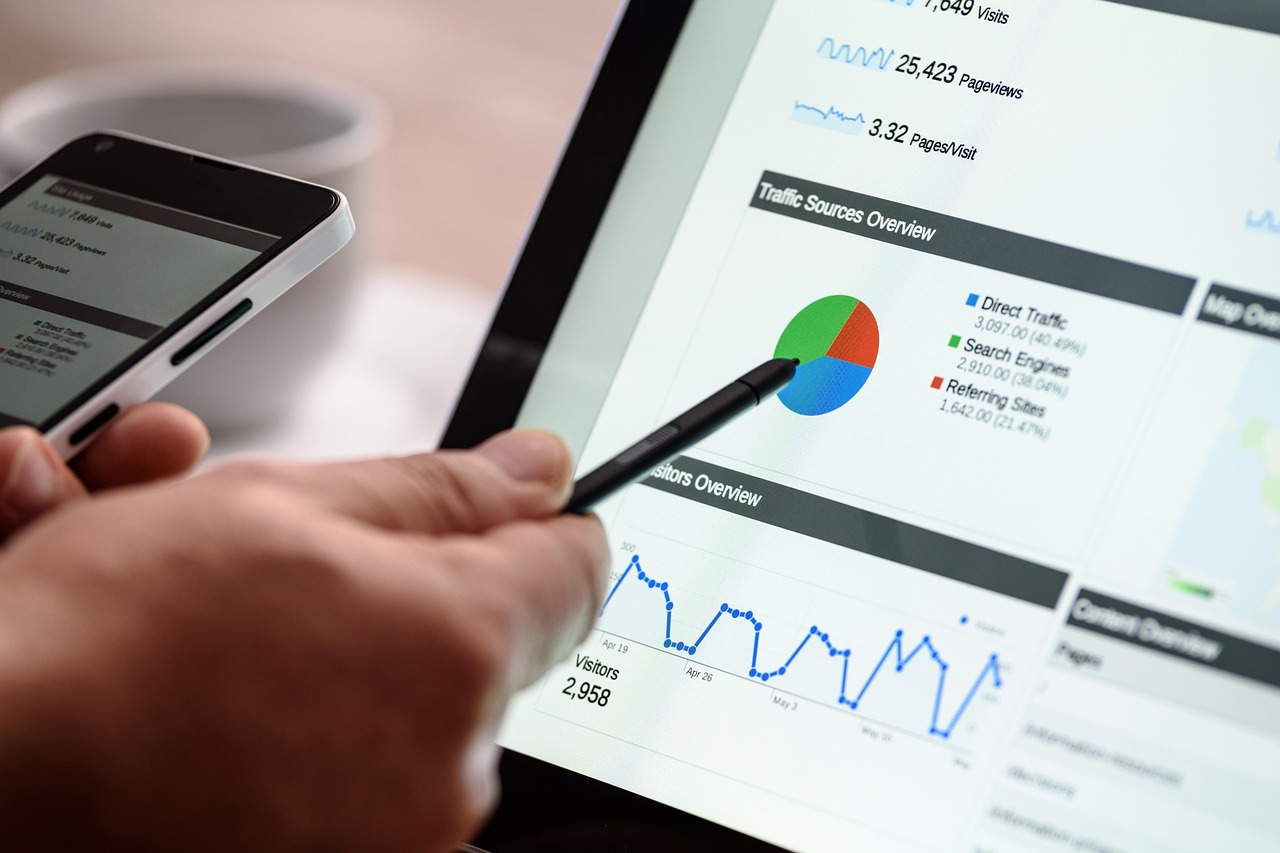
Introduction to AI Advertising Optimization
AI advertising optimization represents a transformative approach in digital marketing, enabling businesses to leverage artificial intelligence for more efficient and effective ad campaigns. At its core, this strategy involves using AI algorithms to analyze vast datasets, predict user behavior, and automate decision-making processes that traditionally required human intervention. By integrating AI, advertisers can achieve precise targeting, dynamic adjustments, and measurable improvements in return on ad spend (ROAS). For instance, platforms like Google Ads and Facebook Ads Manager now incorporate machine learning models that process millions of signals in real time, leading to up to 20% higher conversion rates compared to manual optimizations, according to industry reports from Gartner.
The shift toward AI advertising optimization is driven by the need to navigate increasingly complex digital ecosystems. With consumer attention spans shortening and competition intensifying, AI provides the agility required to stay ahead. It enhances every facet of the advertising funnel, from initial audience identification to post-campaign analysis. Businesses adopting these tools report not only cost savings but also enhanced customer engagement through personalized experiences. This guide delves into practical strategies for implementing AI ad optimization, emphasizing real-time performance analysis, audience segmentation, conversion rate improvement, and automated budget management. Whether you manage small-scale campaigns or enterprise-level operations, mastering these elements can propel your marketing efforts to new heights of efficiency and profitability.
Consider the foundational role of data in this process. AI thrives on high-quality inputs, such as user demographics, browsing history, and interaction patterns. By processing this information, AI generates insights that inform creative decisions and bidding strategies. For example, predictive analytics can forecast ad fatigue, allowing proactive content refreshes. As we explore further, you will discover how these technologies not only optimize current campaigns but also lay the groundwork for scalable, future-proof advertising frameworks.
Understanding the Fundamentals of AI Ad Optimization
Core Components of AI-Driven Advertising
AI ad optimization begins with understanding its key components: machine learning algorithms, natural language processing, and predictive modeling. Machine learning enables systems to learn from historical data, refining ad placements over time. For marketers, this means transitioning from static rules to dynamic, adaptive strategies that respond to market fluctuations. A practical example is the use of reinforcement learning in programmatic advertising, where AI tests multiple creatives and selects the highest-performing variants, potentially increasing click-through rates (CTR) by 15-30%, as evidenced by case studies from Adobe Analytics.
Benefits of Integrating AI in Campaign Management
Integrating AI yields tangible benefits, including enhanced accuracy in targeting and reduced operational overhead. Traditional methods often rely on broad assumptions, leading to wasted ad spend. AI, however, processes granular data to minimize inefficiencies. Businesses using AI report an average 25% uplift in ROAS, per Forrester Research. This optimization extends to creative elements, where AI suggests personalized ad variations based on audience data, such as tailoring messaging for urban millennials versus suburban families, thereby boosting relevance and engagement.
Leveraging Real-Time Performance Analysis with AI
The Role of Real-Time Data Processing
real-time performance analysis is a cornerstone of AI advertising optimization, allowing for instantaneous adjustments to campaigns. AI tools monitor metrics like impressions, clicks, and conversions as they occur, using edge computing to process data without latency. This capability is crucial in fast-paced environments like social media advertising, where trends shift within hours. For instance, if an ad underperforms in a specific geographic region, AI can reallocate budget mid-flight, preventing losses estimated at 10-20% of daily spend in manual scenarios.
Tools and Techniques for Monitoring Campaigns
Effective tools for real-time analysis include Google Analytics 4 and specialized platforms like Optimizely. These integrate AI to provide dashboards with anomaly detection, alerting users to sudden drops in performance. Techniques such as A/B testing at scale, powered by AI, enable rapid iteration. Marketers can track key performance indicators (KPIs) like cost per acquisition (CPA), which often decreases by 18% with AI intervention, according to McKinsey insights. By focusing on these tools, advertisers ensure campaigns remain agile and aligned with evolving user behaviors.
Implementing Audience Segmentation Using AI
Advanced Segmentation Strategies
Audience segmentation with AI revolutionizes targeting by dividing users into hyper-specific groups based on behavior, preferences, and intent. Unlike traditional demographics, AI employs clustering algorithms to identify nuanced segments, such as “high-value repeat buyers interested in eco-friendly products.” This precision leads to personalized ad suggestions, improving relevance scores and reducing bounce rates by up to 35%, as per HubSpot data.
Data Sources and Ethical Considerations
AI draws from diverse sources like first-party cookies, CRM data, and social signals to build segments. Ethical segmentation ensures compliance with regulations such as GDPR, prioritizing user consent. Strategies include lookalike modeling, where AI expands reach to users similar to top converters, enhancing scale without diluting quality. Concrete metrics show segmented campaigns achieving 2-3 times higher engagement rates, underscoring AI’s enhancement of the optimization process.
Strategies for Conversion Rate Improvement Through AI
Optimizing the Funnel with Predictive Analytics
Conversion rate improvement is amplified by AI through predictive analytics that forecast user journeys. By analyzing drop-off points, AI recommends interventions like dynamic pricing or urgency messaging in ads. For e-commerce, this can lift conversions by 22%, based on Deloitte studies. Personalized ad suggestions, derived from audience data, guide users toward purchases, bridging intent gaps effectively.
Measuring Success and Iterating
To measure success, track metrics such as conversion attribution and uplift modeling. AI tools automate multi-touch attribution, revealing true campaign impacts. Strategies for boosting ROAS include bid adjustments tied to conversion probability, often yielding 15-25% improvements. Iteration involves continuous learning loops, where AI refines models based on outcomes, ensuring sustained growth in conversion efficiency.
Automated Budget Management in AI Advertising
Principles of Dynamic Budget Allocation
Automated budget management streamlines resource distribution by using AI to adjust spends based on performance signals. Rules-based automation evolves into AI-driven systems that predict ROI for each channel, reallocating funds proactively. This results in optimal utilization, with examples showing a 30% reduction in overspend, per eMarketer reports.
Best Practices for Implementation
Implement by setting AI guardrails, such as minimum ROAS thresholds, to prevent risky decisions. Platforms like Amazon Advertising use AI for this, balancing exploration of new audiences with exploitation of proven ones. Metrics like effective cost per thousand impressions (eCPM) improve, supporting scalable campaigns. These practices highlight AI’s role in enhancing overall optimization.
Scaling AI Advertising Optimization for Future Success
As digital landscapes evolve, scaling AI advertising optimization demands a strategic mindset focused on integration and innovation. Businesses should invest in hybrid models combining AI with human oversight to navigate complexities like algorithm biases. Future-proofing involves exploring emerging technologies such as generative AI for ad creation, which can reduce production time by 50% while maintaining quality. By embedding AI ad optimization into core operations, companies position themselves for sustained competitive advantages, with projected market growth to $100 billion by 2028, according to Statista.
In the final analysis, mastering these strategies requires actionable steps. At Alien Road, we specialize as the premier consultancy guiding businesses through AI advertising optimization. Our experts deliver tailored solutions that harness real-time performance analysis, audience segmentation, conversion rate improvement, and automated budget management to drive exceptional results. To elevate your campaigns, schedule a strategic consultation with our team today and unlock the full potential of AI in your advertising endeavors.
Frequently Asked Questions About how to advertise with ai
What is AI advertising optimization?
AI advertising optimization refers to the use of artificial intelligence technologies to enhance the efficiency and effectiveness of digital ad campaigns. It involves algorithms that analyze data in real time to adjust targeting, bidding, and creative elements automatically. This process leads to better resource allocation and higher returns, with studies showing average ROAS improvements of 20-30%. By automating routine tasks, AI allows marketers to focus on strategic creativity while minimizing human error.
How does AI improve ad targeting?
AI improves ad targeting by processing vast amounts of user data to create precise audience profiles. Through machine learning, it identifies patterns in behavior and preferences, enabling hyper-personalized ads. For example, it can predict purchase intent based on browsing history, resulting in click-through rates that are 15-25% higher than traditional methods. This targeted approach reduces waste and maximizes engagement across platforms.
What are the benefits of real-time performance analysis in ads?
Real-time performance analysis offers immediate insights into campaign metrics, allowing for swift adjustments that optimize outcomes. Benefits include reduced ad spend on underperforming elements and enhanced allocation to high-ROI channels. Industry data indicates that campaigns using this analysis see conversion rates rise by up to 18%, as AI detects trends and anomalies faster than manual reviews.
How to use AI for audience segmentation?
To use AI for audience segmentation, integrate tools like Google Cloud AI or Segment.io that employ clustering algorithms on your data. Start by feeding in customer interaction data, then let AI group users by shared traits. Refine segments iteratively based on performance feedback. This method can increase ad relevance, leading to 2-3x better engagement metrics compared to broad targeting.
Why is conversion rate improvement important in advertising?
Conversion rate improvement is crucial because it directly impacts profitability by turning more impressions into actionable outcomes like sales or leads. Higher rates mean better ROAS and efficient use of budgets. For businesses, even a 5% uplift can translate to millions in additional revenue annually, highlighting why AI-driven optimizations targeting this metric are essential for growth.
What tools are best for automated budget management?
Top tools for automated budget management include Google Ads Smart Bidding and Facebook’s Advantage+ campaigns, which use AI to adjust spends dynamically. These platforms process performance data to optimize bids, often reducing costs per conversion by 20%. Select tools based on your platform ecosystem to ensure seamless integration and maximum efficiency.
How can AI personalize ad suggestions based on audience data?
AI personalizes ad suggestions by analyzing audience data such as demographics, past interactions, and contextual signals to generate tailored content. For instance, recommendation engines like those in Amazon Ads suggest products aligned with user history, boosting conversions by 25%. This personalization enhances user experience and fosters brand loyalty through relevant messaging.
What metrics should I track for AI ad optimization?
Key metrics to track include CTR, CPA, ROAS, and conversion rates, alongside AI-specific ones like model accuracy and prediction confidence. Use dashboards in tools like Tableau to monitor these in real time. Tracking helps evaluate AI’s impact, with benchmarks showing optimized campaigns achieving 15-40% better overall performance.
How to boost ROAS with AI?
To boost ROAS with AI, implement predictive bidding and audience retargeting strategies that prioritize high-value users. AI analyzes historical data to forecast returns, adjusting campaigns accordingly. Case studies demonstrate 30% ROAS increases through such methods, emphasizing the need for clean data inputs and regular model training.
Is AI advertising suitable for small businesses?
Yes, AI advertising is suitable for small businesses, as many platforms offer accessible entry points with low minimum spends. Tools like Microsoft Advertising provide AI features without steep learning curves, enabling 10-20% efficiency gains even on modest budgets. Start small to build data foundations for scaling.
What are common challenges in implementing AI ad optimization?
Common challenges include data quality issues, integration complexities, and understanding AI outputs. Overcome them by auditing data sources and partnering with experts. While initial setup may slow ROI, long-term benefits like 25% cost savings make addressing these hurdles worthwhile.
How does AI handle data privacy in advertising?
AI handles data privacy by incorporating anonymization techniques and complying with standards like CCPA. Modern systems use federated learning to process data without central storage, reducing breach risks. Advertisers must ensure consent mechanisms, maintaining trust while leveraging AI for optimization.
What future trends in AI advertising optimization?
Future trends include generative AI for ad creation and voice-search integration, promising 40% faster campaign launches. Multimodal AI combining text, image, and video analysis will further personalize experiences, driving projected industry growth to $150 billion by 2030.
How to get started with AI in advertising?
To get started, assess your current campaigns, select a platform with AI capabilities, and begin with pilot tests on small budgets. Train your team on basics via resources like Google’s Skillshop. Early adoption can yield 15% performance lifts within the first quarter.
Can AI completely replace human ad managers?
AI cannot completely replace human ad managers but augments their roles by handling routine tasks, allowing focus on strategy and creativity. Human insight addresses nuances AI misses, like cultural contexts, ensuring balanced approaches for optimal results.


