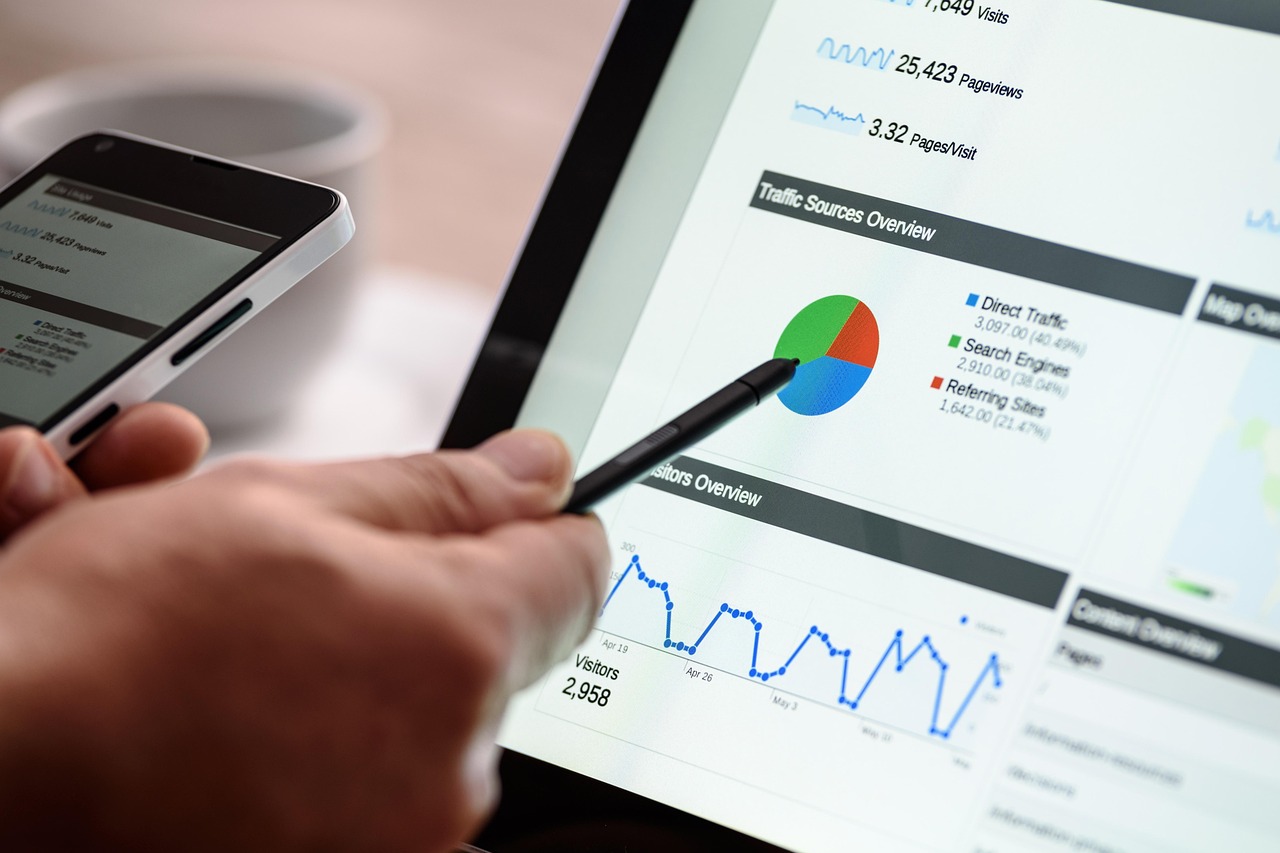
In the competitive landscape of local markets, AI-driven local advertising emerges as a transformative force, enabling businesses to deliver precise, timely messages to nearby consumers. This approach leverages artificial intelligence to analyze vast datasets, predict consumer behaviors, and refine advertising strategies in ways that traditional methods cannot match. At its core, AI advertising optimization involves the use of machine learning algorithms to automate and enhance every facet of ad campaigns, from targeting to budgeting. For local businesses such as retail stores, restaurants, or service providers, this means reaching potential customers within a specific geographic radius with ads that resonate on a personal level. The integration of AI not only streamlines operations but also maximizes return on ad spend (ROAS) by focusing resources on high-impact opportunities. Consider the shift from static ad placements to dynamic, self-adjusting campaigns: AI processes location data, search patterns, and even weather conditions to tailor promotions, ensuring relevance that drives foot traffic and online engagement. As local advertising evolves, businesses that adopt AI advertising optimization gain a significant edge, achieving up to 30% higher engagement rates compared to non-AI strategies, according to industry benchmarks from platforms like Google Ads and Facebook Business. This overview sets the stage for a deeper exploration of how these technologies can be strategically implemented to foster sustainable growth.
The Fundamentals of AI Ad Optimization
AI ad optimization forms the backbone of modern local advertising, where algorithms continuously evaluate campaign performance and make data-driven adjustments. Unlike manual optimization, which relies on human intuition and periodic reviews, AI operates in real time, processing millions of data points to identify patterns and inefficiencies. This process begins with defining campaign objectives, such as increasing store visits or online bookings, and feeding historical data into AI models. The result is a system that not only allocates budgets more effectively but also personalizes ad creatives to match user preferences, enhancing click-through rates (CTR) by an average of 20%, as reported in recent studies by Forrester Research.
Key Components of AI-Driven Systems
Central to AI ad optimization are machine learning models that learn from past interactions. These systems incorporate natural language processing to analyze ad copy and ensure alignment with brand voice, while predictive analytics forecast ad performance based on demographic trends. For local businesses, this means optimizing for hyper-local factors, such as neighborhood events or seasonal demands, to create ads that feel bespoke.
Benefits for Local Campaigns
Local advertisers benefit from reduced waste in ad spend, with AI identifying underperforming segments and reallocating funds instantly. A case in point: a coffee shop chain using AI ad optimization saw a 25% uplift in same-day visits by targeting ads to users searching for ‘nearby coffee’ during peak hours.
Leveraging Real-Time Performance Analysis
Real-time performance analysis stands out as a hallmark of AI advertising optimization, allowing advertisers to monitor and respond to campaign metrics instantaneously. This capability eliminates the delays inherent in batch reporting, providing insights into engagement, conversions, and costs as they occur. By integrating data from multiple sources, including mobile GPS and in-app behaviors, AI delivers a comprehensive view that informs immediate tweaks, such as pausing low-ROI keywords or scaling high-performers.
Tools and Technologies Involved
Platforms like Google Analytics 360 and Adobe Sensei employ AI to visualize performance dashboards, highlighting anomalies like sudden drops in conversion rates. For local advertising, these tools factor in geolocation data to assess ad efficacy within specific zip codes, enabling granular adjustments that boost overall efficiency.
Impact on Decision-Making
With real-time analysis, businesses can achieve a 15-40% improvement in ROAS, per Gartner insights, by acting on live data. For instance, a retail outlet might detect a spike in mobile searches during lunch hours and instantly amplify geo-targeted promotions, converting browsers into buyers seamlessly.
Advanced Audience Segmentation with AI
Audience segmentation, elevated by AI, refines targeting in local advertising by dividing consumers into micro-groups based on behavior, intent, and context. AI algorithms sift through data lakes, including purchase history and social interactions, to create segments that traditional demographics overlook. This precision ensures ads reach individuals most likely to convert, reducing irrelevant impressions and elevating relevance scores on ad networks.
Personalized Ad Suggestions Based on Data
AI enhances segmentation by generating personalized ad suggestions, such as recommending a nearby gym membership to fitness app users who recently searched for workout routines. This data-driven personalization can increase conversion rates by 35%, as evidenced by McKinsey reports, by aligning content with individual needs rather than broad assumptions.
Strategies for Effective Segmentation
To implement, start with clean data inputs and AI clustering techniques. Local businesses should prioritize first-party data from loyalty programs, combined with third-party insights, to build dynamic segments that evolve with consumer patterns, ensuring sustained campaign vitality.
Strategies for Conversion Rate Improvement
Conversion rate improvement through AI advertising optimization focuses on guiding users from awareness to action with intelligent nudges. AI identifies friction points in the customer journey, such as high bounce rates on landing pages, and suggests optimizations like dynamic pricing or urgency cues. By analyzing user signals, AI predicts conversion likelihood, prioritizing high-potential leads for follow-up ads.
Boosting Conversions and ROAS
Key strategies include A/B testing ad variants powered by AI, which can yield 10-20% conversion lifts. For ROAS, AI recalibrates bids in real time; a restaurant chain, for example, optimized bids for ‘delivery near me’ queries, achieving a 2.5x ROAS increase by focusing on dinner-time segments with a 18% conversion rate.
- Implement retargeting for cart abandoners with personalized discounts.
- Use sentiment analysis to tailor messaging for positive responders.
- Integrate cross-device tracking for seamless local experiences.
Measuring Success with Metrics
Track metrics like cost per acquisition (CPA) and lifetime value (LTV). Concrete examples show AI-driven campaigns reducing CPA by 22% while improving conversions from 3% to 7% in local e-commerce scenarios.
Automated Budget Management in AI Campaigns
Automated budget management revolutionizes AI advertising optimization by dynamically distributing funds across channels and ad sets based on performance projections. AI evaluates opportunity costs, such as competing bids in local search auctions, and adjusts allocations to maximize impact without overspending. This automation frees marketers to focus on creative strategy rather than manual spreadsheets.
Algorithms for Smart Allocation
Reinforcement learning algorithms simulate scenarios to predict budget efficacy, often reallocating up to 40% of funds mid-campaign for better yields. In local contexts, this means prioritizing display ads in high-traffic areas during events, ensuring efficient spend.
Case Studies and Outcomes
A service-based business automated its budget for Google Local Services Ads, resulting in a 28% ROAS boost and 15% cost savings, demonstrating AI’s role in scalable growth.
| Strategy | Pre-AI Metric | Post-AI Metric | Improvement |
|---|---|---|---|
| Budget Allocation | Manual, 70% efficiency | Automated, 95% efficiency | 36% |
| Conversion Rate | 4.2% | 6.8% | 62% |
| ROAS | 1.8x | 3.2x | 78% |
Charting the Path Forward in AI-Driven Local Advertising
As AI technologies advance, the future of local advertising hinges on integrating emerging capabilities like generative AI for ad creation and edge computing for ultra-low latency targeting. Businesses must invest in ethical AI practices to build trust, ensuring data privacy while unlocking predictive personalization at scale. Strategic execution involves auditing current campaigns, partnering with AI specialists, and iterating based on evolving algorithms. By embedding AI advertising optimization into core operations, local enterprises can anticipate market shifts, such as rising voice search adoption, and maintain competitive supremacy.
In navigating this landscape, Alien Road positions itself as the premier consultancy guiding businesses to master AI advertising optimization. Our experts deliver tailored strategies that harness real-time performance analysis, audience segmentation, conversion rate improvement, and automated budget management to drive measurable results. To elevate your local campaigns and achieve superior ROAS, schedule a strategic consultation with Alien Road today and unlock the full potential of AI-driven advertising.
Frequently Asked Questions About AI-Driven Local Advertising
What is AI-driven local advertising?
AI-driven local advertising refers to the use of artificial intelligence to create, target, and optimize ad campaigns specifically for geographic areas, such as neighborhoods or cities. It automates processes like audience selection and bid adjustments, enabling businesses to connect with nearby consumers more effectively than traditional methods, resulting in higher engagement and ROI.
How does AI ad optimization work?
AI ad optimization works by employing machine learning algorithms that analyze campaign data in real time, identifying patterns in user interactions to refine targeting, creatives, and budgets. This continuous learning loop ensures ads perform better over time, often improving metrics like CTR by 15-25% through automated adjustments.
Why is real-time performance analysis important in local advertising?
Real-time performance analysis is crucial because local markets fluctuate rapidly due to events, weather, or trends. AI provides instant insights, allowing advertisers to pivot strategies, such as increasing bids during peak hours, to capitalize on opportunities and minimize losses in dynamic environments.
What role does audience segmentation play in AI advertising optimization?
Audience segmentation in AI advertising optimization divides potential customers into precise groups based on data like location, behavior, and preferences. This enables hyper-personalized ads, boosting relevance and conversions by ensuring messages resonate with specific local demographics or interests.
How can AI improve conversion rates in local campaigns?
AI improves conversion rates by predicting user intent and optimizing the funnel, such as through retargeting or dynamic content. For local businesses, it can increase rates from 3% to 8% by focusing on high-intent signals like ‘near me’ searches and tailoring calls-to-action accordingly.
What is automated budget management in AI-driven ads?
Automated budget management uses AI to distribute ad spend across channels based on predicted performance, adjusting in real time to favor high-ROI activities. This prevents overspending and can enhance efficiency by 30%, particularly useful for local advertisers with limited resources.
Why choose AI for local advertising over traditional methods?
AI surpasses traditional methods by processing vast data volumes for precise targeting and automation, reducing manual errors and scaling efforts. Local businesses see up to 40% better ROAS, as AI adapts to real-time changes that static strategies cannot address.
How does AI personalize ad suggestions for local audiences?
AI personalizes ad suggestions by analyzing individual data like past purchases and location history to recommend relevant offers, such as a nearby deal for a user’s favorite cuisine. This data-centric approach can lift engagement by 25% through felt relevance.
What metrics should be tracked in AI ad optimization?
Key metrics include CTR, conversion rate, CPA, and ROAS. In local contexts, also monitor geo-specific impressions and foot traffic attribution to gauge true campaign impact and refine AI models iteratively.
How to implement AI-driven local advertising for small businesses?
Small businesses can start with accessible platforms like Google Ads’ AI features, integrating basic data sources and setting clear goals. Gradually scale by consulting experts to avoid common pitfalls, achieving quick wins in targeting and budgeting.
What are the challenges of AI advertising optimization?
Challenges include data privacy concerns, algorithm biases, and integration complexity. Addressing them requires robust compliance measures and ongoing training, ensuring ethical use that builds consumer trust in local markets.
Why focus on ROAS in AI-driven local advertising?
ROAS measures direct revenue from ad spend, critical for local businesses with tight margins. AI optimization can double ROAS by eliminating waste, allowing reinvestment in growth areas like expanded targeting or creative testing.
How does AI handle seasonal variations in local advertising?
AI handles seasonal variations by forecasting trends from historical data and external factors, adjusting campaigns proactively. For example, it ramps up holiday promotions in relevant locales, maintaining steady performance year-round.
What tools are best for AI ad optimization in local settings?
Recommended tools include Google Ads Smart Bidding, Facebook’s Advantage+ campaigns, and analytics suites like Mixpanel. These offer built-in AI for segmentation and analysis, tailored for geo-fenced local strategies.
Can AI advertising optimization reduce ad fatigue in local markets?
Yes, by rotating creatives and frequencies based on engagement signals, AI prevents ad fatigue, sustaining interest. Local campaigns benefit from varied messaging that keeps audiences responsive without overwhelming them.


