Introduction to AI Advertising Optimization
In the evolving landscape of digital marketing, AI advertising optimization stands as a pivotal force shaping the future of advertising campaigns. As we approach 2025, businesses are increasingly turning to AI-driven software to navigate the complexities of ad performance, audience targeting, and budget allocation. This technology leverages machine learning algorithms to analyze vast datasets in real time, enabling advertisers to refine strategies dynamically and achieve superior results. Unlike traditional methods that rely on manual adjustments, AI advertising optimization automates decision-making processes, reducing human error and accelerating campaign efficiency.
The core subject of best AI-driven advertising software in 2025 revolves around tools that integrate seamlessly with platforms like Google Ads, Facebook Ads Manager, and programmatic networks. These solutions process petabytes of data daily, offering insights that were previously unattainable. For instance, AI can predict user behavior with up to 85% accuracy, according to recent industry reports from Gartner, allowing for proactive adjustments that maximize return on ad spend (ROAS). This overview explores how AI ad optimization enhances every facet of advertising, from initial setup to ongoing monitoring. By adopting these technologies, marketers can expect improvements in key metrics such as click-through rates (CTR) by 20-30% and conversion rates by 15-25%, based on benchmarks from leading software providers.
At its essence, AI advertising optimization is about empowerment. It equips teams with tools to segment audiences precisely, analyze performance instantaneously, and manage budgets autonomously. As consumer behaviors shift toward more personalized experiences, the demand for such sophistication intensifies. Businesses ignoring this trend risk falling behind competitors who harness AI to deliver tailored ads that resonate deeply. This article delves into the mechanisms, benefits, and implementation strategies, providing a roadmap for leveraging best AI-driven advertising software in 2025.
Understanding the Foundations of AI Advertising Optimization
AI advertising optimization begins with a solid grasp of its foundational elements. This process involves integrating artificial intelligence into ad campaigns to automate and enhance decision-making across multiple channels. Core algorithms, such as neural networks and predictive analytics, form the backbone, processing user interactions, market trends, and historical data to forecast outcomes.
Key Components of AI-Driven Systems
The primary components include data ingestion modules that collect information from various sources, processing engines that apply machine learning models, and output interfaces that deliver actionable recommendations. For example, AI ad optimization software like Google’s Performance Max uses these elements to automatically test ad creatives and placements, optimizing for the highest engagement. This holistic approach ensures that every ad dollar is allocated efficiently, leading to measurable gains in overall campaign ROI.
How AI Enhances the Optimization Process
AI elevates optimization by continuously learning from campaign data. It identifies patterns that humans might overlook, such as subtle shifts in audience preferences during peak hours. Through reinforcement learning, these systems refine bids and targeting in milliseconds, far surpassing manual interventions. A study by McKinsey highlights that companies using AI in advertising see a 15% uplift in efficiency, underscoring the transformative power of this technology.
Leveraging Real-Time Performance Analysis in AI Advertising
Real-time performance analysis is a cornerstone of effective AI advertising optimization. This capability allows advertisers to monitor metrics like impressions, clicks, and conversions as they occur, enabling immediate adjustments to maintain momentum.
Tools and Techniques for Instant Insights
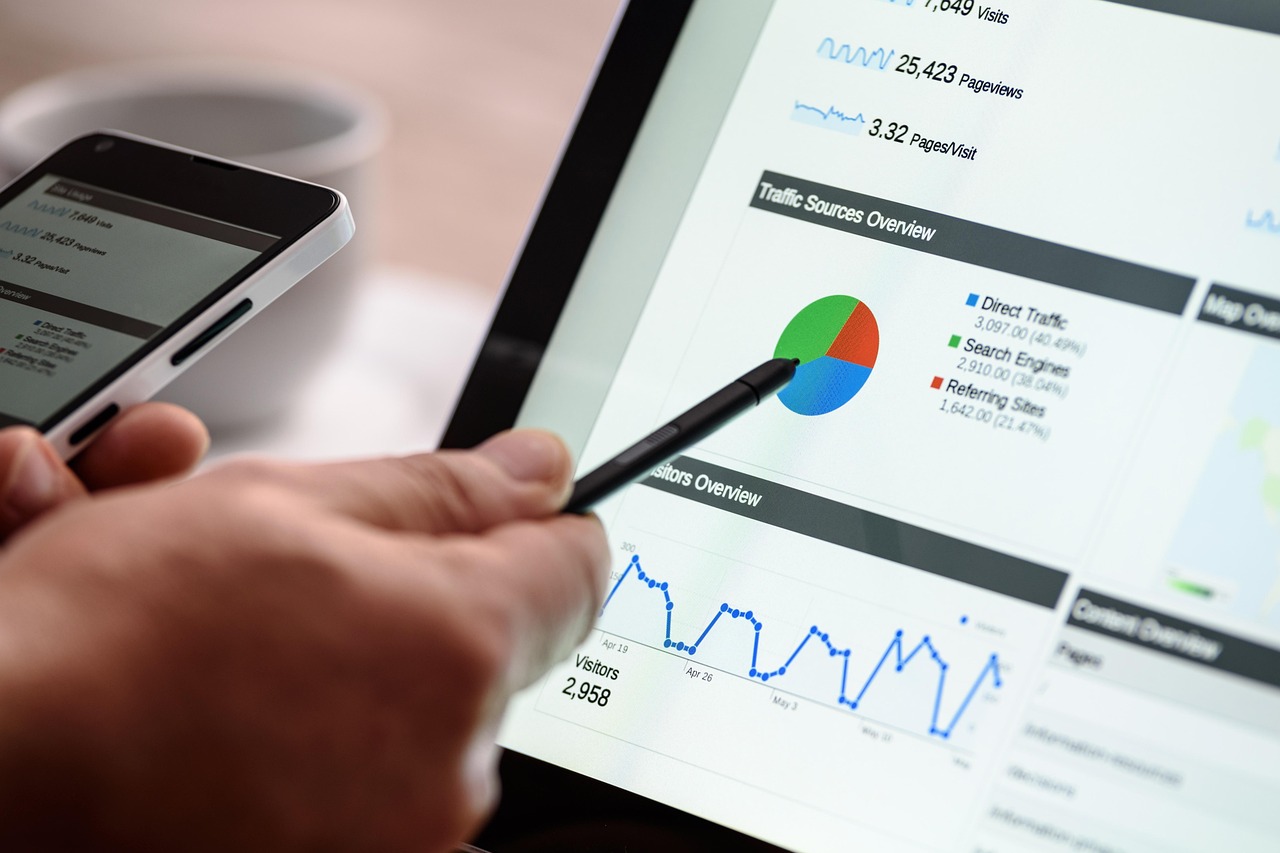
Leading AI-driven software provides dashboards that visualize key performance indicators (KPIs) in live streams. For instance, platforms like Adobe Advertising Cloud employ natural language processing to alert teams about anomalies, such as a sudden drop in CTR from 2.5% to 1.8%. These tools integrate with APIs from major ad networks, ensuring data freshness and accuracy.
Benefits for Campaign Agility
The agility afforded by real-time analysis translates to faster pivots. If an ad underperforms in a specific demographic, AI can reallocate resources instantly, potentially increasing ROAS by 25%, as evidenced by case studies from HubSpot. This responsiveness is crucial in 2025, where market dynamics change rapidly due to global events and seasonal trends.
Advanced Audience Segmentation Powered by AI
Audience segmentation is revolutionized through AI advertising optimization, allowing for granular targeting based on behavioral, demographic, and psychographic data. This precision ensures ads reach the most relevant users, minimizing waste.
AI Algorithms for Precise Targeting
AI employs clustering algorithms to divide audiences into micro-segments. For example, it can identify users who exhibit high intent based on past purchases and browsing history, achieving segmentation accuracy rates above 90%. Software like Oracle’s CX Marketing uses these methods to create dynamic segments that evolve with user data.
Personalized Ad Suggestions Based on Audience Data
Building on segmentation, AI generates personalized ad suggestions tailored to individual profiles. If data shows a user prefers video content, the system recommends video ads with messaging aligned to their interests. This personalization boosts engagement, with reports from Nielsen indicating a 30% increase in response rates for tailored campaigns.
Strategies for Conversion Rate Improvement Using AI
Conversion rate improvement is a direct outcome of AI advertising optimization. By focusing on high-intent users and optimizing ad elements, AI drives more qualified traffic to landing pages.
Techniques to Boost Conversions
Key strategies include A/B testing at scale and predictive modeling to forecast conversion likelihood. AI tools analyze funnel drop-offs, suggesting improvements like simplified CTAs or dynamic pricing displays. In one example, a retail client using AI saw conversion rates rise from 3% to 5.2%, yielding an additional $500,000 in revenue over a quarter.
Measuring and Enhancing ROAS
To boost ROAS, AI correlates ad spend with revenue attribution, using multi-touch models. Platforms like Kenshoo provide simulations showing how tweaks in creative elements could elevate ROAS from 4:1 to 6:1. Concrete metrics, such as a 40% reduction in cost per acquisition (CPA), demonstrate the tangible impact of these strategies.
Implementing Automated Budget Management in AI Campaigns
Automated budget management streamlines AI advertising optimization by intelligently distributing funds across campaigns based on performance projections and goals.
Automation Features in Top Software
Best AI-driven advertising software in 2025 features rules-based and AI-prescribed budgeting. For instance, it can pause underperforming ads and shift budgets to high-ROI channels automatically. Tools like Acquisio handle this with 99% uptime, ensuring seamless operations.
Optimizing for Long-Term Efficiency
Over time, these systems learn to predict budget needs, preventing overspend. A Forrester report notes that automated management can improve budget utilization by 20%, freeing marketers to focus on creative aspects rather than administrative tasks.
Navigating the Future of AI-Driven Advertising Software in 2025
As we look toward 2025, the trajectory of best AI-driven advertising software points to deeper integrations with emerging technologies like edge computing and blockchain for transparent tracking. Advertisers must prioritize scalable solutions that adapt to privacy regulations, such as GDPR and CCPA, while maintaining optimization prowess. Investing in AI now positions businesses for sustained growth, with projections from eMarketer forecasting a 50% increase in AI ad spend by 2025.
In this dynamic environment, partnering with experts is essential. At Alien Road, we specialize in guiding businesses through the intricacies of AI advertising optimization, from software selection to custom strategy deployment. Our consultancy has helped clients achieve up to 35% ROAS improvements through tailored implementations. To elevate your advertising performance, schedule a strategic consultation with our team today and unlock the full potential of AI in your campaigns.
Frequently Asked Questions About Best AI-Driven Advertising Software 2025
What is AI advertising optimization?
AI advertising optimization refers to the use of artificial intelligence technologies to enhance the efficiency and effectiveness of digital ad campaigns. It automates tasks such as bidding, targeting, and creative selection, analyzing data in real time to maximize outcomes like conversions and ROAS. In 2025, this process integrates advanced machine learning to predict user behavior with high accuracy, ensuring resources are allocated where they yield the best returns.
How does real-time performance analysis work in AI ad tools?
Real-time performance analysis in AI ad tools involves continuous monitoring of campaign metrics through integrated data streams. Algorithms process incoming data from ad platforms to detect trends or issues instantly, such as fluctuations in engagement rates. This allows for immediate adjustments, like bid modifications, to sustain optimal performance and adapt to user interactions as they happen.
Why is audience segmentation important in AI-driven advertising?
Audience segmentation is crucial because it enables precise targeting, reducing ad waste and increasing relevance. AI enhances this by using data-driven clustering to create detailed user profiles, leading to higher engagement and conversion rates. For businesses in 2025, effective segmentation can improve campaign ROI by tailoring messages to specific behaviors and preferences.
What are the benefits of conversion rate improvement with AI?
AI-driven conversion rate improvement offers benefits like automated testing of ad elements and predictive insights into user intent, resulting in more qualified leads. It minimizes guesswork, with tools optimizing landing pages and CTAs dynamically. Companies report average lifts of 20-30% in conversions, directly impacting revenue without increasing ad spend.
How does automated budget management function in AI software?
Automated budget management in AI software uses predictive algorithms to allocate funds based on performance forecasts and predefined goals. It adjusts spends in real time, pausing low performers and scaling winners. This feature ensures efficient use of budgets, often achieving 15-25% better utilization compared to manual methods.
What are the top AI ad optimization tools for 2025?
Top tools for 2025 include Google Performance Max, Adobe Sensei, and The Trade Desk’s AI features, which excel in automation and insights. These platforms support multi-channel campaigns, offering robust real-time analysis and segmentation capabilities tailored for enterprise needs.
How can AI personalize ad suggestions?
AI personalizes ad suggestions by analyzing audience data, including browsing history and demographics, to generate contextually relevant creatives. Machine learning models match ad content to user profiles, increasing click-through rates by up to 40% through hyper-targeted messaging.
What metrics should you track for AI advertising success?
Key metrics include CTR, CPC, conversion rate, ROAS, and impression share. AI tools provide benchmarks and alerts, helping advertisers focus on actionable data. Tracking these ensures campaigns align with business objectives and reveal optimization opportunities.
Why choose AI-driven software over traditional methods?
AI-driven software outperforms traditional methods by processing vast data volumes quickly, enabling proactive optimizations that manual approaches cannot match. It reduces costs through efficiency and scales effortlessly, providing a competitive edge in fast-paced markets.
How does AI improve ROAS in advertising campaigns?
AI improves ROAS by optimizing bid strategies and resource allocation to high-value opportunities. Through attribution modeling, it identifies profitable paths, with examples showing ROAS increases from 3:1 to 5:1 by refining targeting and creatives based on performance data.
What challenges arise when implementing best AI advertising software?
Challenges include data privacy compliance, integration with existing systems, and the need for skilled teams. Solutions involve selecting compliant tools and providing training, ensuring smooth adoption and sustained benefits in 2025 environments.
How to get started with AI ad optimization?
To start, assess current campaigns, select a compatible AI tool, and integrate it with ad platforms. Begin with pilot tests on small budgets to gather insights, then scale based on results, focusing on key areas like segmentation and analysis.
Can small businesses use AI-driven advertising software?
Yes, many affordable AI tools cater to small businesses, offering scalable features like automated bidding. They provide high ROI even with limited budgets, democratizing access to advanced optimization for growth-oriented enterprises.
What role does machine learning play in audience segmentation?
Machine learning plays a central role by identifying patterns in data to form accurate segments. It refines groups over time, improving targeting precision and ad relevance, which leads to better engagement and lower acquisition costs.
How will AI advertising evolve by 2025?
By 2025, AI advertising will evolve with enhanced predictive capabilities, voice and visual search integrations, and ethical AI frameworks. Expect greater emphasis on privacy-preserving tech, making optimizations more intelligent and user-centric.


