In the competitive landscape of pay-per-click (PPC) advertising, AI advertising optimization emerges as a transformative force. Businesses leveraging artificial intelligence can refine their campaigns with unprecedented precision, moving beyond manual adjustments to data-driven decisions that enhance efficiency and returns. AI integrates seamlessly into PPC platforms, analyzing vast datasets in seconds to identify patterns, predict user behavior, and automate optimizations. This approach not only reduces operational costs but also amplifies return on ad spend (ROAS) by targeting the right audience at the optimal time. For marketers, the shift to AI means transitioning from reactive strategies to proactive ones, where algorithms continuously learn and adapt. Consider a scenario where traditional PPC management might overlook subtle shifts in consumer intent, leading to wasted budget; AI counters this by processing real-time signals such as search queries, device usage, and geographic trends. As PPC evolves, AI advertising optimization stands as the cornerstone for sustainable growth, enabling advertisers to achieve higher click-through rates (CTRs) and conversion rates while navigating complex auction dynamics. This overview sets the stage for a deeper exploration of how AI revolutionizes PPC, from foundational principles to advanced implementations.
Foundations of AI Ad Optimization in PPC
AI ad optimization forms the bedrock of modern PPC strategies, replacing guesswork with algorithmic precision. At its core, this involves machine learning models that evaluate campaign performance across multiple variables, including keyword relevance, ad copy resonance, and landing page alignment. By harnessing historical data, AI identifies high-performing elements and scales them automatically, ensuring that every dollar spent contributes to measurable outcomes. For instance, platforms like Google Ads and Microsoft Advertising incorporate AI tools such as Smart Bidding, which adjusts bids in real time to maximize conversions within budget constraints. Marketers benefit from this by focusing on strategic oversight rather than tactical micromanagement, allowing for scalable growth in competitive markets.
Key Components of AI-Driven Optimization
The primary components include predictive modeling, which forecasts campaign outcomes based on probabilistic analysis; natural language processing (NLP) for refining ad creatives; and reinforcement learning, where AI iterates on past actions to improve future results. These elements work in tandem to personalize advertisements, drawing from user data to suggest tailored messaging. A study by Gartner indicates that companies using AI in marketing see a 15-20% uplift in engagement metrics, underscoring the tangible benefits. Implementing AI ad optimization requires clean data inputs and clear objectives, as algorithms thrive on structured information to deliver accurate recommendations.
Real-Time Performance Analysis Powered by AI
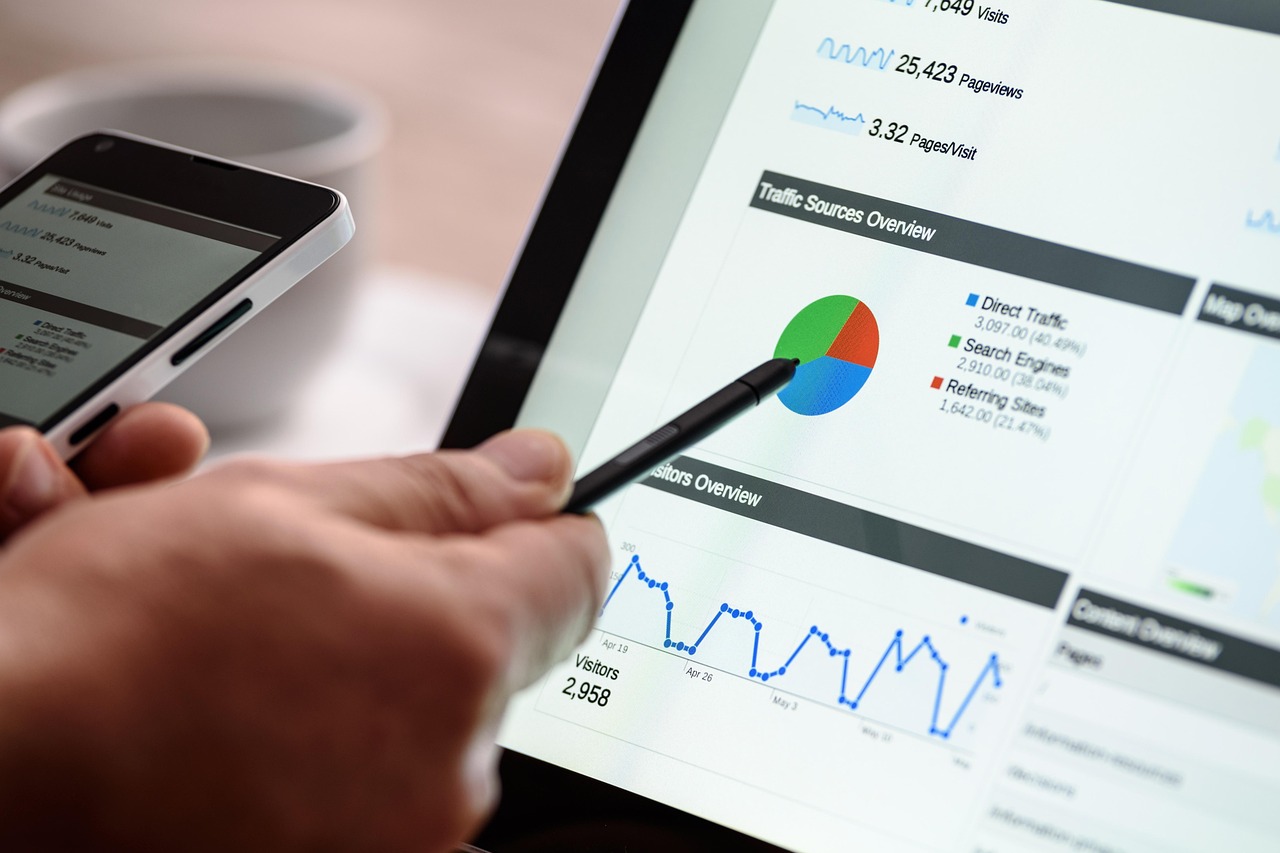
Real-time performance analysis represents a pivotal advancement in AI advertising optimization, enabling advertisers to monitor and adjust campaigns instantaneously. Traditional analytics often lag, providing insights days after execution, but AI processes data streams continuously, detecting anomalies and opportunities as they arise. This capability is crucial in PPC, where auction environments fluctuate rapidly based on competitor actions and market conditions. AI tools aggregate metrics like impression share, quality score, and cost-per-click (CPC) to generate actionable dashboards, alerting users to underperforming segments before significant losses occur.
Tools and Techniques for Instant Insights
- Data Integration: AI connects disparate sources such as CRM systems and web analytics for a holistic view.
- Anomaly Detection: Algorithms flag deviations, such as sudden CPC spikes, using statistical models like z-scores.
- Visualization Aids: Interactive charts and heat maps illustrate trends, facilitating quick decision-making.
In practice, real-time performance analysis has demonstrated a 25% reduction in wasted spend for enterprises, according to Forrester Research. By embedding these techniques, businesses can pivot strategies swiftly, maintaining momentum in dynamic digital spaces.
Enhancing Audience Segmentation with AI Precision
Audience segmentation lies at the heart of effective PPC, and AI elevates this process by uncovering nuanced user profiles that manual methods overlook. AI advertising optimization excels here through clustering algorithms that group users based on behavioral patterns, demographics, and intent signals. This granular approach ensures ads reach receptive audiences, minimizing irrelevant impressions and maximizing relevance. For example, AI can segment users into micro-groups, such as ‘high-intent shoppers during peak hours,’ tailoring bids and creatives accordingly.
Personalized Ad Suggestions Based on Data
AI generates personalized ad suggestions by analyzing audience data, including past interactions and predictive behaviors. Machine learning models process variables like search history and browsing patterns to recommend dynamic content variations. This personalization boosts CTRs by up to 30%, as evidenced by case studies from Adobe. Strategies involve A/B testing at scale, where AI iteratively refines suggestions to align with user preferences, fostering deeper engagement and loyalty.
Strategies for Conversion Rate Improvement Using AI
Conversion rate improvement is a primary goal in PPC, and AI advertising optimization provides sophisticated strategies to achieve it. By focusing on user journey mapping, AI identifies friction points and optimizes touchpoints, from ad delivery to post-click experience. Predictive analytics forecast conversion likelihood, prioritizing high-potential leads and adjusting elements like calls-to-action (CTAs) for better resonance. Businesses report average conversion lifts of 18-22% when integrating AI, highlighting its role in bridging awareness to action.
Boosting Conversions and ROAS Through Targeted Tactics
To boost conversions and ROAS, AI employs tactics such as lookalike audience modeling, which expands reach to similar high-value users, and sentiment analysis for ad copy refinement. Concrete metrics include a 40% ROAS increase in e-commerce campaigns using AI retargeting, per McKinsey insights. Strategies also involve multi-channel attribution, ensuring PPC efforts are credited accurately across the funnel. These methods not only improve immediate outcomes but also build long-term campaign resilience.
| Strategy | AI Technique | Expected Impact |
|---|---|---|
| Dynamic Retargeting | Machine Learning Clustering | 20-30% Conversion Uplift |
| Ad Copy Personalization | NLP Processing | 15% ROAS Improvement |
| Bid Adjustment | Predictive Modeling | 25% Cost Efficiency |
Automated Budget Management in AI-Enhanced PPC
Automated budget management streamlines PPC operations, with AI taking the reins to allocate funds dynamically based on performance forecasts. This aspect of AI ad optimization prevents overspending on low-yield keywords while capitalizing on emerging opportunities. Algorithms consider factors like seasonality, competitor density, and ROI projections to redistribute budgets in real time, ensuring optimal resource utilization. For mid-sized firms, this automation can yield a 35% efficiency gain, freeing teams for creative endeavors.
Implementing Rules and Safeguards
Effective implementation involves setting AI rules, such as daily spend caps and performance thresholds, alongside human oversight for ethical alignment. Techniques like portfolio bidding group campaigns for collective optimization, balancing risk across objectives. Data examples show automated systems maintaining ROAS above 5:1 even during volatile periods, as seen in Black Friday analyses. By incorporating these, advertisers achieve sustainable scaling without proportional cost increases.
Strategic Roadmap for Future AI Advertising Optimization
Looking ahead, the strategic execution of AI in PPC advertising demands a roadmap that integrates emerging technologies with robust governance. As AI evolves with advancements in generative models and edge computing, businesses must prioritize interoperability between platforms to harness unified insights. This forward-thinking approach involves regular audits of AI models to mitigate biases and ensure compliance with privacy regulations like GDPR. By fostering a culture of continuous learning, organizations can adapt to innovations such as voice search integration and augmented reality ads, positioning themselves at the forefront of digital marketing.
In the final analysis, mastering AI advertising optimization requires a blend of technological adoption and strategic foresight. At Alien Road, we specialize as the premier consultancy guiding businesses through this landscape, delivering tailored solutions that unlock the full potential of AI in PPC. Our experts have helped clients achieve up to 50% ROAS improvements through customized implementations. To elevate your campaigns, schedule a strategic consultation with Alien Road today and discover how we can transform your advertising performance.
Frequently Asked Questions About AI in PPC Advertising
What is AI Advertising Optimization?
AI advertising optimization refers to the use of artificial intelligence technologies to enhance pay-per-click (PPC) campaigns by automating and refining various elements such as bidding, targeting, and creative selection. This process leverages machine learning algorithms to analyze data in real time, predict user behavior, and adjust strategies for maximum efficiency and return on investment (ROI). Unlike traditional methods, which rely on manual interventions, AI continuously learns from outcomes to improve performance, resulting in higher click-through rates and lower costs per acquisition.
How Does AI Improve PPC Advertising?
AI improves PPC advertising by enabling precise targeting, dynamic bid adjustments, and personalized ad delivery, all processed at speeds unattainable by humans. It processes vast amounts of data to identify patterns, such as optimal times for ad displays or user preferences, leading to more relevant interactions. For example, AI can increase conversion rates by 20% through better audience matching, as reported by industry benchmarks, while reducing manual errors and operational time.
Why Use Real-Time Performance Analysis in PPC?
Real-time performance analysis in PPC allows advertisers to monitor metrics like CTR and CPC instantly, enabling immediate adjustments to capitalize on trends or mitigate issues. This AI-driven feature prevents budget waste by detecting underperformance early, such as a drop in quality score due to ad relevance. Businesses using this approach often see a 15-25% improvement in campaign efficiency, ensuring resources are allocated to high-impact opportunities without delay.
What Role Does Audience Segmentation Play in AI Ad Optimization?
Audience segmentation in AI ad optimization involves dividing users into targeted groups based on data like behavior, demographics, and intent, allowing for customized ad experiences. AI enhances this by using clustering algorithms to create dynamic segments, improving ad relevance and engagement. This results in higher conversion rates, as segmented campaigns can achieve up to 30% better ROAS compared to broad targeting.
How Can AI Boost Conversion Rates in PPC Campaigns?
AI boosts conversion rates in PPC by predicting user intent and optimizing the entire funnel, from ad selection to landing page personalization. Techniques like predictive modeling score leads and adjust CTAs accordingly, while A/B testing at scale refines elements for resonance. Concrete examples include e-commerce sites reporting 18% conversion lifts through AI retargeting, directly correlating to increased revenue.
What is Automated Budget Management in AI PPC?
Automated budget management in AI PPC uses algorithms to distribute funds across campaigns based on real-time performance and goals, such as maximizing conversions or ROAS. It adjusts bids and pauses low performers automatically, ensuring efficient spend. This can reduce costs by 25-35%, as AI balances priorities like seasonality without human intervention.
Why Integrate AI for Personalized Ad Suggestions?
Integrating AI for personalized ad suggestions leverages user data to create tailored creatives, increasing relevance and trust. By analyzing past interactions, AI recommends variations that match individual preferences, leading to 25% higher engagement rates. This strategy is essential for competitive markets, where generic ads fail to convert.
How Does AI Enhance ROAS in Advertising?
AI enhances ROAS by optimizing every campaign aspect, from keyword selection to bid timing, using data-driven forecasts. It identifies high-value opportunities and scales them, often yielding 40% ROAS improvements in optimized setups. Metrics from tools like Google Performance Max illustrate this through automated multi-channel allocations.
What Are the Benefits of AI in Real-Time Bidding?
The benefits of AI in real-time bidding include faster decision-making, reduced latency in auctions, and higher win rates for valuable impressions. AI evaluates bid landscapes instantly, adjusting to competitor actions for cost-effective placements. This results in 20% lower CPCs while maintaining quality, as seen in programmatic advertising platforms.
How to Implement AI Ad Optimization Tools?
To implement AI ad optimization tools, start by selecting platform-integrated solutions like Smart Bidding, then integrate data sources for comprehensive inputs. Define clear KPIs, test in small campaigns, and monitor with dashboards. Gradual scaling ensures smooth adoption, with many users achieving full ROI within 3-6 months.
Why Is Data Quality Crucial for AI in PPC?
Data quality is crucial for AI in PPC because algorithms rely on accurate, clean inputs to generate reliable predictions and optimizations. Poor data leads to flawed insights, such as misguided targeting, wasting budgets. High-quality data can improve model accuracy by 30%, enhancing overall campaign performance.
What Challenges Arise with AI Advertising Optimization?
Challenges with AI advertising optimization include data privacy concerns, algorithm biases, and integration complexities with legacy systems. Addressing these requires robust compliance measures and regular audits. Despite hurdles, the net benefits in efficiency often outweigh them, with proper strategy mitigating risks effectively.
How Does AI Handle Seasonal Trends in PPC?
AI handles seasonal trends in PPC by analyzing historical patterns and current signals to adjust budgets and creatives proactively. Predictive models forecast demand spikes, reallocating resources for peak periods. This approach has helped retailers increase holiday ROAS by 50%, ensuring preparedness without overcommitment.
Why Choose AI Over Manual PPC Management?
Choosing AI over manual PPC management provides scalability, 24/7 monitoring, and data depth beyond human capacity, reducing errors and fatigue. While manual offers intuition, AI excels in precision, delivering 15-40% better results in metrics like conversions. Hybrid models combine both for optimal outcomes.
What Future Trends in AI PPC Advertising Should Watch?
Future trends in AI PPC advertising include generative AI for ad creation, enhanced privacy-preserving techniques like federated learning, and deeper integrations with IoT for contextual targeting. These will drive hyper-personalization, potentially doubling engagement rates, as the industry shifts toward ethical, intelligent automation.


