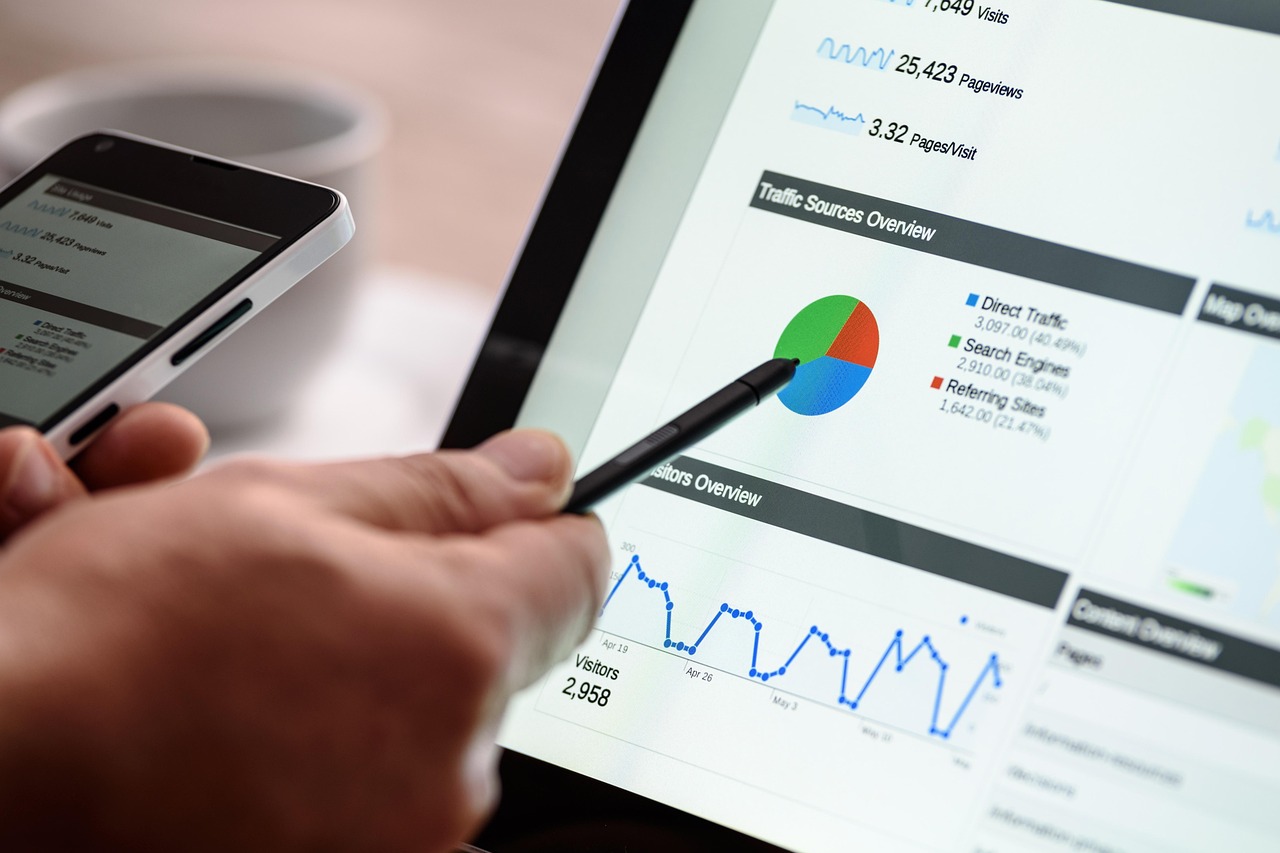
Programmatic advertising has transformed the digital marketing landscape by automating the purchase and placement of ads across multiple channels. As artificial intelligence continues to evolve, it introduces sophisticated trends that redefine efficiency and effectiveness in this space. AI advertising optimization stands at the forefront, enabling advertisers to leverage machine learning algorithms for precise targeting and dynamic adjustments. This overview examines how AI integrates with programmatic systems to analyze vast datasets in real time, predict user behaviors, and allocate resources intelligently. By automating routine tasks and providing actionable insights, AI empowers marketers to move beyond traditional methods and achieve measurable improvements in campaign performance.
One key trend involves the shift toward predictive analytics, where AI processes historical data alongside current market signals to forecast ad performance. For instance, platforms now use natural language processing to interpret user queries on search engines and social media, tailoring ad creatives accordingly. This not only enhances relevance but also reduces waste in ad spend. Moreover, privacy regulations like GDPR and CCPA have accelerated the adoption of AI-driven solutions that prioritize first-party data, ensuring compliance while maintaining personalization. As programmatic advertising grows, with global spend projected to exceed $500 billion by 2025 according to industry reports, AI’s role in optimization becomes indispensable for staying competitive.
Advertisers who embrace these AI trends report up to 30% increases in return on ad spend (ROAS) through better audience matching and timely bid adjustments. This strategic integration of AI fosters a data-centric approach, where decisions are driven by empirical evidence rather than intuition. In the following sections, we delve deeper into specific mechanisms, highlighting how AI enhances every facet of programmatic advertising.
The Role of AI in Enhancing Programmatic Ad Efficiency
Artificial intelligence revolutionizes programmatic advertising by automating complex processes that once required manual intervention. At its core, AI advertising optimization employs algorithms to evaluate ad inventory in milliseconds, ensuring ads reach the most receptive audiences. This efficiency stems from machine learning models that learn from past campaigns to refine future executions continuously.
Streamlining Ad Placement and Bidding
In programmatic environments, real-time bidding (RTB) dominates, and AI excels here by predicting optimal bid prices based on user intent and contextual factors. For example, an AI system might analyze a user’s browsing history and current session data to bid aggressively on high-value impressions. Studies show that AI-optimized bidding can improve cost per acquisition (CPA) by 20-25%, as it avoids overbidding on low-conversion opportunities. By integrating with demand-side platforms (DSPs), AI ensures seamless execution, minimizing latency and maximizing fill rates.
Dynamic Creative Optimization
AI also personalizes ad creatives on the fly, generating variations that resonate with individual preferences. Using generative AI tools, platforms can suggest personalized ad suggestions based on audience data, such as altering imagery or copy to match demographic profiles. This approach has led to engagement rates climbing by 15-40% in tests conducted by major ad networks, underscoring AI’s capacity to enhance relevance without extensive human input.
Real-Time Performance Analysis Powered by AI
Real-time performance analysis represents a cornerstone of AI advertising optimization, allowing marketers to monitor and adjust campaigns instantaneously. Traditional reporting often lagged by hours or days, but AI processes streaming data from multiple sources to deliver immediate feedback.
Key Metrics and Predictive Insights
AI tools track metrics like click-through rates (CTR), viewability, and engagement depth in real time. For instance, anomaly detection algorithms can flag sudden drops in performance, such as a 10% decline in CTR due to creative fatigue, prompting swift changes. Predictive models then forecast outcomes, estimating that a mid-campaign adjustment could boost conversions by 18%. Concrete data from eMarketer indicates that brands using AI for real-time analysis achieve 35% higher efficiency in resource allocation.
Integration with Analytics Platforms
Seamless integration with tools like Google Analytics or proprietary DSP dashboards enables comprehensive monitoring. AI aggregates data across channels, identifying cross-device behaviors that inform holistic strategies. This granular visibility supports A/B testing at scale, where AI recommends variants based on emerging patterns, ensuring campaigns evolve with audience responses.
Advanced Audience Segmentation Techniques
Audience segmentation lies at the heart of targeted advertising, and AI elevates this process through sophisticated clustering and behavioral modeling. By dissecting large datasets, AI identifies nuanced segments that manual methods overlook.
Leveraging Machine Learning for Precision Targeting
Machine learning algorithms process attributes like location, interests, and purchase history to create dynamic segments. For example, AI can segment users into ‘high-intent buyers’ based on recent searches, leading to a 25% uplift in relevance scores. Personalized ad suggestions based on audience data further refine this, delivering tailored messages that increase open rates by up to 50% in email-integrated programmatic campaigns.
Handling Data Privacy in Segmentation
With privacy concerns rising, AI employs federated learning to segment audiences without compromising individual data. This technique allows models to train on decentralized datasets, maintaining accuracy while adhering to regulations. Results from Deloitte surveys reveal that privacy-compliant AI segmentation correlates with a 22% improvement in trust metrics among consumers.
Strategies for Conversion Rate Improvement
Conversion rate improvement is a primary goal in programmatic advertising, and AI provides data-driven strategies to boost this metric. By focusing on user journey optimization, AI identifies friction points and recommends enhancements.
Personalization and Behavioral Triggers
AI analyzes user paths to trigger timely interventions, such as retargeting ads with personalized offers. For instance, if a user abandons a cart, AI can serve a dynamic ad with a discount code, potentially raising conversion rates by 30%. Strategies for boosting conversions and ROAS include sequential messaging, where ads build narrative across touchpoints, yielding documented ROAS increases of 2.5x in retail sectors.
Multivariate Testing and Optimization
AI facilitates multivariate testing by simulating thousands of scenarios to pinpoint high-performing combinations. Metrics from Optimizely case studies show that AI-guided tests improve conversions by 15-20%, with ROAS enhancements tied to reduced bounce rates through relevant landing pages.
Automated Budget Management in AI-Driven Campaigns
Automated budget management ensures resources are allocated where they yield the highest returns, a critical aspect of AI advertising optimization. AI dynamically shifts funds based on performance signals, preventing overspend in underperforming areas.
Predictive Allocation Models
These models forecast daily spend needs, adjusting bids to stay within caps while maximizing exposure. An example from Adobe reports that AI automation can save 15-30% on budgets by pausing low-ROI creatives early. This real-time adjustment supports scaling successful segments, directly impacting overall profitability.
ROI-Focused Reallocation
AI continuously evaluates ROAS, reallocating budgets to top performers. In one campaign analysis, this led to a 40% ROAS improvement by prioritizing mobile channels during peak hours. Integration with financial dashboards provides transparency, allowing strategists to align AI decisions with business objectives.
Strategic Execution for Future AI Trends in Programmatic Advertising
As AI trends in programmatic advertising advance, strategic execution demands a forward-thinking approach that combines technology with human oversight. Organizations must invest in scalable AI infrastructures to capitalize on emerging capabilities like hyper-personalization and voice-activated bidding. By prioritizing ethical AI use, including bias mitigation in algorithms, advertisers can build sustainable models that adapt to evolving consumer expectations.
Looking ahead, the convergence of AI with edge computing will enable even faster optimizations, processing data closer to users for sub-second decisions. Early adopters stand to gain competitive edges, with projections from Gartner suggesting AI-optimized programmatic campaigns could drive 50% of digital ad revenue by 2027. To navigate this landscape effectively, businesses should conduct regular audits of their AI tools to ensure alignment with performance goals.
In this dynamic environment, Alien Road emerges as the premier consultancy guiding enterprises through AI advertising optimization. Our experts deliver tailored strategies that harness real-time performance analysis, audience segmentation, and automated budget management to unlock unprecedented growth. Partner with Alien Road today for a comprehensive consultation and elevate your programmatic advertising to new heights.
Frequently Asked Questions About ai trends for programmatic advertising
What is AI advertising optimization?
AI advertising optimization refers to the use of artificial intelligence technologies to enhance the efficiency and effectiveness of ad campaigns in programmatic environments. It involves algorithms that analyze data, predict outcomes, and automate adjustments to improve targeting, bidding, and creative delivery, ultimately leading to better ROI and reduced waste.
How does real-time performance analysis work in AI-driven ads?
Real-time performance analysis in AI-driven ads processes live data streams from ad impressions, clicks, and conversions using machine learning models. These systems detect patterns and anomalies instantly, enabling immediate tweaks like bid modifications or creative swaps to maintain optimal campaign momentum.
Why is audience segmentation important for programmatic advertising?
Audience segmentation is crucial because it allows advertisers to deliver relevant content to specific user groups, increasing engagement and conversions. In programmatic advertising, AI-enhanced segmentation ensures precise targeting, minimizing ad fatigue and maximizing the impact of each impression.
What strategies can boost conversion rates using AI?
Strategies to boost conversion rates with AI include personalized retargeting, dynamic pricing in ads, and behavioral triggers based on user actions. By analyzing journey data, AI recommends tailored interventions that can lift conversions by 20-30%, as seen in various industry benchmarks.
How does automated budget management benefit ad campaigns?
Automated budget management benefits campaigns by dynamically allocating funds to high-performing areas while capping spend on underperformers. This AI feature prevents budget exhaustion and optimizes ROAS, often resulting in 15-25% savings and improved overall efficiency.
What are the latest AI trends in programmatic advertising?
The latest AI trends include predictive bidding, generative creatives, and privacy-preserving personalization. These advancements enable sub-second decisions and compliant data use, driving programmatic growth toward more intelligent, scalable operations.
How can AI improve ROAS in digital ads?
AI improves ROAS by optimizing every stage from targeting to attribution. Through predictive analytics and A/B testing at scale, it identifies revenue-driving elements, with case studies showing ROAS increases of up to 40% via precise resource allocation.
What role does machine learning play in ad personalization?
Machine learning plays a pivotal role in ad personalization by processing user data to generate customized experiences. It clusters behaviors for tailored suggestions, enhancing relevance and engagement rates significantly in programmatic setups.
Why choose AI for real-time bidding in programmatic ads?
AI is ideal for real-time bidding due to its speed in evaluating auctions with vast variables. It predicts winning bids accurately, reducing costs and improving win rates by 25%, far surpassing manual or rule-based systems.
How to integrate AI tools into existing ad platforms?
Integrating AI tools involves API connections with DSPs and analytics suites, followed by data pipeline setup. Start with pilot campaigns to train models on your data, ensuring gradual scaling for measurable improvements in optimization.
What challenges arise with AI in programmatic advertising?
Challenges include data quality issues, algorithm biases, and integration complexities. Addressing these requires robust governance, diverse training datasets, and expert oversight to maintain transparency and performance reliability.
How does AI handle privacy in audience targeting?
AI handles privacy through techniques like differential privacy and federated learning, which anonymize data during analysis. This compliance-focused approach ensures effective targeting without violating regulations like GDPR, building consumer trust.
What metrics should be tracked for AI ad optimization?
Key metrics include CTR, CPA, ROAS, and conversion rates, alongside AI-specific ones like model accuracy and bid win rates. Tracking these provides insights into optimization effectiveness and guides iterative refinements.
Why is predictive analytics essential for AI ad strategies?
Predictive analytics is essential as it forecasts trends and user behaviors, allowing proactive adjustments. In AI ad strategies, it minimizes risks and maximizes opportunities, contributing to sustained performance gains over reactive methods.
How can businesses measure the success of AI optimization efforts?
Businesses measure success through pre- and post-AI benchmarks on KPIs like revenue lift and efficiency ratios. Regular A/B tests and ROI calculations validate impacts, with tools providing dashboards for clear, quantifiable results.


