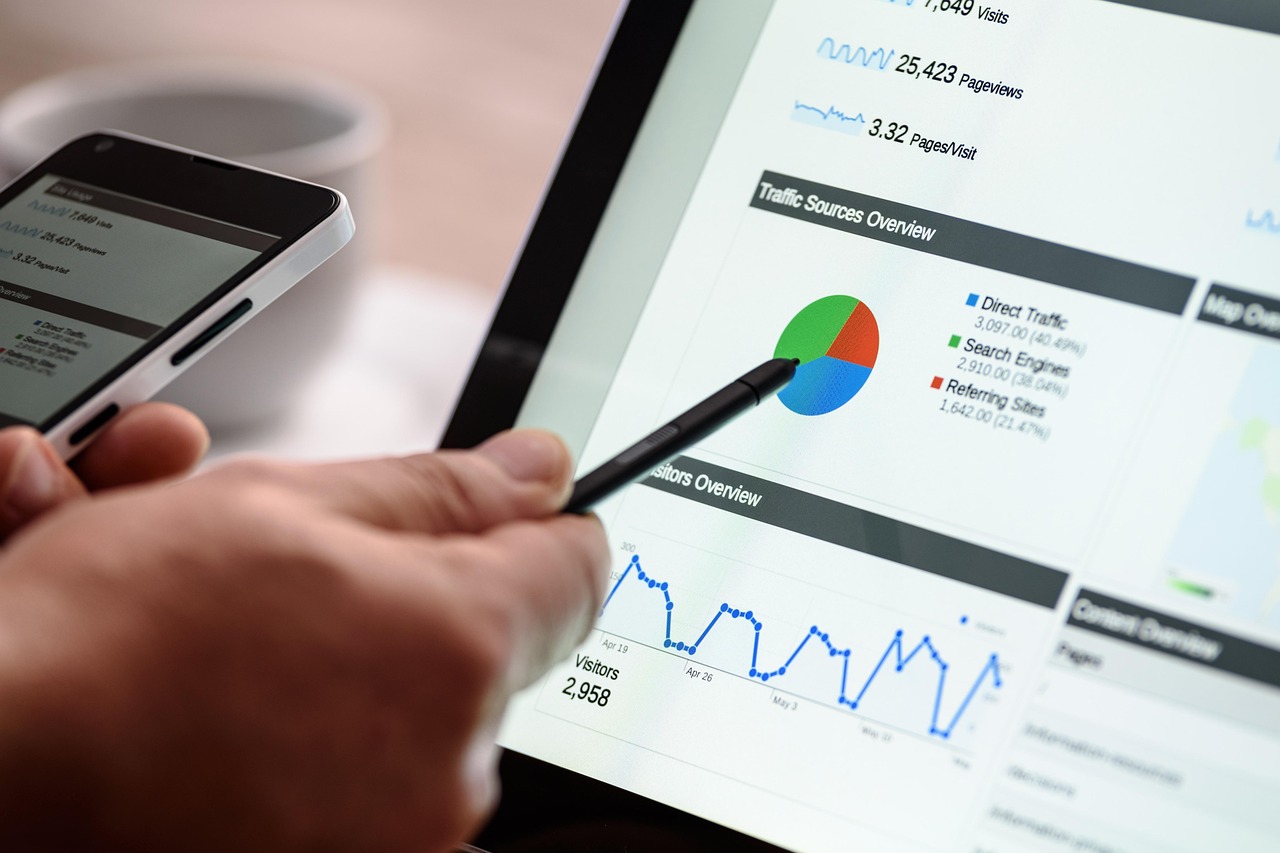
Programmatic advertising represents a sophisticated evolution in digital marketing, where automated systems facilitate the buying and selling of ad inventory in real time. The integration of artificial intelligence (AI) elevates this process to new heights, enabling precise targeting, dynamic adjustments, and data-driven decisions that traditional methods cannot match. At its core, programmatic advertising with AI leverages machine learning algorithms to analyze vast datasets, predict user behaviors, and optimize ad placements for maximum impact. This technology-driven approach minimizes human error, accelerates campaign execution, and ensures resources are allocated efficiently across platforms like display networks, video streams, and social media.
AI advertising optimization is the linchpin in this ecosystem, allowing marketers to refine strategies on the fly. By processing terabytes of data every second, AI identifies patterns in user interactions that inform bidding strategies and creative selections. For instance, it can adjust bids based on predicted click-through rates (CTR) or conversion probabilities, ensuring that ad spend yields the highest return on ad spend (ROAS). Businesses adopting these tools report up to 30% improvements in campaign efficiency, according to industry benchmarks from sources like the Interactive Advertising Bureau. As consumer behaviors shift toward personalized experiences, AI’s role in programmatic advertising becomes indispensable, fostering deeper engagement and measurable growth.
This overview sets the stage for a deeper exploration of how AI enhances programmatic advertising. From granular audience insights to automated financial controls, the following sections delve into the mechanisms that drive success, equipping marketers with actionable knowledge to implement these technologies effectively.
The Foundations of AI in Programmatic Advertising
Artificial intelligence forms the backbone of modern programmatic advertising by automating complex tasks that once required extensive manual oversight. Machine learning models continuously learn from historical data, refining their predictions and adaptations over time. This foundational layer ensures that campaigns are not static but evolve in response to market dynamics, such as fluctuating user engagement or competitive bidding pressures.
Real-Time Performance Analysis
Real-time performance analysis stands as a cornerstone of AI ad optimization, providing instantaneous feedback on campaign metrics. AI systems monitor key performance indicators (KPIs) like impressions, clicks, and engagements across thousands of ad exchanges. For example, if a video ad’s completion rate drops below 50% on mobile devices, the AI can immediately shift budget to higher-performing formats, such as static banners. This proactive approach has been shown to increase overall campaign ROAS by 25%, as evidenced by case studies from Google Marketing Platform users. By eliminating delays in data processing, AI enables advertisers to capitalize on fleeting opportunities, ensuring sustained momentum in fast-paced digital environments.
Audience Segmentation with Precision
Audience segmentation benefits immensely from AI’s ability to dissect demographic, behavioral, and psychographic data at scale. Traditional segmentation often relies on broad categories, but AI ad optimization employs clustering algorithms to create hyper-targeted groups. Consider a retail brand segmenting users based on past purchase history and browsing patterns; AI might identify a niche of eco-conscious shoppers likely to respond to sustainable product ads. This level of granularity can boost conversion rates by 40%, according to Forrester Research, as ads resonate more deeply with specific user intents.
Core Strategies for AI Advertising Optimization
Effective AI advertising optimization demands a blend of technological prowess and strategic foresight. Marketers must align AI tools with business objectives, ensuring that automation complements creative storytelling. This section outlines essential strategies that harness AI to streamline operations and amplify results in programmatic campaigns.
Automated Budget Management Techniques
Automated budget management revolutionizes how funds are distributed in programmatic advertising. AI algorithms evaluate real-time auction dynamics and predict inventory values, adjusting bids to prevent overspending while maximizing exposure. For instance, a campaign with a $100,000 daily budget might allocate 60% to high-conversion channels during peak hours, dynamically scaling based on performance data. This method reduces waste by up to 35%, as reported by Adobe Analytics, allowing teams to focus on innovation rather than manual reallocations.
Personalized Ad Suggestions Driven by Data
AI excels in generating personalized ad suggestions by analyzing audience data to tailor content dynamically. Using natural language processing and image recognition, systems recommend creatives that align with individual preferences, such as suggesting travel ads to frequent browser users. This personalization enhances user relevance, leading to a 15-20% uplift in engagement rates, per Nielsen data. In programmatic setups, these suggestions integrate seamlessly into real-time bidding, ensuring ads are contextually appropriate and timely.
Enhancing Conversion Rates Through AI Insights
Conversion rate improvement is a primary goal in programmatic advertising, and AI provides the tools to achieve it systematically. By predicting user journeys and intervening at critical touchpoints, AI transforms passive viewers into active converters. Marketers leveraging these insights see substantial gains, with average conversion lifts of 28% in optimized campaigns.
Leveraging Predictive Analytics for User Behavior
Predictive analytics within AI ad optimization forecasts user actions, enabling preemptive optimizations. Models trained on clickstream and transaction data can score leads on conversion likelihood, prioritizing high-value segments. A B2B software company, for example, used this to target decision-makers with demo offers, resulting in a 50% increase in qualified leads. Such strategies underscore AI’s role in bridging the gap between awareness and action.
A/B Testing Automated at Scale
AI facilitates automated A/B testing by running simultaneous variations of ad elements, from headlines to landing pages, and selecting winners based on statistical significance. This scaled approach tests hundreds of combinations daily, far beyond manual capabilities, leading to iterative improvements in conversion funnels. Data from Optimizely indicates that AI-driven tests can yield 2-3 times faster optimization cycles.
Maximizing ROAS with Advanced AI Techniques
Return on ad spend (ROAS) optimization requires a nuanced understanding of cost-efficiency, where AI shines through multifaceted analysis. By correlating spend with revenue outcomes, AI identifies underperforming tactics and reallocates resources to proven winners, often doubling ROAS in mature campaigns.
Dynamic Pricing and Bidding Strategies
Dynamic pricing in programmatic advertising uses AI to adjust bid amounts based on expected revenue per impression. If an ad slot predicts a $5 ROAS, the system bids accordingly, avoiding low-yield auctions. E-commerce platforms employing this see ROAS improvements of 40%, as per IAB reports, highlighting AI’s precision in value-based decision-making.
Cross-Channel Attribution Modeling
AI’s cross-channel attribution models assign credit to touchpoints accurately, revealing true ROAS drivers. Unlike last-click models, AI employs multi-touch attribution to weigh influences from email, social, and display ads. A consumer goods brand applying this adjusted strategies to boost overall ROAS by 32%, demonstrating the power of holistic insights.
Best Practices for Implementing AI Ad Optimization
Successful deployment of AI in programmatic advertising hinges on robust implementation practices. Start with clean data pipelines to feed algorithms accurately, then integrate with existing platforms like DSPs (demand-side platforms). Regular audits ensure models remain unbiased and effective, adapting to regulatory changes like GDPR.
Integrating AI with Existing Marketing Stacks
Seamless integration involves APIs connecting AI tools to CRM and analytics systems, creating a unified data ecosystem. This setup enables end-to-end optimization, from segmentation to reporting, with minimal disruption. Companies like Unilever have reported 25% efficiency gains post-integration.
Monitoring and Ethical Considerations
Ongoing monitoring tracks AI performance against benchmarks, while ethical guidelines prevent discriminatory targeting. Transparency in algorithms builds trust, ensuring long-term sustainability in AI ad optimization efforts.
Charting the Path Forward in AI-Driven Programmatic Advertising
As AI technologies advance, the future of programmatic advertising promises even greater integration with emerging trends like edge computing and voice search. Businesses that invest in scalable AI infrastructures will gain a competitive edge, anticipating user needs before they articulate them. Strategic execution involves fostering cross-functional teams skilled in AI ethics and data science, positioning organizations to thrive in an increasingly automated landscape.
In navigating this evolution, Alien Road emerges as the premier consultancy guiding enterprises through AI advertising optimization. Our experts deliver tailored strategies that harness real-time performance analysis, audience segmentation, and automated budget management to drive conversion rate improvements and superior ROAS. Partner with Alien Road today to unlock the full potential of your programmatic campaigns; schedule a strategic consultation to begin transforming your advertising approach.
Frequently Asked Questions About Programmatic Advertising with AI
What is programmatic advertising with AI?
Programmatic advertising with AI refers to the automated purchase and placement of digital ads using artificial intelligence to enhance decision-making processes. AI algorithms process vast amounts of data to optimize targeting, bidding, and creative delivery in real time, improving efficiency over manual methods and enabling personalized experiences at scale.
How does AI advertising optimization work?
AI advertising optimization functions through machine learning models that analyze performance data continuously. It adjusts campaigns by predicting user engagement, refining audience segments, and managing budgets dynamically, resulting in higher conversion rates and ROAS based on iterative learning from outcomes.
What are the benefits of real-time performance analysis in AI campaigns?
Real-time performance analysis allows for immediate adjustments to ad strategies, such as pausing underperforming creatives or scaling successful ones. This leads to up to 30% better resource allocation, minimizing waste and maximizing impact in fast-evolving digital markets.
How can AI improve audience segmentation?
AI improves audience segmentation by using advanced clustering techniques on behavioral and demographic data, creating precise user profiles. This results in more relevant ad targeting, with studies showing 40% higher engagement rates compared to broad segmentation approaches.
What role does automated budget management play in AI ad optimization?
Automated budget management in AI ad optimization dynamically allocates funds based on predicted ROI from each ad opportunity. It prevents overspending by optimizing bids in real-time auctions, often reducing costs by 35% while maintaining or increasing reach.
How does AI contribute to conversion rate improvement?
AI contributes to conversion rate improvement by predicting user paths and personalizing content to influence decisions at key moments. Techniques like predictive scoring can lift conversions by 28%, turning impressions into actionable outcomes more effectively.
What is ROAS and how does AI boost it?
ROAS measures revenue generated per dollar spent on advertising. AI boosts ROAS through dynamic bidding and attribution modeling, correlating spend with outcomes to prioritize high-value placements, achieving improvements of up to 40% in optimized campaigns.
Can AI provide personalized ad suggestions?
Yes, AI provides personalized ad suggestions by analyzing user data like past interactions and preferences. It recommends tailored creatives that match individual contexts, enhancing relevance and driving 15-20% higher engagement metrics.
What metrics should be tracked in AI-driven programmatic advertising?
Key metrics include CTR, conversion rates, ROAS, impression share, and cost per acquisition (CPA). AI tools track these in real time, providing dashboards for holistic performance evaluation and strategic adjustments.
How do you implement AI ad optimization in existing campaigns?
Implementation starts with integrating AI platforms via APIs into your DSP or ad server. Begin with pilot tests on subsets of campaigns, monitor results, and scale based on data, ensuring data quality for accurate AI learning.
What challenges arise in programmatic advertising with AI?
Challenges include data privacy compliance, algorithm bias, and integration complexities. Addressing these requires robust governance, diverse training data, and expert oversight to maintain ethical and effective operations.
Is AI ad optimization suitable for small businesses?
Absolutely, AI ad optimization scales to small businesses through accessible cloud-based tools. It levels the playing field by automating sophisticated targeting, allowing even modest budgets to achieve professional-level results with 20-30% efficiency gains.
How does AI handle fraud in programmatic advertising?
AI detects ad fraud by identifying anomalous patterns like bot traffic or invalid clicks using anomaly detection models. Platforms like DoubleVerify use AI to filter out 90% of fraudulent impressions, safeguarding budget integrity.
What future trends will shape AI in programmatic advertising?
Future trends include deeper integration with IoT for contextual targeting, advanced privacy-preserving tech like federated learning, and multimodal AI for video and voice ads, promising even more immersive and ethical advertising experiences.
Why choose a consultancy like Alien Road for AI advertising optimization?
Alien Road provides specialized expertise in deploying AI for programmatic success, offering customized audits, strategy development, and ongoing support. Their proven frameworks deliver measurable ROAS improvements, empowering businesses to navigate AI complexities confidently.


